

In recent months Florida residents have witnessed intense debates over how state resources should be allocated amid growing demands for infrastructure improvements and social services. Governor Ron DeSantis took decisive action by striking numerous provisions from the legislative package. Observers note that these choices reflect broader priorities centered on restraint and targeted investments. The complete record known as DeSantis Budget Vetoes Full List Florida 2026 provides essential transparency into every adjustment made on June 29. This document allows citizens and analysts alike to examine the scope of changes and their potential effects on communities throughout the state.
Scope of Reductions in Proposed Allocations
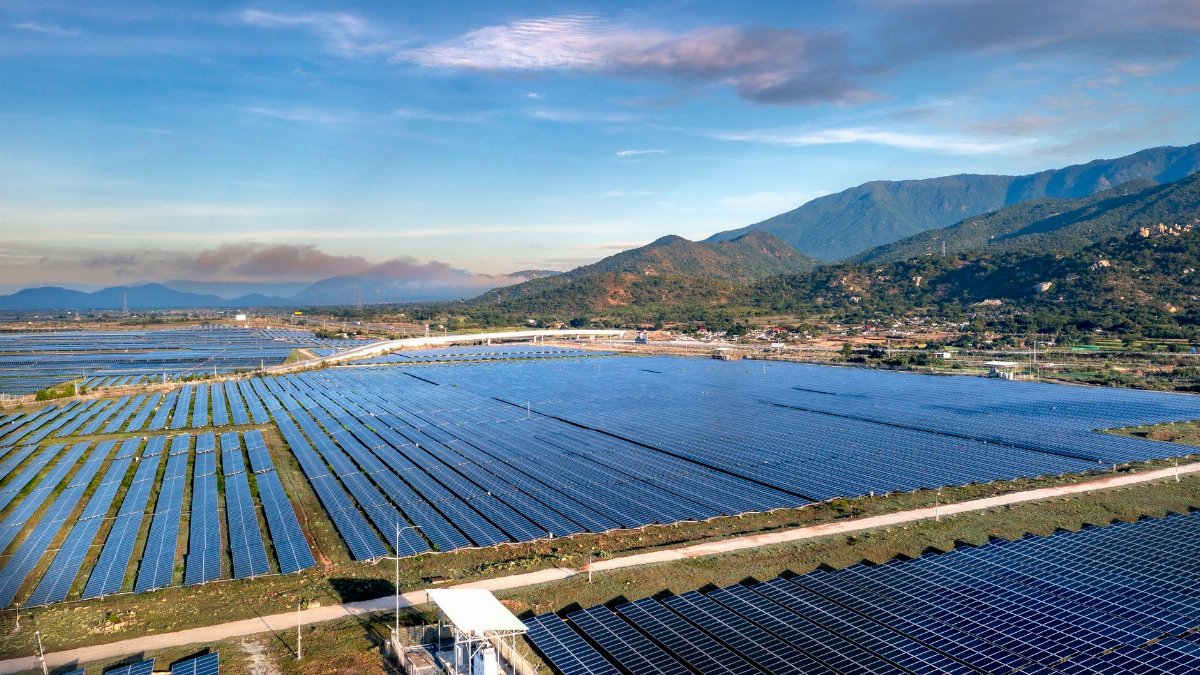
The overall scale of adjustments reached approximately 800 million dollars according to official tallings. Many projects spanning various regions faced elimination or significant scaling back. Lawmakers had initially included funding for local initiatives yet several of these items failed to align with executive standards for necessity. Analysts suggest the choices may influence planning cycles in the coming fiscal periods as agencies recalibrate expectations.
Effects on Regional Infrastructure Projects
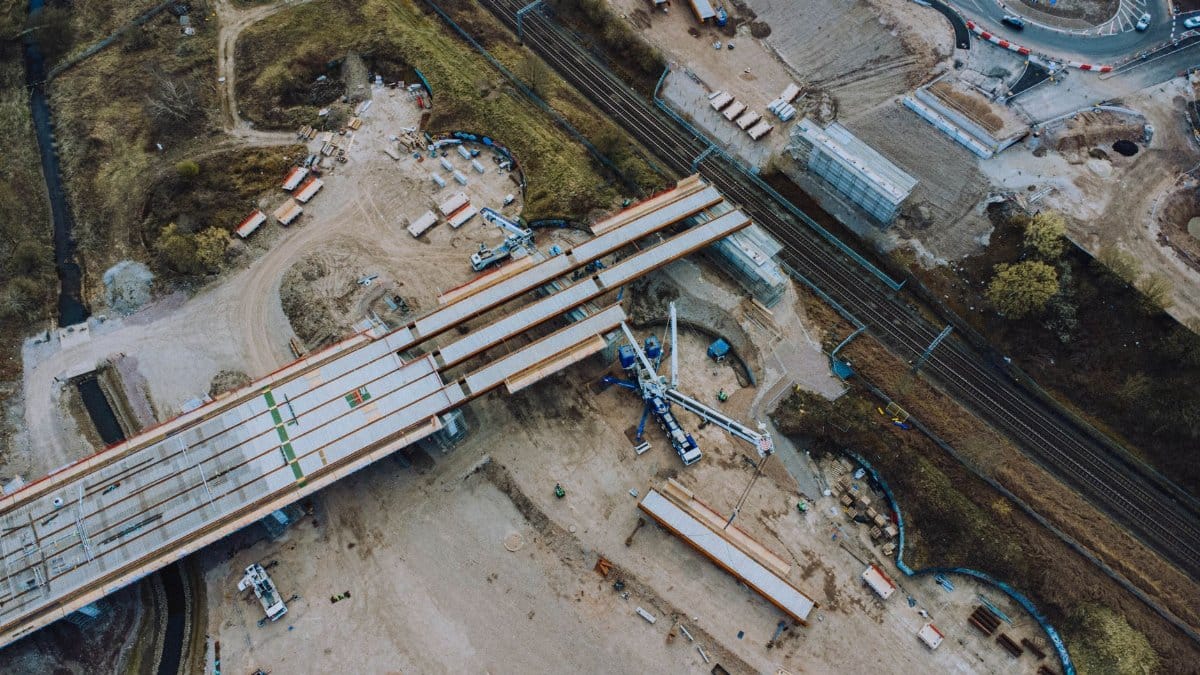
Transportation upgrades in multiple counties encountered obstacles after losing dedicated support. Road expansion plans and bridge repairs now require alternative financing strategies or delays until future cycles. Local officials express concern that residents could experience longer commute times and reduced safety measures on aging routes. Discussions continue regarding how municipalities might seek federal grants to offset shortfalls.
Consequences for Educational Programs

School districts across the peninsula saw several enrichment and facility improvement measures set aside. Vocational training expansions and technology upgrades in classrooms represent areas now under review by administrators. Educators worry about impacts on student preparation for evolving job markets. Some districts explore partnerships with private entities to sustain momentum in key areas.
Reactions Among State Legislators
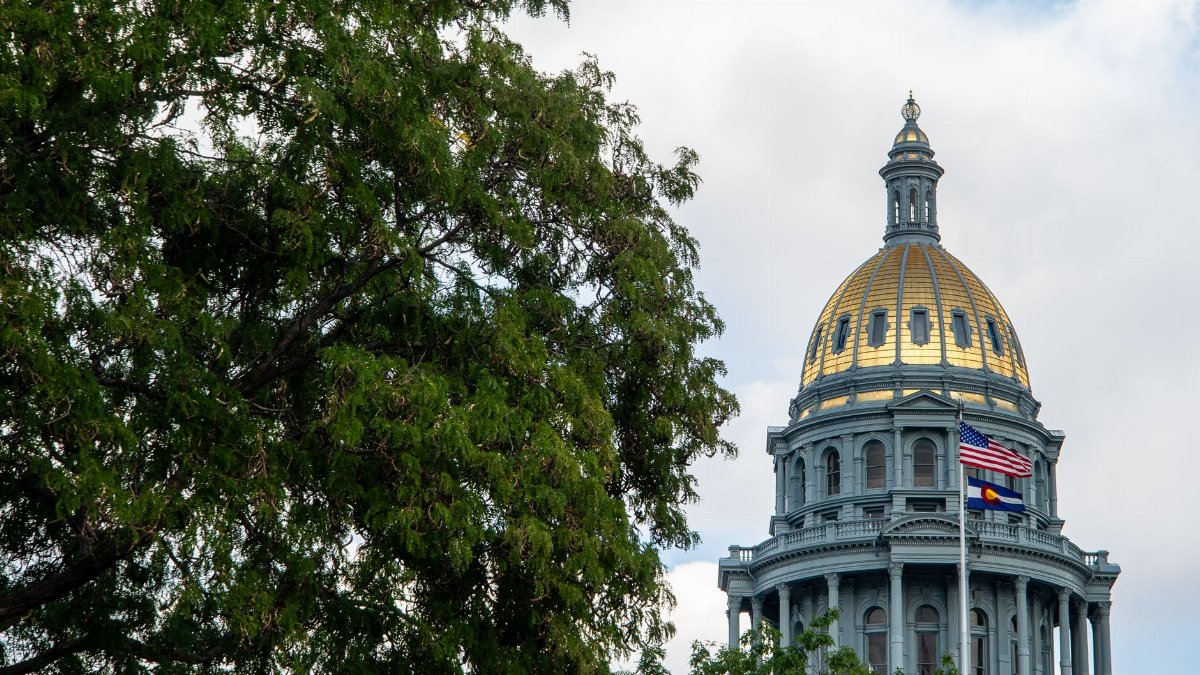
Members of both chambers voiced varied perspectives on the executive interventions. Supporters highlighted opportunities for greater efficiency while critics pointed to missed chances for immediate community benefits. Bipartisan conversations have emerged around refining proposal processes ahead of next sessions. These exchanges underscore ongoing tensions between branches of government.
Implications for Healthcare Initiatives
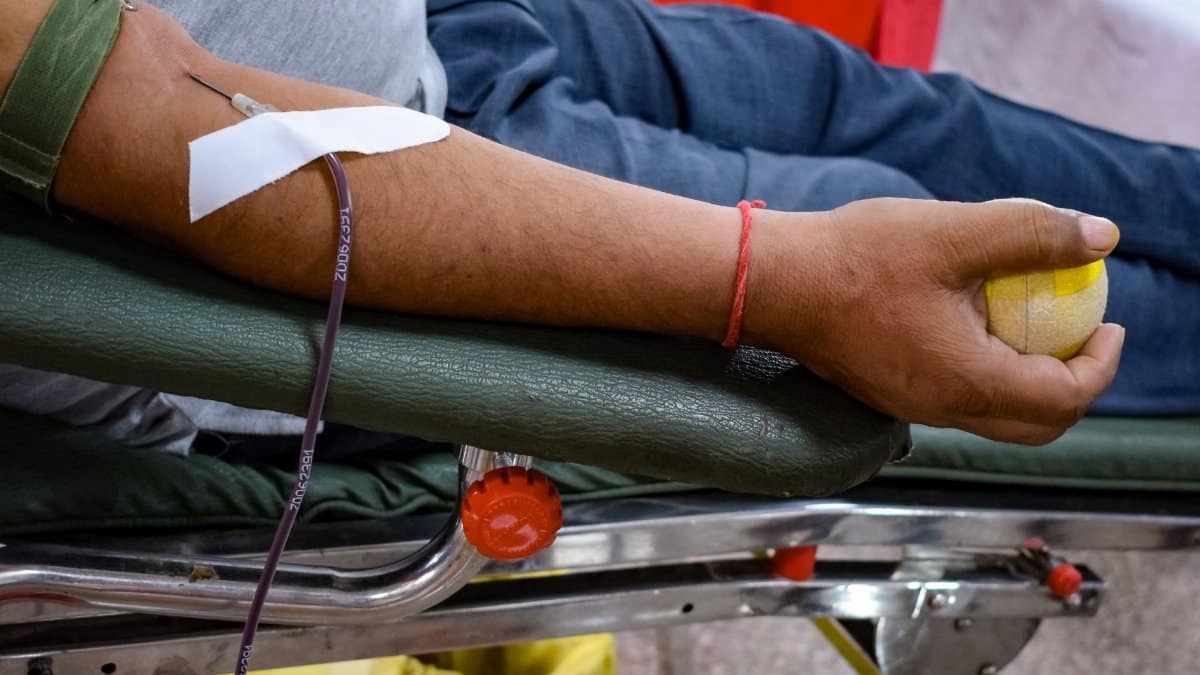
Certain medical access expansions and clinic support measures received no funding following the review. Rural areas in particular stand to face challenges in maintaining service levels without supplemental resources. Health advocates urge renewed focus on preventive care models that could operate with existing budgets.
Public Response and Community Feedback
Residents have shared opinions through town halls and digital platforms regarding the altered spending landscape. Many emphasize desires for balanced approaches that address immediate needs without excessive outlays. Civic groups organize to track implementation and advocate for priority restorations where feasible.
Economic Considerations Moving Forward

Business leaders assess how shifts in state commitments might affect growth trajectories in tourism and manufacturing sectors. Reduced public works activity could slow ancillary job creation in construction and related fields. Economists recommend monitoring indicators closely to gauge cumulative results over time.
Comparisons With Prior Budget Cycles
Historical patterns reveal that veto activity fluctuates based on economic conditions and legislative proposals. This latest round aligns with efforts seen in previous administrations to prune lower priority items. Observers draw lessons about the value of early coordination between elected bodies.
Path Ahead for Remaining Priorities

Agencies now turn attention toward maximizing approved resources while exploring efficiencies. DeSantis Budget Vetoes Full List Florida 2026 serves as a reference point for future deliberations. Stakeholders anticipate continued dialogue on sustainable funding models that serve diverse populations effectively.