

As summer builds toward its most demanding stretch residents across the northern plains prepare for conditions that test endurance and routine alike. The Minnesota extreme heat watch signals that humidity and sunshine will combine to create an oppressive environment over the weekend of July 25 and 26 with heat index readings climbing toward 108 degrees. This alert arrives amid lingering smoke from distant wildfires adding another layer of discomfort to already challenging air quality. Families and outdoor workers must weigh daily plans against rising health concerns while forecasters emphasize that the watch serves as an early signal rather than a guarantee of the worst outcomes. Communities have begun sharing resources and checking on neighbors in a collective effort to reduce risks before the peak arrives.
Regional forecast patterns taking shape

Meteorologists at the National Weather Service describe a broad ridge of high pressure settling over the upper Midwest. This setup favors clear skies and light winds that trap moisture near the ground. Temperatures may reach the mid nineties each afternoon while overnight lows stay above 75 degrees preventing meaningful relief. The combination leaves little room for recovery especially in urban areas where pavement and buildings retain heat through the night.
Health considerations for vulnerable groups

Medical professionals urge extra attention for older adults young children and those with chronic conditions. Prolonged exposure can lead to heat exhaustion or more serious complications when the body struggles to cool itself. Hospitals in the Twin Cities area report preparing additional staff and supplies though officials stress prevention through hydration and shaded rest remains the most effective step. Public cooling centers open in libraries and community halls to offer temporary refuge without cost.
Effects of residual wildfire smoke
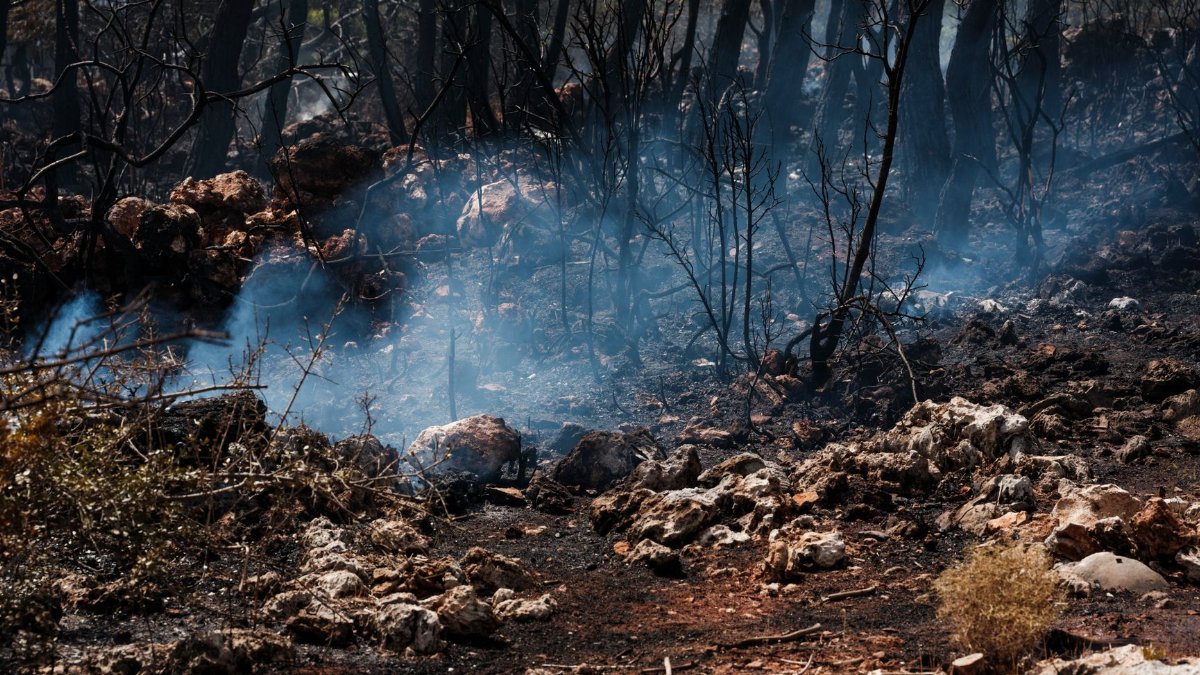
Air quality monitors across the state show elevated particle levels from fires farther west. The smoke mixes with heat to create hazy skies and a persistent odor that irritates eyes and lungs. Residents sensitive to pollution receive advice to limit outdoor activity during peak afternoon hours. Forecasters note that wind shifts could either clear or concentrate the haze depending on daily patterns.
Impact on agriculture and outdoor labor

Farmers face difficult decisions about livestock care and crop irrigation during the hottest stretches. Field workers in construction and landscaping adjust schedules to start before dawn and finish by mid morning. Employers provide extra water and shaded breaks in line with state guidelines. The economic ripple touches everything from dairy production to road maintenance crews who must balance deadlines against safety.
Community support networks in action

Local organizations coordinate wellness checks for isolated individuals living alone. Volunteers deliver fans and bottled water to homes identified through social service lists. Churches and civic groups host evening gatherings indoors to maintain social connections without added strain from the weather. These efforts reflect a long standing tradition of mutual aid during periods of environmental stress.
Energy demands and grid reliability
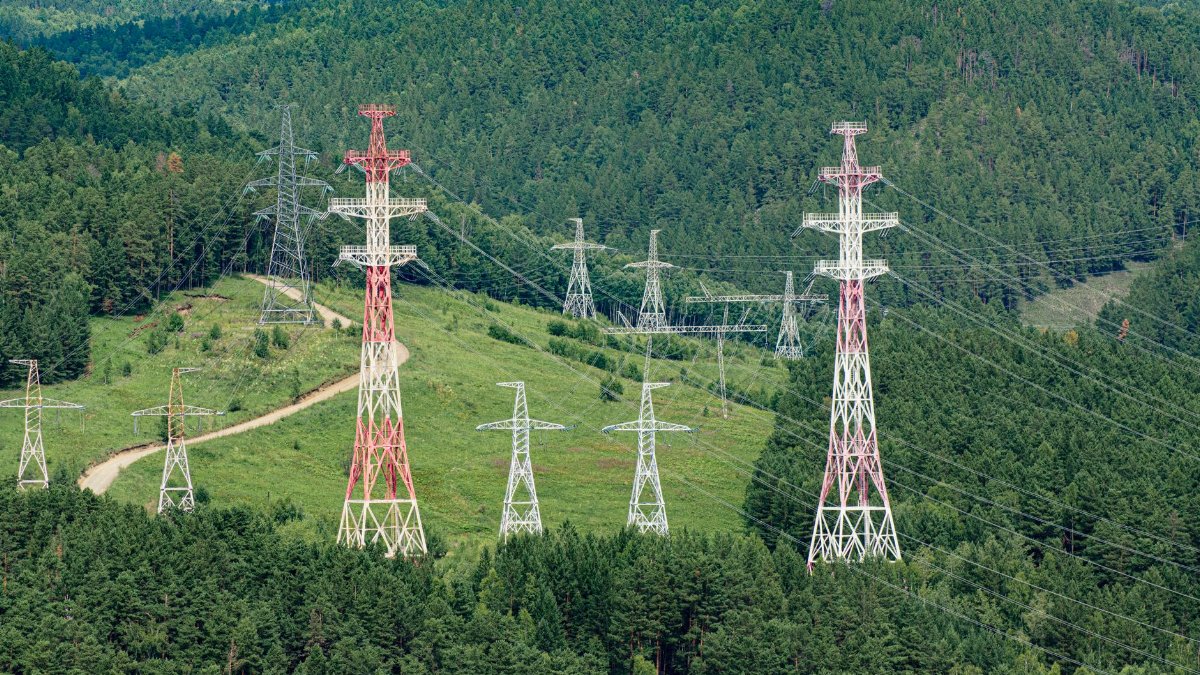
Utility companies anticipate record electricity use as air conditioners run continuously. Engineers monitor transmission lines for overload risks while encouraging customers to conserve during afternoon peaks. Past events have shown that conservation messages can reduce strain enough to avoid rolling outages though officials acknowledge the system faces real pressure under sustained demand.
Looking ahead beyond the immediate alert

Climate researchers point to a broader pattern of increasing frequency for such events across the region. Adaptation measures such as urban tree planting and improved building insulation gain attention as practical responses. The current Minnesota extreme heat watch serves as a reminder that preparation at every level helps limit harm when extremes occur. Continued monitoring will determine whether additional advisories follow in the days ahead.
Practical steps for households

Simple actions like closing blinds during daylight and using fans to circulate air can lower indoor temperatures by several degrees. Pet owners receive reminders to provide ample shade and fresh water for animals. Drivers check vehicle cooling systems before long trips since overheated engines become more common under these conditions. Schools review policies for recess and sports practices to protect students.