
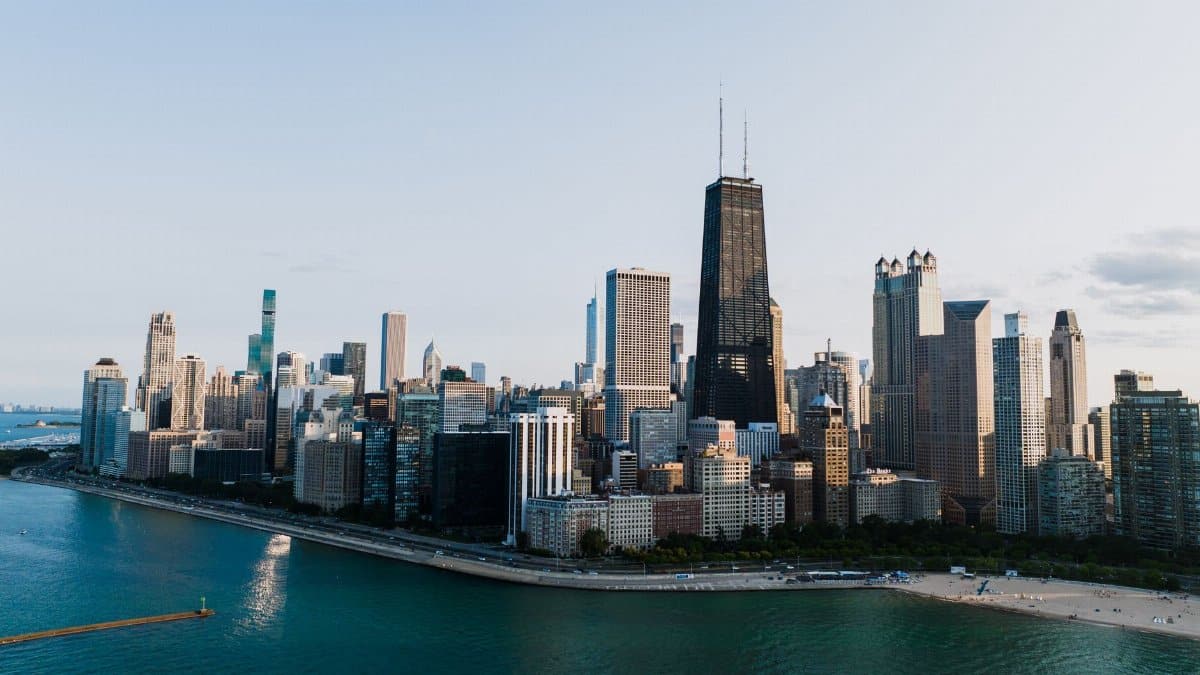
In recent years the allure of Minnesota lakes has drawn more families than ever before. Yet with prices for waterfront properties reaching new heights many prospective owners find themselves priced out of the market. This shift has paved the way for innovative approaches to ownership that allow several parties to share in the benefits of a single home. One such approach known as lakeshore fractional has emerged as a practical solution for those who wish to enjoy seasonal escapes without bearing the full cost.
Market Pressures Fueling New Ownership Structures

Rapid appreciation in lakeside real estate across the state has created barriers for traditional buyers. Properties that once sold for modest sums now command premiums that exceed the reach of middle income households. This dynamic encourages collective purchase arrangements where costs and usage rights are divided among a small group of owners.
How Shared Lakeside Arrangements Operate
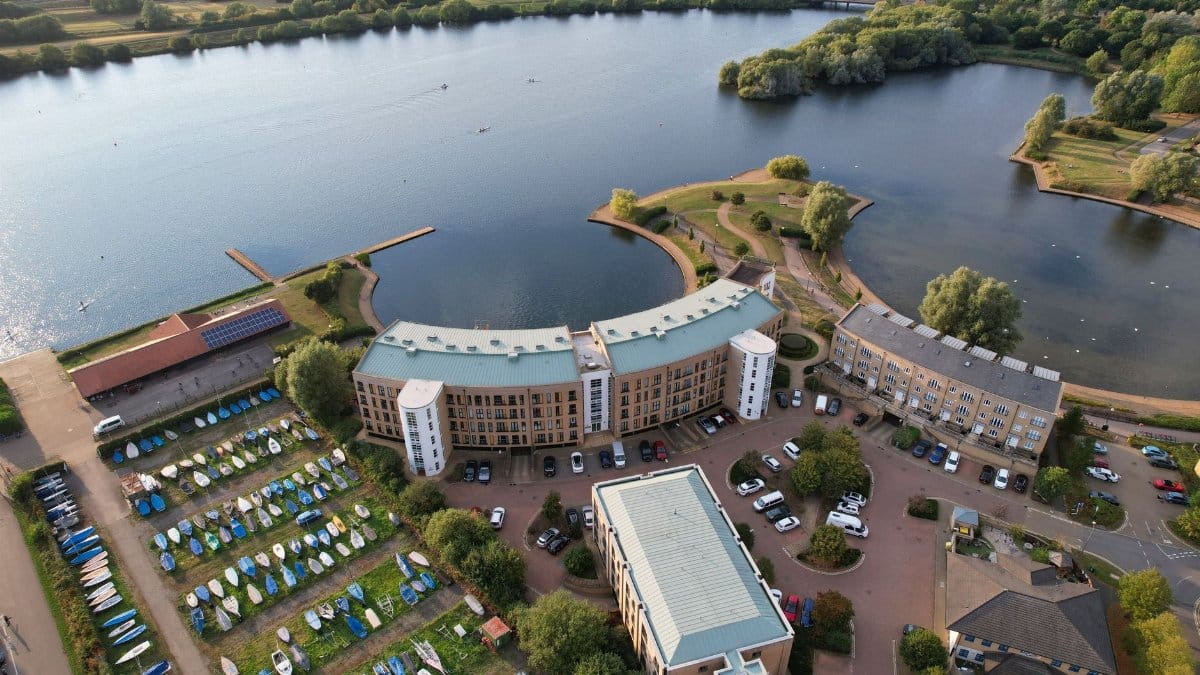
Participants in these models acquire a percentage stake in a property along with scheduled access periods throughout the year. Legal agreements outline maintenance responsibilities and decision making processes to ensure smooth operations. Professional management firms often handle day to day upkeep freeing owners to focus on relaxation during their allotted times.
Benefits for Families Seeking Nature Connection

Many middle aged adults report that time spent by the water provides a sense of renewal and perspective amid busy careers. Shared ownership reduces the burden of sole responsibility while preserving opportunities to create lasting memories with loved ones. Such setups can foster a deeper appreciation for natural surroundings without the isolation sometimes felt in full time rural living.
Legal Considerations in Collective Property Deals

Careful drafting of contracts proves essential to prevent future disputes over usage or repairs. State regulations in Minnesota govern these arrangements requiring clear disclosures and fair allocation of expenses. Prospective buyers benefit from consulting attorneys familiar with real estate partnerships to safeguard their interests.
Comparing Costs to Traditional Purchases

Entry prices for a stake in lakeshore fractional properties typically range far below what a full deed would demand. Ongoing fees cover taxes insurance and upkeep yet remain predictable for budgeting purposes. This structure appeals to those who value access over outright control allowing capital to stay invested elsewhere.
Environmental Aspects of Shared Waterfront Homes
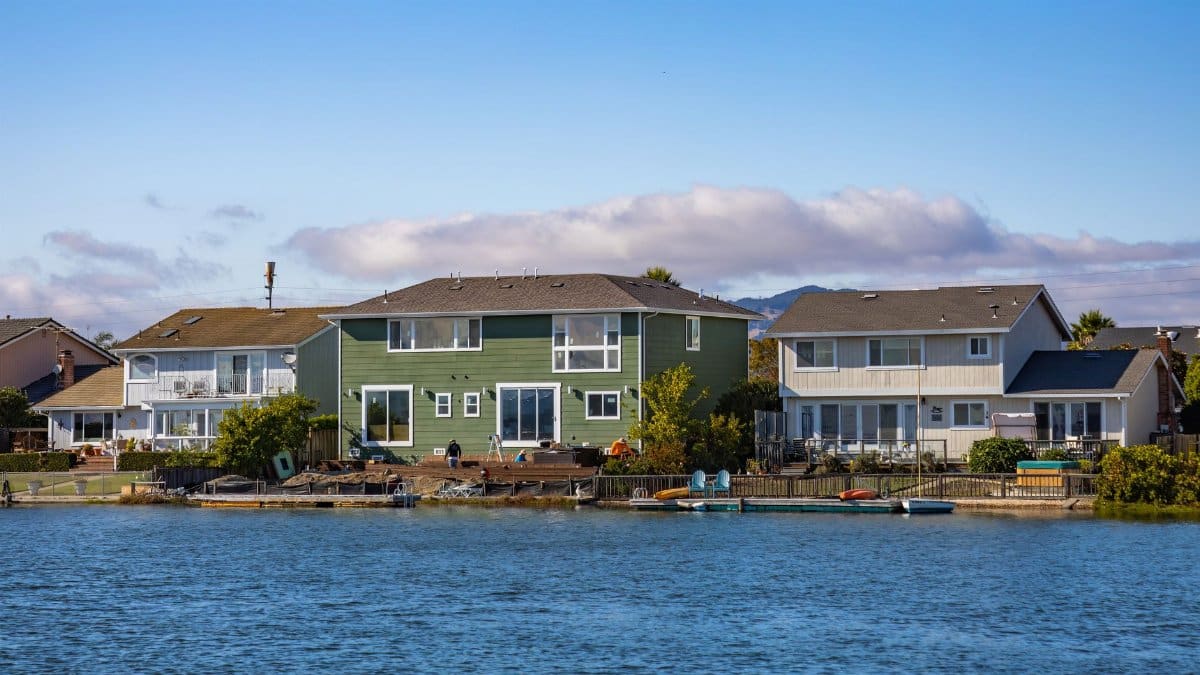
Multiple owners can implement sustainable practices more readily when resources are pooled. Energy efficient upgrades and shoreline restoration projects become feasible through joint funding. These efforts contribute to preserving water quality for future generations who may also seek similar shared experiences.
Future Outlook for Lakeside Investment Trends
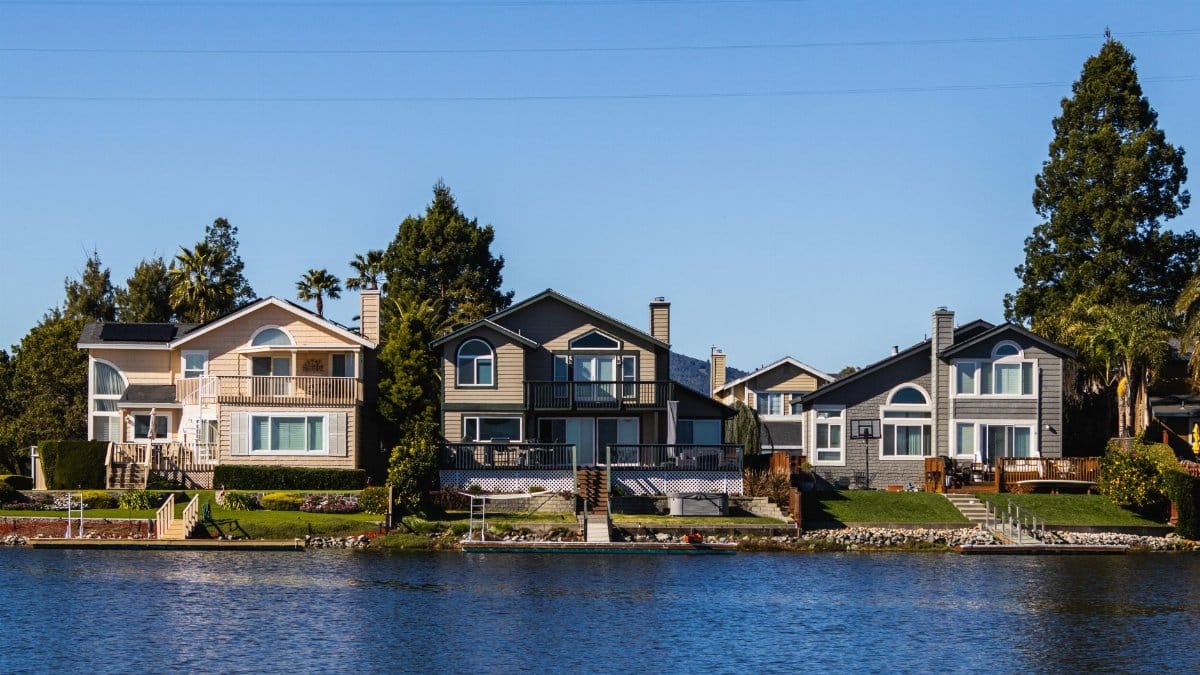
As affordability challenges persist the popularity of fractional models shows signs of continued growth. Developers are responding with purpose built properties designed for multiple stakeholders. This evolution reflects broader shifts in how Americans approach leisure and asset building in desirable locations.