
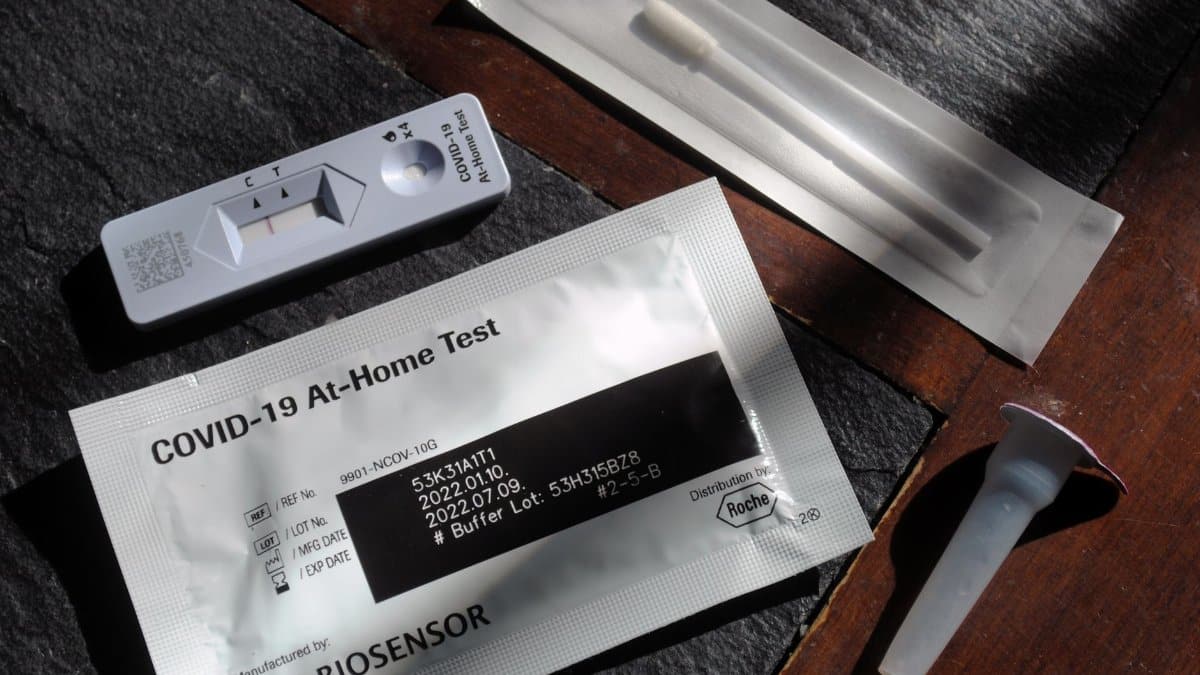
On a wet Tuesday in San Francisco, a nurse practitioner watched a patient pull a faded box from a tote bag and ask whether the result still meant anything. The line was faint. The symptoms were not. Across clinics from Oakland to San Jose, that question has returned with the latest winter wave. Doctors say COVID home tests Bay Area residents already own can still shape treatment, isolation, and the choice to protect an older relative. The kits are imperfect. They are also, in 2026, one of the few tools a person can use before a prescription window closes.
Why a swab still changes the visit
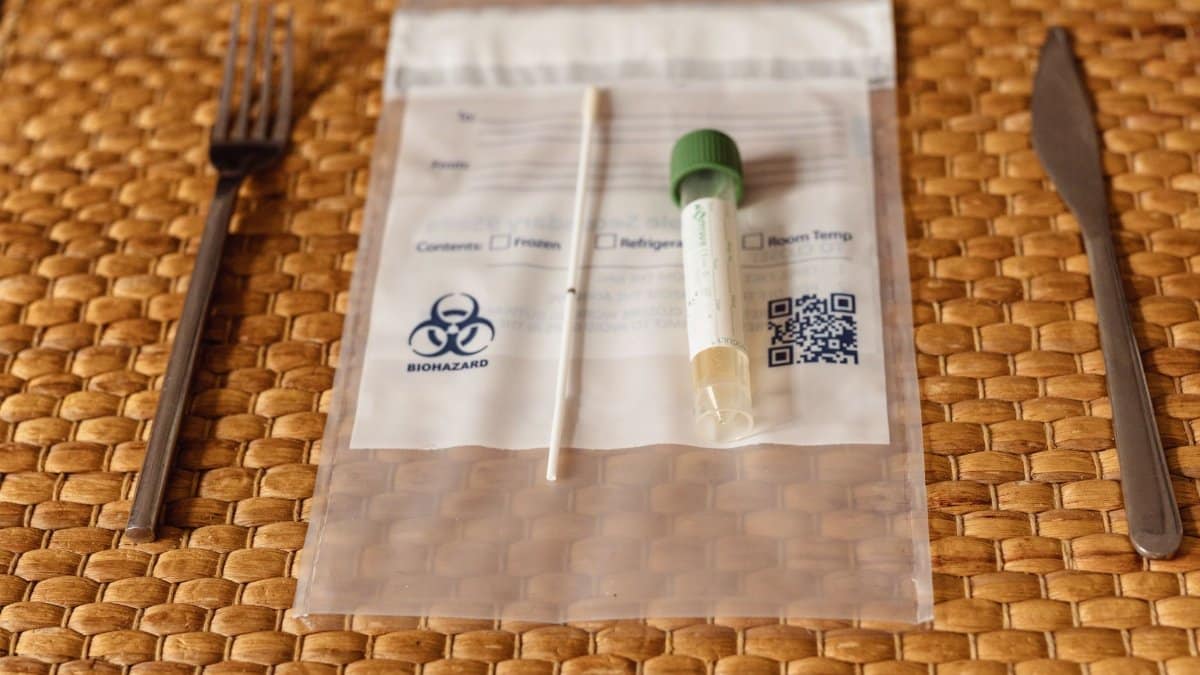
Primary care offices and urgent care clinics never stopped seeing coughs, fevers, and the peculiar exhaustion that patients describe as a heavy coat they cannot shrug off. What changed is the setting around those symptoms. Many people no longer assume a respiratory illness is COVID. Flu, RSV, and ordinary colds crowd the same weeks. A home result, even a rough one, gives a clinician a starting point before the appointment begins.
Clinicians affiliated with major Bay Area medical centers, including physicians connected to UCSF and quoted in San Francisco Chronicle reporting, have argued that an unexpired kit still helps people decide on treatment and precautions. The point is not nostalgia for the early pandemic. It is practical sorting. A positive result can move a patient toward antiviral discussion the same day. A negative result can push the conversation toward flu testing, bacterial infection, or simple rest, without pretending the first swab settled every question.
Doctors also use the result as a prompt for history. When did the fever start. Who lives in the house. Is there a newborn, a transplant recipient, or a parent in chemotherapy down the hall. Those details matter more than a brand name on a cardboard box.
What a positive line can unlock
A clear positive line does not diagnose severity. It does identify a virus that still sends some people to the hospital, especially older adults and people with weakened immunity. For those groups, timing is the quiet emergency. Antiviral pills work best when started early, often within a few days of symptom onset. Waiting for a laboratory appointment can burn that time.
Emergency physicians say the home result is not a substitute for an exam when breathing is hard, chest pain appears, or confusion sets in. It is a bridge. Patients who photograph the cassette, note the time, and call a clinic can sometimes complete a video visit before the day ends. Pharmacies in San Francisco, Oakland, and the Peninsula still fill COVID prescriptions when a clinician documents the illness, though supply and staffing vary by neighborhood.
A positive result also changes ordinary behavior in a way that advice alone rarely does. People who felt guilty about canceling dinner become willing to stay home. Coworkers stop debating whether a scratchy throat is allergies. The line on the strip is crude, but it is visible, and visibility still moves households.
Why one negative result is not the whole story
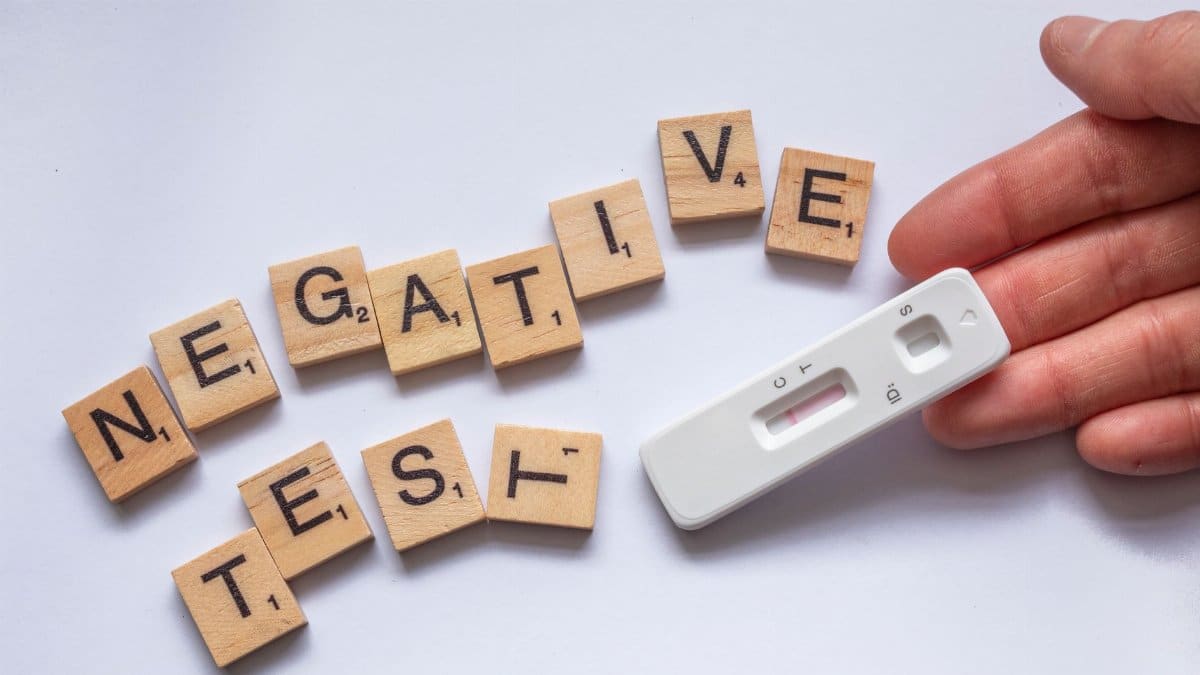
Antigen tests look for protein from the virus, not the virus itself in the way a laboratory PCR assay does. They are most reliable when virus levels are high, which is often later than the first sneeze. The Centers for Disease Control and Prevention advises people with symptoms to test, and to test again if an antigen result is negative, because a single early swab can miss an infection. That guidance is posted at cdc.gov/covid/testing.
Bay Area clinicians repeat a version of the same caution in exam rooms. A negative test on Monday morning does not erase a fever that began Sunday night. If symptoms continue, a second test in one or two days is more informative than a debate about whether the first cassette was defective. Swabbing both nostrils as the instructions describe, waiting the full number of minutes, and reading the window before it expires all matter. A faint line that appears inside the reading time is generally treated as positive. A line that appears long after the window is not a reliable signal.
Laboratory PCR testing remains useful when the stakes are high and the home result does not match the illness. Hospitals and some community clinics can still run those assays. The delay is the cost. For a healthy adult with mild symptoms, repeating a home test may be enough. For someone who might need treatment, the better move is a clinician, not another night of guessing.
Where kits remain on local shelves

The corner pharmacy no longer stacks tests beside the register the way it did in 2022. That absence fools people into thinking the product vanished. It did not. Chains and independent drugstores from Richmond to Palo Alto still sell multipacks, often behind the counter or in the cold and flu aisle. Grocery pharmacies do the same. Stock rises and falls with each local wave, so a store that is empty on Friday may restock by Monday.
Public distribution is thinner than it was when federal programs mailed boxes to every household. County health departments sometimes revive free pickup during surges, especially for people without insurance, but those tables are not permanent. Community clinics, senior centers, and some libraries have served as pickup points in past winters. Calling ahead saves a trip across a bridge.
For readers searching COVID home tests Bay Area pharmacies, the practical advice from clinicians is boring and effective. Buy a small supply before you are sick, check the printed date, and store the box at room temperature away from a steamy bathroom. A test hunted down at midnight, after the fever starts, is better than nothing. A test already in the drawer is better than that.
Price, insurance, and the date on the box
Cost is the reason many boxes stay on the shelf. Pharmacies set their own prices, and a two test pack can feel extravagant for a family that may need several swabs in one week. Some insurance plans still reimburse part of the cost when a clinician orders testing, but the paperwork is uneven, and many patients pay from their own pocket. Medicaid and certain clinic programs can remove that barrier. Asking the pharmacist, rather than assuming the answer, is worth the minute at the counter.
Expiration dates cause a second kind of waste. People throw out kits that might still be usable, or they trust kits that should have been discarded. The Food and Drug Administration has, at times, extended the shelf life of specific lots after additional stability data arrived. Those extensions are product specific. A blanket assumption that every old box is fine is not supported. If the date has passed, check the manufacturer and the FDA listing before you rely on the result for a treatment decision.
Storage mistakes ruin tests more often than buyers realize. A box left in a hot car, or in a cupboard above a stove, can fail quietly. The control line is there for a reason. If it does not appear, the test did not run, and the absence of a second line means nothing.
The treatment clock does not pause
Infectious disease doctors describe a narrow practical window, not a moral test of whether someone deserves medication. For many antivirals used against COVID, benefit drops as days pass. That is why a home result on the first or second day of symptoms can matter more than a perfect result on day six. People at higher risk, including older adults and those with chronic illness, should not wait to see if the cough becomes impressive.
Telehealth has made that first call easier in the Bay Area, where traffic can turn a short clinic visit into an afternoon. A patient can report the test brand, the time of the reading, the symptom start, and current medicines. Drug interactions are a real issue with some antivirals, especially for people who take common heart or cholesterol medicines. A photograph of the medication list saves more trouble than a second opinion from a group chat.
Not everyone needs a pill. Many healthy adults improve with rest, fluids, and fever control. The test still earns its keep by telling them what they might pass to someone else. Treatment is one decision. Exposure is another. Confusing the two leads people to skip testing because they do not want medication, then attend a gathering anyway.
Homes, offices, and crowded rooms
Household spread remains the story clinicians hear most often. One teenager brings a virus home from a game. A parent tests negative on the first night and positive two days later. A grandparent who came for the weekend leaves with a fever. In small apartments common across San Francisco and Oakland, separate rooms are a luxury. Opening windows, using a good mask in shared space, and keeping the sick person out of the kitchen during meal prep are modest steps that still reduce dose.
Workplaces have largely abandoned formal rules. That does not make a positive test meaningless at the office. Managers who once required a laboratory report now often accept a home result as reason to stay away. The social pressure runs the other way, toward showing up. Doctors who treat teachers, nurses, and restaurant workers say the test gives those employees a concrete reason to claim a sick day. Whether the employer honors it is a labor question, not a medical one, but the result still anchors the request.
Gatherings are where COVID home tests Bay Area families argue about most. A negative swab on the morning of a wedding is not a permission slip if the person already feels ill. It is one data point. Hosts who keep a few kits on hand, and who say in advance that a positive guest should stay home, remove some of the shame. Shame is what sends contagious people onto crowded trains.
What case counts hide
Official dashboards no longer capture most infections. Many people never seek care. Wastewater surveillance in several Bay Area counties still offers a regional hint that the virus is rising or falling, but it cannot tell a parent whether this cough is COVID. Home testing filled that gap imperfectly, and then many households stopped replacing used kits. The result is a quieter wave that feels personal rather than public. Each family discovers it at the kitchen table.
That privacy has a cost for medicine. When infections go uncounted, hospitals still see the severe end, but clinics lose a sense of how much mild illness is circulating. Doctors say they hear the surge in appointment notes before they see it in a chart of county numbers. Patients mention that half a classroom is out, or that a choir rehearsal emptied after one rehearsal. Those anecdotes are not a substitute for surveillance. They are a reason not to treat a flat case curve as proof that home testing is obsolete.
Researchers continue to study how well antigen tests perform against newer viral branches. Performance can shift. No single news story should be read as a permanent grade for every brand. The stable advice, repeated by public health agencies, is to follow the instructions in the box, repeat a negative test when symptoms persist, and seek care when risk is high or breathing worsens.
A plain routine clinicians recommend
Ask three Bay Area doctors how to use a home kit in 2026 and the answers converge. Test when symptoms start, not after they have dragged on for a week. If the first antigen result is negative and you still feel sick, test again in 48 hours. If you are at higher risk, call a clinician after the first positive, or even while you wait to test again, so treatment is not lost to delay. If someone in the home is medically fragile, treat a positive result in any housemate as a reason for masks and separate space, even if the fragile person feels well.
Read the insert. Brands differ on the number of drops, the minutes of waiting, and whether a nasal swab alone is enough. Do not borrow liquid from an old kit to finish a new one. Do not use a test that failed to show a control line. Record the date. A later doctor visit goes faster when the patient can say, I tested positive on Tuesday evening, symptoms began Monday, and these are my medicines.
Keep expectations modest. Home tests are screening tools for a moment in an illness, not certificates of safety for the next ten days. A negative result after exposure, taken too early, can miss a virus that shows up Thursday. People who must visit a high risk relative can add a laboratory test, a mask, and a shorter visit. Layering is dull. It is also how cautious families have kept funerals and holidays from becoming outbreaks.
The argument for keeping a box in the drawer

There is a temptation to treat COVID as a closed chapter because the emergency declarations ended and the nightly briefings stopped. Biology did not follow the political calendar. The virus still moves through winter crowds, still finds people whose last vaccine dose was long ago, and still rewards early information. A cardboard box in a hallway closet is a small answer to a recurring problem.
Doctors are not asking the public to revive fear. They are asking for a habit that costs less than an emergency visit and sometimes prevents one. Replace expired kits when you replace the batteries in the smoke alarm. Learn where the nearest clinic can confirm a confusing result. Tell older relatives that a faint line is a reason to call, not a reason to wait until Friday.
For anyone still wondering whether COVID home tests Bay Area households kept from earlier years are worth the cupboard space, the clinical answer in this surge is yes, with conditions. The date should be valid. The control line should appear. A negative should be repeated if illness continues. A positive should trigger a real conversation about treatment and about who else sleeps under the same roof. The test will not run the household. Used on time, it still tells the household what it is dealing with.