

In a crowded church basement in Richmond, more than 150 people sat shoulder to shoulder on metal folding chairs. They had come not for prayer but for protest. The appointment of a new interim county judge had passed with little public notice, and the decision now threatened to fracture trust in local leadership. Many in the room saw the move as a breach of something deeper than procedure. They spoke of fairness, stewardship, and the quiet erosion of community voice. At the center of their concern stood the selection of the Fort Bend judge, chosen without the open forums or stakeholder meetings residents had come to expect.
A Surprise Appointment Sparks Backlash

News of the appointment broke quietly through county channels last month. Commissioners selected Daniel Wong to serve as interim county judge following the abrupt departure of the previous officeholder. Wong, a longtime attorney with experience in civil litigation, had not been widely discussed as a candidate. Within days, petitions began circulating. Residents complained the process excluded neighborhood associations, business leaders, and civic groups that normally participate in such transitions. The speed of the decision left many wondering whether personal connections had outweighed public consideration.
At community meetings, speakers described feeling blindsided. One after another they approached the microphone to say the same thing. They wanted to believe their local government operated with openness. The current situation suggested otherwise. Organizers collected more than 2,000 signatures in less than two weeks, demanding a formal review of the appointment procedure.
Faith Leaders Speak Out Against The Process
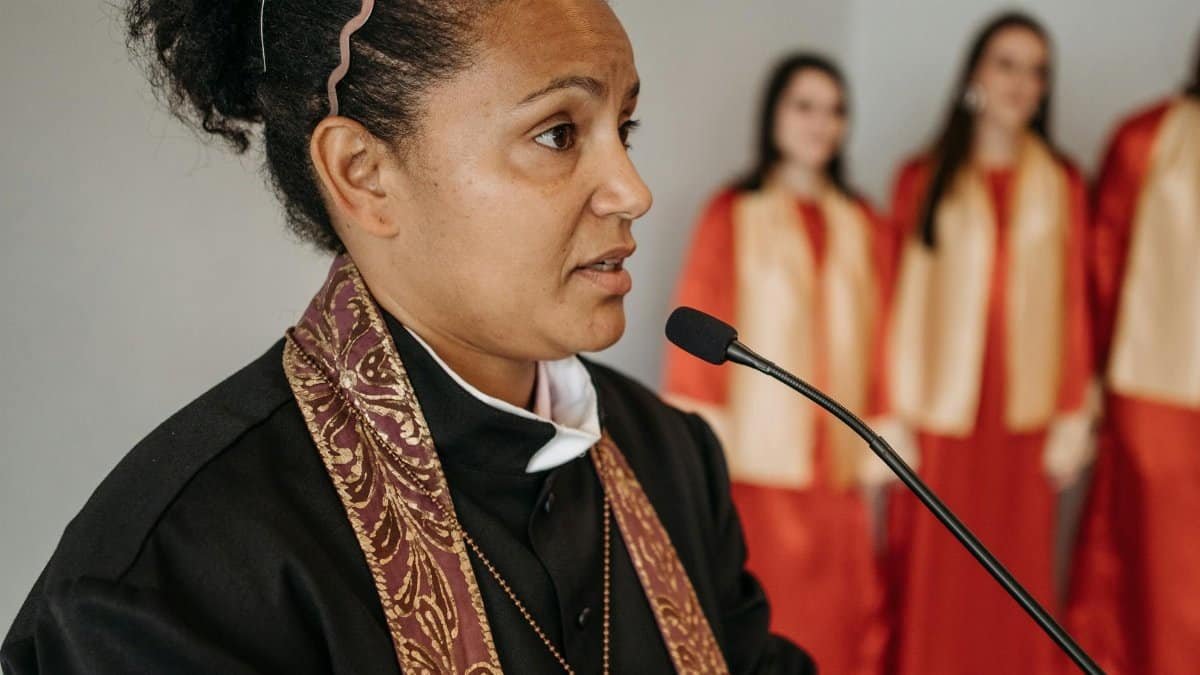
Pastors from several denominations have taken prominent roles in the opposition. Reverend Marcus Hall of New Hope Baptist Church told his congregation that transparent governance is a spiritual obligation. He drew from biblical passages about justice and accountability to frame the current controversy. Other faith leaders followed suit. A coalition of Muslim, Catholic, and Protestant clergy issued a joint statement calling for the county to reopen the selection process.
These religious voices have shifted the tone of the debate. What began as a political disagreement now carries moral weight. Many middle aged residents who attend services regularly say they feel the appointment reflects a troubling trend. Public institutions, they argue, should model the same integrity expected in private spiritual life. The involvement of churches has drawn new participants who do not usually follow county politics but see this issue as a matter of conscience.
The Role Of Spiritual Values In Local Politics

Fort Bend County has long been known for its diverse religious landscape. Megachurches stand near temples and mosques in many neighborhoods. This spiritual richness once fostered broad civic participation. Recent years have seen declining trust in institutions, a trend that mirrors national patterns. The current dispute over the interim county judge appears to have reignited interest in applying spiritual principles to public service.
Community elders speak often about stewardship. They believe elected and appointed officials hold power in trust for the people. When that trust seems compromised, the reaction is visceral. Several discussion groups have formed inside houses of worship to explore how residents can encourage ethical leadership without crossing into partisanship. These gatherings reflect a broader spiritual trend in which faith communities reclaim their place in shaping local culture and expectations.
Who Is Daniel Wong

Daniel Wong moved to the Houston area more than twenty years ago. He built a respected law practice focused on real estate and family matters. Supporters point to his calm demeanor and professional record. They believe he possesses the temperament needed to preside over county court matters during the transition period.
Critics counter that his qualifications, while solid, do not excuse the manner of his selection. They note that Wong has contributed to several commissioners campaigns over the years. While no evidence of impropriety has surfaced, the pattern of donations has fueled speculation about insider influence. Wong has remained largely silent since the appointment, issuing only a brief statement expressing gratitude for the opportunity to serve.
Historical Precedents In County Leadership Changes

County historians recall earlier transitions that followed more open paths. In the late 1990s, a special commission solicited applications and held public hearings before recommending a replacement judge. That process, though slower, produced broad acceptance. The contrast with todays events feels stark to longtime residents.
Many recall the 2010s as a period when Fort Bend County expanded rapidly. Newcomers and established families alike participated in town halls and candidate forums. The current controversy has prompted older residents to share stories of those earlier days. They worry that growth has brought efficiency at the expense of connection. The appointment of the Fort Bend judge now serves as a flashpoint for larger anxieties about how a changing county maintains its sense of shared purpose.
Residents Organize To Make Their Voices Heard
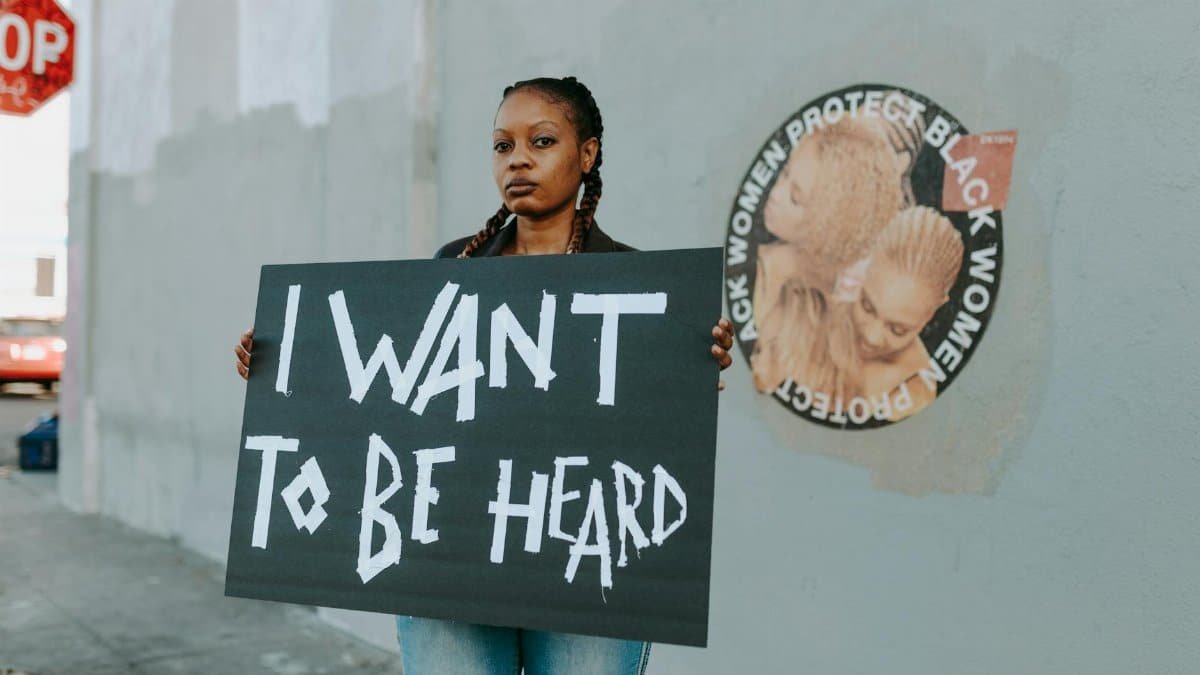
Opposition groups have moved quickly from complaint to action. They have scheduled regular meetings at neutral venues including libraries and community centers. Attendance has remained high. Participants range from retirees to working parents who rearrange schedules to attend. The energy recalls the early days of grassroots movements that once reshaped school board policies in the county.
Organizers emphasize they are not targeting any individual. Their goal centers on reforming the appointment process itself. They propose new guidelines that would require public notice, application periods, and community interviews before any interim appointment. Several county employees have quietly expressed support for these ideas while noting the challenges of implementing them within existing legal frameworks.
Concerns Over Potential Conflicts Of Interest

Questions about possible conflicts have surfaced repeatedly. Some residents point to development projects that could come before the county court during the interim period. They ask whether an appointee with ties to certain donors might face difficult choices. County ethics rules exist but many believe enforcement remains inconsistent.
Legal observers suggest the real issue may be perception rather than proven misconduct. In small government circles, relationships often overlap. The challenge lies in creating enough distance to preserve public confidence. Faith communities have been particularly vocal on this point, arguing that even the appearance of favoritism damages the moral authority of local institutions.
Legal Experts Analyze The Appointment Process

Constitutional scholars from nearby universities have offered commentary on the mechanics of interim appointments. Most agree that commissioners possessed the legal authority to choose Wong. The Texas Local Government Code grants counties considerable latitude in filling vacancies. Yet legal compliance and political wisdom are not always identical.
One professor noted that while the appointment may survive any court challenge, its legitimacy in the eyes of residents has already suffered. She pointed to similar situations in other Texas counties where rushed decisions led to prolonged civic distrust. The Fort Bend case, she suggested, offers an opportunity to establish clearer norms that could influence future transitions across the region.
Building Bridges Between Officials And Citizens

Some commissioners have begun responding to the outcry. Two members agreed to attend a town hall scheduled for next month. Their willingness to engage has been welcomed even by sharp critics. The conversation, many hope, will move beyond recrimination toward practical reforms.
Spiritual leaders have offered to facilitate portions of these meetings. Their presence, they believe, can encourage respectful dialogue rooted in shared values rather than political division. This approach reflects a maturing trend in which faith communities act as mediators in civic disputes, drawing on long traditions of reconciliation and moral discernment.
What The Future Holds For Fort Bend Governance

The coming weeks will prove decisive. If county leaders dismiss the concerns, opposition could harden and spread to other issues. If they respond with meaningful reforms, the controversy might become a catalyst for stronger democratic practices. Residents appear determined to remain engaged regardless of the immediate outcome.
Many in the faith community see this moment as a test of collective character. They speak of legacy and the kind of county they wish to leave for their children and grandchildren. The debate over the Fort Bend judge has therefore transcended any single personnel decision. It has become a conversation about the spirit of self government itself.
Observers from neighboring counties watch closely. Fort Bend has often served as a bellwether for suburban Texas. How its residents and leaders navigate this controversy may offer lessons for other rapidly growing communities wrestling with similar questions of transparency, trust, and moral leadership.