
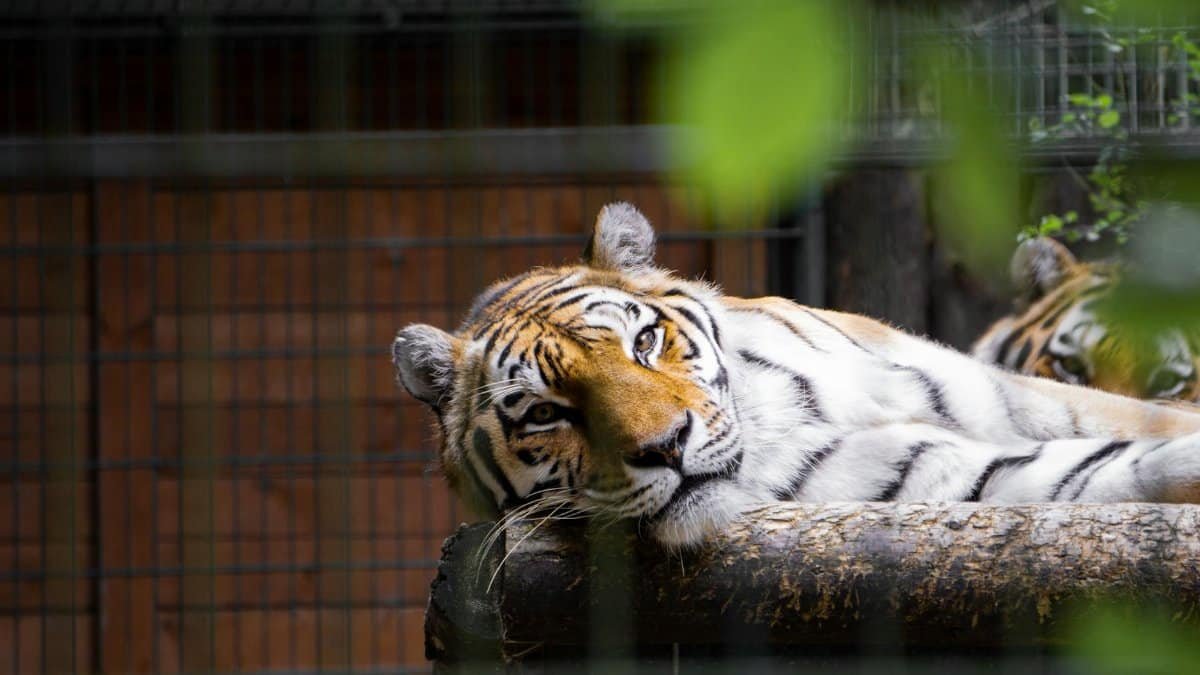
Nestled in the heart of Texas, the Houston Zoo has long offered city dwellers a portal to the wild. As autumn approaches, anticipation builds around a significant transformation that promises to reshape how visitors encounter some of the planet’s most majestic creatures. The Houston Zoo habitat is preparing for its public debut following a multi million dollar expansion focused on the rhino and zebra areas. New shade structures designed with both animal comfort and visual harmony in mind will allow these species to thrive while giving observers space for quiet contemplation. What emerges is more than an exhibit. It becomes an invitation to consider our place within the living world and the responsibility we carry toward its inhabitants.
The Spiritual Call of Wildlife Preservation
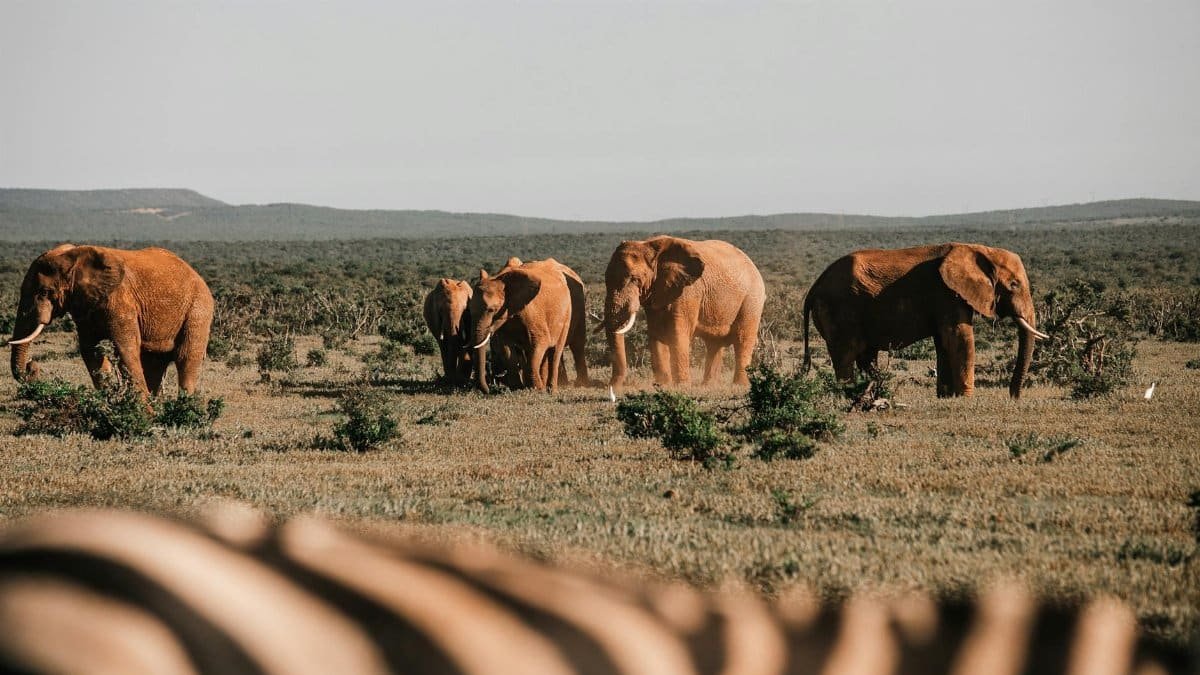
Throughout history humans have found spiritual nourishment in the presence of animals. Ancient traditions across cultures viewed creatures as teachers and mirrors reflecting aspects of the divine. The careful attention paid to the Houston Zoo habitat echoes this timeless impulse. Rather than treating animals as mere displays, the renovation seeks to create environments where natural behaviors can unfold with greater freedom. This approach aligns with a growing movement that sees conservation as a form of sacred work.
Researchers at the University of California have documented how time spent observing wildlife correlates with increased feelings of connectedness and purpose. Their findings suggest these experiences may reduce anxiety while expanding empathy not only for animals but for fellow humans as well. When we invest in better habitats we participate in a cycle of care that nourishes both the creatures we watch and the spirits of those who watch them.
Designing Spaces That Honor Animal Dignity

The new shade structures represent more than practical shelter from the Texas sun. Their placement and materials were chosen to blend into the landscape while providing meaningful choices for the animals. Rhinos will have multiple areas to retreat or socialize according to their moods. Zebras gain expanded sightlines that allow them to maintain the herd awareness so essential to their species.
Zoo director Deborah McGinnis described the planning process as deeply collaborative involving animal behaviorists landscape architects and community representatives. The goal she explained was to craft a setting where both residents and visitors could feel at peace. This attention to emotional atmosphere distinguishes the project from earlier generations of zoo design that prioritized visibility above all else.
Finding Stillness Amid Urban Life
In a metropolitan region of more than seven million people the zoo serves as an essential refuge. The updated habitat arrives at a moment when many middle aged Americans report feeling disconnected from both nature and their inner lives. Standing before the rhinos as they move through their expanded territory offers a rare opportunity to practice presence. The animals exist completely within the moment teaching patience to those who pause long enough to truly see them.
Local resident Michael Torres visits the zoo weekly describing the experience as a form of moving meditation. The new spaces he believes will deepen that possibility by reducing the sense that animals are performing for crowds. Instead visitors become witnesses to authentic life unfolding at its own pace. This shift from entertainment to observation carries spiritual weight many are eager to embrace.
The Intersection of Science and Reverence

Modern zoo practice increasingly blends rigorous research with an almost devotional attention to individual animal needs. The Houston Zoo habitat project incorporates data on everything from wind patterns to social dynamics collected over years of careful study. Yet behind the science lies a simpler truth. When we create conditions that allow animals to express their full range of behaviors we honor something essential about existence itself.
A report from the World Association of Zoos and Aquariums notes that facilities investing in habitat complexity see marked improvements in animal welfare indicators. The link provided here offers detailed methodology for those interested in the evidence behind these approaches. What the numbers fail to capture however is the almost palpable sense of relief visible when animals interact with thoughtfully designed spaces.
World Association of Zoos and Aquariums Research Summary
Community Stories and Personal Transformation
The expansion has already sparked countless conversations across Houston. Church groups have incorporated visits into their stewardship programs. Schools are developing curriculum that connects the habitat improvements to lessons about compassion and responsibility. Even casual visitors report unexpected moments of insight while watching the zebras graze in their reimagined surroundings.
One woman who asked to remain anonymous shared how observing the rhinos wallowing in a newly designed mud area helped her process grief following her mothers death. The animals complete absorption in their sensory world reminded her that life continues with simple powerful rhythms even amid loss. Stories like these reveal how the physical habitat supports an invisible landscape of human emotion and spiritual growth.
Overcoming Challenges in Habitat Creation
Creating environments that satisfy both animal needs and visitor expectations requires constant balancing. The design team faced constraints of space budget and the realities of Houston weather. What resulted demonstrates that creative problem solving can produce outcomes greater than any single element might suggest.
By using native plants and natural contours the new area feels less like an addition and more like an emergence. The shade structures themselves employ materials that age gracefully developing patina that blends with the environment over time. These choices reflect a mature understanding that the best habitats evolve alongside their inhabitants rather than remaining static monuments to human ingenuity.
Educational Opportunities Rooted in Wonder
Beyond the immediate delight of seeing animals in improved conditions lies substantial educational potential. The renovated space includes subtle interpretive elements that encourage visitors to ask deeper questions about their relationship with the natural order. Rather than presenting facts in isolation these features invite personal reflection on how daily choices affect distant ecosystems.
Children who grow up visiting such thoughtfully designed habitats often develop lasting environmental ethics. Their parents meanwhile frequently rediscover a sense of awe they had set aside during busy decades of career and family obligations. The Houston Zoo habitat therefore functions across generations serving as both classroom and sanctuary.
Looking Forward With Hope and Humility

As the unveiling draws near zoo staff express measured excitement. They recognize that no single project can reverse larger trends of habitat loss and species decline. Yet they also understand the power of tangible examples to inspire broader change. Each visitor who leaves with a renewed sense of connection becomes part of a growing community committed to protecting the wild places that remain.
The spiritual dimension of this work may prove its most enduring legacy. In caring for rhinos and zebras with such attention to detail the Houston Zoo reminds us that compassion is not abstract. It takes form in concrete actions that improve lives both animal and human. The shade structures will eventually weather and the animals will continue their ancient patterns of rest and movement. Through it all the habitat stands as quiet testimony to what becomes possible when reverence guides our hands.
The coming months will reveal how successfully these intentions translate into daily experience for thousands of visitors. Early indications suggest the investment will yield returns measured not only in attendance figures but in the quality of attention people bring to their encounters with wildlife. In a fractured world such spaces offer ground for healing and perspective.
Those planning to visit when the habitat opens would do well to arrive with open hearts. Allow yourself time to simply be present. The rhinos may teach you something about strength. The zebras might reveal the grace found in community. Together they create an environment where the line between observer and participant gently dissolves leaving only the shared miracle of being alive on this remarkable planet.