
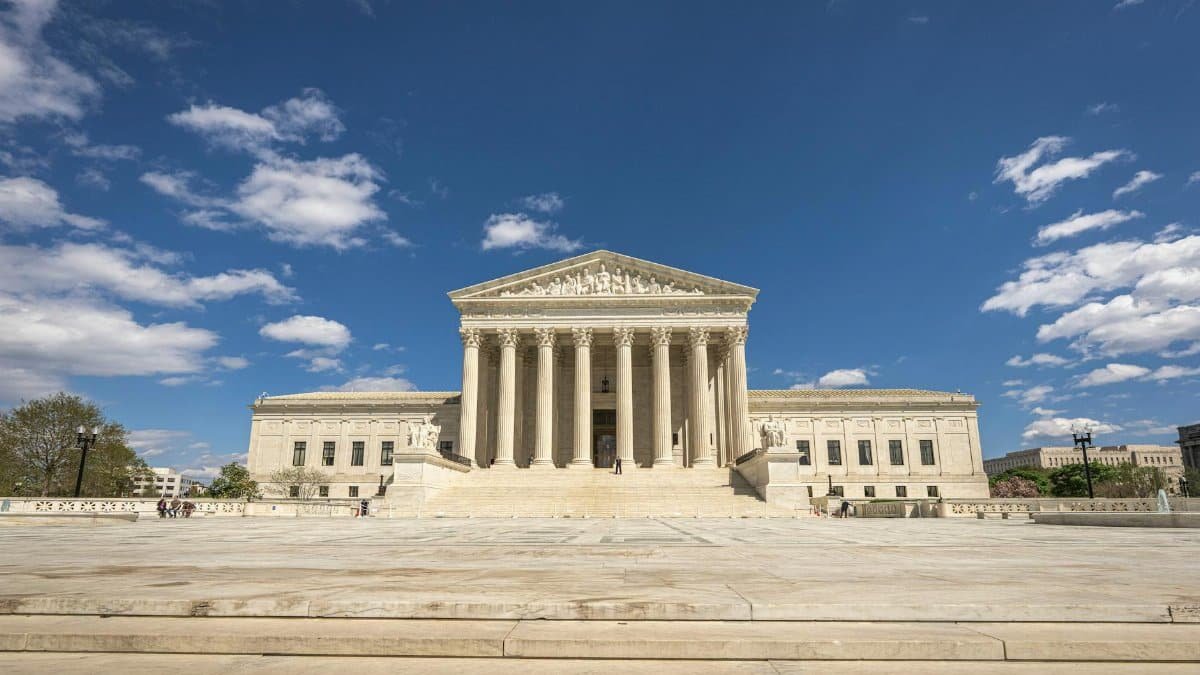
**Dozens rally in North Miami for Haiti TPS extension ahead of Supreme Court hearing**
Hundreds of demonstrators filled a North Miami plaza under the midday sun waving handmade signs and singing hymns of resilience. Pastors in bright sashes stood shoulder to shoulder with nurses, teachers and restaurant workers many of them longtime Florida residents whose legal status now hangs on a single court decision. Their unified demand centered on securing the Haiti TPS extension that has allowed more than 100000 Haitians to live and work openly in the United States. As the Supreme Court prepares to hear arguments that could reshape the program the gathering felt less like a conventional protest and more like a community prayer meeting determined to be heard.
Faith Leaders Anchor the Movement
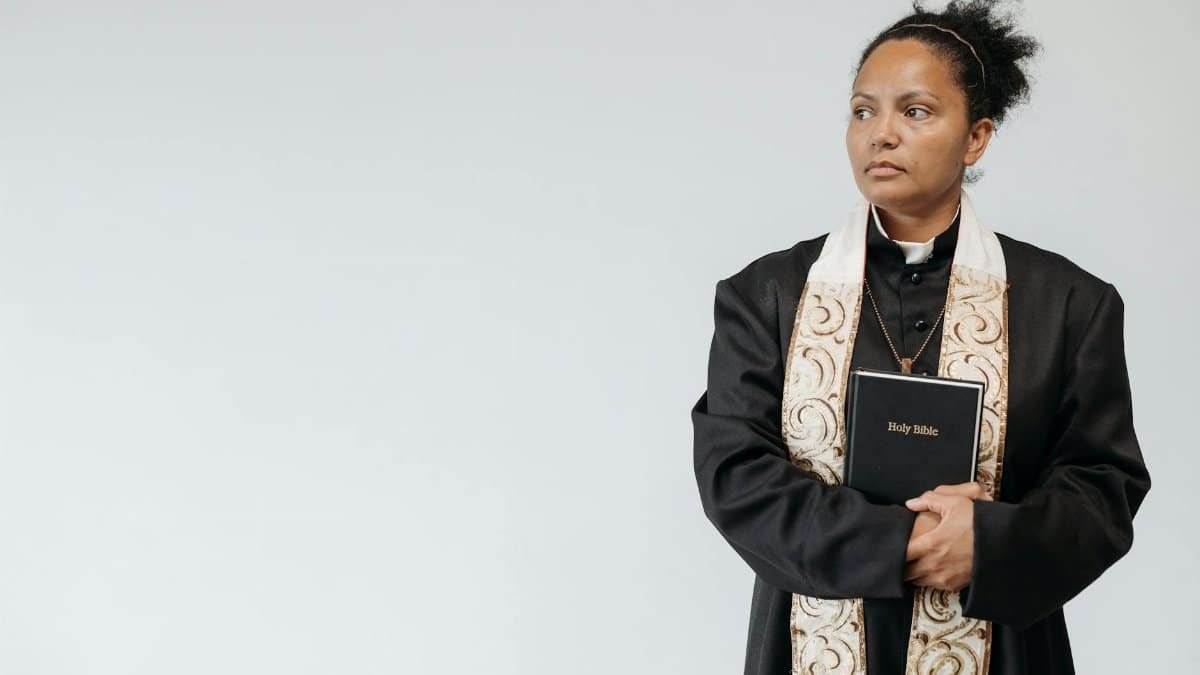
Clergy from evangelical Protestant churches and Catholic parishes organized the rally turning parking lots into open air sanctuaries before the march began. Reverend Marie Paul of Emmanuel Haitian Baptist Church reminded the crowd that scripture repeatedly commands care for the foreigner. Several pastors described the Haiti TPS extension not merely as policy but as recognition of shared humanity. Their presence signaled a continuing evolution in how South Florida faith communities engage immigration issues blending spiritual conviction with practical advocacy. Many participants said they came because their priests or pastors had framed the upcoming court case as a test of national morality.
What Temporary Protected Status Actually Provides

Temporary Protected Status allows nationals of designated countries to remain in the United States when conditions at home make return unsafe. Beneficiaries receive work permits and protection from deportation though the status must be renewed periodically. For Haitians the designation has been in place almost continuously since the 2010 earthquake with subsequent renewals justified by political instability gang violence and natural disasters. The Haiti TPS extension currently under discussion would maintain that protection through at least 2025 giving recipients and their employers much needed certainty.
Haitian Community Roots in South Florida
North Miami and surrounding cities have become the cultural and economic center of Haitian America. Entire neighborhoods speak Creole as readily as English. Local businesses from bakeries to construction firms depend on TPS holders who contribute taxes and spend wages locally. Advocates point out that many families have American born children who know no other home. Losing protected status would not only disrupt these households but also send ripples through the broader economy of Miami Dade and Broward counties where Haitian immigrants have built stable lives over more than a decade.
The Supreme Court Case and Its Stakes
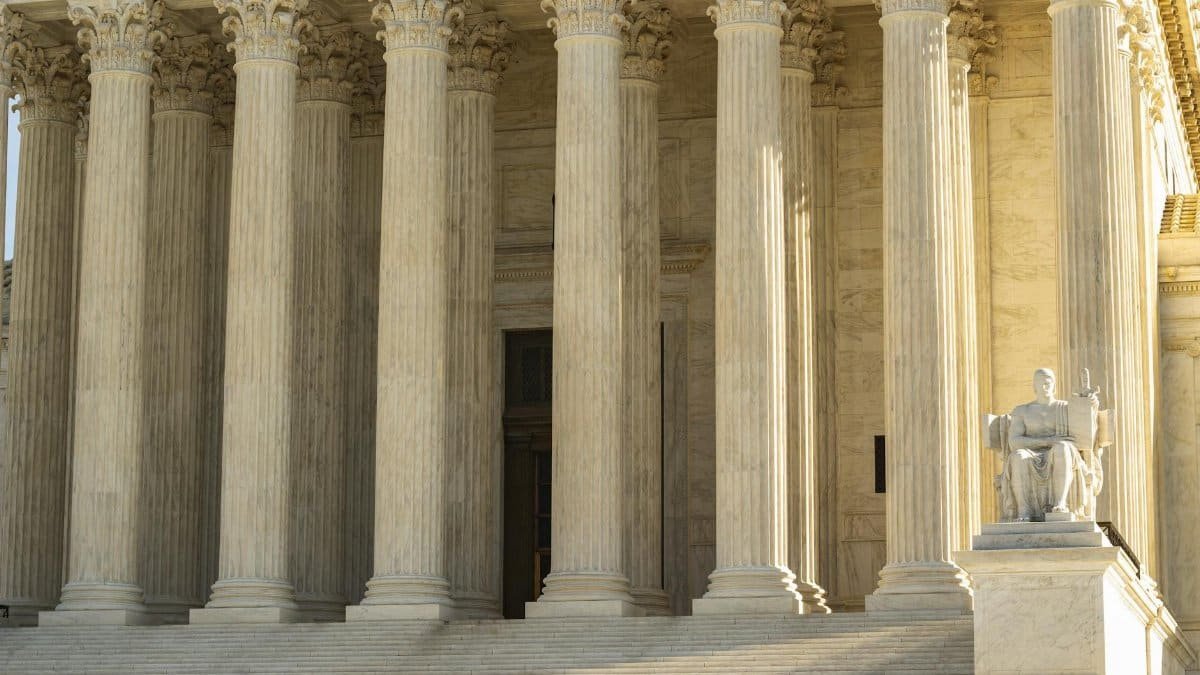
At issue before the justices is whether the executive branch properly extended protections or overstepped statutory bounds. Legal observers say the ruling could affect not only Haitian beneficiaries but the future shape of Temporary Protected Status for people from other troubled nations. Lawyers for the government argue that chaotic conditions in Haiti meet the legal threshold for protection. Opposing parties claim the renewals have gone on too long and should end. The decision expected later this year carries consequences far beyond courtrooms because it will influence how both current and future administrations handle similar humanitarian programs.
Personal Stories Behind the Signs
Jean Robert arrived in 2011 after the earthquake destroyed his family home in Port au Prince. Today he manages a fleet of delivery vans and supports three children all born in Florida. He told rally attendees that without the Haiti TPS extension his family would face an impossible choice between poverty and danger in Haiti or living in the shadows here. Similar accounts multiplied across the crowd. A nurse named Mirta described treating patients in local hospitals while fearing her work permit might vanish. These testimonies illustrated how abstract legal arguments translate into concrete human realities for thousands of Florida households.
Economic Contributions Often Overlooked

Studies show TPS recipients have higher workforce participation rates than the general immigrant population. In Florida many hold essential jobs in health care hospitality and construction. They file tax returns and rarely access public benefits. Community leaders argue that ending protections abruptly would create labor shortages in sectors still recovering from the pandemic. One nonprofit report suggests that losing this group could cost the South Florida economy tens of millions in annual wages and spending. The rally therefore highlighted both moral and practical reasons for maintaining the status quo until Congress can address the immigration system more comprehensively.
Conditions in Haiti Remain Dire
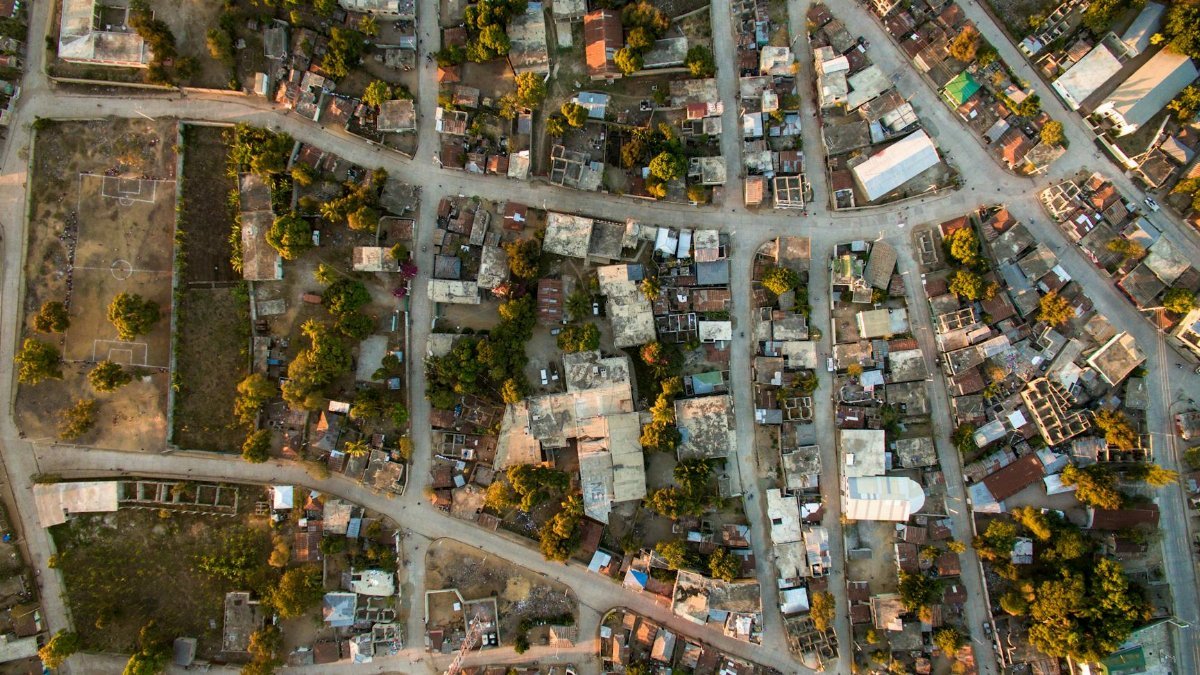
Gang violence controls large portions of the capital and essential services have collapsed in many districts. International observers document widespread displacement kidnappings and food insecurity. Humanitarian organizations continue to warn that Haiti cannot safely absorb large scale returns. These realities formed the backdrop for every speech at the North Miami gathering. Speakers emphasized that the Haiti TPS extension represents a modest acknowledgment of facts on the ground rather than any radical departure from established policy.
Political Crosscurrents in Florida
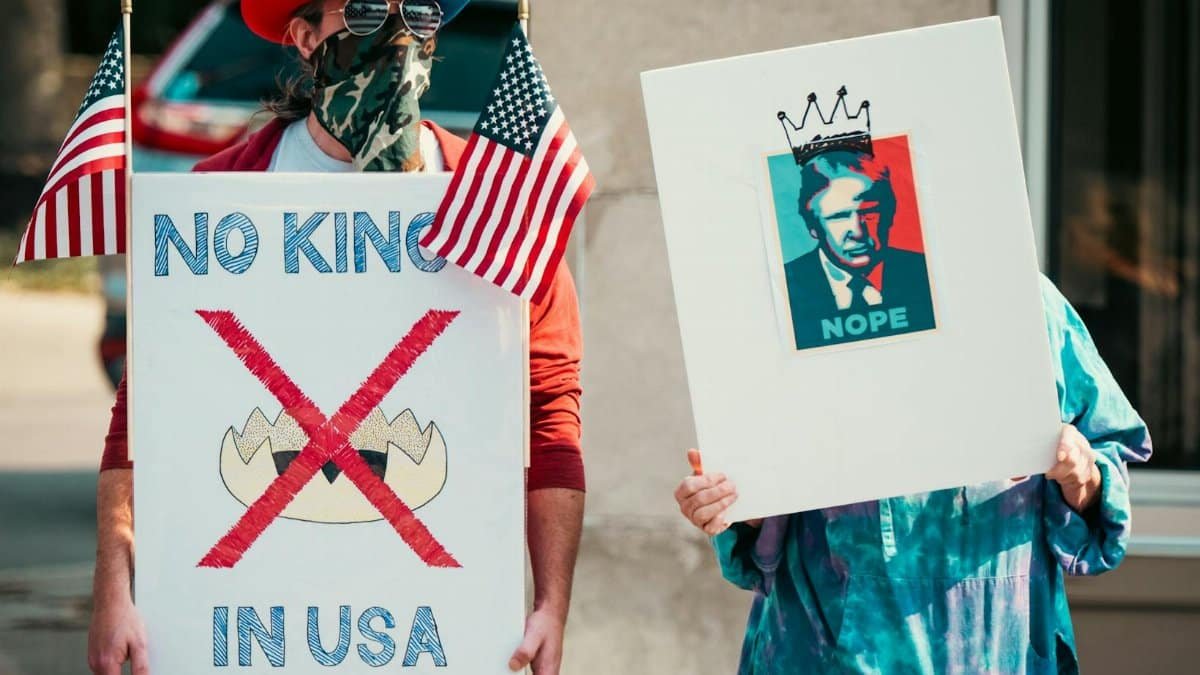
Immigration remains a divisive topic in state politics yet local elected officials from both parties have sometimes supported TPS for Haitians recognizing the communitys growing electoral strength. Miami Dade Mayor Daniella Levine Cava has voiced support for protected status while some congressional representatives remain cautious. The rally occurred against this complex landscape with organizers hoping visible community mobilization might influence both the court and lawmakers considering broader reform legislation.
Spiritual Dimensions of Advocacy
This moment fits within a larger pattern of faith based organizing that has shaped American social movements for generations. Churches in the Haitian community function as civic hubs where spiritual formation and political education happen simultaneously. Sermons on Sunday often reference the biblical exodus or the Good Samaritan when discussing immigration. The North Miami rally continued that tradition merging prayer vigils with policy demands. Participants described feeling called to act not only as citizens but as people of faith who see dignity as a divine imperative rather than a political talking point.
Uncertainty and Resilience
Many TPS holders live with perpetual anxiety about expiration dates and court rulings. Yet the community has shown remarkable adaptability opening businesses founding civic organizations and maintaining strong transnational ties. The rally served as both plea and declaration of presence. Organizers stressed that even if the Supreme Court rules against the current extension the fight for humane immigration policy would continue through other avenues including potential congressional action and renewed administrative relief.
Looking Beyond the Courtroom
While all eyes turn toward the Supreme Court participants repeatedly noted that judges alone cannot solve the deeper challenges. Comprehensive immigration reform remains elusive yet essential. In the meantime the Haiti TPS extension offers a proven stopgap that allows families to plan futures rather than merely survive day to day. Local leaders called on members of Congress to prepare legislation that would eventually transition long term TPS recipients toward permanent residency recognizing both their contributions and the impossibility of safe return.
The voices that rose in North Miami carried the weight of more than a decade of waiting and working. Whether the justices ultimately preserve the program or not the community has made clear it will continue advocating with the same determination that built thriving enclaves across South Florida. The rally represented one more chapter in an ongoing story of resilience faith and the search for security in a nation that has long been both beacon and battleground for Haitian immigrants.