
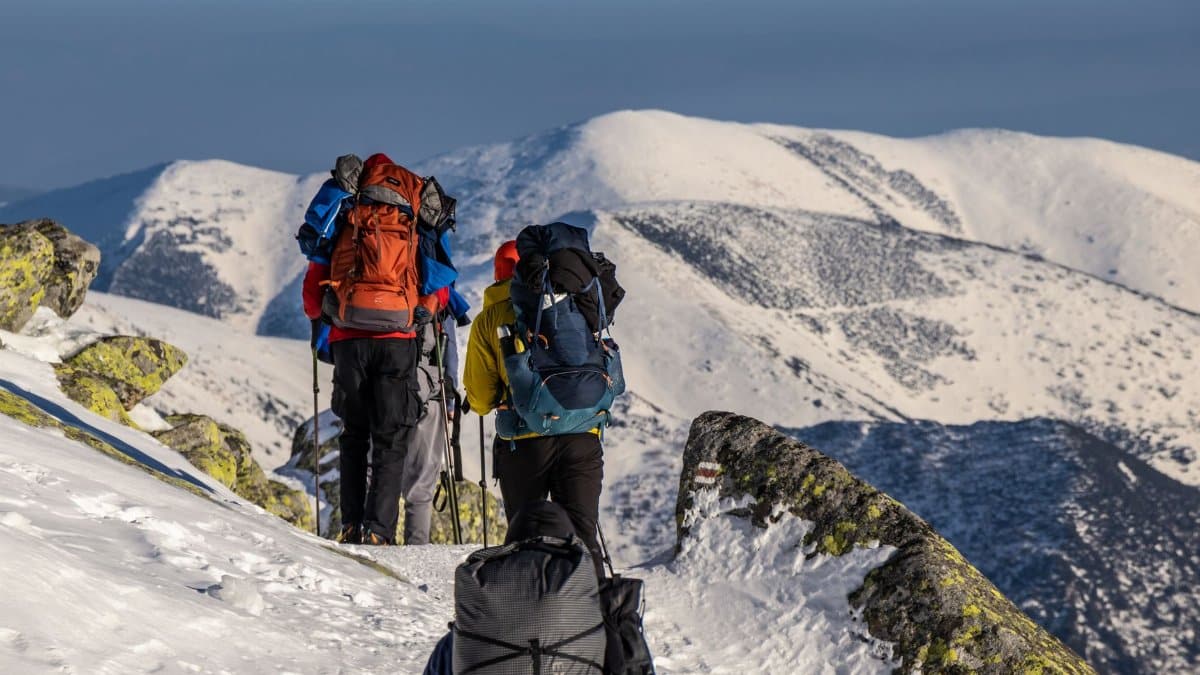
In the shadowed folds of the White Mountains, a lone hiker slipped on wet rock and broke an ankle far from any trailhead. Cell service vanished, daylight faded, and a swift call for help set in motion one of the frequent New Hampshire hiking rescues that test both responders and those they save. Such incidents reveal a pattern where preparation gaps turn routine outings into costly ordeals for everyone involved.
Shifting Weather Patterns Increase Trail Dangers

Sudden storms roll across New Hampshire peaks with little warning, stranding groups who left without checking forecasts. Responders often locate hikers clinging to exposed ledges or huddled in inadequate gear. These conditions demand rapid helicopter lifts or rope teams, driving up expenses that land on the rescued party when insurance falls short.
Equipment Shortfalls Lead to Frequent Interventions

Many visitors arrive with casual sneakers and no navigation tools, underestimating the terrain. Search teams spend hours tracing faint signals or footprints, only to find exhausted travelers unable to continue. The pattern shows that basic maps and sturdy boots could prevent most of these calls, yet the cycle repeats each season.
Financial Burdens Fall on Individuals After Rescues

Bills for helicopter time, medical teams, and overtime for volunteers can reach thousands of dollars. State policies allow recovery of costs from those deemed reckless, creating surprise invoices months later. Families describe the shock of balancing these charges against everyday budgets already stretched thin.
Volunteer Teams Face Growing Operational Strain

Local groups train year round yet see call volumes climb with each mild winter that draws more visitors. Crew members balance these duties with regular jobs, leading to burnout and recruitment challenges. Their dedication keeps operations running, but sustained demand tests the limits of unpaid service.
Trail Education Programs Aim to Reduce Incidents

Parks now post clearer warnings and offer free workshops on route planning and weather awareness. Rangers report modest drops in minor mishaps where visitors attend sessions beforehand. Still, word spreads slowly among casual day trippers who view the woods as low risk.
Insurance Gaps Leave Hikers Exposed to Full Costs

Standard health policies often exclude wilderness extraction, treating it as an elective adventure rather than an emergency. Advocates push for riders that cover such events, yet uptake remains low. The result leaves many paying out of pocket for services they assumed would be covered.
Seasonal Peaks in Call Volume Strain Resources

Summer and fall bring the highest numbers of visitors, coinciding with foliage viewing and school breaks. Dispatch centers log repeated requests for the same stretches of trail, suggesting that certain routes attract the least prepared crowds. Targeted messaging at trailheads has shown some success in steering people toward easier paths.
Community Discussions Weigh Personal Responsibility

Towns debate whether stricter permitting or fines might deter risky behavior without limiting access. Some residents argue that education works better than penalties, while others note that repeated rescues consume funds meant for other public needs. The conversation continues without easy consensus.