
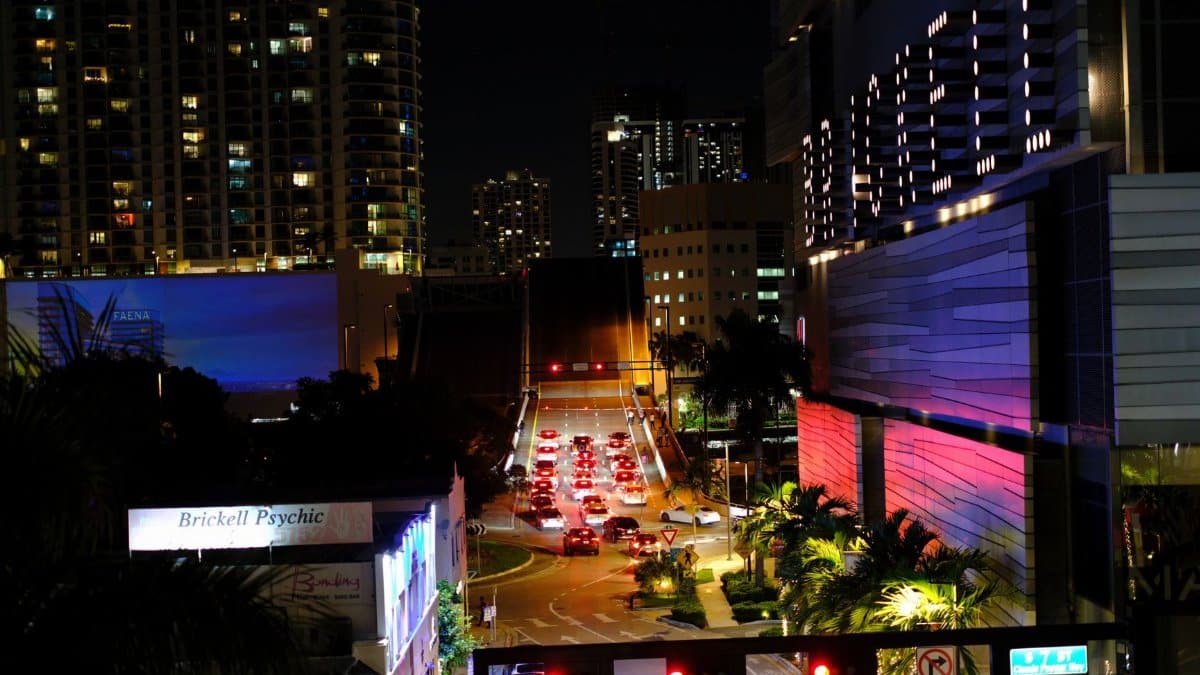
In Miami’s financial district a small area of trees and grass has long provided a quiet retreat for workers and residents. This Brickell green space now faces an uncertain future as its owners move forward with new ideas for the land. Fencing has gone up around Allen Morris Brickell Park signaling the start of changes that could include a restaurant and later a tall building. Local people who value the open air spot are watching closely to see how the situation unfolds. The decision reflects broader tensions between growth and preservation in a city that continues to expand rapidly. Many see the move as part of a pattern where open areas give way to commercial projects.
Background on the Park Ownership

The land belongs to a long established real estate firm with deep roots in South Florida. Over the years the company has developed numerous properties across the region turning empty lots into office towers and residential complexes. Allen Morris Brickell Park represents one of its smaller holdings yet it holds symbolic value as one of the few remaining open spots in a dense neighborhood. Company representatives have stated that the site requires updates to meet modern standards and to better serve the surrounding community. They point to maintenance costs and underuse as reasons for reevaluating its current form.
Plans for Development in the Area
Initial proposals call for a high end restaurant that would occupy part of the space while leaving some greenery intact at first. Over time the vision includes the possibility of a larger structure if market conditions allow. City records show applications for permits that outline both short term and longer term uses. Such layered approaches are common in urban settings where investors test smaller ventures before committing to major construction. Observers note that this strategy allows flexibility amid shifting economic signals and regulatory reviews.
Community Reactions to Fencing

Residents and daily visitors have expressed surprise and disappointment at the sudden barriers around the park. Some describe it as a loss of a familiar gathering place where people once paused during lunch breaks or evening walks. Petitions have circulated asking officials to consider alternatives that keep more of the natural elements. Public meetings have drawn crowds eager to share memories of the site and to question the pace of change. City planners have acknowledged the feedback and promised further discussions before any final approvals.
Environmental Impact of Urban Changes

Green areas in dense districts help manage heat and provide spots for wildlife amid concrete surroundings. Removing or altering such spaces can affect local air quality and storm water drainage over time. Experts in urban ecology emphasize that even modest parks contribute to overall city resilience against rising temperatures. In this case the shift from open land to built structures raises questions about how new designs might incorporate sustainable features like rooftop gardens or permeable surfaces. Balancing these factors remains a key challenge for decision makers.
Future Possibilities for the Site
Depending on approvals the location could evolve into a mixed use destination that blends dining with limited outdoor access. Some envision a design where the restaurant opens onto a smaller landscaped zone preserving a portion of the original character. Others worry that economic pressures will push toward full redevelopment with little room for public use. The outcome will likely depend on negotiations between the owners city agencies and advocacy groups. Long term trends in Miami real estate suggest continued demand for both commercial space and quality of life amenities.
Comparison with Other Miami Green Areas
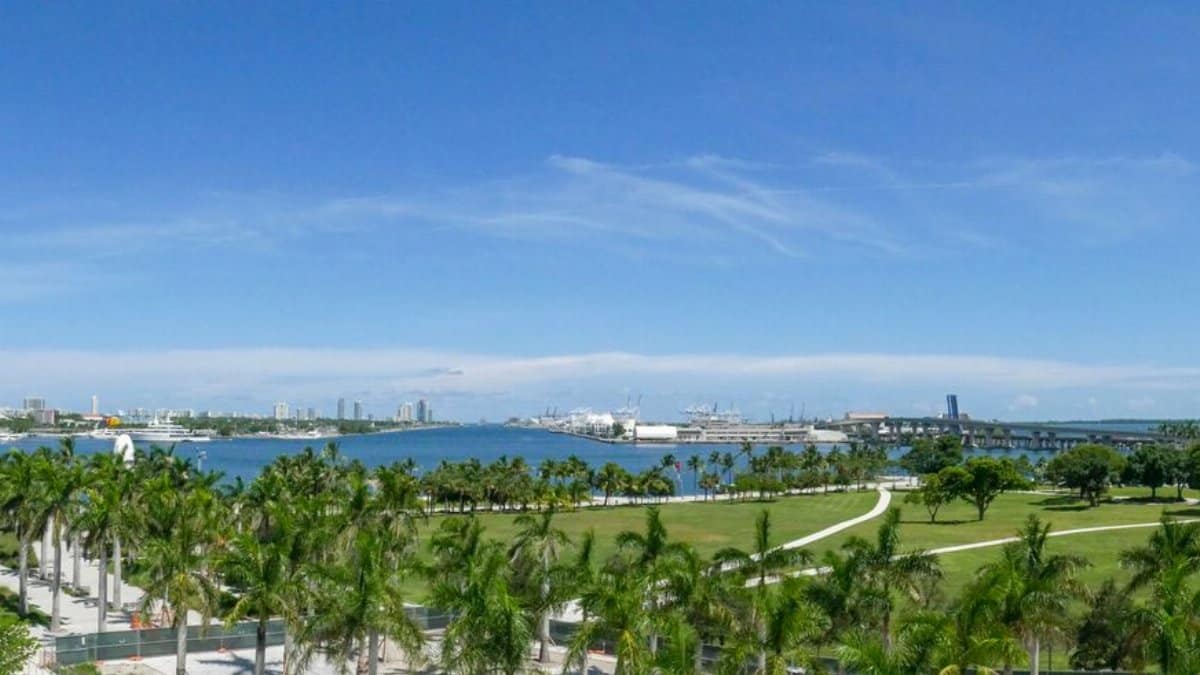
Across the city similar parks have undergone transformations with varying degrees of public acceptance. Some have been expanded through partnerships while others have been reduced to accommodate growth. Brickell itself has seen rapid vertical development in recent decades leaving fewer ground level open spaces. Lessons from those examples show that early community involvement can lead to outcomes that satisfy multiple interests. Here the process is still in early stages offering time for input from diverse voices.
Economic Factors Driving the Decision

Property values in the financial district have risen steadily creating incentives for owners to maximize returns on their holdings. A restaurant could generate steady revenue in an area popular with professionals and tourists alike. If a high rise follows it would add significant office or residential capacity in a location with strong demand. These calculations occur against a backdrop of inflation in construction costs and evolving work patterns that influence how space is utilized. Investors must weigh immediate gains against potential regulatory hurdles.
Potential for Restaurant Integration

The proposed eatery aims to attract a clientele seeking upscale yet accessible dining in a central spot. Designers have suggested layouts that could include outdoor seating areas integrated with remaining greenery. This approach seeks to maintain some of the site’s appeal while introducing new activity. Success would hinge on execution that respects both the commercial goals and the neighborhood context. Early renderings indicate attention to aesthetics that could soften the transition from park to business.
High Rise Implications if Approved
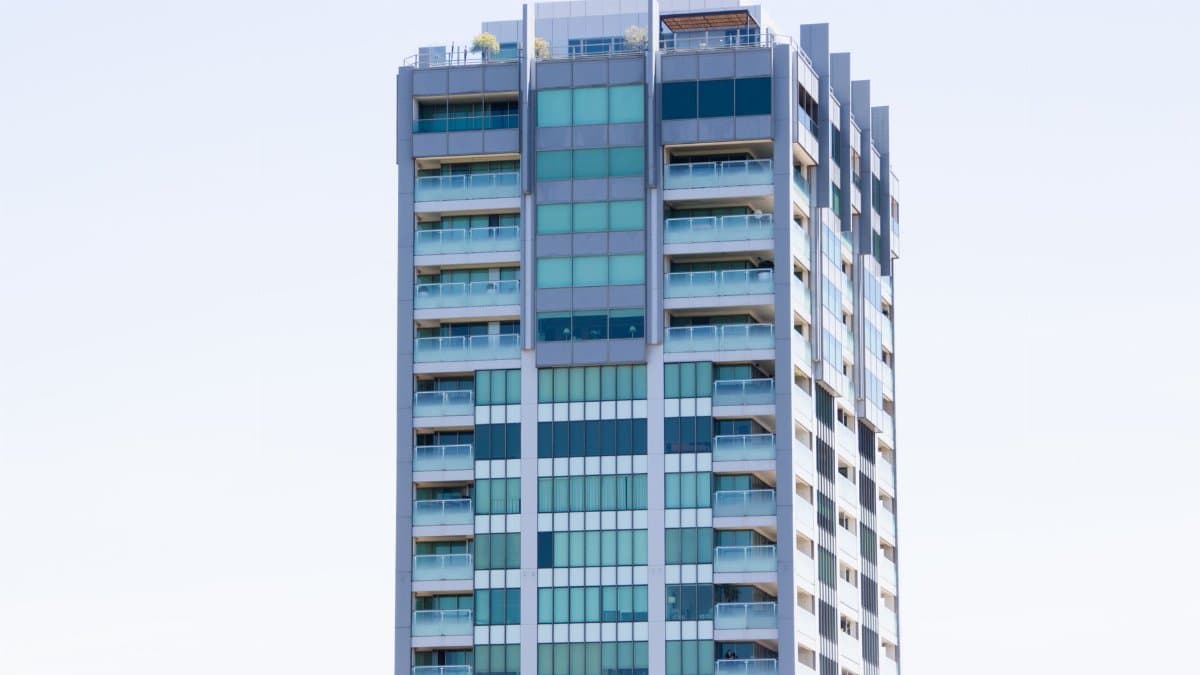
A taller building would alter the skyline and increase density in an already compact zone. Traffic patterns pedestrian flow and infrastructure demands would all see adjustments as a result. Proponents argue that such projects bring jobs and tax revenue that benefit the wider area. Critics highlight the cumulative effect on livability when multiple sites follow the same path. The review process will examine these tradeoffs through studies and hearings in the months ahead.
Looking Ahead at Urban Balance
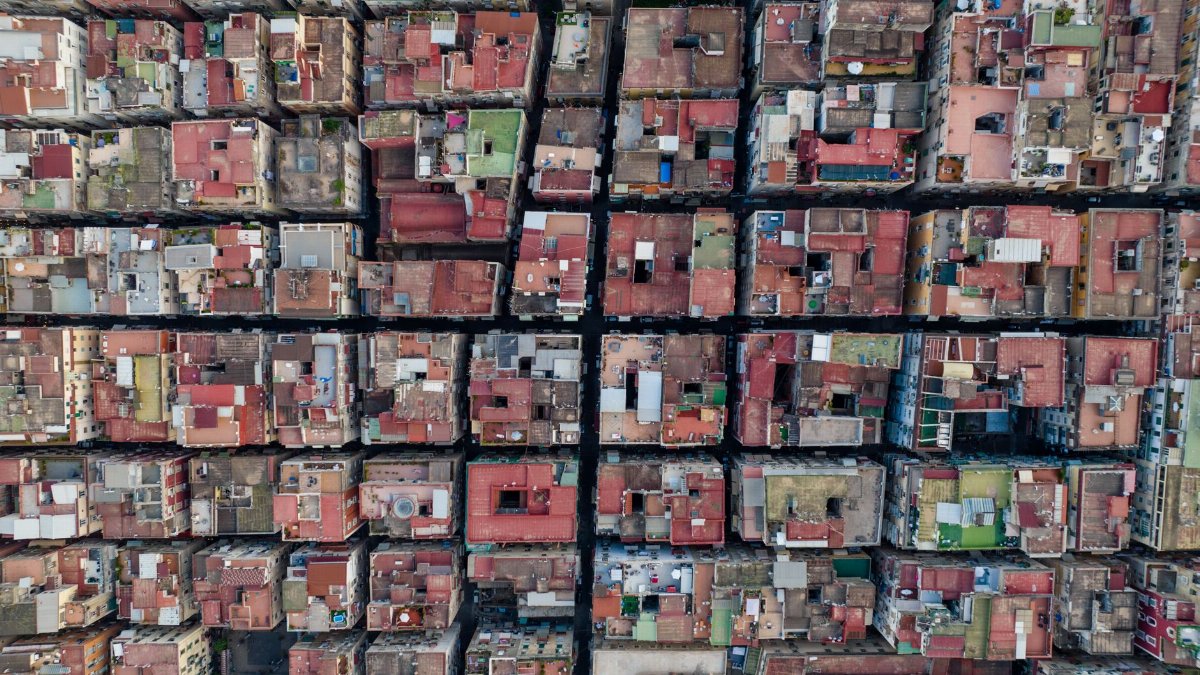
The story of this Brickell green space illustrates ongoing debates about how cities grow while retaining elements that make them livable. As Miami continues to attract new residents and businesses the pressure on remaining open land will persist. Thoughtful planning can help ensure that development and preservation move forward together rather than in opposition. The coming decisions will offer a window into the values that shape the future of the district and the city as a whole.