
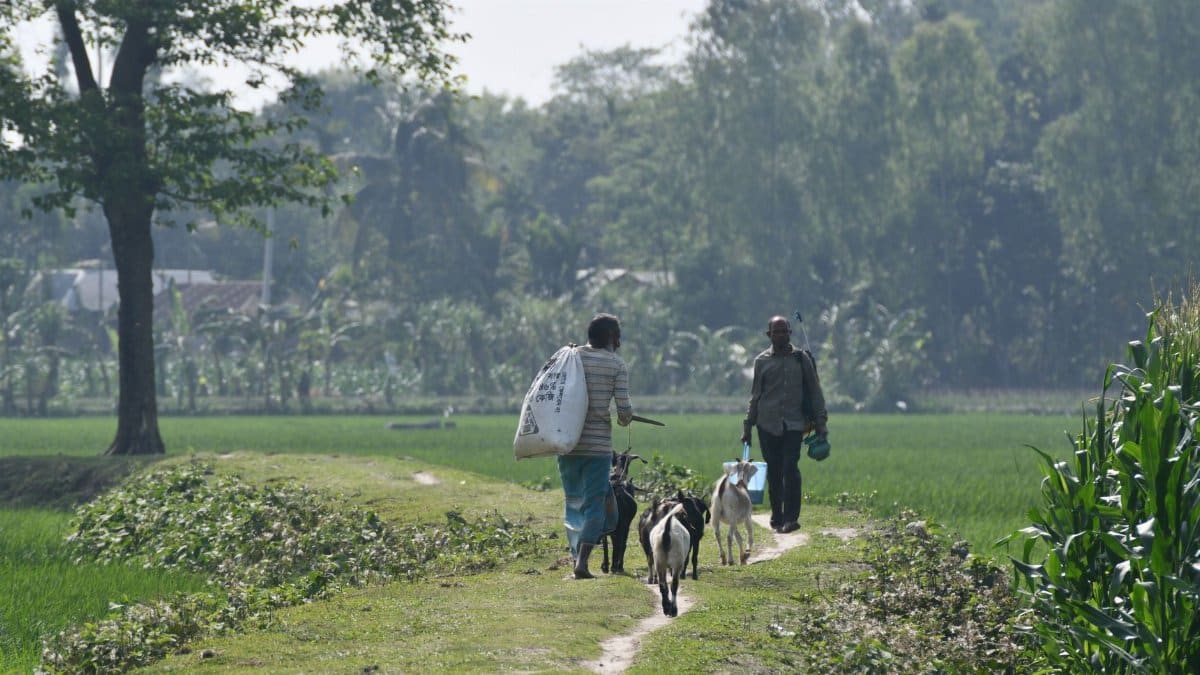
On a cold morning in Germantown, the usual language of loss gave way to something quieter: boots on a path, breath in the air, and animals that did not require anyone to perform composure. More than 150 people came to Awbury Arboretum for a winter grief walk hosted by the Philly Goat Project, looking for comfort, company, and a few four legged companions after a death. Some arrived with a name they still said aloud. Others came because sitting at home had started to feel like a room with no door.
A clearing instead of a script

Public mourning in a big city often arrives with a schedule. There is a service, a reception, a stack of cards, and then a long stretch in which friends mean well and do not know what to say. The walk at Awbury offered a different arrangement. People could move, stop, talk, or stay silent. A goat does not fill a pause with advice. That absence of commentary seemed, for many, to be the point.
Germantown has long carried both history and daily life in the same blocks: stone houses, bus routes, schoolyards, and green space that still feels like a neighborhood rather than a destination. Awbury Arboretum sits inside that mix. On this morning it functioned less as a scenic backdrop than as a room large enough for private grief to exist in public without becoming a spectacle.
Who showed up, and why they stayed

The crowd was not a single kind of mourner. There were people marking a recent death and people carrying an older one that had never found a place to rest. Neighbors came with friends. A few came alone and left with a phone number written on a scrap of paper. Children hovered near the animals and then, without being told, lowered their voices when an adult nearby went still.
More than 150 is a large number for an event that asks almost nothing theatrical of its guests. No one had to stand and tell a story. No one had to prove that the loss was recent enough, or severe enough, to deserve a place on the path. The invitation was simpler: walk, if you can, and let the company of other people and of animals do some of the work that words refuse.
What the goats actually change
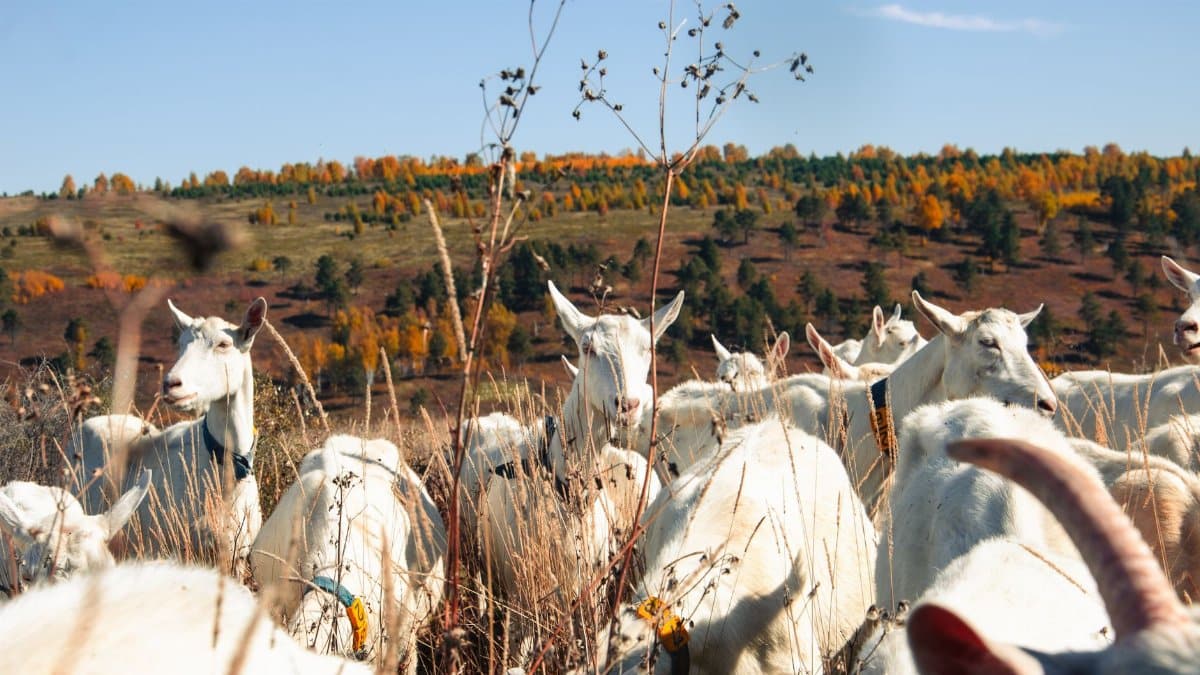
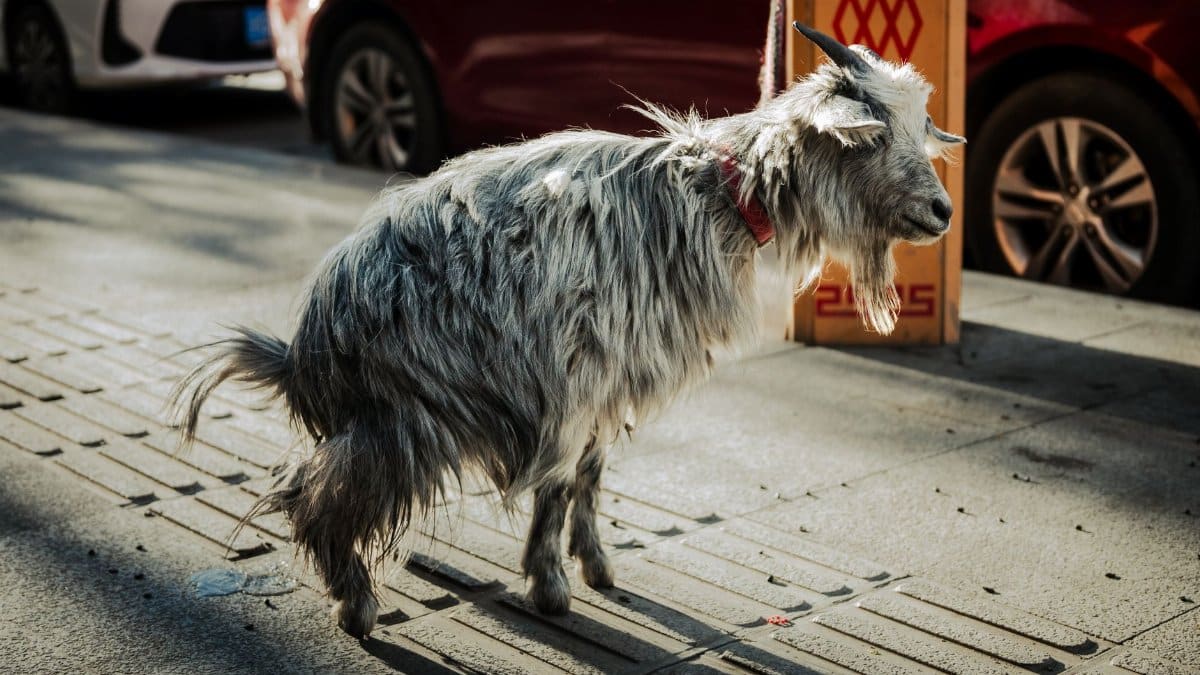
It is easy to romanticize animals in moments of pain, and worth resisting that impulse. A goat is not a therapist, a clergyman, or a substitute for the person who is gone. What an animal can offer is proximity without interrogation. Warmth. A steady body. The small comedy of an creature that wants a sleeve or a pocket and does not care whether the person attached to it has slept.
Handlers with the Philly Goat Project know this territory. Their work in the city has treated goats as neighbors with jobs: grazing, education, and, on days like this one, a kind of informal hospitality. At the arboretum, that hospitality looked ordinary from a distance. Up close it was precise. People were shown how to approach, where to put a hand, when to step back. Care for the animals and care for the mourners were not separate tasks.
Grief that does not want a microphone

American culture still treats sorrow as something to manage quickly, preferably in private, preferably with a lesson attached. A winter walk refuses that pace. Cold slows people down. Mud asks for attention. A path has a beginning and an end, which is more structure than many grieving people can invent for themselves on a Tuesday.
Several who came described the relief of not having to narrate. They could say a name or not. They could cry and then laugh when a goat made an undignified sound, and neither reaction canceled the other. That mix is familiar to anyone who has sat through a funeral and then eaten a sandwich in a church hall, startled to find hunger still operating. The walk simply moved that ordinary contradiction outdoors.
Faith, ritual, and people who claim neither
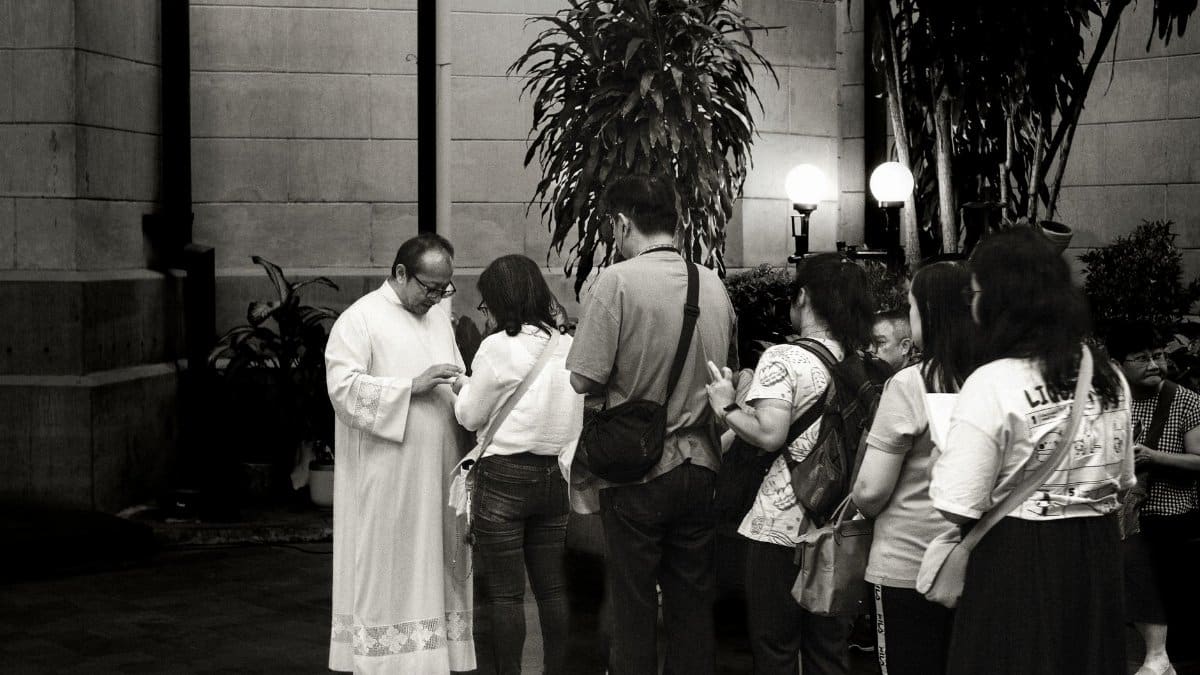
The gathering sat in a category that religious institutions have long understood and that secular cities are still learning to host: ritual without a required creed. Some walkers prayed. Some did not. A few spoke of ancestors, of saints, of a God who felt distant or newly close. Others wanted only the fact of other bodies nearby, human and otherwise.
Spiritual practice, in this setting, did not need an altar. Repetition did the work. Step, pause, hand on wool, step again. Shared movement can function as liturgy for people who would never use that word. It marks time. It gives the nervous system a task. It tells a person, without a sermon, that they are not the only one carrying something heavy through the week.
The neighborhood as host
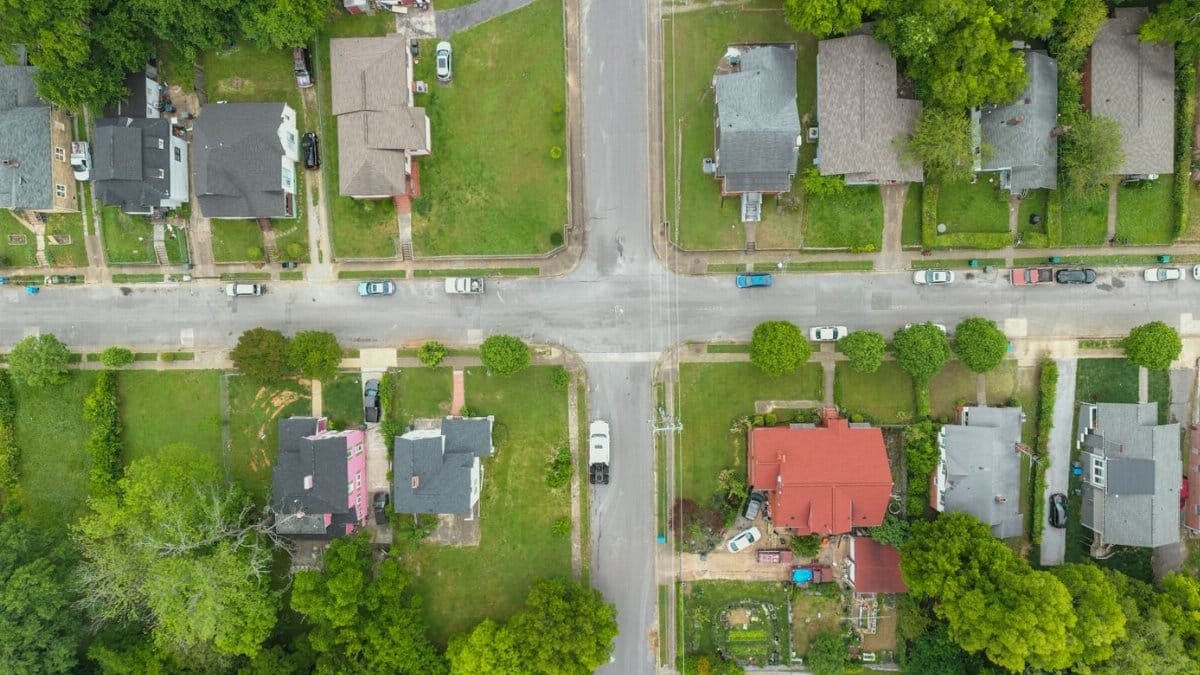
Awbury is not a neutral stage. It is a Germantown institution with its own seasons, volunteers, and arguments about land, access, and what a public green space owes the people who live beside it. Holding a grief walk there tied private loss to a place that already belongs to the neighborhood. Mourners were not shipped to a distant retreat. They mourned where buses run and where someone might later buy groceries.
That locality matters. Grief isolates. A familiar intersection, a known gate, a tree someone has passed for years can tug a person back toward the city they still inhabit. The Philly Goat Project, rooted in Philadelphia rather than imported for a single afternoon, made the animals part of that local fact. They were not mascots flown in for a photo. They were working residents with muddy legs.
After the path, the harder hour
Events end. That is their mercy and their limit. When the walk finished, people still had kitchens, inboxes, and the particular silence of a home after a death. Organizers and guests alike seemed to understand that a morning cannot close a wound. What it can do is interrupt the story that says isolation is the only honest response.
Some lingered. Conversations that started beside a fence continued in the parking area. A stranger’s loss became, for twenty minutes, a shared reference point. Those small handoffs are easy to dismiss as sentiment. They are also how communities remember that mourning is a civic condition, not only a private diagnosis. Cities already build roads, schools, and clinics. They are slower to build occasions where sorrow is allowed to be visible without becoming content.
Wellness without the sales pitch

The language of wellness can flatten experiences that are not problems to optimize. Walking with goats will not raise a productivity score, and it should not be sold as if it might. What participants described was narrower and more credible: a few hours in which the body was occupied, the mind was less alone, and tenderness did not feel foolish.
Clinicians who work with bereavement often note that people need both practical support and somewhere to put feeling that has nowhere else to go. This walk belonged to the second category. It did not replace counseling, medication, or the slow help of friends who keep calling. It added a form of company that does not flinch. For readers tempted to file the whole thing under novelty, the turnout argues otherwise. More than 150 people do not rearrange a Saturday for a gimmick unless the gimmick is touching something real.
What a city can learn from a goat
Philadelphia is not short on memorials. It is short on ordinary rooms for the living who are in the middle of missing someone. A grief walk will not fix that scarcity. It does suggest a design principle. Lower the barrier. Offer a place. Invite skilled hosts. Let animals, gardens, and neighbors carry part of the hour. Do not demand a testimonial.
The Philly Goat Project has spent years making the case that urban life can include creatures other than pigeons and pets on leashes. The winter gathering extended that case into spiritual territory without announcing a doctrine. Comfort, here, was practical. Someone held a lead rope. Someone else held still long enough to feel less hunted by their own thoughts. The city continued around them, which is what cities do, and for a while that continuation felt less like indifference and more like a promise that the day would keep going.
A respite, not a cure
No serious account of this morning should promise healing on a timetable. Grief does not respect programming. People will go home and find the same empty chair. What they may also find is a memory of having been met, by strangers and by animals, without having to explain the size of the loss.
In Germantown, that meeting happened on winter ground, among trees that will leaf out whether or not anyone is ready. The Philly Goat Project gave the hour a shape. The walkers filled it. Between those two facts sits a modest civic achievement: a public place where sorrow could breathe, and where a quiet animal, wanting nothing but a scratch behind the ear, made room for the living to stand a little longer in the company of one another.