

Recent federal suggestions regarding vaccination timelines have prompted analysis in various parts of the country. In the sunshine state medical leaders indicate that the Trump vaccine order Florida will not lead to modifications in how they administer care to patients. This assessment comes from practitioners who prioritize evidence based approaches developed over years of research and application. They point out that decisions about when to vaccinate remain guided by local data and individual patient needs rather than national recommendations that lack enforcement power. Families can expect the same level of attention to detail that has characterized Florida medical services for decades.
Physician Assessments of New Guidance
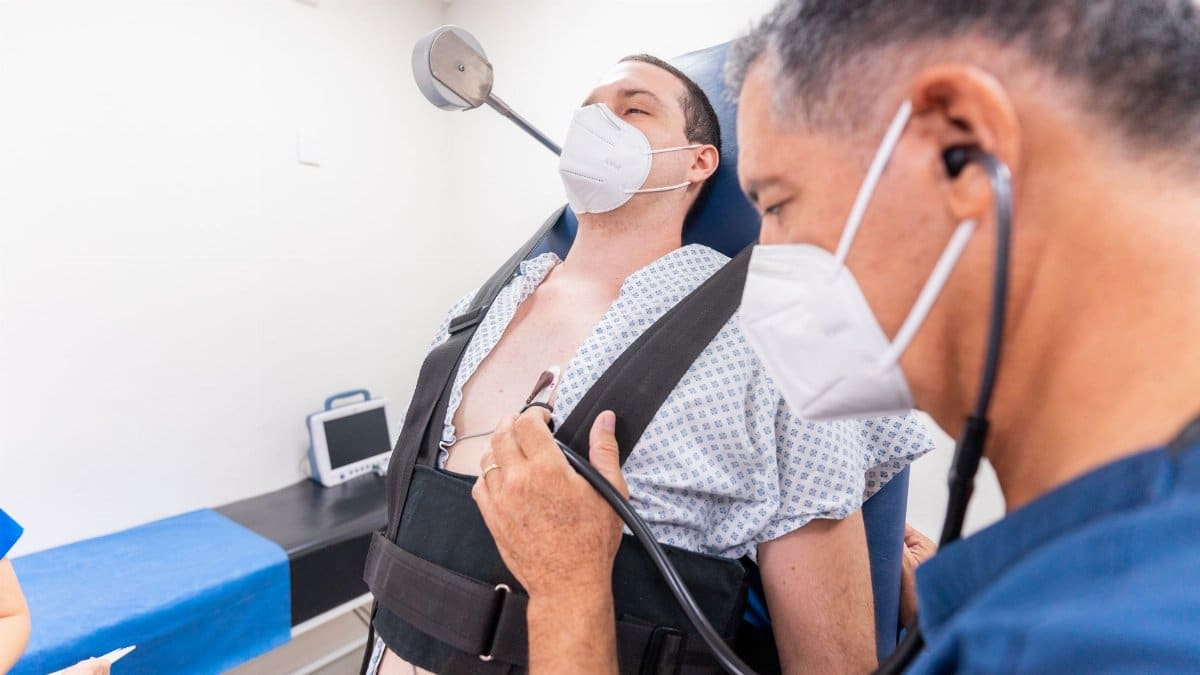
Doctors in major cities such as Miami and Tampa have expressed that their routines will stay consistent. They cite practices that have been in place for a long time which align with recommendations from national organizations but adapt to state specific requirements. The emphasis rests on safeguarding those most at risk through methods refined by experience.
Many note that the Trump vaccine order Florida serves mainly as a suggestion rather than a directive they must follow. This allows them to maintain flexibility when addressing unique cases that arise in everyday practice.
Effects on Daily Clinical Operations

Clinics report no plans to revise appointment structures or record keeping systems as a result of outside input. Staff members continue to rely on established charts and follow up procedures that have proven effective in reducing disease incidence over time.
Resources remain allocated in the same manner with supplies ordered according to historical demand patterns. Such stability helps avoid disruptions that could affect service quality for regular visitors.
Input from State Regulatory Bodies

Officials at the Florida Department of Health have clarified that existing rules take precedence in all licensed facilities. They encourage providers to consult current state manuals when questions surface about immunization timing.
These agencies monitor trends through ongoing surveillance programs that draw on local hospital data. This approach ensures responses reflect conditions specific to communities rather than broader federal outlines.
Perspectives from Families and Communities

Parents in suburban areas voice appreciation for the steady approach taken by their regular doctors. They value continuity that allows trust to build across multiple visits without sudden changes in protocol.
Community groups focused on wellness organize sessions to discuss options openly while stressing personal choice within safe boundaries. Such gatherings foster dialogue that respects diverse viewpoints on prevention strategies.
Alignment with Broader Public Health Goals

Statewide initiatives continue to promote high coverage rates for preventable illnesses through education campaigns and accessible clinics. These efforts operate independently of any single policy announcement from Washington.
Collaborations with schools and workplaces help sustain momentum by offering convenient locations for those seeking protection. Results from recent seasons show sustained participation levels that support overall population resilience.
Reflections on Past Policy Shifts

History reveals that medical practice in Florida has adapted gradually to new information while preserving core standards of care. Previous transitions occurred through careful review rather than abrupt overhauls.
Leaders recall instances where local input shaped outcomes more decisively than distant directives. This pattern reinforces the value of on the ground expertise in guiding daily decisions.
Anticipated Developments in Care Delivery

Looking ahead providers anticipate steady progress in integrating new research findings into routines without external pressure altering their pace. Training programs for newer staff members emphasize critical thinking alongside technical skills.
Investment in technology supports better tracking of patient histories which aids personalized advice. These tools enhance rather than replace the human judgment central to effective treatment across the state.