

Get out of bed and hit the floor. That’s the rallying cry behind “Floor Time,” a grounding technique gaining steam as the replacement for “bed rotting” in the quest for anxiety relief. On February 6, 2026, this simple act—lying flat on the rug—emerged as the floor time trend of choice. It flips the script on passive lounging by urging a deliberate shift to the ground. Proponents see it as a fresh path to calm in a high-stress world.
What Is Floor Time?
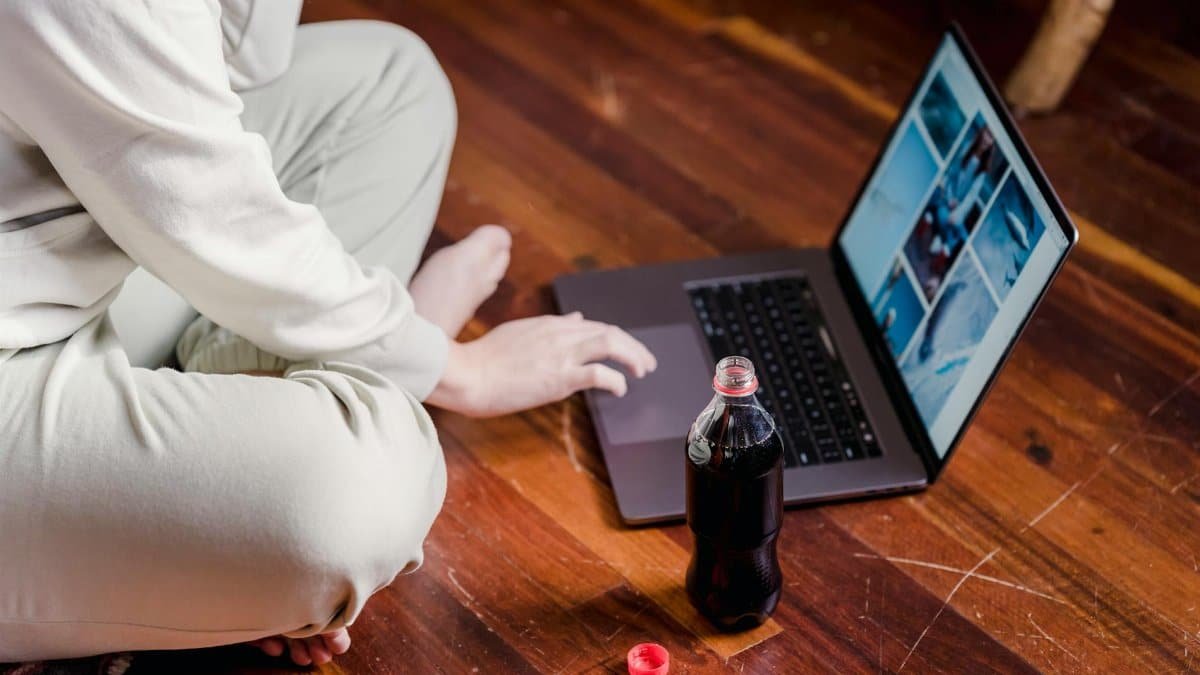
Floor Time boils down to one action: lying flat on the rug. No props. No frills. Just body meeting floor. This practice positions itself as a direct antidote to overwhelm. The floor time trend emphasizes physical contact with a stable surface indoors. It starts with a command—get out of bed—and ends with full surrender to gravity.
The Call to Leave Bed Behind

The message is blunt: Get out of bed and get on the floor. This directive challenges inertia. Bed rotting kept people horizontal but confined. Floor Time demands movement, however minimal. That first step from mattress to rug breaks the cycle of stagnation. In 2026, as mental health conversations evolve, this pivot signals readiness for change.
Replacing Bed Rotting
Bed rotting defined an era of extended bed stays for rest or escape. It offered comfort but risked deepening isolation. Floor Time steps in as the upgrade. By relocating to the rug, it maintains rest while adding purpose. The floor time trend positions itself as bed rotting’s active successor, trading sheets for a firmer base. This swap aims to refresh without the drag of all-day bedding.
For context on bed rotting’s rise, see this New York Times report on its TikTok origins.
A Grounding Technique at Core

Grounding anchors the mind in the present. Floor Time embodies this by pressing the body against the rug’s texture. Feel the weave under back, shoulders, limbs. Sensation pulls focus from racing thoughts. This technique roots users literally—flat on the floor. No elevation. No cushioning beyond the rug. It’s unadorned connection to what’s solid beneath.
How It Targets Anxiety

Anxiety thrives on elevation—in mind and posture. Floor Time counters by lowering everything. Lying flat compresses tension, signaling safety to the nervous system. The rug becomes a tactile reminder: You’re here, now, supported. This replaces bed rotting’s numb drift with intentional release. Relief comes from the floor’s unyielding presence, a quiet rebellion against mental spin.
Grounding methods like this align with established anxiety tools; learn more from the Cleveland Clinic’s guide.
Literal Flatness on the Rug

Precision matters: It’s the rug, not bare floor or mat. Household rugs provide just enough give without excess softness. Lie flat—arms at sides, legs extended, head neutral. Duration varies, but the act itself grounds. This specificity sets Floor Time apart. In homes across the U.S., rugs now double as therapy spaces. The floor time trend turns ordinary floors into relief zones.
Shift in Mental Health Practices

February 6, 2026, marked the trend’s spotlight. From there, Floor Time spread as a grassroots fix. It resonates in a culture weary of screens and schedules. Unlike bed rotting’s passive vibe, this demands agency: Choose the floor. Anxiety relief feels earned. U.S. trends lean toward accessible hacks like this—quick, free, solo. Floor Time fits the 2026 mood of practical calm.
Why the Momentum Builds

Simplicity fuels adoption. No apps. No gear. Just floor access. Bed rotting invited excess—snacks, scrolls, stagnation. Floor Time strips it bare. Rug contact quiets the buzz. As a grounding technique, it rebuilds stability one lie-down at a time. In early 2026, this evolution from bed to floor reflects broader pushes for mindful movement. Anxiety finds less room when grounded flat.
Users report sharper focus post-session. The trend’s rise underscores a pivot: Rest need not mean retreat. Floor Time proves grounding happens anywhere solid.