

Monday morning at Minneapolis St. Paul International Airport had the particular quiet that follows a loud weekend. Gate agents called names that had been waiting since Saturday. Suitcases that never made a connection sat in a corner near the carousel. The departure board, which had glowed with cancellations for two days, began to fill again with ordinary times. MSP flight delays were easing, but the recovery was not a switch flipped back to normal. It was a slow unwinding of missed crews, full hotels, and passengers who had already rewritten their plans twice.
A weekend that stopped the country in place
The trouble began with a nationwide ground stop ordered by the Federal Aviation Administration. When the agency halts departures across the system, the effect is not confined to one storm cell or one broken radar. Aircraft that should have left stay where they are. Aircraft that should have arrived do not. A hub such as Minneapolis St. Paul, which feeds regional jets across the Upper Midwest and long routes to both coasts, feels that freeze in every direction at once.
Over the weekend, hundreds of flights were canceled at the airport. Delays stacked on top of those cancellations until the board stopped being a schedule and became a record of what would not happen. Families heading to weddings slept in chairs. Business travelers watched Monday meetings vanish. Connecting passengers discovered that the next available seat was not later that evening but sometime the following day, if a seat existed at all.
Why a ground stop hits a hub harder than a delay
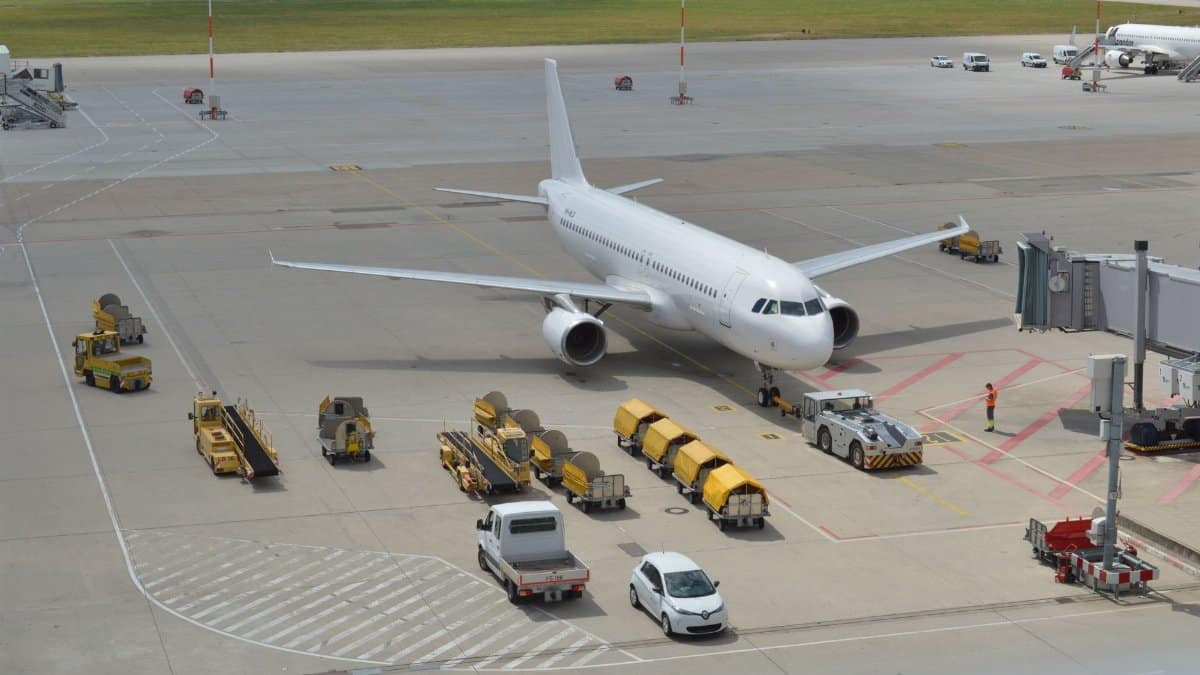
A delay keeps an airplane in the plan. A cancellation removes it. A ground stop does something more severe: it freezes the plan itself. Crews time out under federal duty rules. Aircraft end the day in the wrong city. A regional jet that should have been in Duluth or Fargo by nightfall is still sitting on a Minneapolis ramp, and the morning bank that depended on it never forms.
That is why MSP flight delays after a national halt last longer than the halt itself. The order can lift in an hour. The schedule cannot. Airlines must rebuild pairings, find rested pilots, and decide which flights to protect and which to sacrifice so the rest of the week can stand. Passengers experience that arithmetic as a gate change, then a cancellation, then a text offering a seat on Wednesday.
What the boards showed as Monday arrived

By Monday, departures were moving again. Not all of them, and not on the times printed in Friday itineraries, but enough that the airport no longer felt sealed. Security lines returned to their usual early rhythm. Coffee shops had customers who were actually about to board. The difference between chaos and recovery, in an airport, is often just that: people walking with purpose instead of standing still.
Still, the residual mess was visible if you knew where to look. Rebooking desks stayed crowded. Bags tagged for flights that no longer existed kept arriving on belts meant for flights that did. Airline apps, which had spent the weekend sending apologies, began sending new departure times that were real enough to trust, mostly.
The passengers who absorbed the cost

Air travel sells certainty and delivers probability. Most days the probability is high enough that people forget the bargain. A weekend like this one reminds them. The cost is not only a missed connection. It is a hotel the airline may or may not cover, a rental car that was supposed to be waiting in another state, a shift at work that someone else had to cover, a child who slept on a backpack because the last flight of the night never left.
Minneapolis St. Paul is not a leisure airport in the way some Sun Belt hubs are. It moves students, medical patients, farm equipment salespeople, hockey parents, and workers whose jobs begin at a specific hour in a specific city. When MSP flight delays cascade, those lives do not pause politely. They absorb the gap. Some travelers in the terminal on Monday were not celebrating a return to normal. They were calculating what the weekend had already taken.
Crews, aircraft, and the invisible rebuild

Passengers see gates and apps. The recovery lives in crew scheduling rooms and maintenance bays. A pilot who hit a legal limit on Saturday cannot simply be asked to fly on Sunday morning. A flight attendant whose trip was broken in Denver may not be legal, or even present, for the Minneapolis departure that needs them. Aircraft need not only fuel and a slot. They need to be the right airplane, with the right maintenance status, in the right place.
Airlines protect the flights that carry the most connecting traffic first, because saving a bank of departures saves dozens of other journeys downstream. That choice is rational for the system and brutal for the person whose flight is the one left behind. Monday’s gradual return to something like a schedule was the visible result of hundreds of those choices made overnight.
Other airports felt the same weather of bureaucracy

Minneapolis was not alone. A nationwide ground stop does not pick a favorite city. Hubs in Chicago, Denver, Atlanta, and Dallas watched the same red wash across their boards. What differed was how each airport’s geography and fleet mixed with the freeze. A coastal airport with fewer regional spokes can sometimes restart faster. A northern hub in winter, even on a clear weekend, carries extra fragility because the next weather system is never far from the conversation.
Travelers comparing notes on Monday found a shared story with local accents. The same federal order. Different missed weddings. The phrase MSP flight delays trended among people who live with this airport as a fact of weekly life, the way other cities live with a subway that sometimes simply stops.
What normal means after the board turns green

Normal, in this business, is a moving target. It does not mean every passenger from Saturday is home. It means the airline can operate today’s flights without borrowing tomorrow’s crews to do it. It means gates are assigned before passengers reach them. It means the average delay shrinks from hours to minutes, and cancellations return to the thin background rate that airports treat as weather and mechanical reality rather than crisis.
That standard was within reach on Monday, according to the picture at the airport and the public statements from carriers working through the backlog. Reach is not arrival. Residual MSP flight delays remained for travelers whose original aircraft were still out of position, and for those whose new itineraries depended on a connection that itself had been rebuilt from scraps.
How travelers can read the next disruption

There is no private trick that beats a national ground stop. What helps is narrower. A confirmed seat on a later flight is better than a spot on a standby list that will not clear. A bag checked only when the first flight is certain to leave is a bag you might still have. Direct routing, when it exists, removes one place where the system can break you. None of this is comfort. It is inventory management performed by people who did not ask to become logistics clerks.
Airlines owe clearer explanations than a generic delay code. The FAA owes a system that does not require a full stop as often as recent years have suggested it might. Passengers owe themselves less faith in the idea that a booked ticket is a promise rather than a claim on a complicated machine. Monday’s calmer concourses did not erase that lesson. They illustrated it.
The airport as a public room
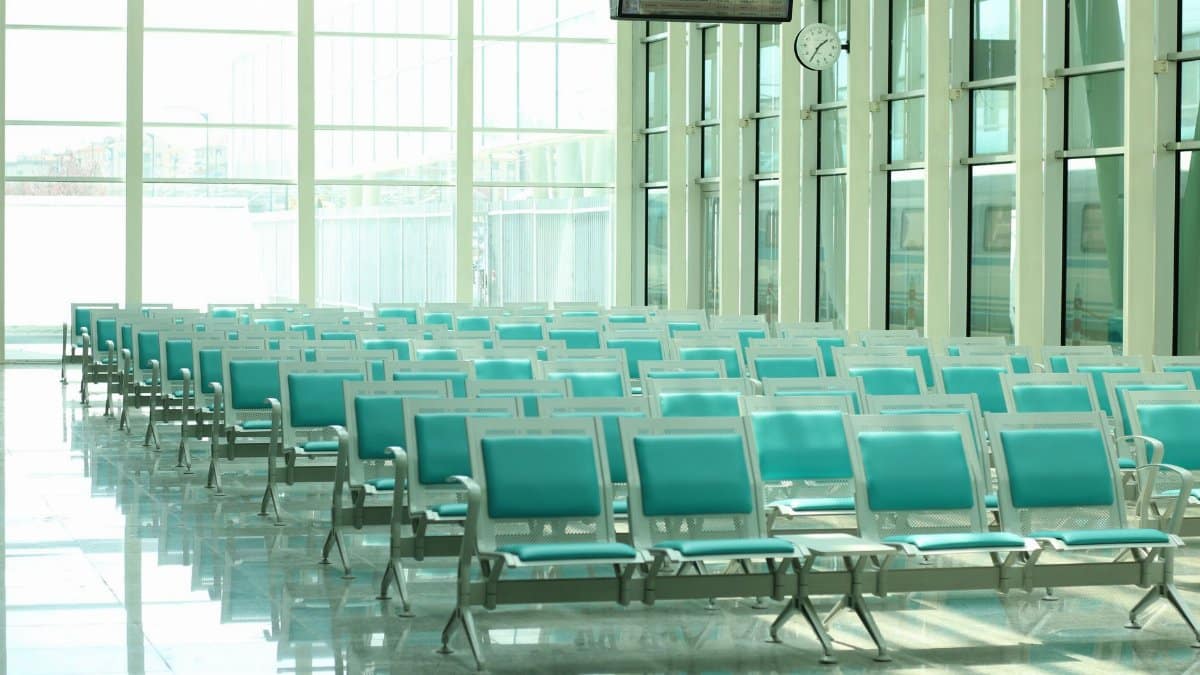
For a few days, Minneapolis St. Paul International functioned less as a gateway and more as a waiting room for the whole region. Strangers shared outlets and arrival rumors. Restaurant workers stayed late because the people who could not leave still needed dinner. That ordinary kindness does not fix a broken schedule. It does mark the difference between an airport that is merely inconvenient and one that becomes briefly civic, a place where the failure of a national system is felt in local chairs.
By Monday afternoon the civic feeling was fading, which is what recovery looks like. People stopped introducing themselves to the stranger in the next seat. They put headphones back on. The airport returned to its usual anonymity. That anonymity is a kind of success.
What remains after the chaos recedes

The weekend will show up later in compensation claims, in crew fatigue that does not vanish because the board is green, and in a fresh round of questions about how fragile the national airspace has become. Those questions are not abstract in Minnesota. When the system stops, the state stops moving with it: grain brokers, clinic appointments, college move in days, the last flight that was supposed to bring someone home for a funeral.
Flights at MSP and at other airports were returning to normal after the weekend chaos. The sentence is true enough to print. It is also incomplete. Normal is the flights that leave. The chaos is what the people on the flights that did not leave are still carrying, quietly, into the week. MSP flight delays can end on a board long before they end in a life. That gap, more than any single cancellation count, is what the weekend left behind.