
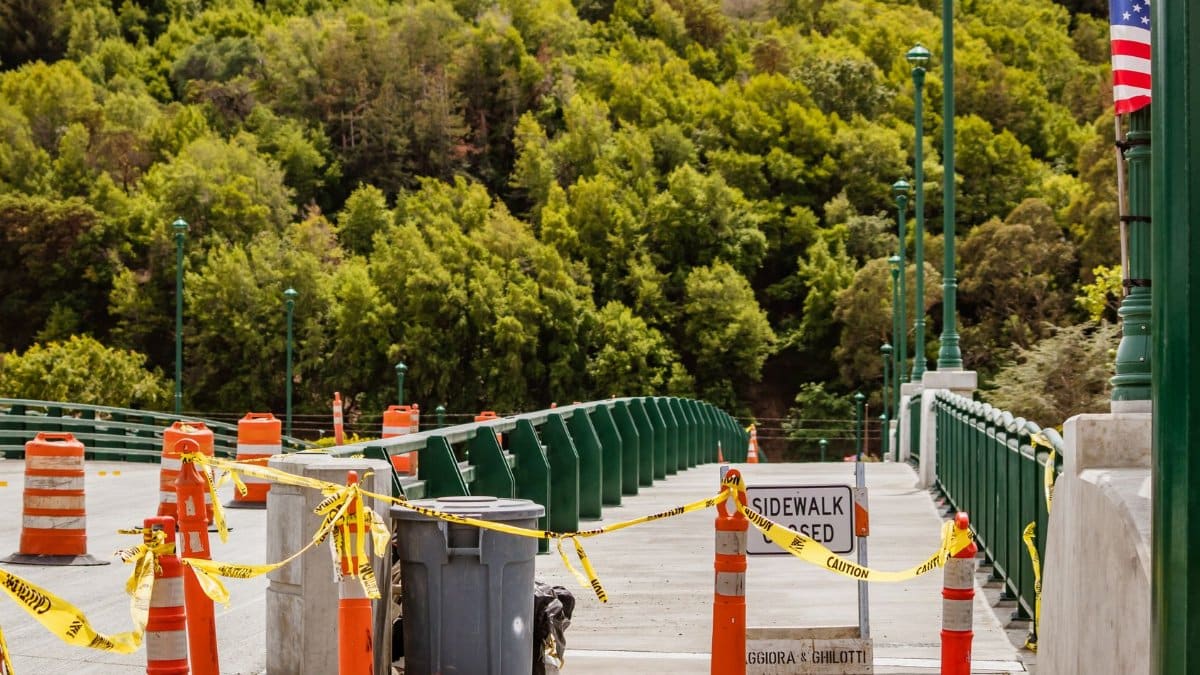
The Fire Island Bridge serves as an essential connection between the mainland and the barrier island communities that draw countless families each season. As repairs get underway on this aging span, officials have outlined a series of lane restrictions expected to begin in the coming year. Travelers and year round residents alike will face adjustments, yet the work aims to secure the crossing for decades ahead. The project reflects broader efforts across Long Island to maintain infrastructure that supports both daily commutes and seasonal escapes to the shore.
Project Origins and Planning

State transportation authorities identified structural concerns during routine inspections several years ago. Engineers determined that corrosion and wear from harsh coastal conditions required targeted interventions. Planning phases involved coordination among multiple agencies to minimize broader effects on regional travel patterns. Public meetings allowed input from local stakeholders who rely on the route for access to homes, businesses, and recreation areas.
Timeline for Construction Phases
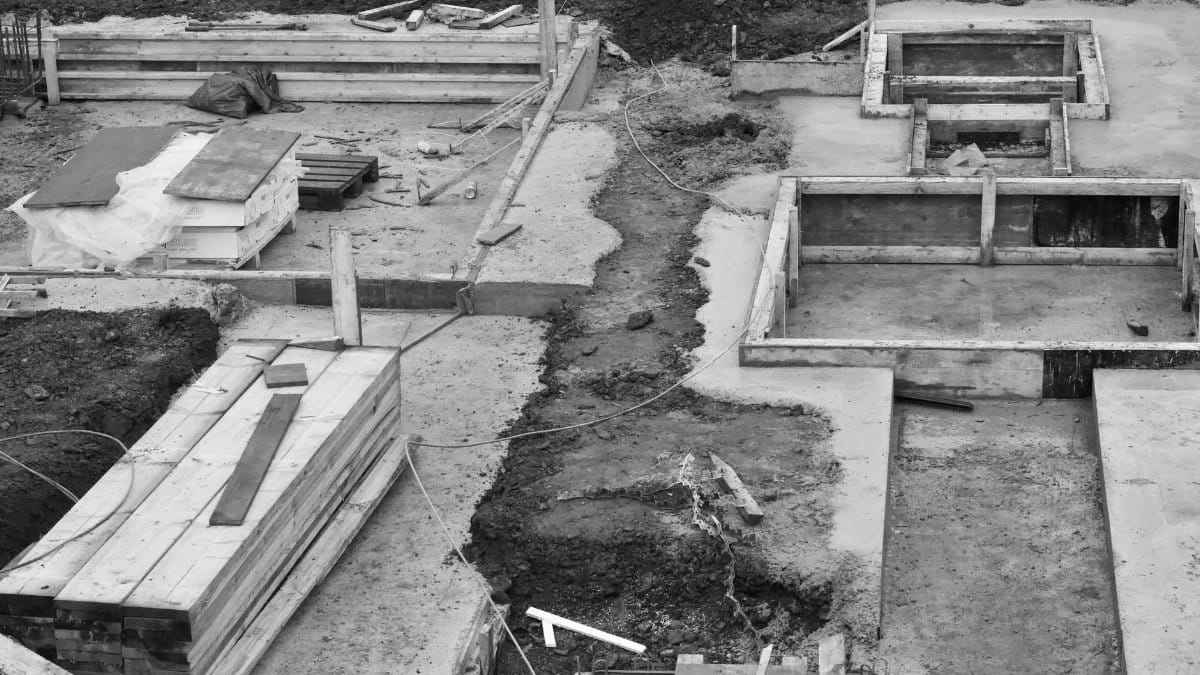
Work is scheduled to unfold over several months with distinct stages for deck replacement and support reinforcement. Crews will operate primarily during off peak hours to reduce daytime congestion. Full completion is projected within the 2026 calendar year assuming favorable weather windows. Delays remain possible given the exposed location and potential for storms.
Effects on Daily Travel
Motorists can anticipate alternating lane patterns that will slow passage during busy periods. Alternative routes via mainland roads may add time for those heading to Fire Island destinations. Public transit options and ferry services could see increased demand as drivers seek to avoid the area. Officials recommend checking real time updates through transportation department channels before setting out.
Community Voices and Concerns
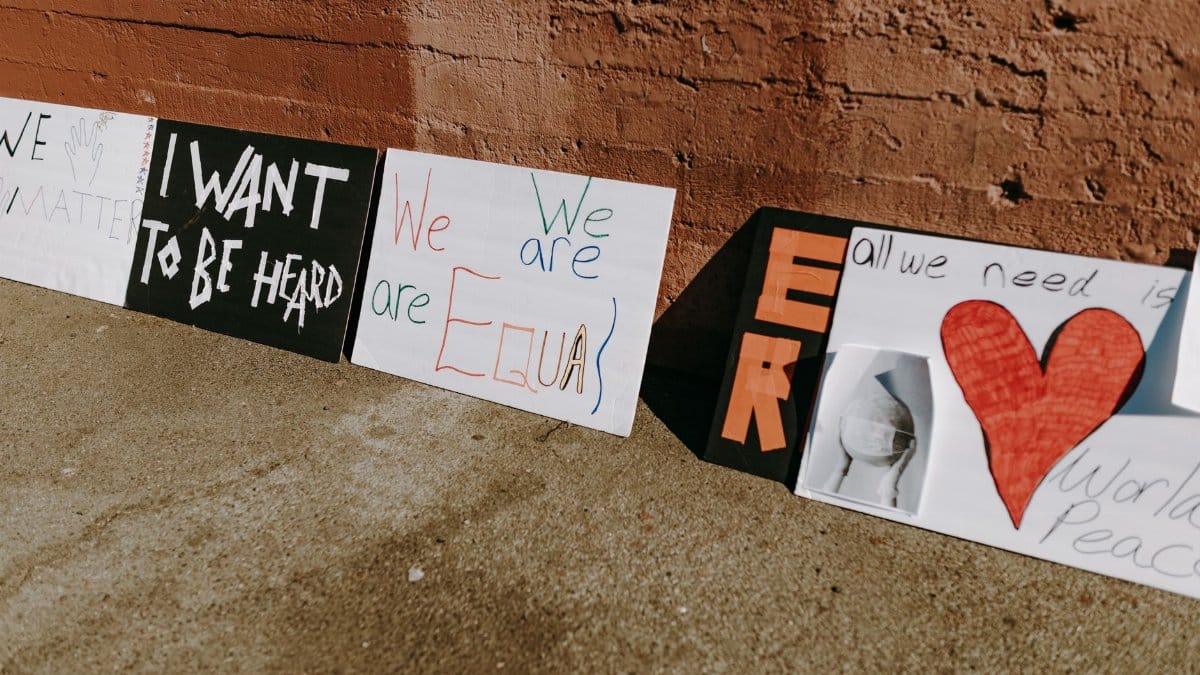
Residents in nearby towns have expressed a mix of relief and apprehension about the coming changes. Some welcome the prospect of a safer crossing while others worry about access for emergency vehicles during construction. Local business owners note potential dips in customer traffic if visitors opt for other beaches. Forums have provided space for these perspectives to shape mitigation strategies.
Environmental Safeguards in Place

Planners incorporated measures to protect surrounding wetlands and marine habitats from runoff or debris. Erosion control barriers and spill prevention protocols will be active throughout the effort. Wildlife monitoring will continue to ensure that work does not disrupt nesting seasons for shorebirds. These steps align with state regulations governing coastal projects.
Economic Ripple Across the Region
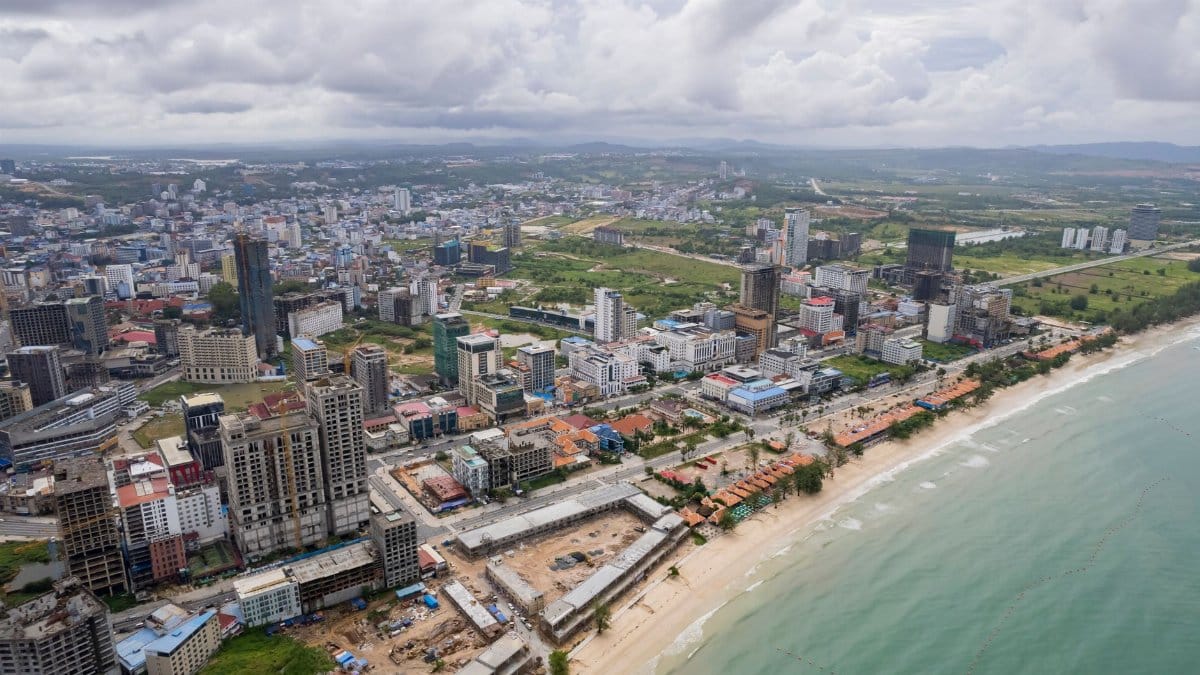
The bridge supports tourism that bolsters summer economies in both Suffolk County and the island itself. Temporary disruptions could influence hotel bookings and restaurant revenues if access feels uncertain. Yet long term reliability may encourage greater investment in properties and services once upgrades finish. Analysts point to similar past projects that ultimately strengthened local commerce.
Historical Role of the Crossing

Spanning the inlet since the mid twentieth century, the structure has witnessed shifts in population and recreational habits. It enabled growth in summer colonies while providing a steady link for year round inhabitants. Preservation of this gateway maintains a tangible thread to earlier eras of Long Island development. Archival records highlight its place in regional identity.
Broader Infrastructure Context

This initiative fits into ongoing state investments aimed at aging spans and roadways. Lessons from comparable repairs elsewhere inform techniques and material choices here. Coordination with federal funding programs helps manage costs for taxpayers. Success could serve as a model for future coastal maintenance challenges.
Safety Enhancements Expected
New railings, improved lighting, and reinforced foundations will address vulnerabilities exposed by storms. These features should reduce accident risks and extend service life considerably. Emergency response teams have reviewed plans to maintain rapid access even amid partial closures. Public education campaigns will highlight updated protocols.
Reflections on Connection and Resilience
In a region shaped by water and weather, reliable passages like this one carry deeper meaning for those who traverse them regularly. The effort underscores a collective commitment to sustaining places that foster gatherings, reflection, and renewal by the sea. As work progresses, the Fire Island Bridge will continue to represent both practical utility and enduring community ties.