

In classrooms throughout Florida educators have long navigated delicate conversations about history and identity with care. A recent federal court decision has upended those efforts by invalidating major elements of a state measure designed to curb specific teachings on social issues. This outcome marks a pivotal moment for instructors seeking clarity on permissible discourse and highlights ongoing tensions between legislative intent and constitutional protections. The Florida Stop WOKE law ruling now faces substantial revision following judicial scrutiny that prioritizes open inquiry over restrictive guidelines.
Origins of the contested education measure

The legislation emerged amid broader national debates regarding curriculum content in public institutions. Lawmakers sought to address perceived imbalances in how certain historical events receive emphasis during instruction. Proponents argued that existing approaches fostered division rather than unity among students from varied backgrounds. Critics countered that such constraints limited essential exploration of complex societal developments and personal experiences shared across generations.
Details behind the judicial intervention

A district court examined challenges brought by teachers and advocacy groups who claimed the provisions infringed upon free speech rights. The opinion emphasized that vague language in the statute created uncertainty for daily lesson planning. Judges noted that enforcement mechanisms risked selective application depending on local interpretations. This assessment led to the suspension of key clauses governing classroom discussions involving race and gender dynamics.
Reactions from educators across the state
Many instructors expressed relief at the prospect of resuming comprehensive lessons without fear of reprisal. They described prior conditions as stifling honest exchanges about past injustices and current realities faced by diverse communities. Administrators now await further guidance from state officials on adjusted compliance standards. Professional associations have begun hosting sessions to review updated boundaries for instructional materials.
Implications for higher education environments

University faculty members also welcomed aspects of the outcome since similar restrictions extended to college level settings. Departments focused on social sciences anticipate renewed flexibility in course design and research presentations. Student organizations plan forums to examine how the changes might influence campus dialogues moving forward. Legal experts suggest additional challenges could arise if appeals proceed to higher courts.
Broader context within national policy trends

Similar initiatives have appeared in other regions prompting parallel lawsuits and public discourse. Observers track these developments as indicators of shifting priorities in educational governance. Comparative analyses reveal variations in scope and enforcement approaches adopted by different jurisdictions. The current case may serve as precedent influencing future deliberations elsewhere.
Perspectives from families and community members

Parents hold divided views with some supporting limits on sensitive topics while others advocate for fuller exposure to varied viewpoints. Surveys conducted by independent researchers indicate preferences often align with political affiliations and personal histories. Local school board meetings have grown more attended as residents voice concerns over curriculum transparency. These gatherings reflect wider societal conversations about preparation for an interconnected world.
Next steps for legislative response
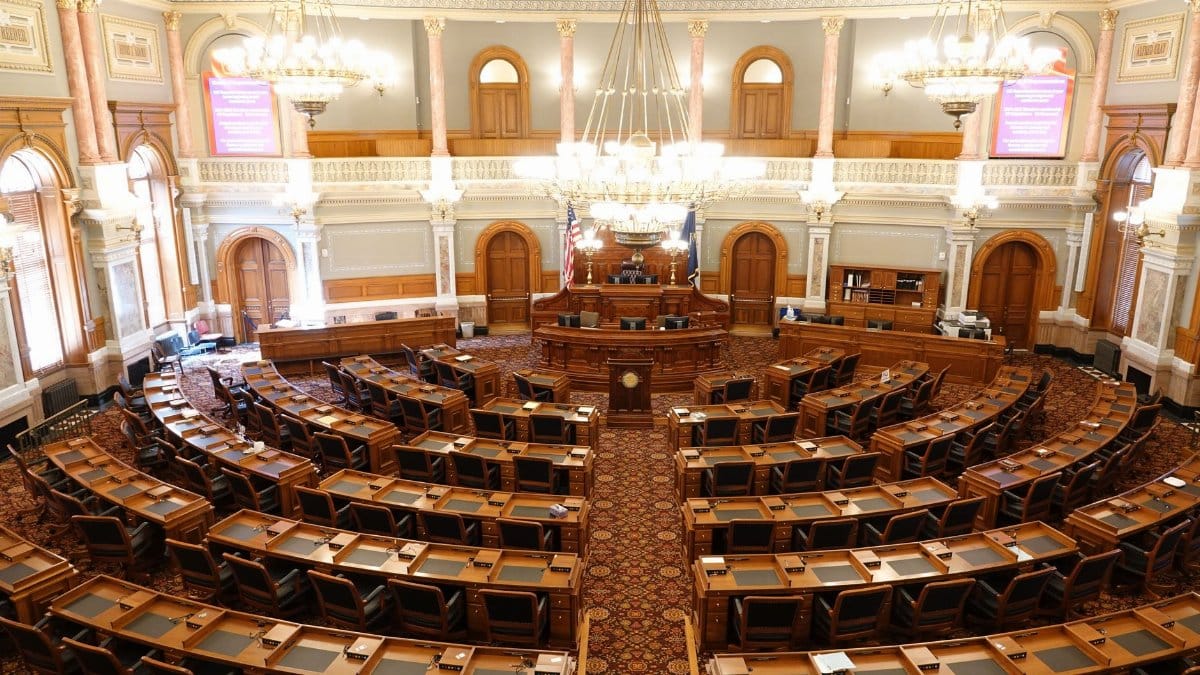
State representatives have signaled intentions to revise the original text in light of the court findings. Proposed amendments aim to retain core objectives while addressing identified shortcomings in wording. Bipartisan negotiations appear unlikely given entrenched positions on both sides. Observers anticipate prolonged deliberations before any new version advances through regular channels.
Long term effects on instructional practices

Over time the ruling could encourage more nuanced approaches to teaching multifaceted subjects in public schools. Training programs for new teachers may incorporate modules on navigating legal parameters effectively. Resource allocation toward supplemental materials could shift as districts adapt to evolving requirements. Ultimately sustained monitoring will determine whether the adjustments promote greater understanding or merely displace earlier conflicts.