

Los Angeles stands ready to welcome the world in a few short years yet faces a pressing challenge in moving millions of athletes spectators and workers smoothly across its vast region. Recent letters from local representatives to the White House have spotlighted the urgency of upgrading rail and bus networks before the games begin. This push centers on LA 2028 Olympics transit as the backbone for success. Without swift federal action delays could mar the experience for everyone involved and leave lasting gaps in daily travel options long after the events conclude.
Background on the Funding Appeal

Five members of Congress from the Los Angeles region sent a formal request to the current administration seeking two billion dollars in dedicated support. The funds would target key rail extensions and bus rapid transit corridors that planners have identified as essential. Lawmakers noted that prior commitments from earlier federal programs have fallen short leaving several projects in limbo. They argued that timely investment now would prevent cost overruns later and ensure reliable service during peak demand periods of the games.
Key Transit Projects at Stake
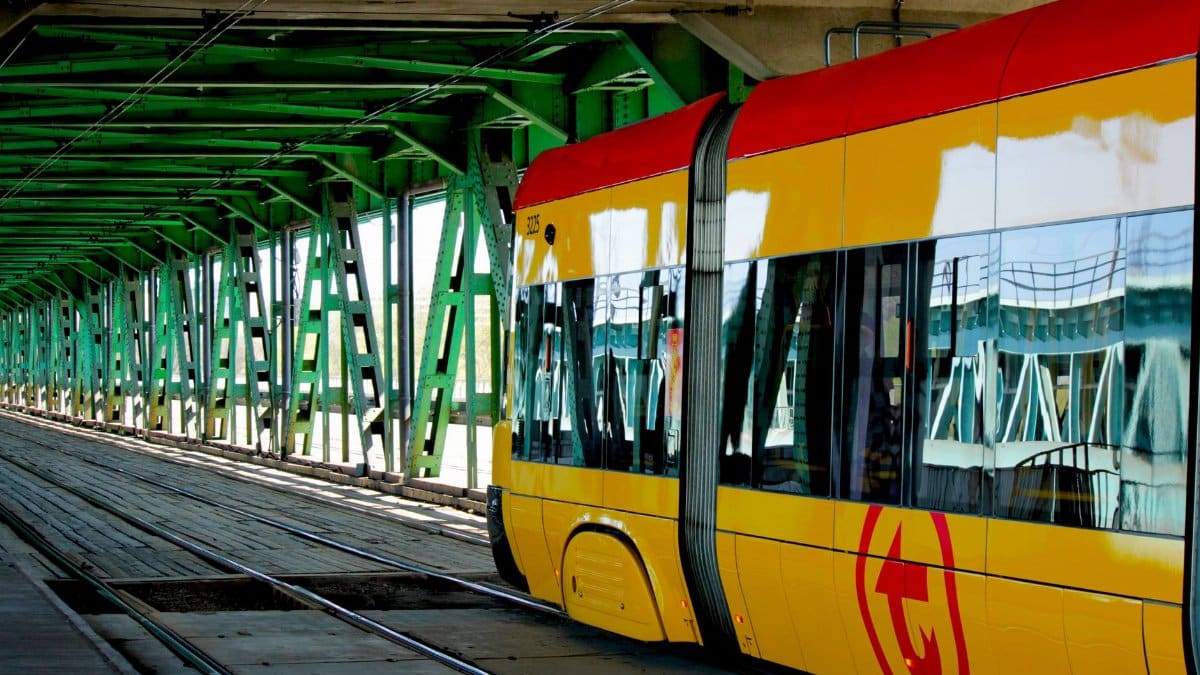
Several ongoing efforts stand to benefit directly from the proposed allocation. These include extensions of the Crenshaw line northward and improvements to the regional connector downtown. Additional resources would also accelerate bus only lanes along major boulevards that connect venues in Inglewood and Santa Monica. Planners emphasize that these upgrades serve not only visitors but residents who rely on public options every day.
Potential Effects on Daily Travel
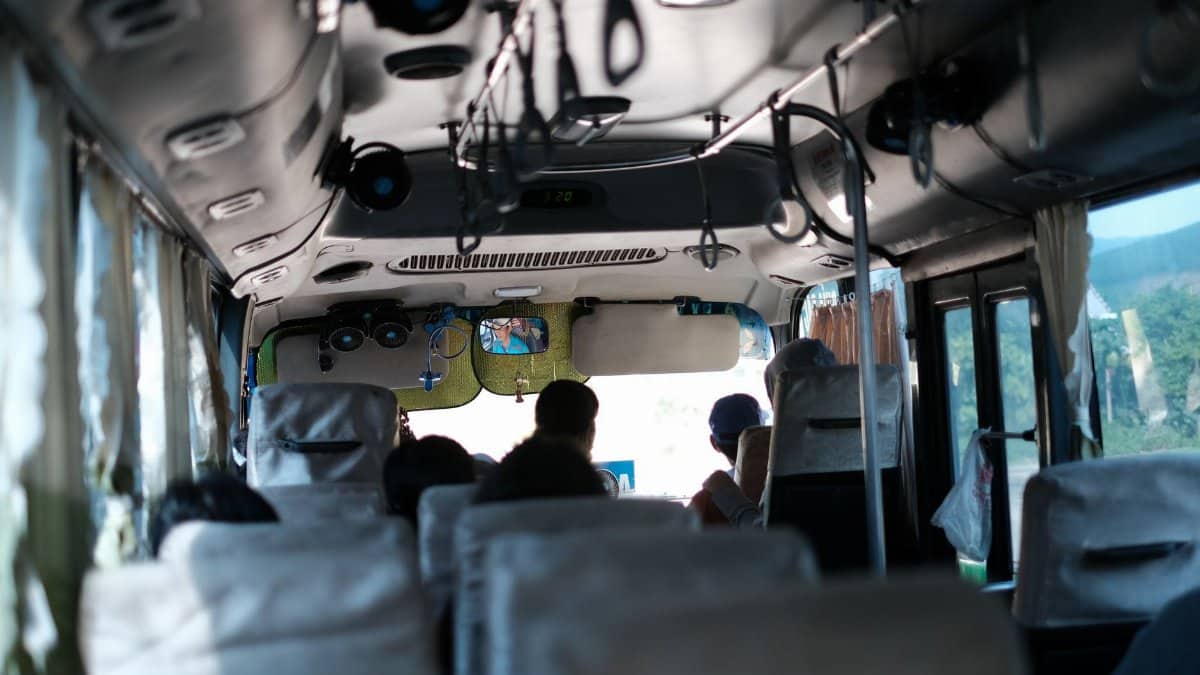
Residents across the county could see shorter wait times and more frequent service if the funding arrives as requested. Current estimates suggest that without added capacity some lines may operate at twice their normal load during the games. Improved connections between airports and main event sites would reduce road congestion for all users. Long term the changes promise to make commuting more predictable for workers in hospitality construction and other sectors tied to the events.
Role of Local and Federal Partnership

Collaboration between city county and national agencies has shaped the current blueprint for mobility upgrades. Officials stress that federal dollars act as a catalyst for matching contributions from state and local sources. Without that initial boost several segments risk falling behind schedule and missing critical milestones. The joint effort reflects a shared recognition that successful games depend on seamless movement across the entire metropolitan area.
Challenges in Current Infrastructure

Existing networks already strain under normal conditions with overcrowding common during rush hours. Aging signals and limited maintenance yards add further complications that could intensify under the added pressure of large crowds. Experts have warned that piecemeal fixes will not suffice and a coordinated push remains necessary. Addressing these issues now avoids the risk of service breakdowns at the worst possible moment.
Broader Economic Implications

Reliable transit supports the wider economy by enabling workers to reach jobs and tourists to explore beyond core venues. Local businesses from restaurants to shops anticipate higher foot traffic if visitors can navigate easily. Conversely inadequate options might discourage spending and tarnish the overall impression of the host city. The requested investment therefore carries weight beyond the games themselves.
Views from Transit Advocates

Community groups focused on mobility equity have voiced strong support for the congressional appeal. They point out that many lower income neighborhoods stand to gain from expanded routes that connect them to employment centers. Advocates also highlight environmental gains from shifting more trips away from private vehicles. Their input has helped refine plans to ensure benefits reach a wide cross section of the population.
Next Steps for Approval

The administration must now review the request and decide on inclusion in upcoming budget measures. Congressional leaders hope for inclusion before the end of the current fiscal cycle. Delays in that process could force local agencies to seek alternative financing that may prove more expensive over time. Observers will watch closely for signals from Washington in the coming months.