

In recent months federal investigators have turned their focus toward South Florida real estate transactions that may conceal the movement of funds from a major soccer related controversy in Argentina. Luxury condos in the Miami area appear in records connected to firms now facing questions from the FBI. This development has prompted fresh scrutiny of how international sports money can flow into American property markets. The Miami Soccer Fraud label has surfaced in legal filings and local reporting as shorthand for these complex dealings.
Origins of the Argentina Soccer Funds Inquiry

The probe began with allegations of misappropriated resources in Argentine professional soccer leagues. Officials there claim millions of dollars intended for player salaries and stadium upgrades instead moved through offshore accounts. Documents reviewed by authorities show several of those accounts linked to shell companies registered in Caribbean jurisdictions. Those entities then directed portions of the money toward purchases in the United States.
Connections to Miami Area Condominium Purchases
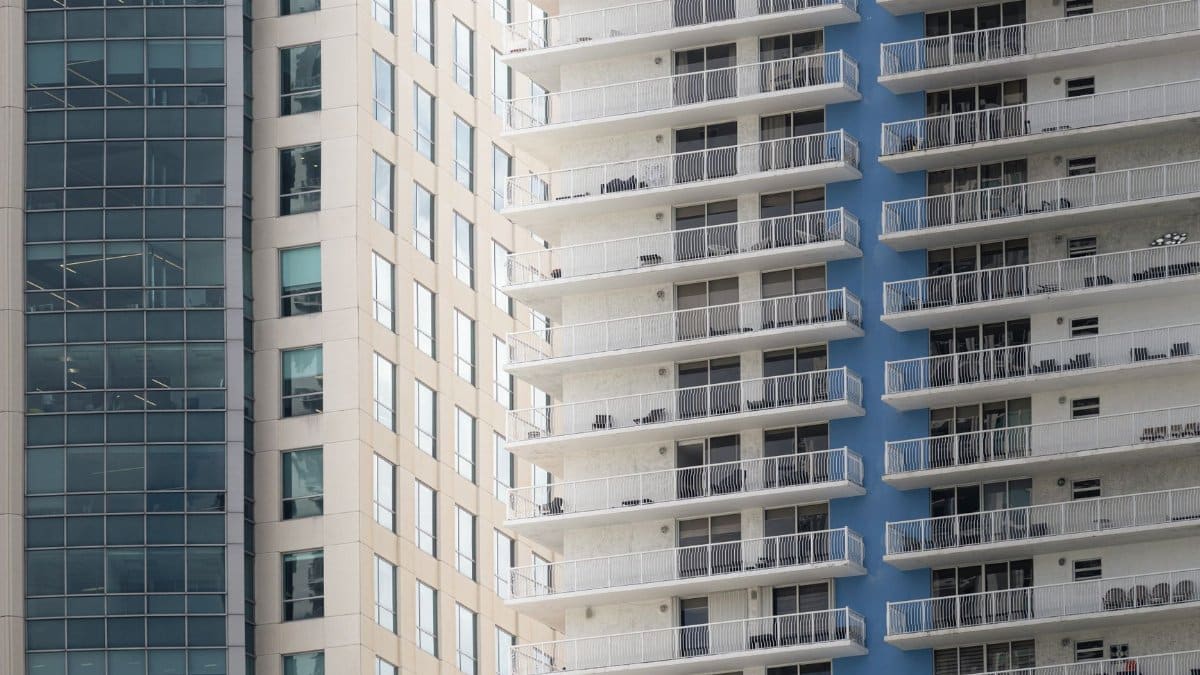
Public records reveal that at least four firms tied to the Argentine inquiry acquired units in high rise buildings along the coast. Transactions occurred between late 2024 and early 2025 with payments routed through multiple intermediary banks. Local title companies processed the deals without immediate flags. Investigators now examine whether the timing and structure of these acquisitions suggest an effort to place questionable assets into stable real estate holdings.
Scope of FBI Examination

Agents from the Miami field office have issued subpoenas for bank statements and corporate filings. The inquiry centers on whether the property buys violate federal statutes on money movement across borders. Interviews with real estate agents and building managers have yielded details about the buyers who often appeared through representatives rather than in person. No charges have been filed yet yet the volume of documents requested indicates a broad review.
Companies Named in Court Documents

Three Argentine based entities and one Panamanian holding company stand out in the filings. Each purchased multiple units in the same two towers. Corporate officers listed on deeds match names already under review by Argentine prosecutors. Their sudden interest in Miami properties coincided with increased regulatory pressure back home.
Concerns Over Possible Asset Concealment

Money laundering specialists note that luxury condos in South Florida have long served as vehicles for shielding wealth. Cash purchases or quick closings can reduce paper trails. In this instance the involvement of foreign soccer funds adds another layer. Analysts suggest the pattern matches classic placement techniques where illicit proceeds enter the legitimate economy through real property.
Local Market Reactions and Community Views

Residents in the affected buildings expressed surprise when news of the federal interest emerged. Property values in those towers have remained steady so far. Real estate brokers report no immediate slowdown in sales although some buyers now request extra background checks on sellers. Community boards have begun discussing whether new disclosure rules should apply to foreign corporate purchases.
Regulatory Steps Under Consideration

Lawmakers in Washington have discussed tightening rules on anonymous company ownership of residential real estate. Florida state officials have echoed calls for better coordination between local clerks and federal financial crime units. Proposed measures include mandatory beneficial owner reporting for all condo transactions above a certain threshold.
Outlook for Ongoing Legal Proceedings

The investigation continues with possible indictments expected later this year. Argentine authorities have pledged cooperation while protecting their own ongoing cases. Observers say the outcome could influence how future sports related financial disputes are tracked when assets cross into the United States. For now the Miami properties remain under review as authorities piece together the full movement of the funds.