
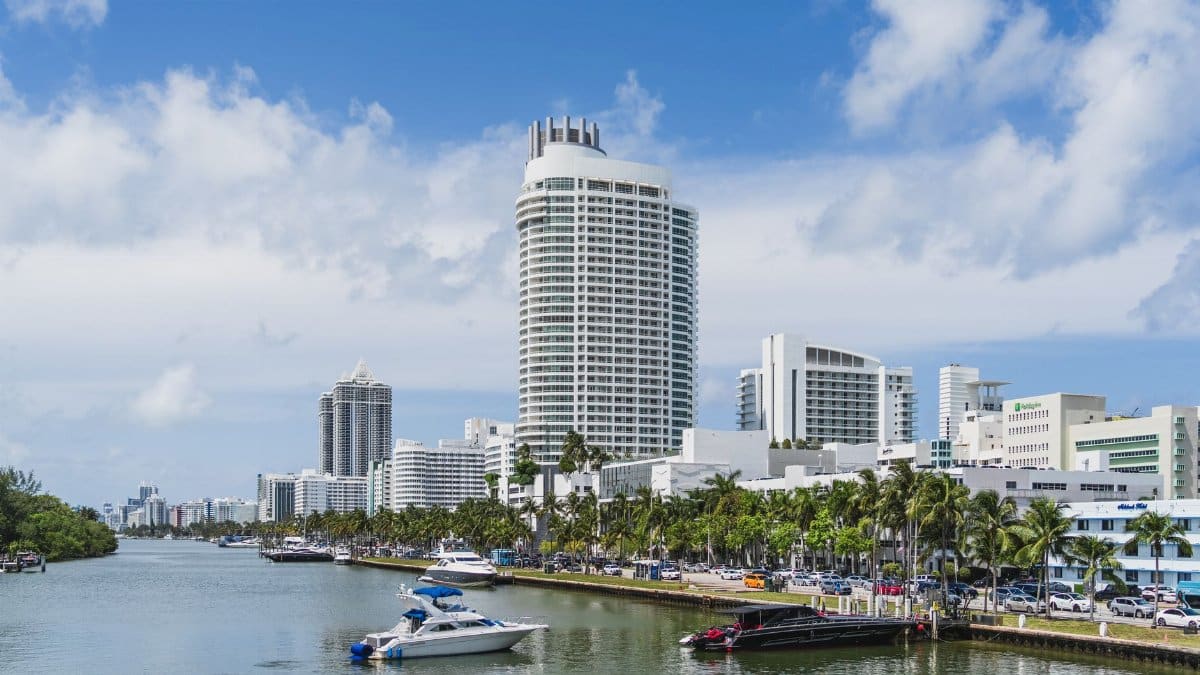
In a surprising turn of events that has captured attention across the state a jury reached a decision holding Miami Beach State Representative Fabian Basabe responsible in a sexual harassment lawsuit. This outcome emerged from what has been described as a tumultuous proceeding where the lawmaker chose to handle his own defense. Observers noted the intense exchanges and unusual dynamics that marked the entire process leaving many to reflect on how such matters play out when public figures face civil claims. The Florida Lawmaker Trial has since sparked discussions about workplace conduct standards and the challenges of navigating legal systems without professional counsel.
Background Leading to the Lawsuit

The case originated from allegations made by a former staff member who claimed inappropriate behavior during her time working in the representative office. Court records show the claims centered on comments and actions that created an uncomfortable environment according to the plaintiff account. Over several months evidence was gathered including witness statements and communications that helped shape the narrative presented to the jury.
Choice to Represent Himself in Court
Basabe opted against hiring an attorney opting instead to manage questions and arguments personally throughout the trial. This approach led to extended questioning sessions and occasional interruptions as he sought to challenge testimony directly. Legal experts have pointed out that such decisions can influence how evidence is conveyed and how the overall presentation is received by jurors.
Key Moments During Testimony
Several witnesses took the stand describing interactions they observed or experienced in the workplace setting. The plaintiff detailed specific incidents that formed the core of the complaint while the defense efforts focused on questioning the sequence of events and motivations behind the filing. Jurors listened attentively as both sides presented their versions without the usual structure provided by legal teams.
Impact on Local Political Landscape

The verdict arrives at a time when Florida politics continues to grapple with questions of ethics and conduct among elected officials. Colleagues in the state house have offered limited public comments though some have called for further review of internal policies regarding staff protections. This Florida Lawmaker Trial may encourage other districts to examine their own practices more closely.
Broader Conversations on Workplace Conduct
Sexual harassment cases involving government employees often bring renewed focus to training programs and reporting mechanisms. Advocates argue that clearer guidelines could prevent similar disputes while critics suggest existing rules already provide adequate avenues for resolution. The outcome here adds another data point to ongoing debates at both state and national levels.
Reactions from Constituents and Observers
Residents in the Miami Beach area expressed a range of views with some emphasizing the importance of accountability for those in power and others noting the need for due process in all legal matters. Social media platforms saw increased activity as people shared updates and opinions about the proceedings and final decision.
Potential Next Steps for the Representative
Following the liability finding Basabe faces the prospect of determining damages in a separate phase of the case. Appeals remain an option though the self represented strategy may complicate efforts to revisit certain aspects of the trial record. Future political activities could also be affected depending on how the situation develops in coming months.
Lessons for Future Legal Proceedings
This Florida Lawmaker Trial underscores the complexities that arise when individuals without formal legal training take on civil litigation roles. Courts may see more instances of similar choices in high visibility matters prompting adjustments in how guidance is offered to self represented parties. Observers will watch closely to see if patterns emerge in comparable cases.