
On a weeknight when downtown San Francisco still feels half awake, the news moving through restaurant circles is simple and loaded. A local hospitality group is taking over all the bars at a struggling SF food hall, betting that the pour, the playlist, and the person behind the counter can do what another round of menu tweaks has not. The hall in question is Saluhall, the ambitious multi vendor space tied to the IKEA project on Market Street. For a city that has spent years arguing about whether downtown can be a place people choose, rather than a place they endure, the handover is a small story with a large question attached.
A hall built for a crowd that did not arrive
Saluhall opened with the confidence of a concept that had already worked on paper. Shared tables. A plant forward menu. Vendors under one roof. A hope that shoppers leaving a furniture store, office workers between meetings, and visitors hunting for something new would collide in the same room and stay for a meal. The room is handsome. The idea is coherent. The crowd, by most accounts from people who have walked the floor on ordinary afternoons, has been thinner than the architecture implied.
Food halls live or die on density. A single excellent stall cannot carry a cavern. When seats stay empty, vendors lose nerve, hours shrink, and the remaining operators start cooking for a ghost town. That spiral is not unique to San Francisco, but it lands harder here because downtown already carries the reputation of a place people avoid after dark. A struggling SF food hall does not fail in private. It fails in public, under high ceilings, with the lights still on.
Why the bars, and why all of them
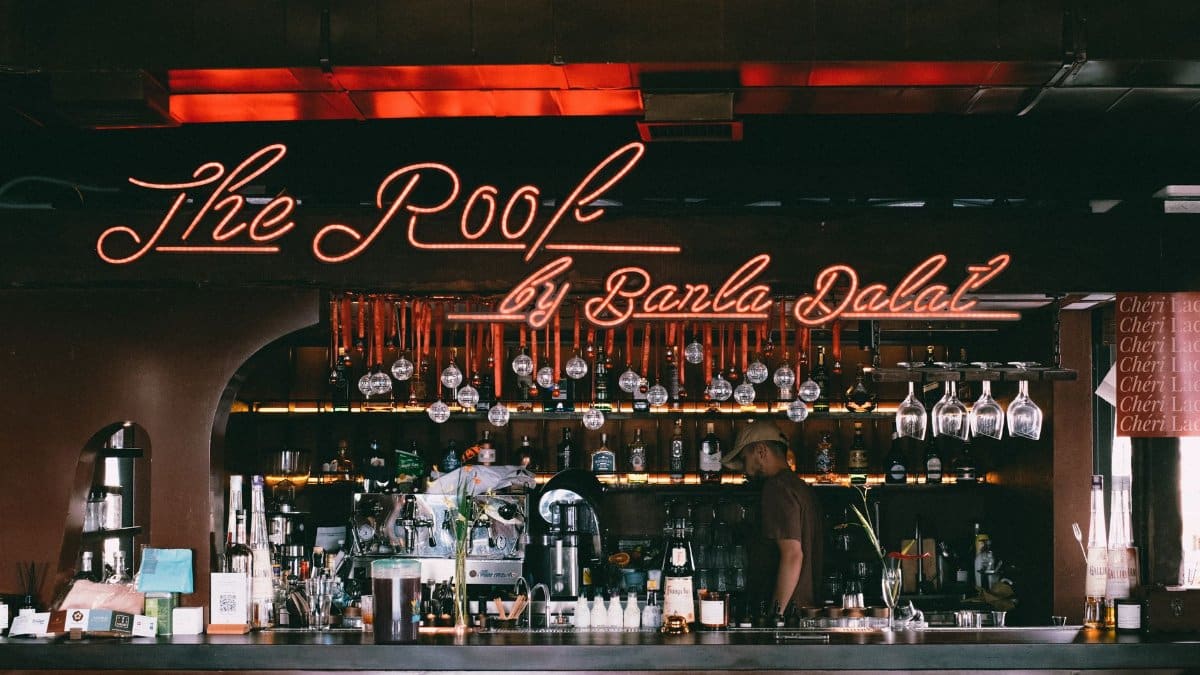
The decision to hand every bar to one local hospitality group is the part worth pausing over. Kitchens and bars are different businesses wearing the same address. A vendor can plate a beautiful bowl and still lose the evening if the drink program feels like an afterthought, the line is confusing, or nobody is hosting the room. Bars set the temperature. They decide whether a stranger sits down or keeps walking toward the escalator.
Putting all of the bars under one operator is a bet on consistency. One standard for service. One sense of what the room should sound like at five and at eight. One person, or one small team, accountable when a guest says the place feels cold. Fragmented bars can look lively on a rendering and feel like four different restaurants that forgot to introduce themselves. A single group can treat the hall as a neighborhood rather than a concession stand.
What a local group can see that a blueprint cannot
Out of town concepts often arrive with research and leave with lessons. Local operators arrive with scar tissue. They know which blocks empty out when a conference ends. They know that a Thursday in the Financial District is not a Thursday in the Mission. They know that San Francisco diners will forgive an imperfect dish faster than they will forgive a room that feels managed from somewhere else.
Hospitality, at its best, is a practice of attention. Someone notices the person eating alone and does not perform cheer at them. Someone keeps water moving. Someone chooses music that lets conversation happen. None of that shows up in a lease abstract. It shows up in whether people text a friend to come meet them. The group taking the bars is being asked to supply that attention at scale, across every pour in the building, not as a side project beside someone else’s brand.
The downtown math that no cocktail can erase

It would be dishonest to pretend a better old fashioned repairs Market Street. Office attendance remains uneven. Transit riders still make calculations about time and safety that they did not make a decade ago. Rents and build out costs in a flagship project do not shrink because the negroni is balanced. Vendors who have already left, or who are quietly looking at the door, are responding to covers, not to vibes.
Still, bars are one of the few levers a food hall can pull without rebuilding the kitchens. A drink program can extend the day past the lunch rush that furniture shoppers provide. It can give office workers a reason to stay for one more hour. It can make the hall legible to people who do not want a full meal and will not commit to a table if the only option feels like a cafeteria with better lighting. Traffic is a spiral in both directions. A little more of it can keep a stall open long enough to find its regulars.
Gathering as a civic habit, not a slogan
There is a reason this story sits awkwardly beside sermons and wellness trends and still belongs in the same conversation. Cities recover, when they recover, through repeated ordinary meetings. A drink after work is not church. It is also not nothing. It is one of the last cheap rituals in which strangers share a counter and agree, for twenty minutes, to be in the same place on purpose.
San Francisco has no shortage of opinions about the soul of downtown. It has a shortage of rooms where those opinions can be set down next to a glass while someone else orders fries. A food hall will not restore a civic religion. It might restore a habit. Habits are how neighborhoods remember themselves. If the new operators understand that the bar is a hosting job before it is a margin job, they will be closer to the assignment than any branding deck.
The guests the hall still has to earn
The people most likely to save a place like this are not tourists chasing a concept. They are the workers who can walk there, the neighbors who will try it twice, and the friends who need a midpoint between neighborhoods that no longer feel casually connected. Those guests are picky in a specific way. They want to know the price before they sit. They want a seat that is not a performance of scarcity. They want staff who look glad they came, not staff reciting a script about sustainability while the room echoes.
Plant forward cooking can be a gift or a lecture. Saluhall leaned into vegetables because that is the house style of its corporate parent and because plenty of Bay Area diners already eat that way at home. The bars do not have to contradict that style. They do have to offer pleasure without apology. A hall that feels medicinal will not become a habit. A hall that feels hosted might.
What operators will be judged on first
In the first months, almost nobody will care about the long range vision. They will care whether the bar is open when the sign says it is open. They will care whether a beer is cold and a zero proof option is not an insult. They will care whether a manager is visible when something goes wrong. Food halls accumulate small humiliations: a closed stall with no explanation, a restroom line, a playlist that shouts, a staffer who cannot say what is still serving. Each one teaches a guest not to return.
A single group running every bar can remove some of that friction if it is willing to be boring in the right ways. Same hours. Same greeting. Clear menus. People who know the building. The romance of a takeover is less useful than a Tuesday that works. Readers who have watched other halls thin out already know the pattern. Announcement, optimism, a quiet stretch, a new operator, another announcement. The only rebuttal is repetition of a good night.
Vendors watching from their own pass windows
The kitchens are not the ones signing this deal, and they will feel it anyway. A stronger bar can feed a stall. It can also overshadow it, or set a tone the food cannot match. If the drinks become the reason to visit and the plates remain uneven, the hall splits into a bar that happens to have kitchens. That is a survivable business. It is not the promise Saluhall made when it opened its doors and invited the city to treat the place as a new kind of public table.
Fairness inside the building will matter as much as foot traffic outside it. Who gets the busy corner of the evening. Whose guests are steered toward a second vendor. Whether staff talk about the hall as a shared project or as their own room with tenants attached. Local groups sometimes excel here because they have had to share a block with competitors for years. Sometimes they excel at their own bar and forget the rest. The vendors will know which version they got within a month.
A city tired of rescue narratives
San Francisco has been cast as a patient for so long that even a modest business story arrives dressed as a referendum. A local group takes the bars, and someone will call it a renaissance. Someone else will call it rearranging glassware on a sinking counter. Both reactions skip the actual work. The work is schedules, hiring, pricing, and the unglamorous decision to stay open on a slow Wednesday because that is how regulars are made.
Journalists should be careful here, including this one. Downtown is not a metaphor. People are trying to make payroll. A struggling SF food hall is a workplace before it is a symbol. The respectful way to cover a handover is to ask what will be different on the floor, not to inflate a bar contract into a verdict on the American city. If the group wants a fair reading, it should welcome that narrower question.
How to tell whether the bet is working
Ignore the opening party. Watch the sixth week. Are the bars staffed by people who know the menu without a huddle. Do the same faces return. Do vendors report a dinner bump rather than a lunch trickle. Is the room loud enough to feel inhabited and quiet enough to talk. Can a person eating alone finish a drink without being rushed or ignored. Those are not mystical metrics. They are the ones operators already use when they are being honest with themselves.
Public agencies and landlords like larger numbers: sales per square foot, dwell time, event bookings. Those numbers matter, and they will not move if the small ones fail. Reporting on Saluhall has already traced the gap between a celebrated debut and a harder second season. The bar deal, as described in coverage of the operator change, is an attempt to close that gap from the service side rather than by redrawing the map.
What renewal looks like when it is not a speech
Renewal is an overused word in a city that has heard it from every podium. Applied to a food hall, it should mean something plainer. More people choosing to stay. Fewer stalls going dark. A staff that can describe the place without flinching. A guest who comes back with someone who has never been. If spirituality has any honest place in this story, it is in that repetition: showing up, feeding people, making a public room feel safe enough to linger.
The local group now responsible for every bar does not need to save downtown. It needs to make one address feel worth the walk. That is a humbler assignment than the renderings suggested, and it may be the only one that still fits. San Francisco has plenty of concepts. It is short on rooms that keep their promise after the photographers leave. A struggling SF food hall can still become a reliable one. The pour is where that possibility starts, or where it quietly ends.