

On a gray weekday morning west of Philadelphia, a platform that usually empties in a familiar rush stayed crowded a few minutes longer. People glanced from the overhead board to their phones, then back again, as if the numbers might correct themselves. SEPTA schedule changes had taken effect on Regional Rail, and the small contract between a rider and a departure time had been rewritten. For passengers on the Paoli/Thorndale Line and on other routes that feed the city from the suburbs, the adjustment is not a single awkward commute. Transit officials say the modified timetable will stay in place for at least three months, long enough to rearrange school runs, office arrivals, and the quiet calculations people make before they leave the house.
A timetable that arrives before the explanation does
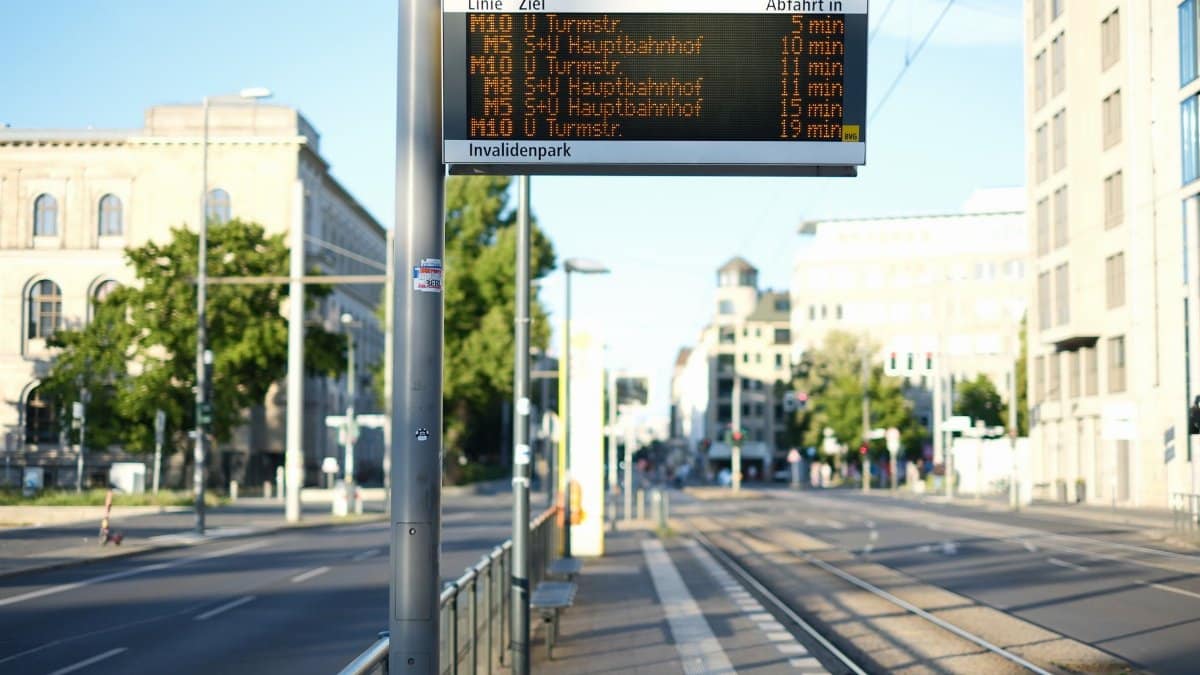
Schedule revisions rarely announce themselves with drama. They arrive as a PDF, a platform notice, and a text from a coworker who caught an earlier train by accident. This round is broader than a holiday detour. SEPTA has introduced modified Regional Rail schedules that touch service patterns riders treat as fixed furniture. The Paoli/Thorndale Line, a spine of the western suburbs, is among the routes where the difference will be felt first. Other lines are included as well, which means the change is not a local quirk but a system adjustment with a regional footprint.
That distinction matters. A delay is an event. A new timetable is a policy. It tells a household when dinner can start, when a shift can end, and whether a connection at a center city station is still realistic. For three months or longer, those answers will come from a different clock.
What changes on the Paoli/Thorndale Line

The Paoli/Thorndale Line carries office workers, students, and weekend visitors between Chester County, the Main Line, and the city. Its stations are spaced through towns where the train is not a backup plan but the plan. When headways shift, even by a modest interval, the effect multiplies. A train that leaves eight minutes earlier can miss the person who walks from a parking lot. A train that leaves later can miss a meeting that starts on the hour and does not wait.
Riders should not assume that only peak trips moved. Off peak gaps, evening returns, and the last reasonable train home are often where a revision bites hardest. Someone who can absorb a morning change may not be able to absorb a thinner evening. The practical task this week is simple and unglamorous: read the full day, not the one departure you already know.
Other lines, same week, different stakes

SEPTA schedule changes do not land evenly. A line with frequent service can hide a revision inside a crowd of options. A line with fewer trains cannot. Riders on routes beyond Paoli/Thorndale should treat the new board as unfamiliar even if their station looks the same. Connections are the hidden variable. A Regional Rail trip that depends on a bus, a trolley, or a second train can fail even when each piece, viewed alone, still exists.
Philadelphia’s transit map is a set of promises stacked on top of one another. When one layer slides, the stack has to be rebuilt by the person holding the fare card. That work falls on commuters, not on the timetable designers, which is why the first week of a revision always feels more chaotic than the document suggests.
Why three months is a long time on a platform
Officials have described the modified schedules as lasting at least three months. In transit planning, that span is a trial window: long enough to watch ridership, crowding, and on time performance, short enough to reverse if the pattern fails. In a life, three months is a season. It covers a grading period, a sales quarter, a run of medical appointments, and the weeks when daylight shrinks and waiting outside becomes a different kind of task.
A temporary change that lasts a season starts to behave like a permanent one. People buy different parking permits. Employers stop excusing the late arrival. Parents renegotiate pickup. If the agency later restores the old times, some of those adaptations will not snap back. The social timetable moves more slowly than the printed one.
The morning bargain and the evening one

Commuting is two negotiations, not one. The morning bargain is about arrival. The evening bargain is about recovery: getting home before a sitter’s cutoff, before a second job, before the grocery store closes. Regional Rail revisions often protect the inbound peak because that is where political attention concentrates. The outbound evening is where riders discover whether the system still considers their day finished.
A rider who gains six minutes in the morning and loses the 6:40 home has not been helped. The honest way to judge this revision is to follow a full round trip, including the transfer, and to do it on a day when nothing else goes wrong. Nothing else will go wrong only in the brochure.
Employers, schools, and the fiction of flexibility

Many suburban workplaces still speak the language of flexibility while running meetings that start at a fixed hour. Schools dismiss on a bell. Neither institution rewrites itself because a railroad moved a trip. The burden of translation sits with the employee and the parent. During the first weeks of SEPTA schedule changes, the useful question for a manager is not whether someone can simply leave earlier. It is whether the new departure still connects to a train that exists.
Some offices near Regional Rail stations will barely notice. Others, especially those whose staff come from several lines at once, will see a ragged arrival pattern that looks like individual failure and is actually arithmetic. A humane workplace treats the first month as information, not as a disciplinary record.
Reliability is the promise underneath the clock
A schedule is only as good as the railroad that tries to keep it. Riders have spent years learning to distrust precision after crew shortages, equipment trouble, and the slow work of restoring service. A cleaner timetable can be a genuine improvement if it matches the number of trains the agency can actually staff and maintain. It can also be a cosmetic tightening that looks orderly on paper and frays by Thursday.
The test is not the press language. The test is whether the train that is printed also appears, and whether the following train is close enough to matter when the first one does not. For at least three months, riders will be collecting that evidence one platform at a time. Their sample will be small and personal, and it will still be more persuasive than a systemwide average.
How to read the new board without missing the train
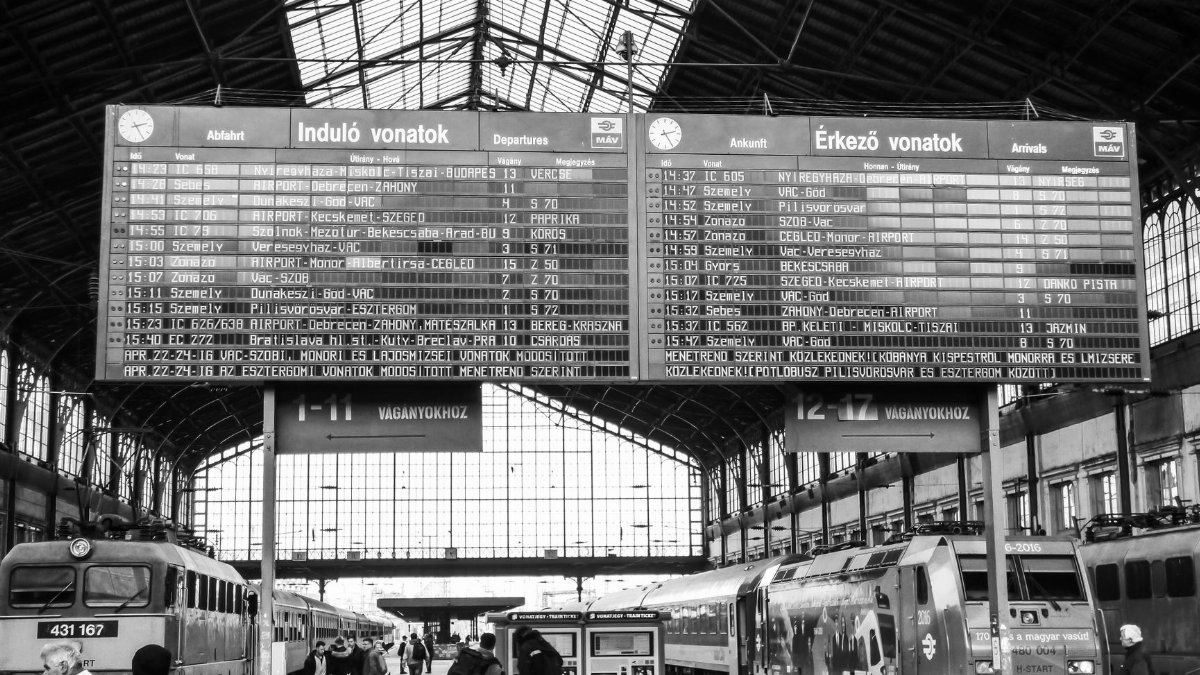
The practical advice is dull, which is why it works. Check the specific train, not the line in general. Check both directions. Check the day of the week, because Saturday patterns are not Sunday patterns and neither is a weekday with a twist. Confirm the station, because some revisions skip stops or alter which trips express. Leave a margin for the walk from the car or the bus, and do not spend that margin on the assumption that the old habit still holds.
SEPTA’s own trip tools and station notices are the documents that count. A screenshot from last month is a souvenir. So is the memory of a conductor who used to hold the door. Habits are efficient until the underlying rule changes. Then they are how people miss trains they could have caught.
Who feels a revision first

Not every rider has the same slack. A professional with a flexible start and a car in the driveway can treat a missed connection as an annoyance. A worker on a split shift, a student with a lab that locks its door, or a caregiver timing a handoff cannot. Regional Rail’s suburban image sometimes hides how many of its passengers are using the train because the alternative is expensive, slow, or unavailable. When service thins, those riders do not experience a lifestyle adjustment. They experience a pay cut, a missed class, or an unsafe walk.
Any review of these months should listen there first. Ridership totals will show who kept riding. They will not show who stopped because the new times made the job impossible. That absence is part of the data, even when it never appears in a chart.
The politics riding in the quiet car

Regional Rail sits at the center of arguments Philadelphia has been having for years: how to fund a system that serves both the city and the counties, how to balance frequency against coverage, and how to rebuild trust after disruption. A timetable revision looks technical. It is also a statement about whose hour is protected. Lawmakers and agency leaders will be judged less on the elegance of the new pattern than on whether trains run and whether the people who depend on them were warned in time to rearrange a life.
Public comment after the fact is a weak tool. By the time a rider can describe the harm, the babysitter has already been paid and the shift has already been missed. The better standard is advance clarity, plain language, and a real path to adjust if the trial fails the people it is meant to serve.
What the next three months should prove

If the modified schedules are a trial, the trial needs a public definition of success. More reliable arrivals. Fewer canceled trips. Connections that still function. Crowding that does not simply move from one train to the next. Riders can tolerate a new clock if the railroad becomes more honest about what it can deliver. They will not tolerate a new clock that is merely a different way of being late.
SEPTA schedule changes of this kind should come with a date when the agency will say, in ordinary language, what it learned. Not a slogan. A comparison between the promise and the platform. The Paoli/Thorndale Line and the other affected routes will supply that comparison whether or not anyone publishes it. The trains will either be there or they will not.
Living with a revised hour
For now, the updated Regional Rail schedule is the one that counts. It takes effect this week, it reaches beyond a single corridor, and it is built to last at least three months. That is enough time to learn a new habit and enough time to discover that the habit does not work. Commuters will do what they always do: adjust, complain, and keep a private tally of which trips can be trusted.
The railroad’s job is narrower and harder. Publish times that match the service it can run. Tell people early. Watch who is left waiting when the board goes dark. A schedule is a civic document disguised as a list of minutes. This one will be read, in the cold, by people who needed the old minute and have not yet been given a good reason to believe in the new one.