
On a humid afternoon in southwest Miami, twelve enormous fans roar to life and a test house begins to shake. Engineers watch from behind thick glass as shingles lift, a window frame bends, and water finds every weakness the builders hoped they had sealed. This is the FIU hurricane lab, a place where destruction is not an accident but a method. Florida International University built it so researchers could see, in controlled conditions, what a major storm does to the places people live. The work is loud, expensive, and oddly hopeful. Break something here, the thinking goes, and a family somewhere else might keep a roof.
Why engineers destroy houses on purpose
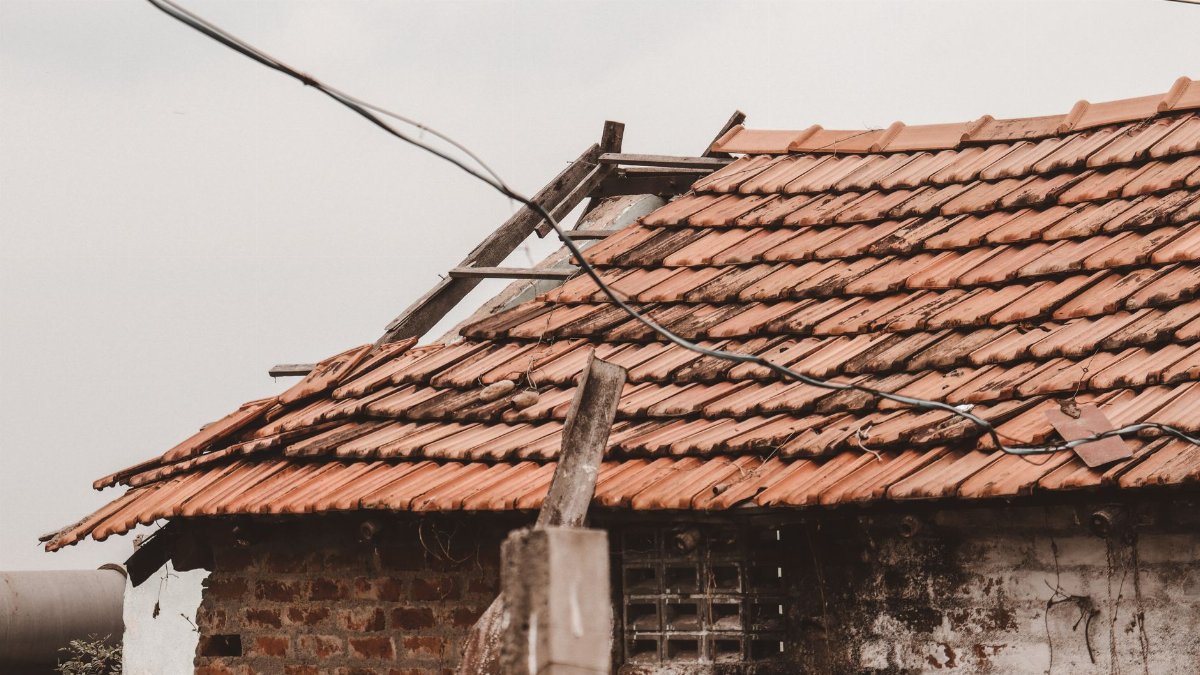
Most of us meet a hurricane only after the fact, in a flooded street or a news photograph of a missing wall. The researchers at Florida International University prefer to meet the storm before it arrives, and on their own schedule. They assemble roofs, walls, and sometimes nearly complete houses, then subject them to winds strong enough to qualify as a major hurricane. The point is not spectacle. A failed connection, a lifted edge of roofing, a window that gives way at a particular pressure tells a builder something a computer model can only suggest.
That preference for breaking things in public view can look strange to people who associate laboratories with quiet instruments and white coats. Wind engineering is closer to a shipyard. Crews bolt specimens to a turntable. Sensors record pressure at dozens of points. When the fans stop, students climb over the wreckage with cameras and notebooks. Failure, carefully witnessed, becomes data.
A wall of wind inside a dense city
The facility most visitors remember is the Wall of Wind, a hangar scale machine whose fan array can push air past 150 miles an hour. Florida International University describes the system on its Wall of Wind site as a full scale testing resource capable of Category 5 winds, with water added so researchers can study wind driven rain as well as pure force. The FIU hurricane lab sits not on a remote proving ground but inside a major metro area, which matters. Faculty, county officials, and product makers can watch the same test and argue about what they saw before the debris is cleared.
Location also shapes the questions. South Florida building practice, insurance markets, and political fights over development are never far from the turntable. A roof assembly that survives in the hangar may still be too costly for a modest house in Homestead. A detail that fails may already be common in neighborhoods that have not seen a direct hit in years. The machine does not settle those arguments. It makes them harder to dodge.
What the fans can and cannot imitate
No laboratory hurricane is the storm itself. Real cyclones wander, stall, and throw debris that no schedule can fully predict. Terrain, tree lines, and neighboring buildings change the wind in ways a fan wall can only approximate. Researchers are frank about those limits when they are doing the job well. A successful program names what the test represents and what it leaves out.
Even so, controlled violence has advantages that field observation lacks. After a landfall, investigators arrive late, often to structures whose history is poorly documented. They cannot rewind the wind and try a different nail pattern. In the hangar, the same wall can be rebuilt and run again. Pressure taps record the load at the moment a seam opens. That repeatability is why the Wall of Wind is part of the National Science Foundation Natural Hazards Engineering Research Infrastructure network, a role described through DesignSafe. The designation signals that the machine is meant to serve investigators beyond one campus.
Roofs, windows, and the small failures that decide a house
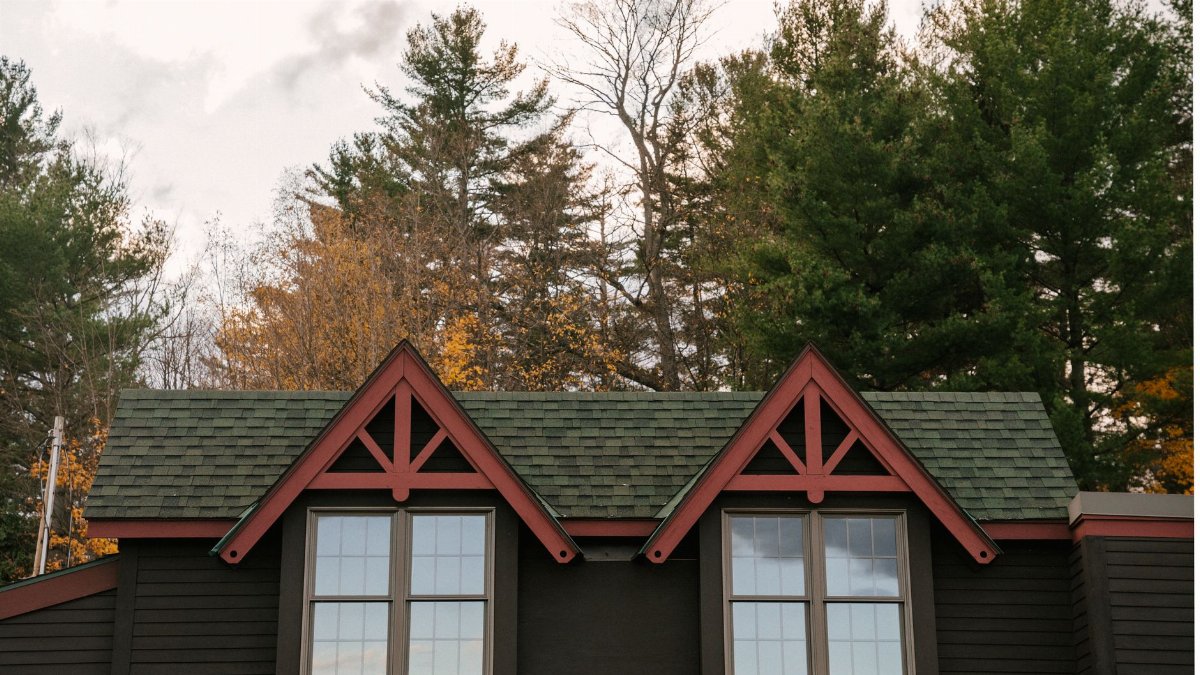
Catastrophe often begins with a modest opening. A garage door bows. A soffit vent becomes a scoop. Once wind gets into the attic, pressure can peel a roof that looked sound from the street. Engineers at the lab spend much of their time on these unglamorous joints: fasteners, underlayment, shutter hardware, the way a window frame meets a concrete block wall. The drama of a collapsing specimen is useful mainly because it points back to a detail a crew might change on a Tuesday morning.
Water is the quieter accomplice. Wind driven rain exploits gaps that would never leak in an ordinary thunderstorm. Carpets, wiring, and drywall can be ruined even when the structure stands. Insurers have learned this lesson in claims files. The hangar lets researchers watch the path of that water while the fans are still running, which is a different kind of evidence from a stain discovered three days later.
From a failed test to a line in the code
A dramatic video does not rewrite the building code by itself. Codes move through committees, public comment, and the slow politics of cost. What a laboratory can offer is a record that those committees can cite. If a particular roof edge detail repeatedly fails at winds the region already expects, officials have a harder time treating the failure as anecdote. Product makers, for their part, use the same record to argue that a more expensive assembly deserves a place in the market.
The path is uneven. Florida has strengthened wind provisions after painful seasons, then watched those rules become a national reference and, at times, a target for pushback from builders who say the price of compliance falls on people least able to pay. The FIU hurricane lab does not write the statute. It supplies a kind of evidence that makes wishful thinking more expensive to defend. That is a modest power, and an important one.
Who can afford a house that survives
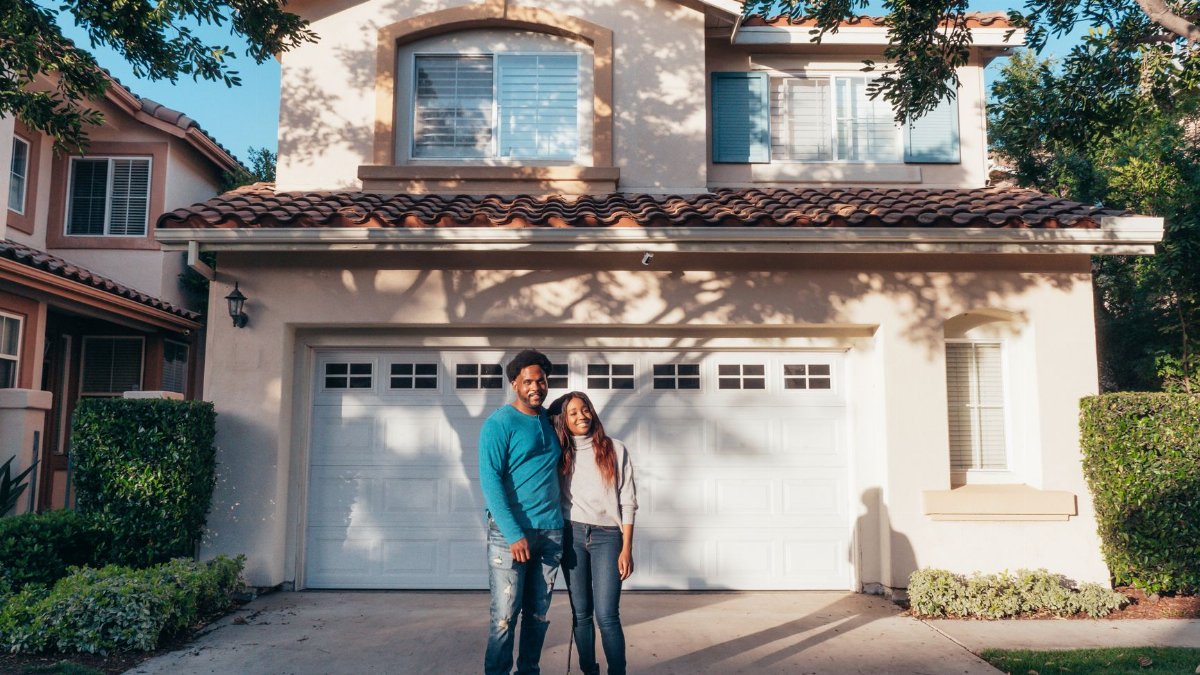
Resilience talk sometimes floats above the monthly budget. A homeowner replacing a roof after a near miss may be choosing between a safer assembly and a payment that still fits. Renters rarely choose the fasteners above their heads at all. If testing only produces specifications for luxury construction, the public investment in the hangar will have missed much of the housing that actually floods and unroofs.
Researchers and local officials who take that criticism seriously look for details that improve performance without assuming a custom build. Better nailing patterns, simpler water barriers, shutters that a household can actually deploy: these are less photogenic than a house torn apart on camera, and more likely to matter on an ordinary block. The moral test of the work is not whether the fans are impressive. It is whether the lessons reach houses that are not in the brochure.
Insurance, memory, and the storm people would rather forget
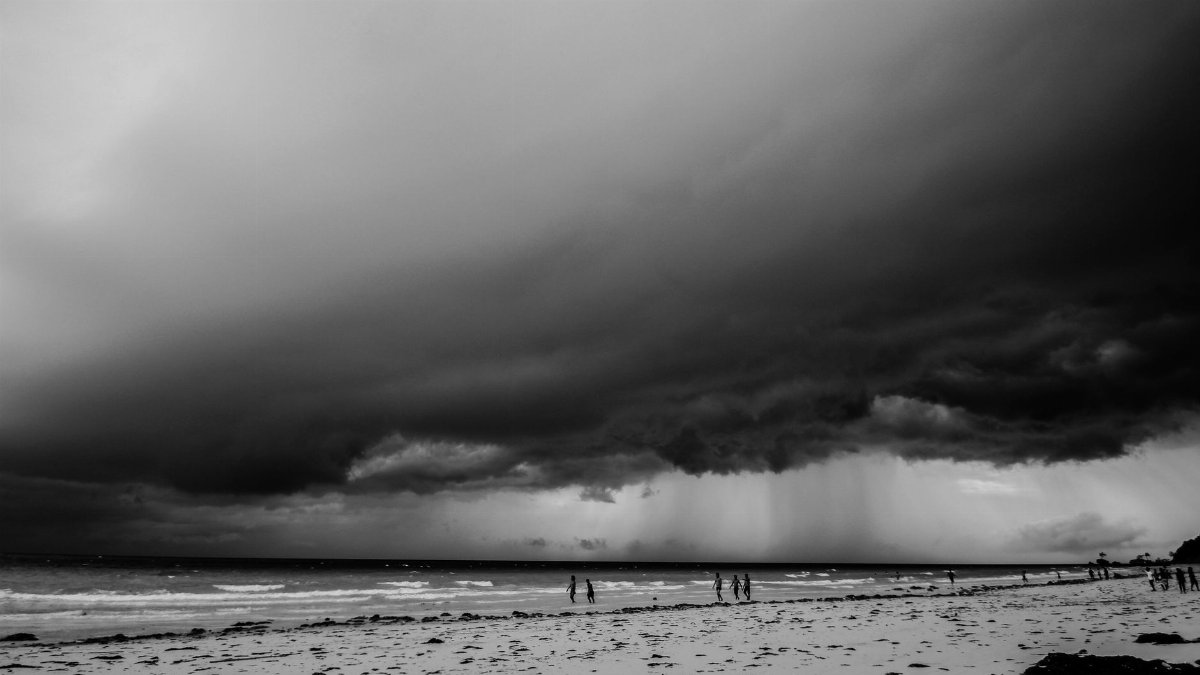
South Florida remembers Andrew, Irma, and a lengthening list of seasons that did not need a direct hit to scramble daily life. Memory fades anyway. Premiums rise, carriers retreat, and households shop for the cheapest policy that a lender will accept. A laboratory cannot restore an insurance market. It can remind that market, and the public that depends on it, that physical performance is not a slogan.
There is a civic dimension here that sits close to how communities talk about duty. After a bad season, neighbors share generators, tarps, and rides to cooling centers. That generosity is real. It is also a poor substitute for a roof that was attached as if the next storm were certain. The hangar’s harsh method, breaking a specimen so another house might stand, is a technical version of the same ethic: spend attention now, while the sky is clear, because later the attention will be spent on rescue.
What researchers still cannot stage

Some of the hardest questions never fit on the turntable. How should a city house people who cannot leave when an evacuation order comes? How do repeated losses, even small ones, wear down a household’s savings and health? How should officials weigh a marsh that buffers surge against a subdivision that a developer is ready to finance? Wind engineers can describe loads. They cannot, by themselves, assign the losses that follow when a society ignores those loads.
Climate trends complicate the picture further. Warmer seas do not turn every season into a catastrophe, but they change the background against which building decisions are made. A lab calibrated to yesterday’s worst case may need to keep asking whether yesterday is still the right benchmark. Honesty about uncertainty is part of the scientific job. Pretending the fans have answered the political questions is not.
Students who learn by watching things fail
A research hangar is also a classroom. Graduate students who spend a season instrumenting a roof learn to distrust tidy diagrams. They see a connection slip because a washer was the wrong size, or because a crew was tired at the end of a hot day. That education is hard to fake in a lecture hall. The FIU hurricane lab, like other hazard facilities, produces papers, but it also produces people who will later sit in county offices, insurance companies, and design firms with a memory of what failure looks like up close.
Those alumni matter as much as any single test report. Codes are interpreted by humans under deadline. A plan reviewer who once stood in the wash of the fans may ask a sharper question about a soffit detail than one who has only read a table. Training is slow. It is also one of the few ways a publicly funded machine outlasts the grant that built it.
A wider map than Miami

The lessons do not stop at the county line. Inland communities now plan for winds that older residents were told belonged only to the coast. Caribbean and Gulf cities face similar roof and window problems with different materials and different wealth. When outside investigators book time on the fans, the hangar becomes a shared instrument rather than a local trophy. That sharing has limits. A test specimen built to Florida practice may not represent a wooden house in another state, or a concrete home assembled under different labor rules. Exporting a result without exporting the assumptions is how good data becomes bad advice.
Still, the habit of testing before trusting is portable. A jurisdiction that cannot afford its own fan wall can still demand evidence, visit a facility, or require that products demonstrate performance under an agreed protocol. The machine in Miami is one node in that larger expectation.
The political weather around a technical project
Hazard research does not float above politics. Funding can be cast as prudence or as alarmism, depending on who is speaking. Development interests may welcome a study that blesses a product and resist a study that implies whole neighborhoods were built too lightly. University leaders, for their part, like a facility that draws cameras. The public interest is narrower and sterner: independent tests, results that are published, and a refusal to let sponsors quietly bury an inconvenient failure.
Readers should ask ordinary questions of any such lab. Who chose the specimen? Who paid? Were the results available to code committees and to critics, not only to the company that hoped for a passing grade? Florida International University’s public role gives it a chance to answer those questions in the open. Whether it always does is a fair subject for continued reporting, not a matter of faith.
What a good test looks like when the fans stop
Success, in this setting, is easy to misread. A house that survives the full run is not a promise that every similar house will survive the next named storm. A house that comes apart is not a verdict on an entire industry. The useful outcome is a clear chain from setup to measurement to a recommendation someone can act on: change this fastener, close this gap, do not rely on this vent when the wind turns. If the writeup cannot say that in plain language, the roar of the fans was mostly theater.
Journalists have a role in that translation. A clip of flying debris will always travel farther than a pressure chart. The chart is usually the story. Readers deserve both the image and the limit on what the image proves.
Why a noisy hangar belongs in the public conversation
It is tempting to treat hurricane damage as fate, a tax the peninsula pays for its weather and its views. The work in southwest Miami argues for a less passive stance. Houses fail in patterns. Patterns can be studied. Studied patterns can be interrupted, if governments, builders, and households decide the interruption is worth the money and the hassle. None of that is guaranteed by the existence of a laboratory. All of it becomes more plausible when someone is willing to wreck a roof on purpose and write down exactly how it went.
The FIU hurricane lab will not calm the Atlantic. It will not settle insurance bills or decide where the next subdivision should stand. It can make ignorance a little harder to maintain. In a region where the next season is never abstract for long, that is a serious public service, measured not in decibels but in the houses that do not have to be rebuilt from a photograph.