

On a bright Saturday the ramps at Houston’s Galleria still fill the way they have for years, with families balancing bags and visitors circling for a stall close to the doors. The ritual looks unchanged until the calendar reaches November 2, when a long courtesy becomes a transaction. Galleria parking fees will apply in garages that shoppers have treated as part of the invitation itself. The shift is small on a receipt and large in habit, because a mall this size has always sold convenience before it sold a single pair of shoes.
A place built around the ease of arrival

The Galleria opened in 1970 as a wager that Houstonians would drive, park, and stay. Its ice rink, hotels, and luxury corridors made the complex a civic landmark as much as a shopping center. Free parking was never advertised as a gift. It was simply assumed, the way air conditioning is assumed in August. Generations learned the garage codes by heart: which ramp emptied fastest after a movie, which level sat nearest a favorite restaurant, which corner stayed cooler in midafternoon. That memory is part of why the new charge feels personal. People are not only being asked to pay. They are being asked to revise a map they have carried for decades.
What the November change actually signals

According to contemporaneous reporting by the Houston Chronicle, free parking ends at the mall starting November 2, with new fees for shoppers. The precise rate card will matter, and visitors should read the posted rules before they assume a quick errand is cheap. What is already clear is the principle. Time in the garage is no longer an unpriced extra. Validation, if offered for certain purchases or hotel stays, will turn the fee into a negotiation between how long you linger and how much you spend. That is a familiar model in dense downtowns. It is less familiar in a suburban style super regional mall where the car has always been the default guest.
Why owners reach for the garage

Mall operators across the country have spent the past decade defending foot traffic against online retail, rising insurance costs, and the expense of keeping vast structures safe and lit. A garage is not a passive slab of concrete. It needs patrols, cameras, elevators that work, and repairs after every storm season. Charging for stalls is one way to attach revenue to a cost that used to hide inside rents paid by tenants. Whether that logic persuades a shopper in a hurry is another question. Owners can argue that a modest fee discourages people who park and leave for nearby offices or restaurants without ever entering a store. Shoppers can answer that the mall invited exactly that kind of fluid use for half a century.
Workers who do not get to opt out
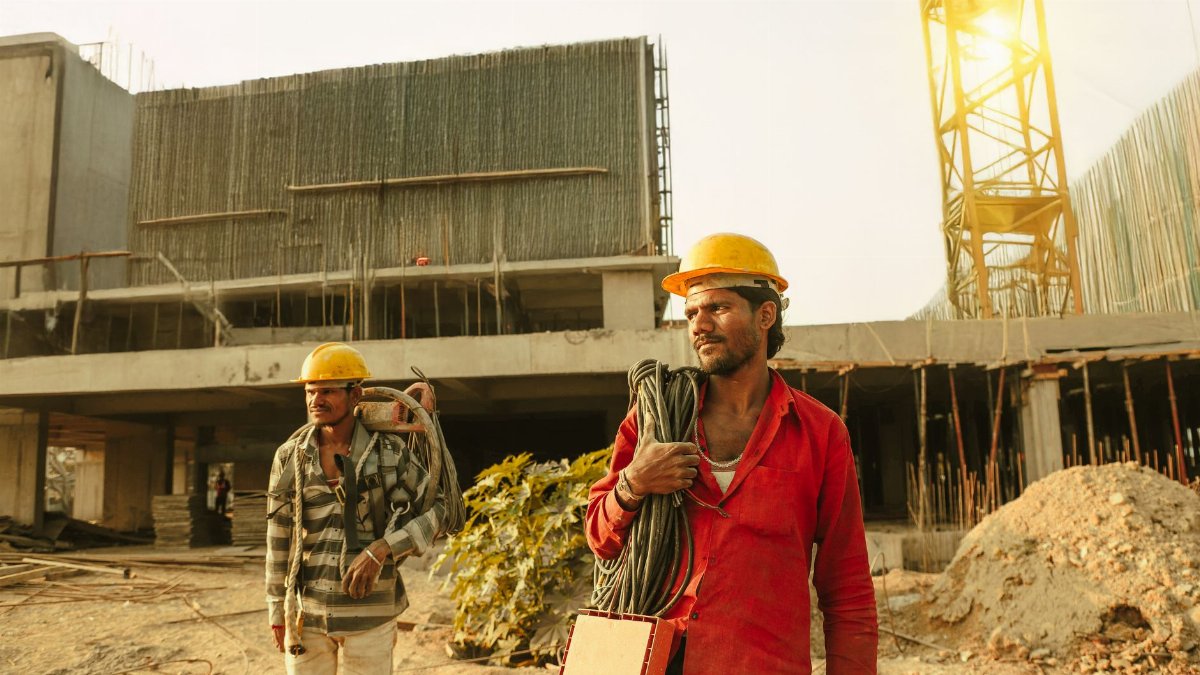
The sharpest tension sits with people who earn their living inside the complex. A sales associate, a cook, a security officer, or a cleaner may park for a full shift, not for a leisurely hour between purchases. If Galleria parking fees fall on employees without a meaningful exemption or a subsidized permit, the charge becomes a quiet pay cut. Transit in this part of Houston is limited for many shifts that start before buses run thick or end after they thin out. Driving is not a lifestyle choice for those workers. It is the only reliable way to arrive on time. Any fair version of paid parking has to separate the visitor who chooses a Saturday outing from the person who has no practical alternative.
The competitive streets around Uptown
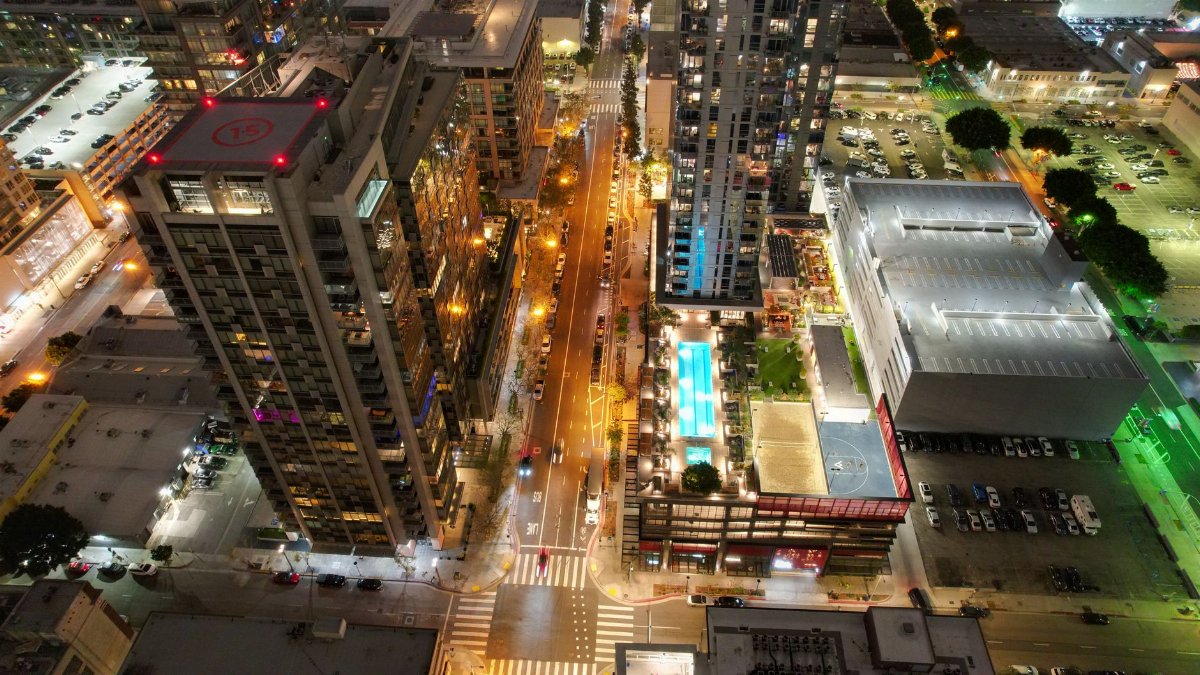
Uptown is not a single destination. It is a cluster of restaurants, hotels, offices, and smaller centers, each with its own parking deal. Some lots still wave cars in without a charge. Others already use gates, validation, or attendants. When one landmark starts billing the stall, neighbors gain a talking point and also inherit overflow. Drivers who refuse the new cost may hunt for free curbs and private lots never designed for mall volume. That spillover is where a pricing decision becomes a neighborhood issue: blocked driveways, frustrated valets, and tickets written on streets that were quiet an hour earlier. City rules on towing and street parking will do as much to shape the first months as the mall’s own signs.
How other cities learned to price the stall

Paid parking is ordinary in older downtowns, where land is scarce and transit is thicker. Operators there learned, sometimes painfully, that a flat daily rate can punish short visits while a steep hourly rate can punish dinner and a film. The better systems publish the clock in plain language, cap the daily total, and forgive a brief grace period so a wrong turn does not become a fine. Houston is not Manhattan, and pretending otherwise will breed resentment. The Galleria’s bet is that the mix of brands, dining, and the rink still outweighs a new line on the ticket. That bet holds only if the rules feel legible. Confusion at the exit gate will travel faster on social media than any press release.
Retail math when the lot is no longer free

Tenants will watch November with a calculator in one hand and a staffing sheet in the other. A fee can trim casual traffic, the browsers who wander in from the garage and leave with one small purchase. It can also concentrate visits among people who already planned to spend, which some stores prefer. Restaurants may feel the change at the margins, especially for a quick lunch that now carries a parking toll larger than the tip. Hotels attached to the complex have a different calculus, because guests expect arrival to be frictionless. If validation is generous for overnight stays and stingy for a coffee, the public will sort itself accordingly. Galleria parking fees will not rewrite the tenant roster in a week. They will nudge which trips feel worth making.
The first weeks as a public test

Early days will produce anecdotes more than verdicts. Someone will miss a validation window. Someone else will discover that a validated receipt erased the charge entirely and tell friends the panic was overblown. Employees will compare notes on permits. Parents hauling children from the rink will decide whether the outing still fits a family budget. Those stories, repeated, become the real policy. Mall management can adjust rates, extend grace periods, or widen worker relief if the backlash is specific and sustained. What it cannot do is restore the feeling that the garage was simply there, like the sidewalk. Once a price exists, every visit includes a small calculation that used to be absent.
A civic habit, not only a private bill

I have stood in those garages after a long afternoon, listening to engines tick in the heat, and understood them as a kind of shared anteroom. They are private property, yes, and the owner may charge for their use. They are also where the city briefly gathers: tourists, prom dates, office workers, grandparents meeting grandchildren by the rink. Putting a price on that anteroom does not make the gathering less real. It does ask Houston to say, out loud, what the stall was worth when it was free. If the answer is only a few dollars and a clearer set of rules, the anger may fade. If the answer is that ordinary errands and ordinary jobs just got harder, the fee will keep echoing long after the gate arm lifts.
What shoppers can do before they drive

Practical preparation is the least dramatic part of the story and the most useful. Read the posted schedule before you leave home. Ask whether a restaurant, store, or hotel validates, and keep the receipt where you can find it at the exit. Build in time so a slow ramp does not turn into a late fee born of hurry. If you work in the complex, get the employee policy in writing rather than relying on a rumor from a group chat. Compare the cost with a nearby alternative only if that alternative is legal and safe. None of this restores the old ease. It does keep a new rule from becoming an expensive surprise.
The larger question the fee leaves behind

Every city eventually prices something it once treated as background: a bridge, a curb, a garage, a patch of shade. The argument is rarely about the dollar alone. It is about who the place is for once the background has a bill. Galleria parking fees put that argument in one of Houston’s most visited private spaces, starting November 2. Shoppers will adapt, as they adapt to new tenants and new fashions. The standard worth watching is simpler than any slogan. Does the charge match a real cost, spare the people who must be there, and stay clear enough that a family can understand it without a lawyer? If those conditions hold, the mall remains a destination. If they do not, the garage will be remembered less as an amenity lost than as a promise quietly withdrawn.