
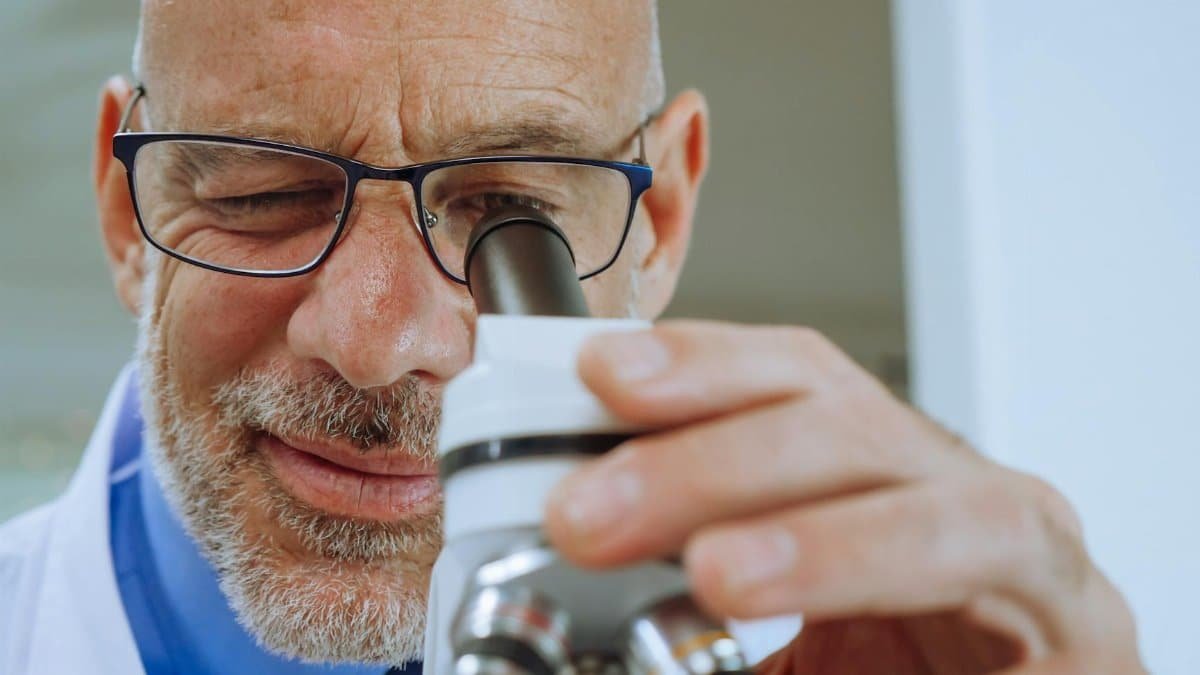
In the hushed corridors of hospitals around the world the protocols that guide physicians during their most urgent moments often trace back to the meticulous work of one visionary researcher. His passing closes a monumental chapter in medical history. Eugene Braunwald dies at the age of ninety six yet the frameworks he established within cardiology will endure for generations. Through persistent inquiry and groundbreaking clinical trials he transformed our understanding of the heart from an enigmatic organ into a system that could be protected and repaired with remarkable precision. His textbooks became essential companions for doctors while his studies on heart muscle damage and timely intervention helped shift medicine from reactive treatment to proactive preservation of life. For millions of middle aged Americans who have avoided early disability or death thanks to advances in cardiac care his contributions represent a quiet revolution that unfolded across more than seven decades of dedicated service.
A Childhood Forged in Turbulence

Born in Vienna in nineteen twenty nine Eugene Braunwald entered a world already darkening under political storm clouds. His family fled Nazi occupied Austria in nineteen thirty eight settling eventually in New York City where they rebuilt their lives with determination. That early displacement left an indelible mark instilling both resilience and an acute awareness of human vulnerability. Young Braunwald excelled in school channeling his formidable intellect toward science and medicine. By the time he entered New York University School of Medicine he had already developed the focused curiosity that would define his career. Those formative years taught him that knowledge itself could serve as both refuge and weapon against suffering a lesson he carried into every laboratory he later occupied.
Rising Through the Ranks of Research

After completing his medical training Braunwald joined the National Institutes of Health where he began investigating the physiology of heart failure with uncommon precision. Colleagues recall his intense work ethic and willingness to challenge prevailing assumptions about how the heart compensates for damage. He pioneered techniques to measure pressures inside living hearts that had previously only been possible in animal models or during surgery. These methods opened new windows into conditions that had long remained opaque. His leadership at the NIH and later at prestigious institutions including the University of California San Diego and Harvard Medical School positioned him at the center of American academic medicine during its most expansive period of growth.
Decoding the Mechanisms of Heart Muscle Damage

One of Braunwalds most significant contributions involved clarifying how heart attacks unfold at the cellular level. He demonstrated that the amount of damage suffered during a myocardial infarction was not fixed at the moment of blockage but could be limited through timely restoration of blood flow. This insight fundamentally altered emergency medicine. Hospitals began reorganizing their systems to deliver care within what became known as the golden hour. His research provided the scientific foundation for clot dissolving drugs coronary stents and the entire modern infrastructure of chest pain centers. Patients who once faced certain disability or death could now return to active lives. The protocols derived from his laboratory observations have saved countless mothers fathers and grandparents from premature loss.
The Creation of a Medical Cornerstone

Beyond the laboratory Braunwald recognized that knowledge must be organized and transmitted effectively. He edited what became the definitive reference work in the field a voluminous text that generations of physicians simply refer to with reverence. Updated regularly across multiple editions this book synthesized complex research into coherent guidance for both specialists and general practitioners. Medical students carried its weighty pages as they moved through residencies while experienced cardiologists consulted its chapters when confronting difficult cases. The textbooks influence extended far beyond American shores becoming a standard reference in hospitals from Europe to Asia and Africa. Through these pages his methodical approach to evidence shaped clinical decision making on every continent.
Modernizing Prevention and Public Health

Braunwald also played a central role in shifting cardiology toward prevention rather than mere treatment of advanced disease. He championed large scale clinical trials that established the value of cholesterol lowering medications beta blockers and other therapies now considered routine. His advocacy helped move these interventions from experimental status to standard practice saving millions from first heart attacks altogether. Public health campaigns that encourage faster recognition of symptoms and immediate emergency response owe much to the data he helped generate. For middle aged readers who have benefited from routine screenings and preventive medications these changes represent one of the most tangible ways his work has touched daily American life.
The Sacred Pursuit of Healing Knowledge

There exists in scientific discovery a dimension that approaches the spiritual a sense of awe before the intricate design of the human body and the privilege of uncovering its secrets. Braunwald approached his work with something akin to reverence recognizing that each incremental gain in understanding translated directly into preserved human potential. Colleagues often remarked on his ability to maintain both rigorous skepticism and profound wonder at the hearts resilience. In interviews he spoke of medicine as a calling that connected the intellectual with the deeply humane. This perspective resonated with many who saw in his lifelong dedication a form of secular ministry one centered on extending life and reducing pain through the disciplined application of reason.
Mentorship That Shaped Future Leaders

Perhaps as important as his discoveries was Braunwalds influence on the hundreds of young researchers who trained under his guidance. He maintained high standards yet offered generous support to those willing to commit themselves fully. Many of his proteges went on to occupy chairs of medicine and direct major research programs around the country. They credit him with teaching them not only scientific method but also the ethical dimensions of clinical research and the responsibility that comes with influencing patient care on a massive scale. This human legacy may prove as significant as any single finding for it ensured that the culture of rigorous compassionate inquiry would continue long after his retirement.
Global Reach and Collaborative Spirit

Braunwald understood that medical progress thrives on collaboration across borders and institutions. He helped establish international networks of researchers who shared data and coordinated massive trials involving thousands of patients. These efforts accelerated the pace of discovery and ensured that findings from American laboratories reached clinicians everywhere. Guidelines developed with his input now inform treatment protocols in diverse healthcare systems from sophisticated urban centers to resource limited regions. His emphasis on evidence over tradition helped create a more unified global approach to cardiovascular disease the leading cause of death worldwide.
Colleagues Remember the Man Behind the Milestones

Those who worked closely with him describe a person of considerable warmth and intellectual humility despite his towering achievements. He remained actively engaged in research well into his nineties attending conferences and offering counsel to younger investigators. Friends recall his love of classical music and his deep devotion to family. Even after formal retirement he continued to write and think about unresolved questions in cardiology. His persistence served as inspiration demonstrating that genuine scientific passion does not diminish with age but matures and deepens.
Reflecting on a Legacy That Transcends Death
As news spreads that Eugene Braunwald dies the medical community finds itself pausing to measure the full scope of what one dedicated life can accomplish. His work did not merely add facts to textbooks but altered the trajectory of how humanity contends with one of its most formidable biological adversaries. Countless families have gathered around dinner tables with grandparents and parents who might otherwise have been absent. The economic impact through reduced disability and extended working years reaches into the billions yet the true value remains immeasurable in human terms. His life reminds us that sustained focused effort in service of others can create ripples that extend far beyond any single lifetime.
What Comes Next in Cardiology
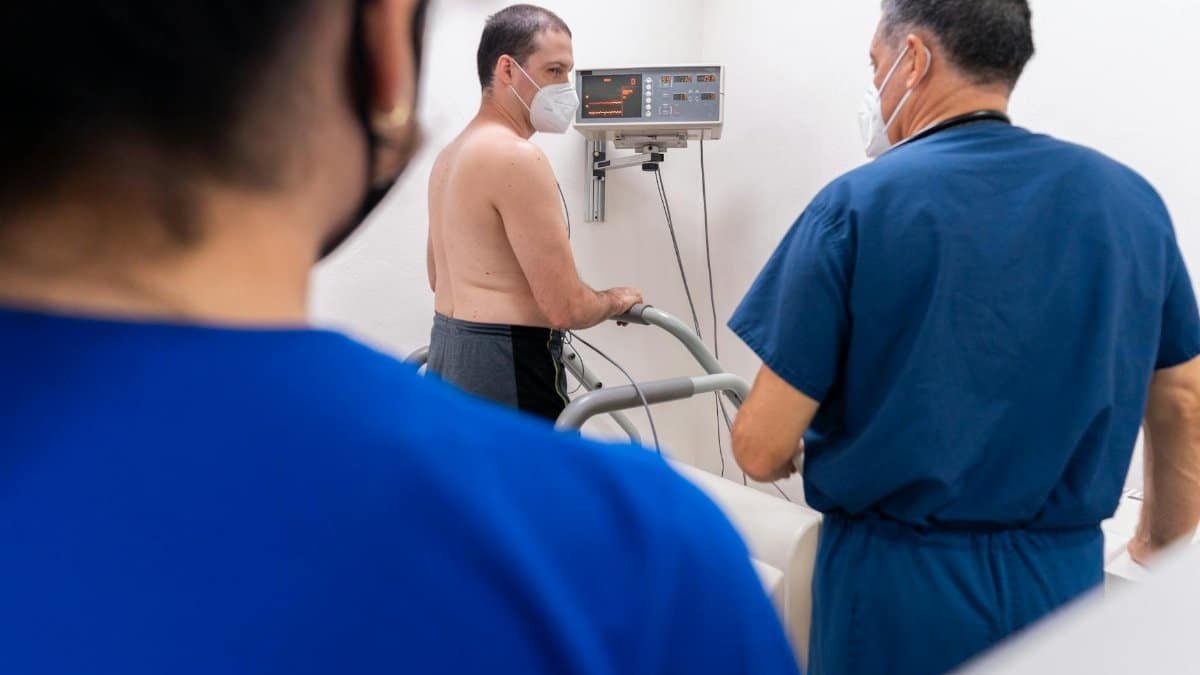
The field Braunwald helped shape now stands at the threshold of new frontiers including gene therapies personalized medicine and artificial intelligence driven diagnostics. Future advances will build directly upon the foundations he established. Young researchers entering the discipline today inherit both extraordinary tools and the responsibility to wield them with the same integrity and creativity he exemplified. While no one person can replace his presence the systems of inquiry and education he strengthened ensure that progress will continue unabated. His final gift may be this robust framework that allows science to advance even after its most distinguished practitioners have departed.
The quiet conclusion of such a remarkable life invites contemplation about the nature of legacy and the ways knowledge becomes a form of immortality. Eugene Braunwald dies having fulfilled a vision few achieve one in which intellectual rigor serves the most tender of human hopes: to live longer with hearts that continue to sustain us fully. In homes and hospitals across the country his influence persists in steady rhythms of recovered health and in the confidence that medicine can meet its greatest challenges with both science and soul intact. That enduring presence offers its own form of comfort as we navigate our own relationships with mortality and the miraculous organ that beats at the center of every human story.