

As the sun beat down relentlessly on Texas homes and businesses during the peak of summer people sought relief in cooled interiors more than in previous years. This increased reliance on cooling systems contributed to a notable moment in energy management. The ERCOT power record came into play when usage hit new highs testing the capabilities of the regional grid operator. Families adjusted daily routines to manage costs while officials monitored supply closely to avoid disruptions.
Heat Waves Push Consumption Higher

Prolonged periods of high temperatures across the state forced air conditioning units to run continuously throughout the day and night. This pattern created sustained pressure on generation resources and transmission lines alike. Observers noted how urban areas experienced sharper spikes compared with rural zones where fewer residents rely on electric cooling.
Grid Stability Amid Rising Demand
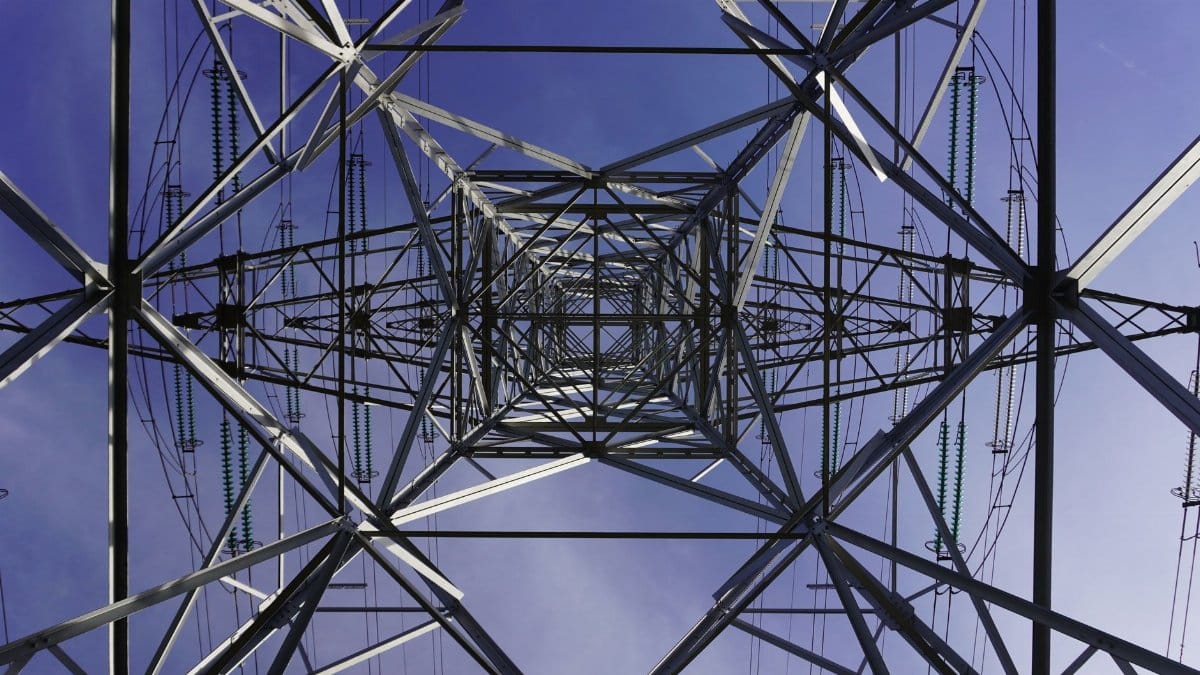
Despite the intense load the system held steady thanks to careful planning and diverse power sources. Operators balanced inputs from natural gas plants wind farms and solar installations to meet needs in real time. The approach demonstrated resilience built from lessons of earlier challenges in the region.
Consumer Responses to Peak Pricing

Many households received alerts about high demand periods and shifted appliance use to off peak hours. This voluntary conservation helped ease strain and kept overall costs in check for participants. Businesses also participated by dimming lights and adjusting production schedules where feasible.
Role of Renewables in Meeting Needs

Wind and solar output proved valuable during daylight hours when demand climbed fastest. These sources supplemented traditional plants and reduced reliance on any single fuel type. Expansion of battery storage further supported evening transitions as the sun set and usage remained elevated.
Economic Effects on Households

Higher electricity bills arrived for many residents as a direct result of extended cooling needs. Lower income families faced tough choices between comfort and other expenses leading some to seek assistance programs. Local organizations stepped in with temporary relief funds to bridge gaps during the hottest weeks.
Policy Adjustments for Future Seasons

State leaders reviewed current rules on power plant approvals and demand response incentives. Discussions focused on encouraging more efficient buildings and broader adoption of smart thermostats. These steps aim to moderate growth in usage over the coming years without sacrificing reliability.
Comparisons With Prior Summers

Earlier periods of extreme weather provided context for this latest surge in needs. Data showed steady increases in per capita consumption tied to population growth and larger homes. The latest ERCOT power record reflected both those trends and the exceptional warmth recorded this year.
Looking Ahead to Infrastructure Upgrades

Investments in new lines and generation capacity continue at a measured pace to accommodate expected growth. Planners emphasize diversified resources to handle variability from weather and fuel prices. The goal remains a dependable supply that supports economic activity and daily life across the state. The ERCOT power record serves as a reminder of evolving conditions that require ongoing attention from all involved parties.