
The lawsuit filed by the Minnesota Center for Environmental Advocacy against Hennepin County has drawn fresh attention to how the region handles waste from its main trash to energy plant. Residents near the facility have long voiced concerns about ash disposal and emissions while county officials defend the operation as a necessary part of modern waste management. The Hennepin County HERC lawsuit now puts those tensions before a judge and raises broader questions about environmental oversight in growing urban areas.
Origins of the Waste Facility
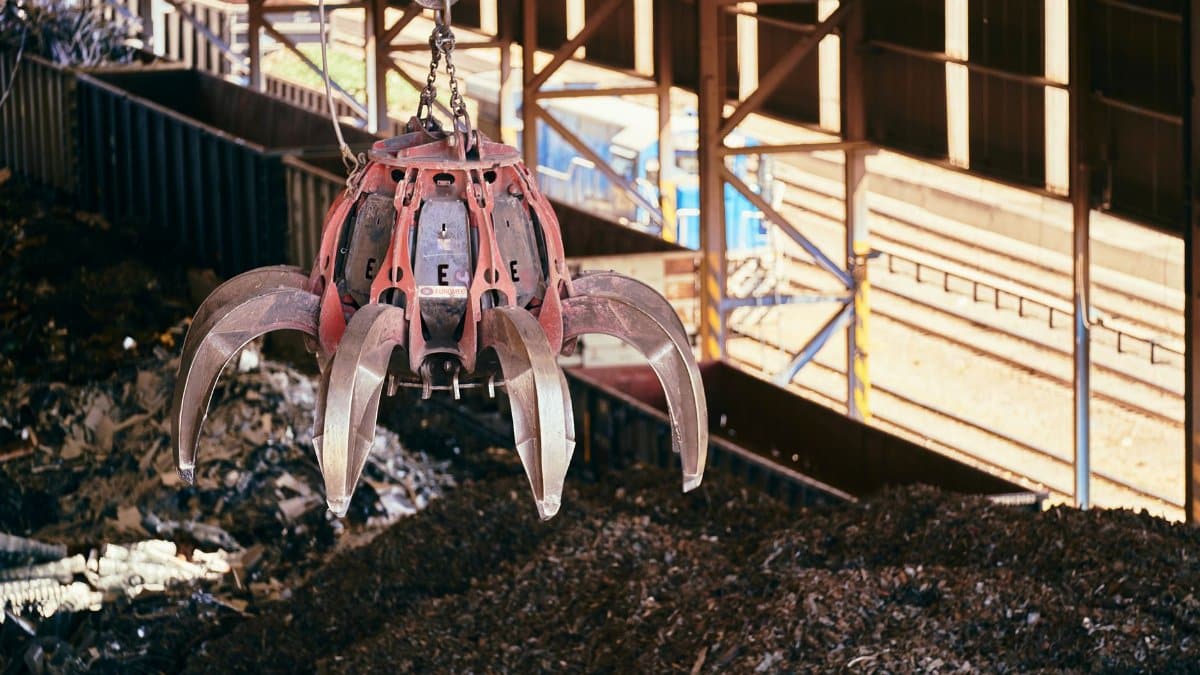
The Hennepin Energy Recovery Center opened decades ago as a way to reduce landfill use and generate electricity from household garbage. County leaders at the time presented it as an innovative solution that would serve a fast expanding population. Over the years the plant has processed millions of tons of material yet its ash byproduct has required careful handling to prevent soil and water contamination.
Claims in the Current Legal Action
Environmental advocates argue that Hennepin County has not met state standards for ash testing and disposal. They point to monitoring data that they say shows elevated levels of certain metals near the site. The Hennepin County HERC lawsuit asks the court to order stricter reporting and independent verification of waste streams leaving the plant.
County Response and Operational Record
Officials maintain that the facility meets all permits and undergoes regular inspections by state agencies. They note that ash is treated and shipped to approved landfills designed for such residue. County documents emphasize ongoing upgrades to emission controls and community outreach programs meant to address neighbor worries.
Health and Environmental Concerns Nearby
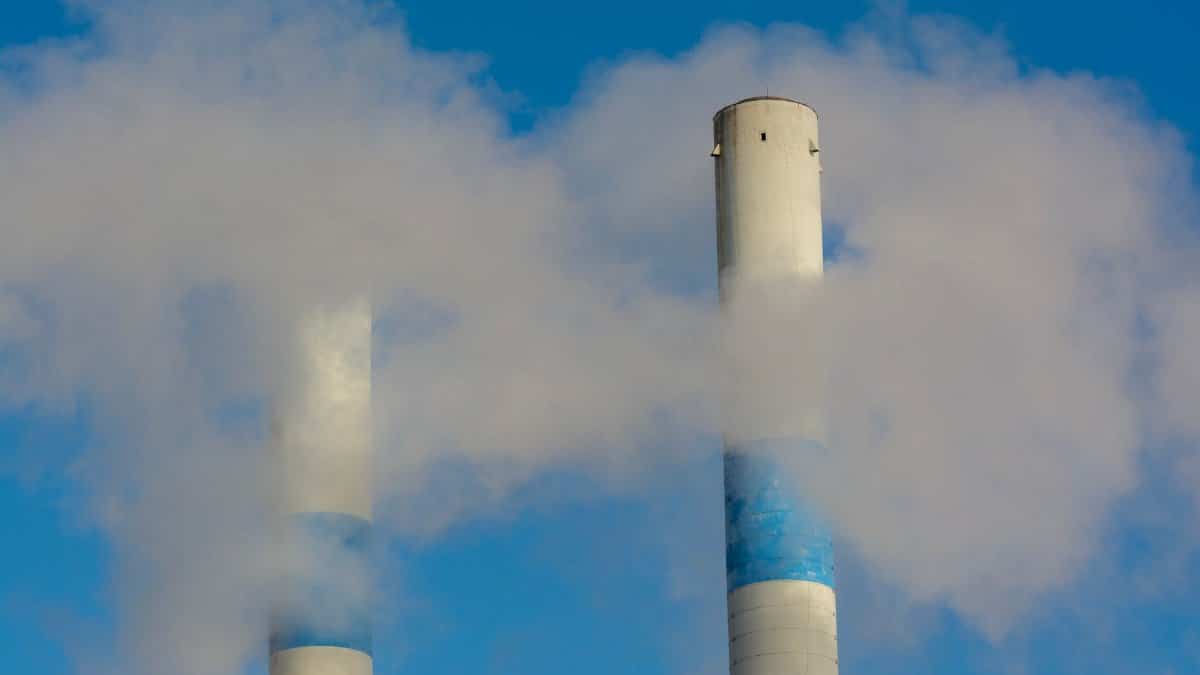
Some families living within a few miles of the plant describe persistent odors and occasional dust on vehicles and gardens. Local physicians have called for more detailed studies of respiratory patterns in the area though no direct causal link has been established in peer reviewed research. The lawsuit could prompt additional sampling that might clarify these issues.
Role of Trash to Energy in Modern Waste Plans
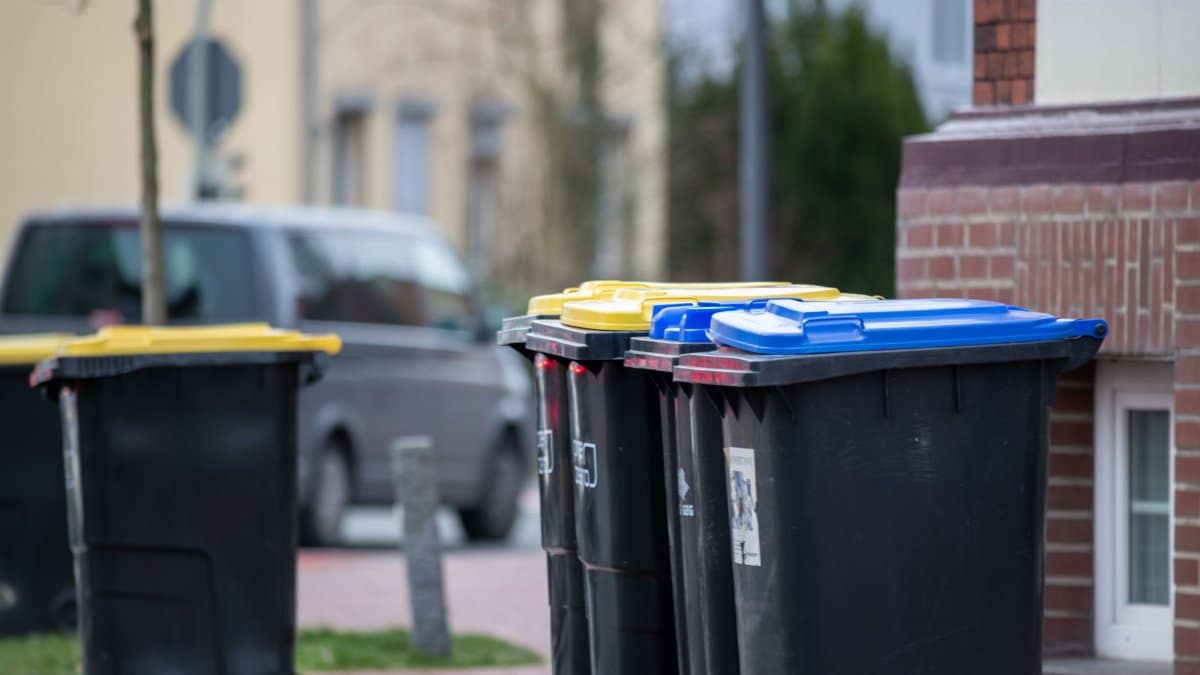
Across the country communities weigh the benefits of burning waste for power against the challenges of pollution control. Supporters highlight reduced landfill volume and renewable energy credits while critics focus on ash toxicity and air quality impacts. Hennepin County has positioned its plant as a middle path that balances both priorities.
Previous Regulatory Reviews

State environmental regulators have examined the facility multiple times in the past decade. Reports from those reviews generally found compliance yet recommended improvements in ash handling procedures. The new legal challenge builds on those earlier findings and seeks judicial enforcement of suggested changes.
Community Voices and Public Meetings

Public hearings on the matter have drawn steady attendance from nearby homeowners and environmental groups. Speakers often reference both the economic value of the plant to the local tax base and the need for greater transparency. County staff have used these sessions to explain monitoring results and answer technical questions.
Potential Outcomes and Broader Implications

A court ruling could require Hennepin County to adopt new ash management protocols or expand public reporting. Such changes might influence how other Midwestern counties operate similar plants. Observers note that the case arrives as state lawmakers consider updates to waste to energy regulations statewide.
Looking Ahead for Regional Waste Policy

Whatever the legal result the Hennepin County HERC lawsuit underscores the ongoing debate over sustainable waste solutions. County planners continue to explore recycling expansions and composting programs that could reduce the volume sent to the burner. Residents and officials alike will watch how the case shapes future decisions on environmental protection and public infrastructure.