
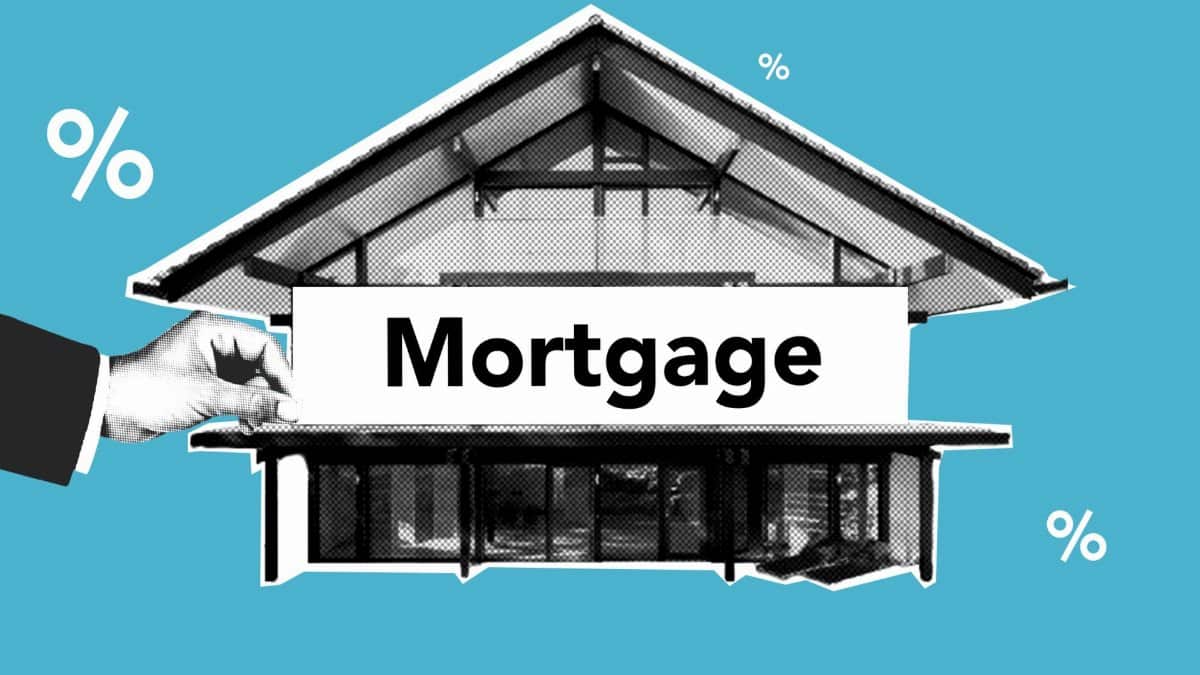
On a rain slick Tuesday in West Philadelphia, a property manager scrolled through a calendar that had filled before lunch. Three tours before noon, two applications already in, and a couple who had spent the spring touring rowhouses now asking whether a two bedroom lease could start next month. The phrase Philly mortgage rates rentals has become a compact way to describe that pivot: borrowing costs stay high enough that buying stalls, and the people who still need a place to live turn, sometimes reluctantly, toward landlords.
When the monthly number stops making sense

A mortgage is not an abstract rate. It is a payment that has to clear a bank account on the first of the month, alongside childcare, transit, and groceries that have not gotten cheaper in any lasting way. When the thirty year fixed rate climbs from the low threes that defined the pandemic years into the sixes and sevens, the same house can demand hundreds of extra dollars each month. In the Philadelphia region, where wages in many service and public sector jobs have not kept pace with that jump, the arithmetic pushes households out of the buyer pool even when they have saved a down payment and kept their credit clean.
Lenders still qualify people. What changes is the ceiling. A family that could stretch for a modest twin in Delaware County at a lower rate may find that the same principal, at a higher rate, fails the debt to income test or simply feels reckless. They do not vanish from the housing market. They reappear as renters, often in the same neighborhoods they had hoped to buy.
How Philly mortgage rates rentals reshaped the search
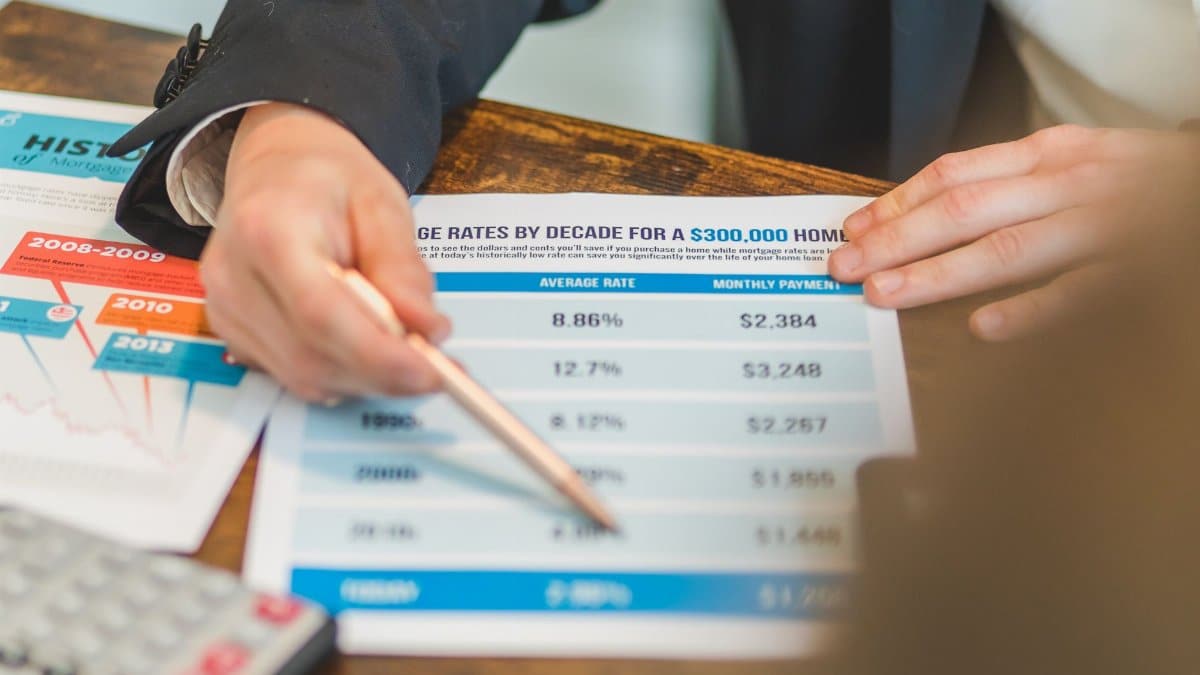
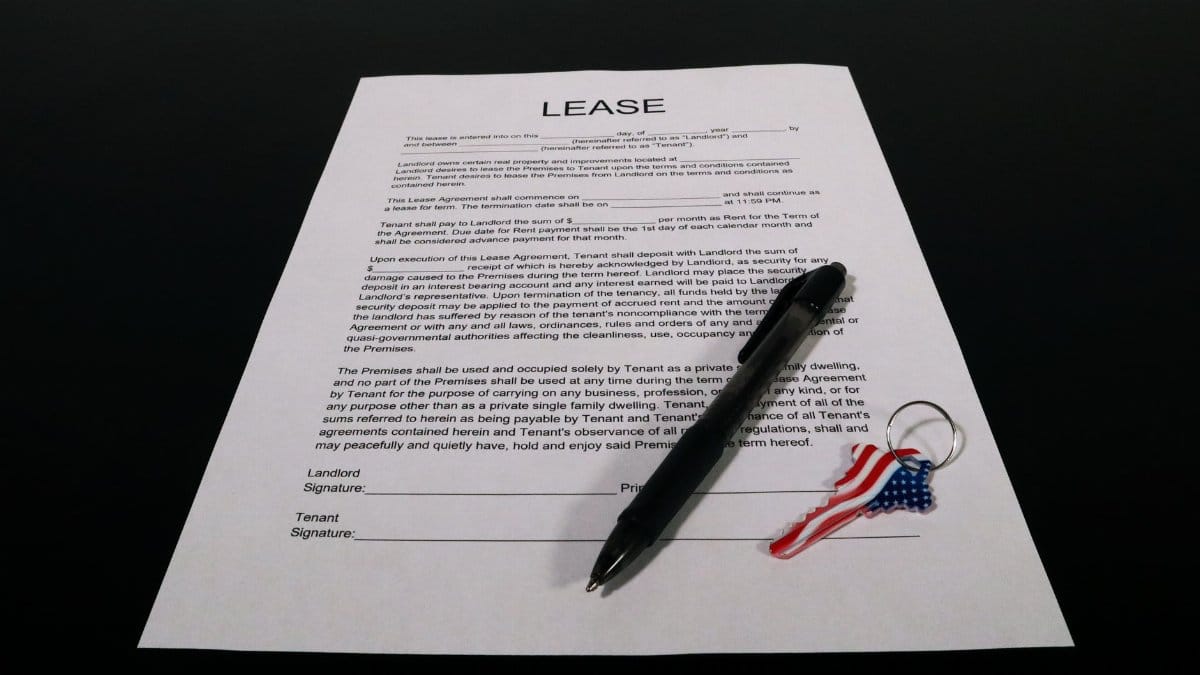
Agents who once split their weeks between purchase contracts and lease signings now describe a heavier lease side. Open houses for sale still draw browsers. Many of those browsers leave with a rental application instead of a preapproval letter. The search itself looks different. Buyers can wait for a rate dip or a price cut. Renters facing a lease end cannot. That urgency shows up in faster application cycles and in landlords who no longer feel compelled to offer a free month or a freshly painted kitchen just to fill a unit.
Philadelphia is not a single price. Center City luxury leases and aging twins in the lower Northeast do not move together. Still, the rate effect is broad. It hits first time buyers hardest, the group that would otherwise absorb starter homes and free up apartments. When that group pauses, rental demand thickens from the inside.
The payment gap that keeps people leasing
Economists sometimes talk about a lock in effect among owners who refinanced at very low rates and will not sell. There is a mirror image among would be buyers. Call it a lock out. The monthly cost of owning, once taxes, insurance, and maintenance are added to principal and interest, can sit well above the rent on a comparable place. In parts of the metro area that gap is wide enough that renting is not a failure of ambition. It is the rational choice for a household that wants to stay near a job, a school, or an aging parent.
Insurance has become its own plot twist. Carriers have raised premiums on older housing, and some row home blocks carry flood or roof concerns that lenders now scrutinize. A buyer who cleared the rate hurdle can still stumble on a quote that blows up the budget. Renters inherit none of that bill directly, though landlords eventually try to pass costs through.
Landlords read the same headlines

Owners of small rental portfolios, the backbone of much of Philadelphia housing, are not blind to mortgage news. Some bought buildings with adjustable loans or with plans to sell into a hot market that cooled. Higher rates squeeze them too, especially if they need to refinance. The result is not a simple story of greedy rent hikes. It is a squeeze from both ends: more applicants, and owners who feel less room to discount.
Larger operators with access to cheaper capital can hold rents steadier in weak pockets and push harder where vacancies are thin. In either case, the household looking for a lease experiences the market as tighter than it was when buying was easy and apartments competed for tenants. Philly mortgage rates rentals captures that feedback loop without pretending every landlord is in the same position.
Neighborhoods do not share one fate
University City still turns over with the academic calendar. A lease near a campus is a different product from a three bedroom in Upper Darby sought by a family that just lost a purchase bid. In Kensington and parts of North Philadelphia, long running affordability stress sits underneath the newer rate story. Elevated borrowing costs did not create shortage there. They added another reason for people with a little more income to stay in the rental pool longer, competing with neighbors who never had a purchase option.
Suburban townships tell a parallel version. Good school districts and shorter commutes keep demand firm. A delayed purchase in Cherry Hill or Media does not send a family back to a parents house if work is local. It sends them into a rental house, sometimes the same style of property they had hoped to own. That shift matters for inventory. A house that might have sold to an owner occupant instead becomes, or remains, a lease.
The national pattern, with a local accent

What is happening around Philadelphia echoes a national pattern visible since rates reset higher after 2022. The National Association of Realtors and mortgage trackers such as Freddie Mac have spent years documenting how payment shock thins the buyer pool. Freddie Mac publishes its weekly survey at https://www.freddiemac.com/pmms. When that survey sits near seven percent, purchase applications tend to sag and rental platforms report more traffic. Zillow research notes, collected at https://www.zillow.com/research/, have repeatedly tied weaker for sale demand to firmer interest in leases, though the size of the effect varies by metro.
Philadelphia adds its own accent. An older housing stock, a large share of small landlords, and a city suburban split in taxes and services mean the same national rate prints differently on a South Jersey colonial than on a Fishtown condo. Wage growth in health care and education, two pillars of the regional economy, has been steady rather than spectacular. Steady is not enough when the mortgage payment leaps.
Households rewriting a five year plan

I have sat in enough community meetings to know that people do not experience rates as a chart. They experience them as a postponed nursery, a longer commute accepted because the cheaper lease is two towns over, or a decision to stay with relatives through another winter. Those choices are rational and they are wearying. A market can be explained in clean sentences and still feel unfair at the kitchen table.
Some renters are waiting on a rate decline they have been promised, in loose terms, for several seasons. Others have stopped waiting and are negotiating longer leases to avoid another round of shopping. Longer leases stabilize landlords and reduce moving costs. They also delay the moment when a household tests the for sale market again. That delay is how a temporary pause becomes a structural shift in who owns and who rents.
What the city can and cannot fix

Local government does not set the thirty year rate. The Federal Reserve and the bond market do, and mortgage spreads sit on top of those yields. Philadelphia can still shape the edges. Permitting speed, property tax administration, and the supply of subsidized and workforce units change how hard the rental side feels when buying recedes. The Philadelphia Federal Reserve offers regional analysis at https://www.philadelphiafed.org/ that is useful precisely because it refuses to treat the city as a national average.
Supply remains the dull, decisive variable. If few new homes and few preserved affordable units come online, a wave of discouraged buyers has nowhere to go except existing rentals. Rate relief would help. It would not, by itself, house the people already stretched thin in neighborhoods where vacancy was scarce before the latest spike.
Reading the next move without mythology

Forecasts that promise a swift return to three percent mortgages have not aged well. A more sober reading is that rates can ease without restoring the pandemic bargain, and that even a modest easing may not flood the market with sellers who are locked into cheap loans. If that reading holds, Philly mortgage rates rentals will remain a live description rather than a headline that expires with one Fed meeting.
Buyers who reenter will not all reenter at once. Some will need prices to slip. Some will need wages to catch the payment. Some will buy smaller or farther out. Until those adjustments finish, rental demand in the region is likely to stay firmer than the casual observer expects from a city that is not adding population at Sun Belt speed. Firm demand is not the same as a crisis in every zip code. It is enough to raise the cost of waiting.
A practical way to think about the tradeoff

Households comparing a lease to a purchase should run the full monthly cost, not the teaser. Principal and interest, taxes, insurance, and a realistic repair allowance belong on one side. Rent, renters insurance, and the odds of an increase at renewal belong on the other. A conversation with a housing counselor, not only a lender paid at closing, can keep the comparison honest. The U.S. Department of Housing and Urban Development lists counseling resources at https://www.hud.gov/program_offices/housing/sfh/hcc.
None of that counseling changes the macro picture. It does keep a single family from treating a national rate cycle as a personal verdict. Philly mortgage rates rentals is a market story. Inside it are thousands of separate decisions about whether to sign, whether to bid, and whether to wait one more year in a city that still, for all the strain, is where the job and the people are.