
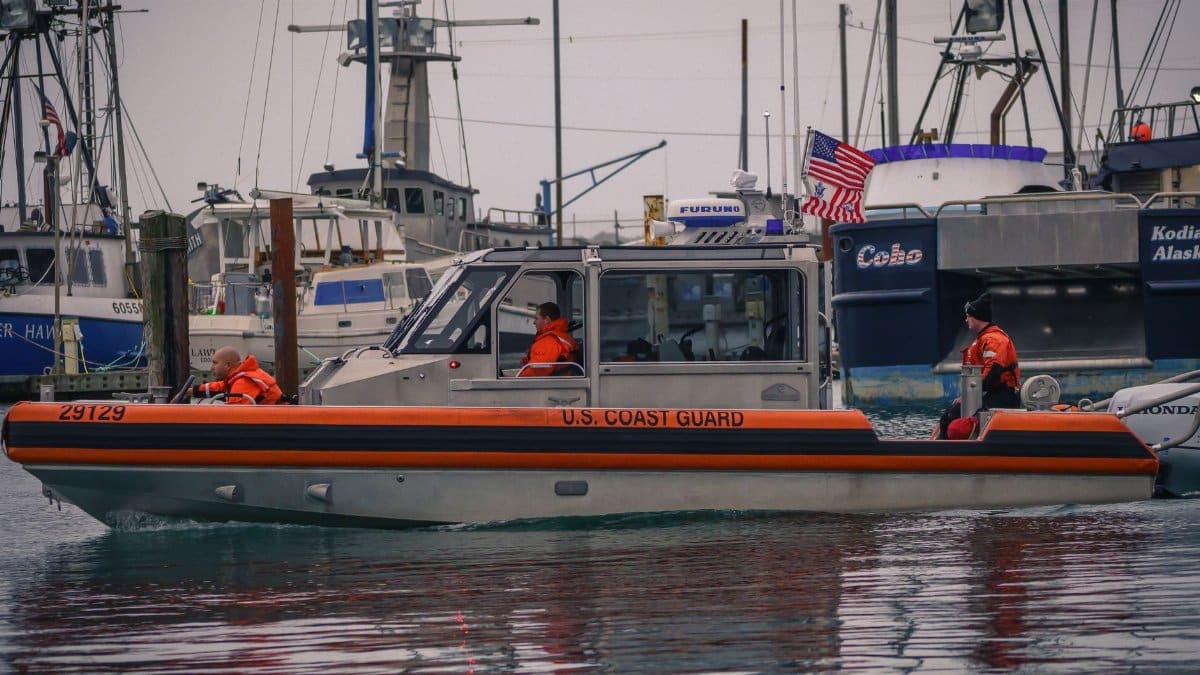
Far from any harbor light, the Pacific can erase a small boat in a single swell. On a stretch of open water about 140 miles west of Ensenada, United States Coast Guard crews pulled at least 16 people from the sea and kept searching for others who had not yet been found. In newsrooms and in kitchens along the coast, the Coast Guard Baja rescue became a test of radios, aircraft, and the decision to keep looking after the first survivors were brought aboard. The facts that traveled fastest were spare. People were in the water. Some were saved. The search was not finished.
What the first public accounts established

Readers should hold the early record lightly, because maritime emergencies change by the hour. What could be said with confidence was narrow and important. At least 16 people had been rescued from the Pacific. The location given was roughly 140 miles west of Ensenada, off Mexico’s Baja coast. American Coast Guard units were involved in the rescue and in a continuing search for more people in the water. Those sentences do not yet answer who was aboard, what kind of vessel failed, or whether everyone would be found. They do establish that this was not a drill and not a rumor confined to social media.
A map that is mostly water
Ensenada sits on the Pacific side of the Baja California peninsula, a working port with fishing boats and a long horizon. One hundred forty miles west of that city is not a bay. It is open ocean, cold enough at night to punish anyone without flotation, and far enough from shore that a small craft in trouble depends on a radio, a flare, or the luck of being seen. Currents do not respect the line between Mexican and American responsibility. A position west of Baja can draw in the United States Coast Guard because American cutters and aircraft work the approaches to Southern California and because a distress call does not stop at a border drawn on a chart.
How crews decide whom to send

A rescue at sea is a sequence of judgments made with incomplete information. Someone reports a position, a description of people in the water, or a vessel overdue. Watchstanders weigh distance, weather, fuel, and the assets already underway. A helicopter can arrive faster and hoist survivors, but it cannot stay long. A cutter can search for many hours and take people aboard. Partner agencies in Mexico may already be moving. Ships nearby can be asked to divert. None of that work is glamorous. It is a stack of radio calls and a narrowing window in which a person in the water can still be saved.
The Coast Guard Baja rescue as a working phrase
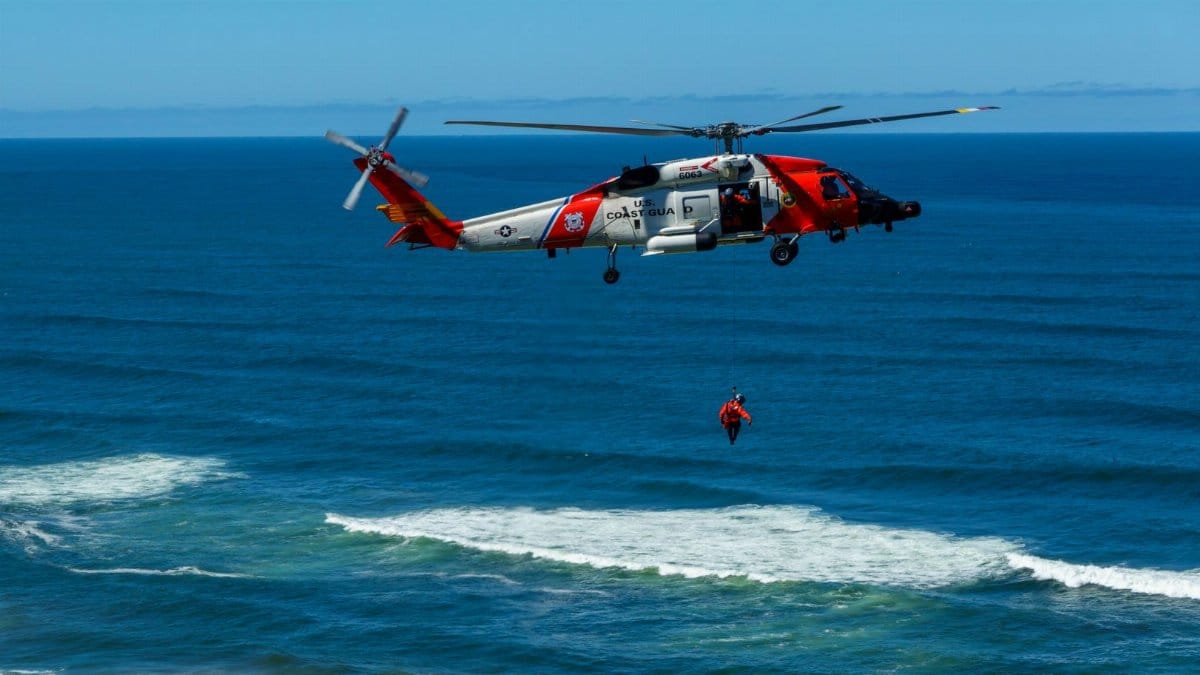
The Coast Guard Baja rescue is the name the public now has for an operation whose full timeline has not been published in detail. Names gather attention. They also flatten. Sixteen rescues can sound like a single event with a single ending. In the water, each person is a separate problem: a life jacket or none, a position that drifts, a voice that may not answer. Officials speaking in the first hours rarely have a complete manifest. The careful stance is to report the confirmed count and to say plainly that the count may rise.
What continued searching actually requires

Searching after the first recoveries is not a formality. Survivors can point toward where others were last seen, but waves move people apart. Crews look for heads, debris, lights, and the small disturbances a person makes on an empty surface. Darkness multiplies the difficulty. So does fatigue. The decision to keep aircraft flying or to hold a cutter on scene is a decision about risk to the rescuers as well as hope for the missing. When an agency says it is still searching, the sentence is operational, not decorative.
People who leave shore and do not return on schedule
The first accounts did not establish why these particular people were 140 miles west of Ensenada. That absence should be stated, not papered over. The Pacific off Baja carries fishing crews, migrants, recreational sailors, and cargo traffic. Each group meets the ocean with different boats and different reasons for being out of sight of land. A rescue does not require the public to know the reason before it cares about the outcome. It does require officials, later, to explain what they can. Until that explanation arrives, speculation is a poor substitute for a name and a fact.
Families and the long wait

On shore, a search looks like a phone that does not ring and a relative refreshing a news page. I have stood in that kind of wait only as a reporter, which is a thin version of the real thing, and even that thin version teaches patience. People pray, or they do not. They call cousins. They try to remember the last position a captain sent. Faith, in these hours, is less a category than a private discipline: the refusal to treat silence as a final answer. Communities along this coast know the ritual because the ocean has taught it before.
Borders, radios, and shared water
Incidents off Baja often become binational by necessity. Mexican authorities know the local fleets. American Coast Guard units bring long range aircraft and a rescue system built for this part of the Pacific. Coordination depends on language, on compatible radio procedures, and on a shared interest in not leaving people in the water while jurisdiction is debated. Early reports placed United States crews at the center of this response. That does not erase Mexican responsibility for waters off the peninsula. A fuller account should name both sides.
What readers can trust and what they cannot

Early maritime stories fail in predictable ways. A number of people rescued is treated as a number of people who were aboard. A search area is treated as a precise dot. None of those errors requires malice. They come from hunger for a complete picture. The corrective is dull and necessary. Repeat only what officials have confirmed. Note the time of the latest update. Distinguish rescued from missing. When a report says at least 16, the words at least are doing real work. They warn that 16 is a floor, not a ceiling.
Why the story travels inland

There is a reason a Coast Guard Baja rescue lands in feeds far from Ensenada. Most readers will never crew a cutter. Many have stood on a beach and felt how quickly a pleasant surface becomes indifferent. A rescue story compresses that knowledge into an agency name and a count of lives. It also exposes a public bargain. Societies fund ships and aircraft so that a stranger in trouble is not only a private tragedy. When those assets work, the news is relief. When the search continues, the news is unfinished duty.
The count, the missing, and the next update

As of the first widely circulated accounts, the verified core was this. Coast Guard crews had rescued at least 16 people from the Pacific about 140 miles west of Ensenada. They were searching for more. No responsible retelling should add a vessel name, a cause, or a death toll that those accounts did not supply. The next update will matter more than commentary. It may raise the number saved. It may name the missing. Until then, the Coast Guard Baja rescue remains a story with a clear human shape and an incomplete factual one. People were in the water. Some were brought out. Others were still being sought.