
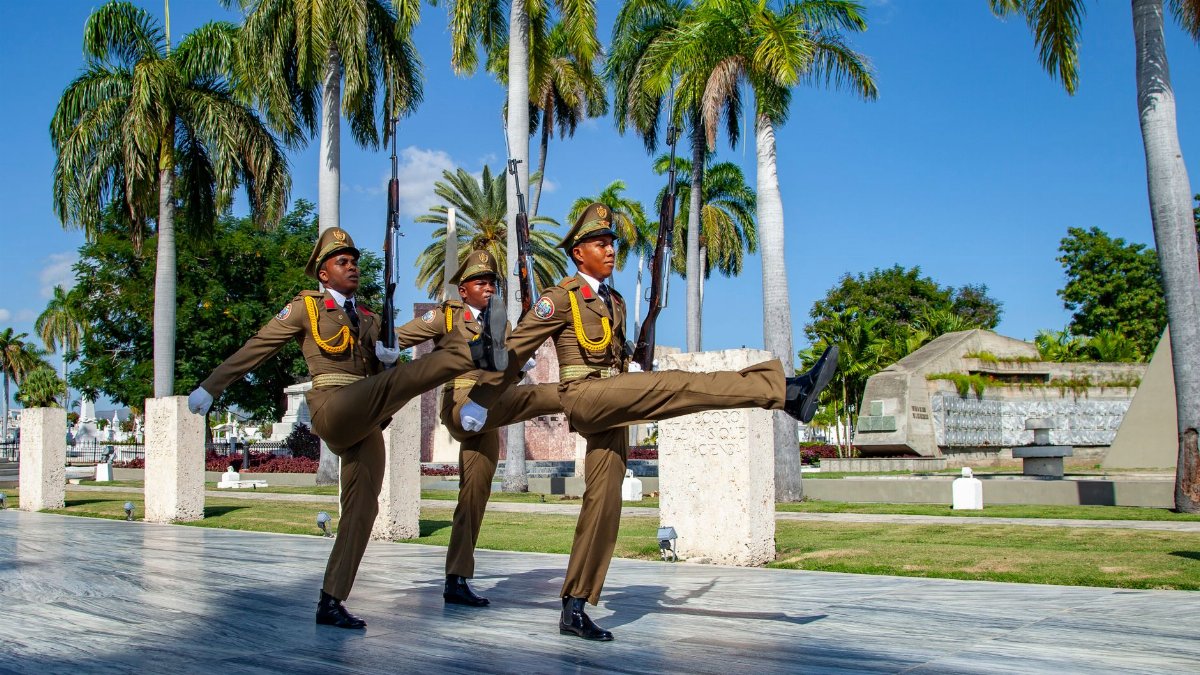
In the bustling streets of Havana ordinary citizens navigate daily challenges amid shifting United States policies toward their island nation. As discussions turn to economic pressures rather than armed intervention the Cuba sanctions focus emerges as the central strategy under the current administration. This approach reflects a broader recalibration in foreign policy priorities that prioritizes targeted measures over direct confrontation. Observers note how such choices reshape regional dynamics without escalating to military involvement.
Historical Background on United States Cuba Ties

Decades of tension have marked relations between the two neighbors with roots tracing back to the Cold War era. Policies evolved through various administrations each seeking leverage in different ways. Recent years saw renewed attention to economic tools as alternatives to other forms of pressure.
Current Administration Approach to Regional Security
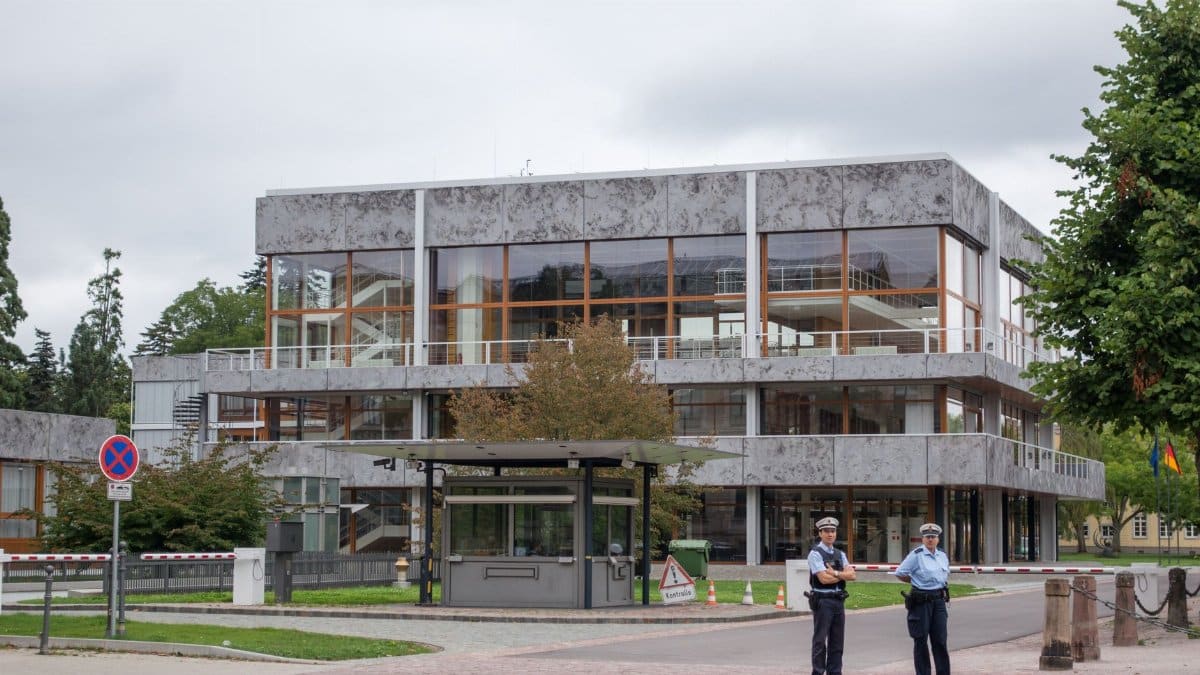
Leaders in Washington have signaled a preference for diplomatic and financial avenues when addressing concerns in the Caribbean. This marks a departure from earlier considerations of more forceful responses. Officials emphasize measured steps that avoid broader instability.
Economic Measures and Their Intended Impact

Sanctions aim to influence behavior through restrictions on trade and finance. Proponents argue these tools can encourage internal reforms over time. Critics however point to hardships faced by everyday people on the island.
Reactions from International Allies and Partners
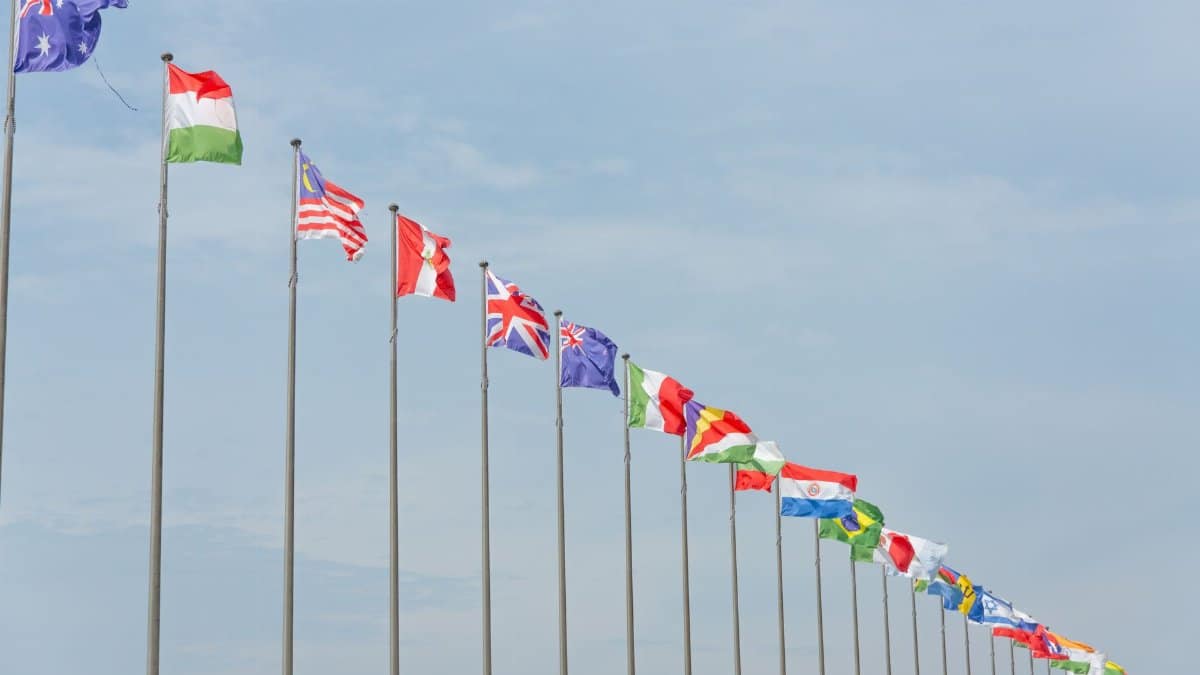
European nations and Latin American governments have offered mixed responses to the intensified economic steps. Some express support for accountability while others call for dialogue instead. Multilateral forums continue to debate the best path forward.
Effects on Cuban Society and Daily Life
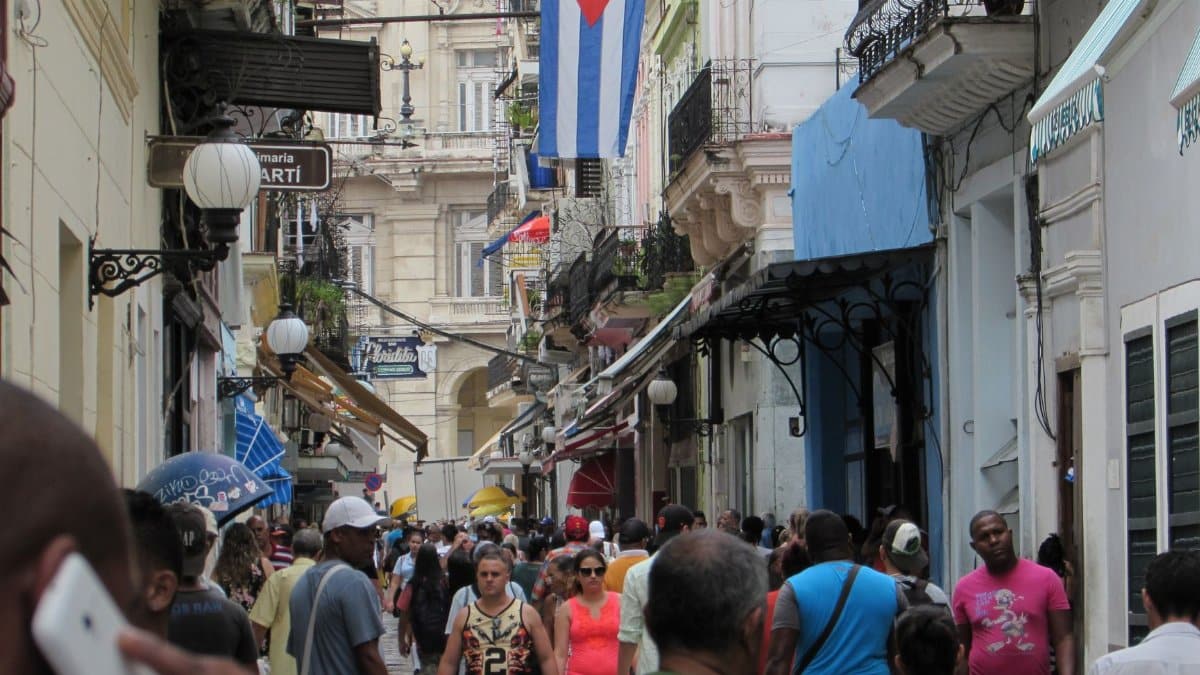
Residents report difficulties accessing goods and services amid the tightened rules. Community organizations work to fill gaps left by limited resources. Long standing social programs face additional strain as external support wanes.
Role of Domestic Politics in Shaping Foreign Policy

Internal debates within the United States influence how officials frame their Cuba strategy. Lawmakers from both parties weigh constituent views against strategic goals. Public opinion polls show divided sentiments on the issue.
Potential Pathways for Future Engagement

Analysts suggest room remains for negotiations if conditions align. Track two diplomacy involving academics and business leaders could open channels. Success would depend on mutual concessions and trust building measures.
Comparison with Other Global Hotspots

Similar economic strategies appear in dealings with nations facing comparable challenges elsewhere. Lessons from those cases inform current thinking on Cuba. Adaptations account for unique historical and cultural factors in the Caribbean context.
Media Coverage and Public Perception
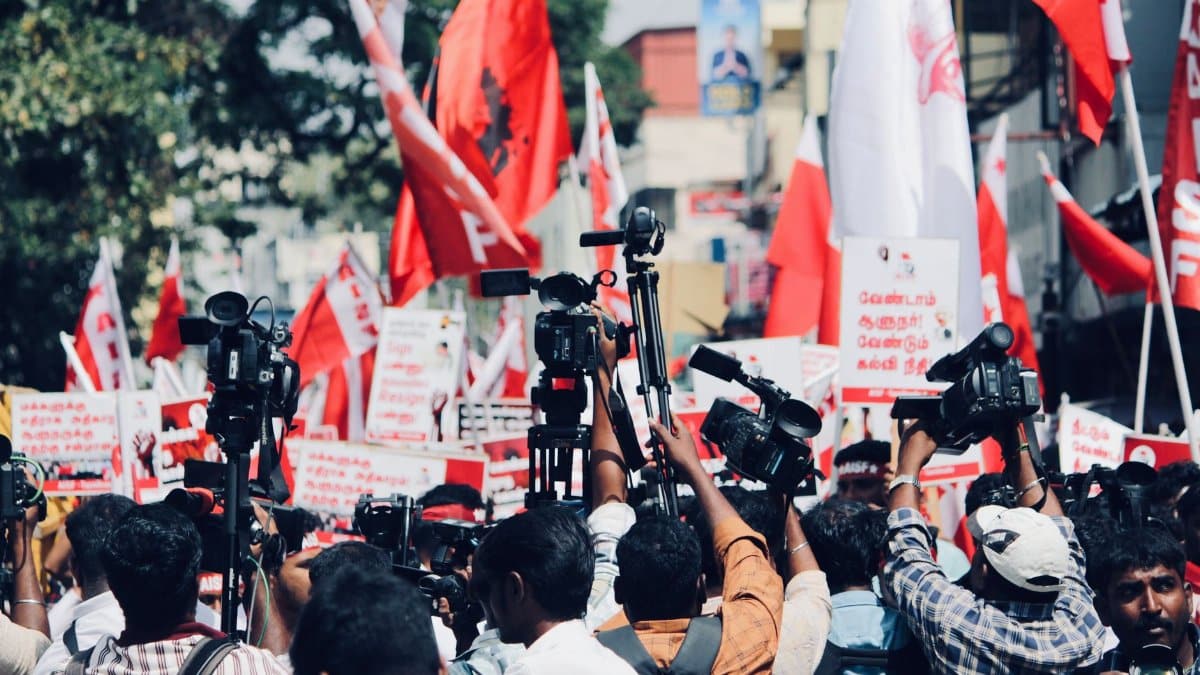
News outlets across the spectrum highlight different aspects of the policy shift. Some focus on enforcement details while others explore humanitarian angles. Audience responses vary based on prior views of the region.
Expert Analysis on Long Term Outcomes

Scholars at major universities assess the sustainability of sanctions as a primary tool. Their studies often include data on economic indicators and migration patterns. Ongoing research aims to refine understanding of effectiveness. For further details see the original reporting at https://www.chicagotribune.com/2026/08/14/cuba-trump-sanctions/
Voices from the Cuban American Community

Exile groups in Florida and beyond express strong opinions on the direction of policy. Many advocate continued pressure while some push for openings that benefit families. Their advocacy shapes legislative proposals in Congress.
Environmental and Humanitarian Considerations
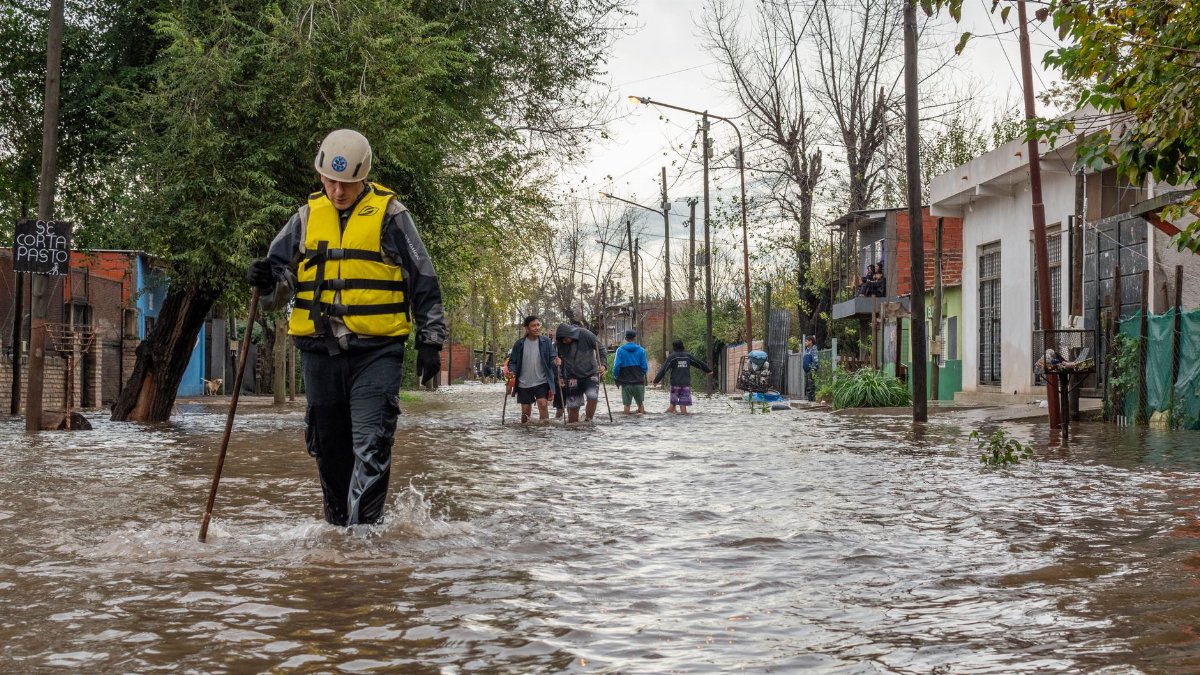
Beyond politics issues like disaster response and health cooperation persist. Climate events test the limits of isolationist tactics. Aid organizations seek ways to deliver support despite barriers.