
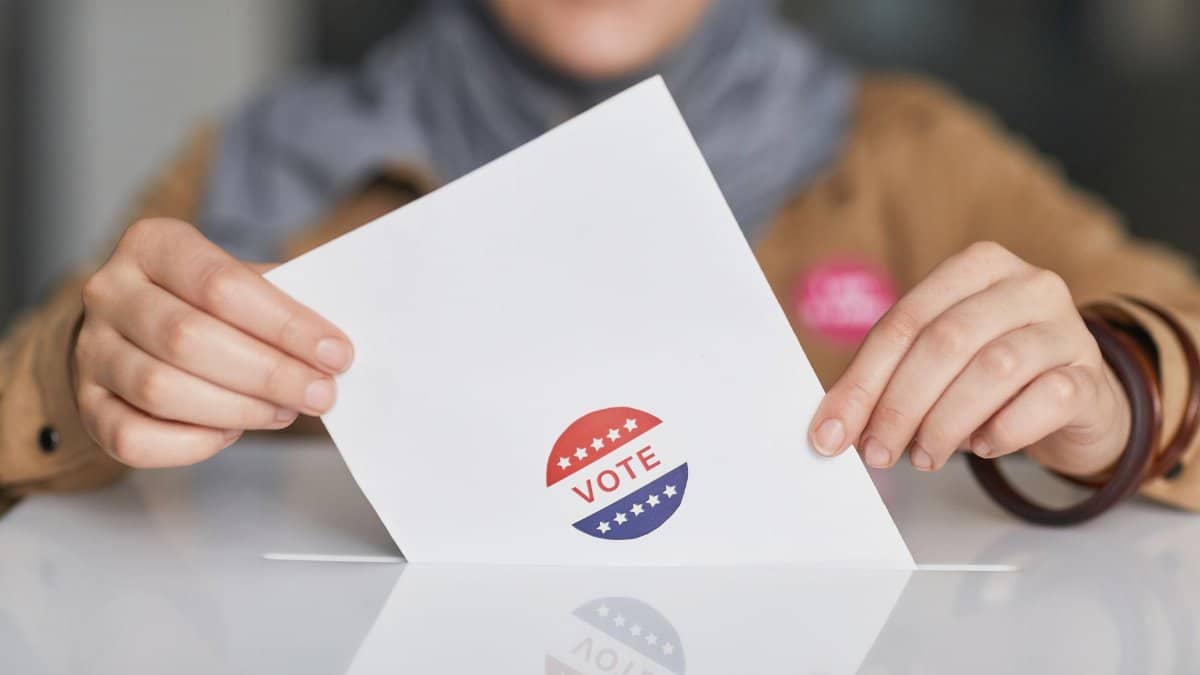
In a state where voting procedures have long sparked heated exchanges among officials and citizens alike, Governor Greg Abbott has turned to a familiar face from past debates to shape future practices. Nate Schatzline, known for his public doubts about prior election results, now holds a prominent post. This Texas Election Integrity Appointment signals a clear direction for how the state intends to handle oversight in coming cycles.
Profile of the Individual Selected

Nate Schatzline entered public view through his service in the Texas House where he voiced strong reservations about the security of mail in ballots and electronic tabulation systems. Colleagues recall his repeated calls for audits and reviews that went beyond standard checks. Supporters describe him as committed to transparency while critics see his record as evidence of reluctance to accept certified outcomes.
Details of the New Position

The role involves coordinating state efforts to strengthen safeguards around voter registration lists and polling site operations. Schatzline will work with local administrators to implement uniform standards and respond to reports of irregularities. Officials expect him to review existing protocols and suggest adjustments ahead of future statewide contests.
Context Within Texas Political Landscape
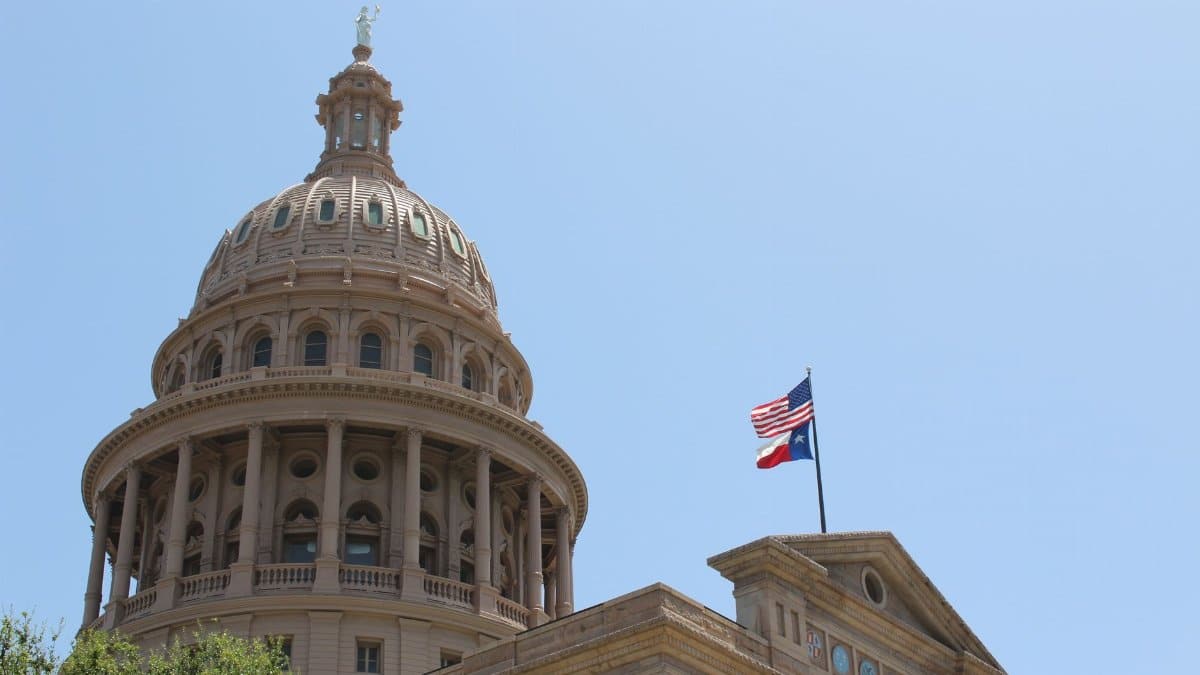
Texas maintains a reputation for strict election rules compared with many other states yet debates continue over access versus security. Lawmakers have passed multiple measures in recent sessions aimed at tightening identification requirements and limiting drop box use. The current appointment fits within that broader pattern of emphasizing verification at every stage.
Reactions From Political Observers

Democratic leaders expressed immediate concern that the choice could further erode trust among voters who already feel sidelined. Republican voices meanwhile praised the selection as a logical step toward restoring confidence in the system. Advocacy groups on both sides have begun preparing statements and possible legal challenges depending on how policies develop.
Potential Effects on Local Administrators

County clerks across Texas now face the task of aligning their offices with new guidance that may arrive from the state capital. Some welcome additional resources for training poll workers while others worry about added layers of reporting that could strain budgets in smaller jurisdictions. Training sessions are expected to increase in frequency over the next year.
Historical Precedents for Similar Roles
Past holders of comparable posts focused primarily on data analysis and compliance audits rather than public advocacy. The shift toward someone with a more visible profile marks a departure from quieter bureaucratic approaches. Observers note that such visibility could either clarify state priorities or intensify partisan divides depending on communication style.
Public Sentiment and Upcoming Challenges

Surveys conducted in recent months show persistent skepticism among portions of the electorate regarding whether every ballot receives equal protection. Schatzline has indicated plans to hold community forums aimed at addressing those doubts directly. Success will depend on whether participants view the sessions as genuine exchanges or scripted presentations.
Looking Ahead to Future Cycles

With primary contests on the horizon the new appointee will likely play a visible part in messaging around preparedness and fairness. State agencies are already updating websites and printed materials to reflect the emphasis on integrity. How these efforts translate into measurable improvements in participation rates remains an open question for analysts to track over time.