
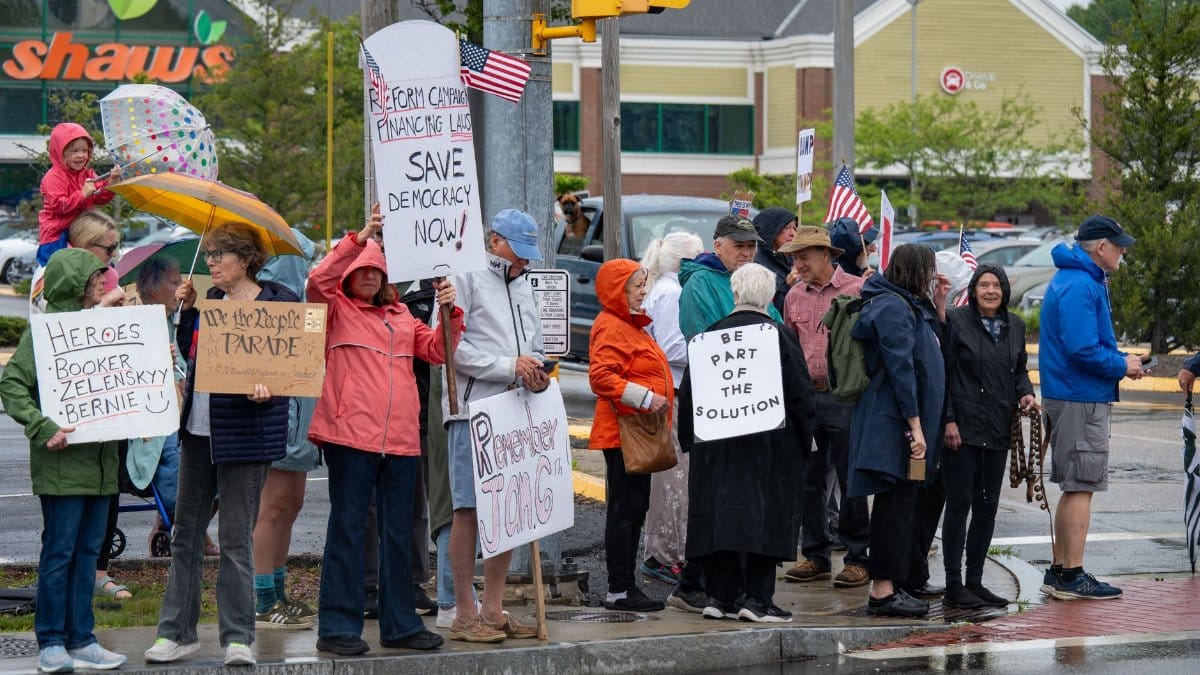
In recent cycles Illinois political observers have noted persistent gaps in resources that shape the states electoral landscape. One striking element is Illinois GOP fundraising which trails far behind Democratic totals according to recent reports. This disparity leaves Republican candidates with fewer tools for advertising voter outreach and staff support. The result is a party often forced to rely on limited networks and volunteer energy rather than large scale media campaigns. Observers point to donor reluctance in a state where Democratic dominance in major urban centers creates an uphill path for contributions.
Party Finance Patterns Over Time
Illinois Republican committees have shown consistent shortfalls when compared with their counterparts across multiple election seasons. Records indicate that large individual and corporate gifts flow more readily to Democratic candidates who control key legislative posts. This pattern limits the ability of GOP aspirants to build name recognition outside traditional strongholds.
Donor Motivations in a One Sided State
Potential contributors often weigh the odds of victory before opening their checkbooks. With Democrats holding the governors office and majorities in both legislative chambers many donors see little return in backing Republican bids. This calculation reinforces the cycle of limited Illinois GOP fundraising and reduced competitiveness.
Key Figures and Their Influence

Prominent names such as Darren Bailey have attempted to energize the base yet the overall resource shortage persists. Without robust financial backing even popular messengers struggle to reach voters in distant media markets. The absence of sizable war chests means fewer television spots and digital ads.
Urban and Suburban Outreach Barriers

Republican organizers face steep costs when trying to penetrate Chicago and its surrounding counties. High media rates combined with low expected returns discourage investment from national groups. As a result Illinois GOP fundraising stays concentrated in downstate areas that offer smaller populations and fewer high net worth prospects.
Legislative Consequences of Resource Gaps
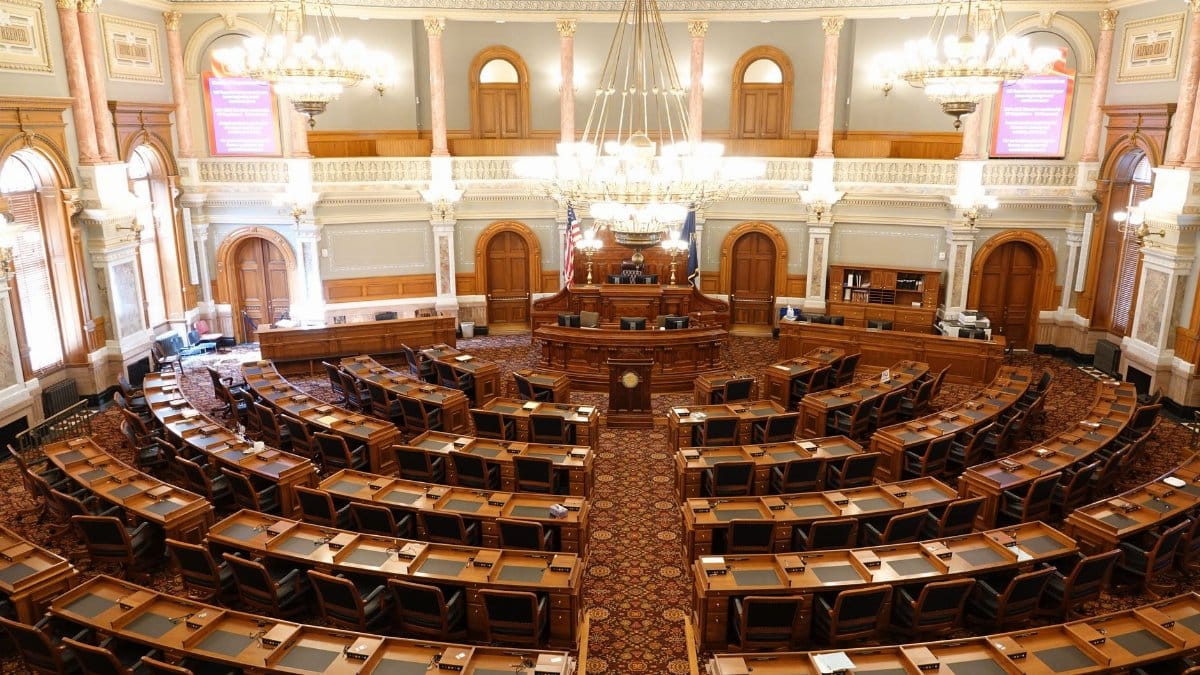
Candidates who enter races with thinner wallets often find themselves outspent on research polling and field operations. This imbalance affects bill sponsorship and committee influence once lawmakers take office. Limited funds translate into quieter voices during budget negotiations.
National Trends and Local Realities

While national Republican committees sometimes direct money to competitive districts Illinois rarely ranks high on those priority lists. The states structural Democratic advantage reduces its appeal for outside spending. Local committees therefore shoulder most of the burden with mixed success.
Paths Toward Improved Financial Health

Some strategists suggest broadening the message to attract suburban professionals and younger voters who have drifted away. Others advocate renewed focus on small dollar online appeals to build a wider base. Success in these areas could gradually lift Illinois GOP fundraising totals and restore relevance.
Looking Ahead to Future Cycles

Without meaningful shifts in donor behavior the current imbalance is likely to continue. Analysts expect Democratic advantages to persist unless new issues or personalities alter the calculation for contributors. The coming elections will test whether internal reforms can reverse long standing trends.