

Amid growing pressures from rapid technological expansion in suburban Minnesota a legal challenge has drawn attention to how local governments balance innovation with community needs. The Eagan data center moratorium lawsuit centers on a temporary halt to new facilities and raises questions about regulatory authority in an era of surging digital infrastructure demands. Residents and officials alike find themselves navigating complex tradeoffs involving land use energy consumption and economic prospects as the case unfolds in court.
Origins of Local Policy

Eagan leaders enacted the moratorium to allow time for studying potential effects of large scale data centers on the community. Officials cited needs for updated zoning rules and assessments of power grid capacity. This pause aimed to prevent hasty approvals amid rising proposals from technology firms seeking sites near existing fiber networks.
Details of the Legal Filing

The suit contends that the moratorium exceeds municipal powers and unfairly restricts property rights. Plaintiffs argue it lacks sufficient justification and could hinder legitimate business activities. Court documents outline claims that the measure was adopted without adequate public input or economic analysis.
Community Reactions and Concerns

Local residents have expressed mixed views during public meetings. Some welcome the breathing room to evaluate noise levels traffic increases and visual impacts on neighborhoods. Others worry about lost opportunities for job creation and tax revenue that such projects often bring to similar suburbs.
Economic Implications for the Area

Data centers promise substantial investments yet they also require extensive resources. Analysts note potential boosts to local employment during construction phases followed by fewer ongoing positions once facilities operate. Property values near proposed sites could shift depending on outcomes of the Eagan data center moratorium lawsuit.
Environmental Considerations

Power usage stands out as a primary issue since these installations consume electricity at rates comparable to small cities. Discussions have touched on water needs for cooling systems and effects on regional carbon output. Planners seek ways to encourage greener designs without stalling progress.
Infrastructure Demands

Roads electrical substations and broadband lines would all face added strain from new developments. City engineers have begun modeling scenarios to identify upgrades required before any expansion proceeds. The Eagan data center moratorium lawsuit may influence timelines for these preparations.
Court Proceedings Details

Hearings are scheduled to examine whether the moratorium aligns with state statutes governing land use. Attorneys on both sides plan to present evidence regarding procedural fairness and long range planning documents. A ruling could set precedents for other Minnesota communities facing similar proposals.
Resident Voices

Several homeowners have shared stories of how the debate affects daily life. One family described uncertainty over future property sales while another highlighted hopes for better schools funded by increased commercial taxes. These perspectives add depth to the ongoing discussion.
Official Responses
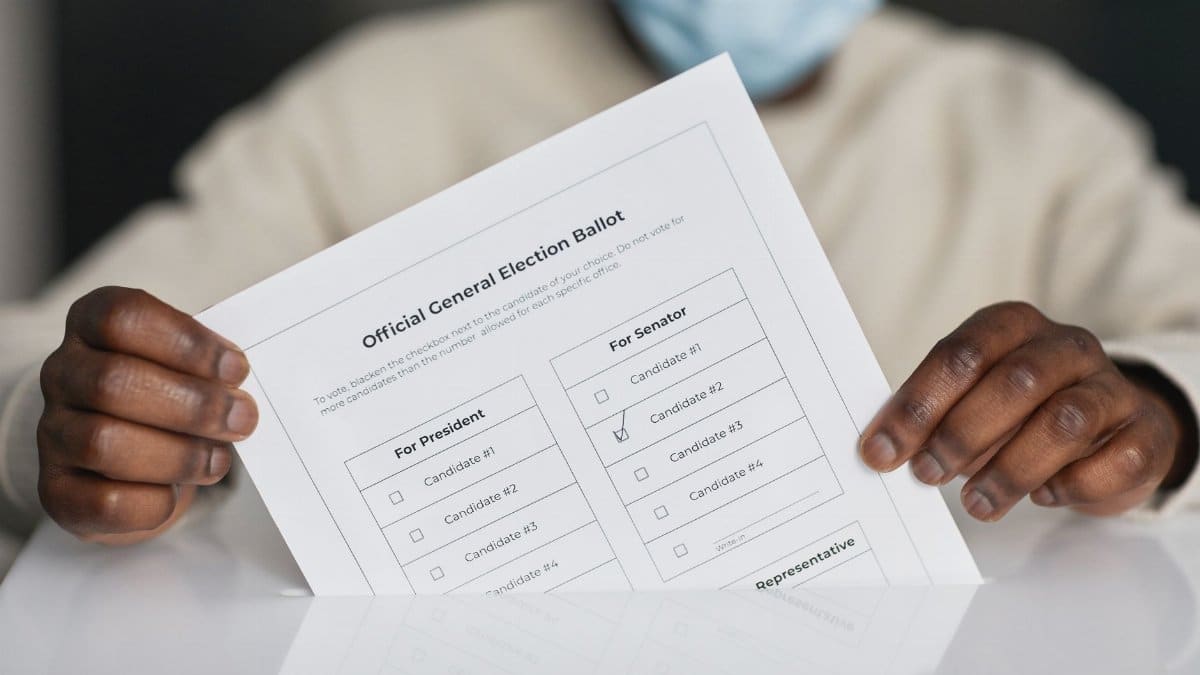
City council members defend the moratorium as a prudent step toward informed decision making. They emphasize ongoing studies into zoning adjustments and sustainability measures. State representatives have also weighed in suggesting possible legislation to clarify local authority in such matters.
Broader Regional Impact
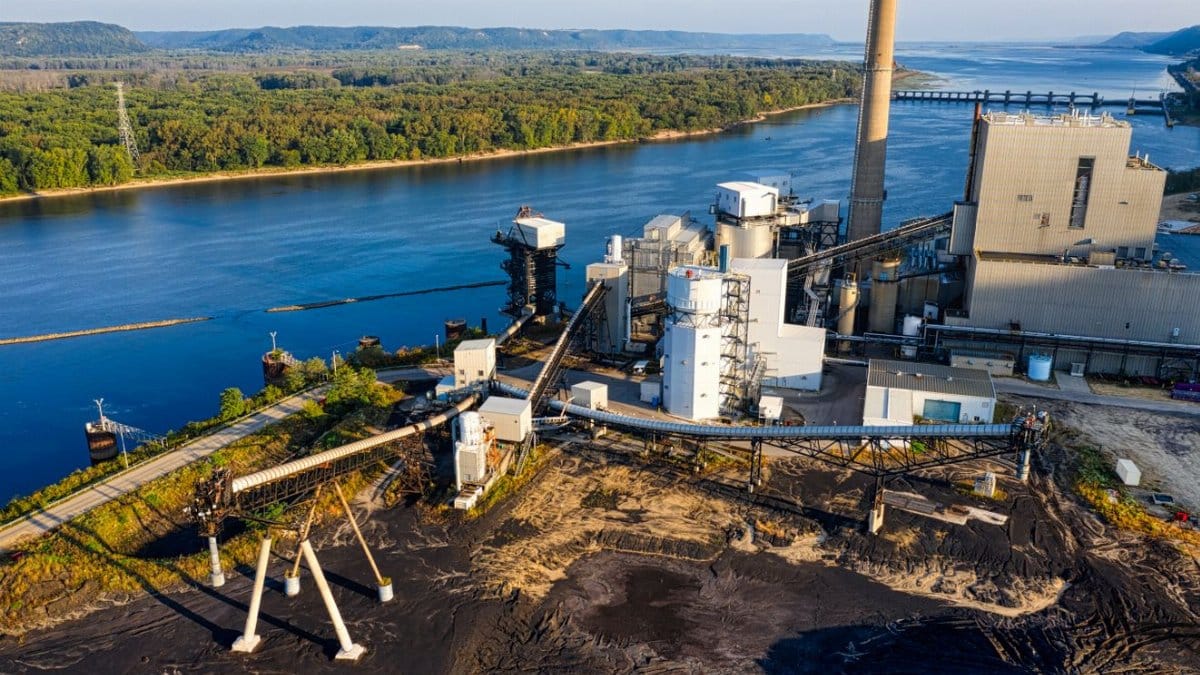
Neighboring suburbs watch the case closely as they too confront rising interest from data center operators. The Eagan data center moratorium lawsuit could prompt coordinated approaches across the Twin Cities area to manage growth responsibly. Shared concerns about resources may lead to joint task forces in coming months.
Future Development Paths

Whatever the court decides communities will likely pursue refined guidelines that address both innovation and livability. Revised policies might include incentives for efficient designs or limits on facility sizes. The outcome will shape how Eagan and places like it adapt to an increasingly connected world.