
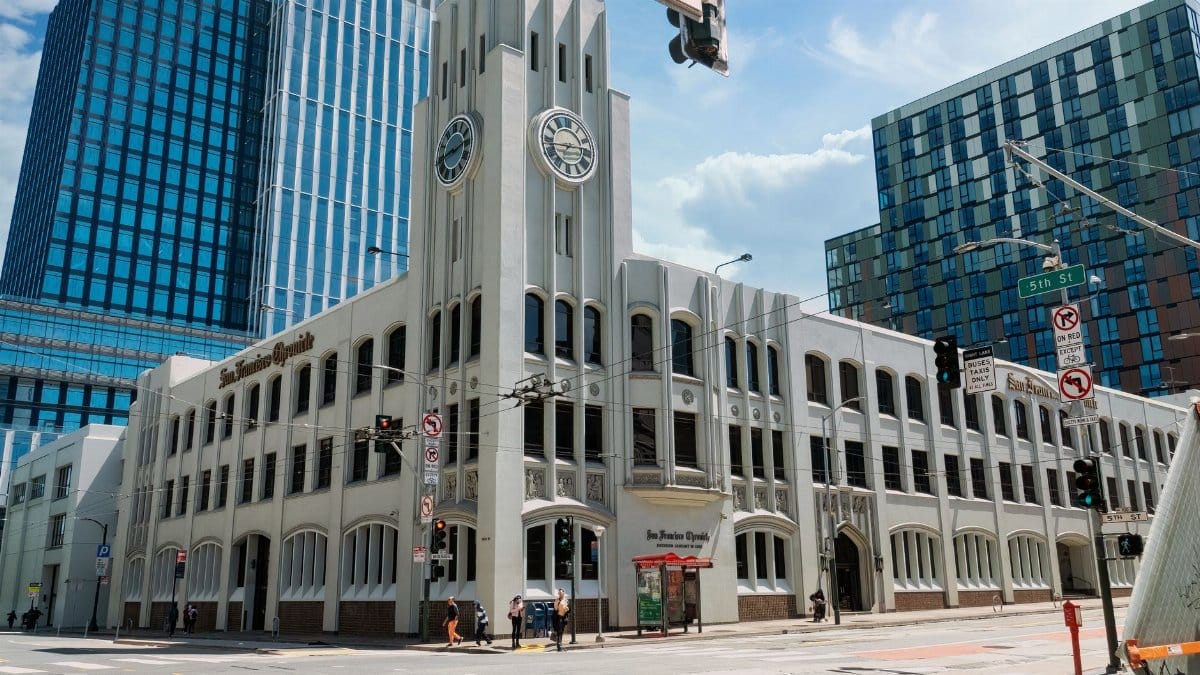
The morning light on Main Street used to catch the limestone and the display windows before the lunch crowd arrived. For more than a century that corner in downtown Dallas carried a particular promise: that a city on the prairie could dress, dine, and dream at the level of any coastal capital. On the last day of September that promise went dark. The Neiman Marcus downtown closing ended a run that began when the store was still a family gamble and Dallas was still inventing itself. What left was not only a retailer. It was a civic habit.
A century on one corner
Herbert Marcus, his sister Carrie Marcus Neiman, and her husband A. L. Neiman opened their first store in Dallas in 1907. The downtown flagship grew with the city, through oil booms, bank failures, and the long postwar rise of a regional capital that wanted to be taken seriously. Generations learned the layout by heart: the escalators, the perfume cloud near the entrance, the restaurant where deals and birthdays shared the same white tablecloths. One hundred twelve years is a long time for any American merchant to hold one address. Most downtown department stores did not. This one did, until it did not.
The building was never merely a container for goods. It was a stage. Brides came for fittings. Visitors from smaller towns treated a day inside as proof they had arrived in the city. Executives used the restaurant as a neutral room. Teenagers wandered the floors with more curiosity than cash. That mix is what a true flagship does. It lets a private company become, almost by accident, a public room.
How a family name became a civic symbol
Neiman Marcus taught Dallas a style of aspiration that was polished without being apologetic. The Christmas catalog, the elaborate windows, the belief that service could be a kind of theater: all of it fed a local myth that luxury belonged here, not only in New York or Paris. Carrie Marcus Neiman in particular became a figure of taste, a woman whose standards shaped what the sales floor would and would not accept. Long after the founding family left daily control, the name still carried that personal charge.
Cities need such symbols even when they are commercial. A courthouse says what the law is. A ballpark says who gathers on a Saturday. A great store says what a place thinks it deserves. For decades the downtown Neiman Marcus said Dallas deserved the best, and that the best should be available without a flight. When that message goes quiet, the skyline does not change, but the story people tell about the center of town does.
The notice that arrived in June

The end did not come as a rumor alone. A closing notice in June told employees and customers that the flagship would not see another holiday season in its historic form. Shoppers who had assumed the store was permanent suddenly had a date. Regulars planned final visits. Some came to buy. More came to look, to walk the floors one more time, to stand where a parent or a spouse once stood.
Announcements like that have a particular cruelty. They are clear, and they are also slow. Weeks pass. Markdowns deepen. The ritual continues in a diminished key. People keep saying they will come back, and then the calendar runs out. The Neiman Marcus downtown closing was public long before the doors actually locked, which gave the city time to grieve in advance and still left many surprised when the last afternoon arrived.
What bankruptcy rearranged
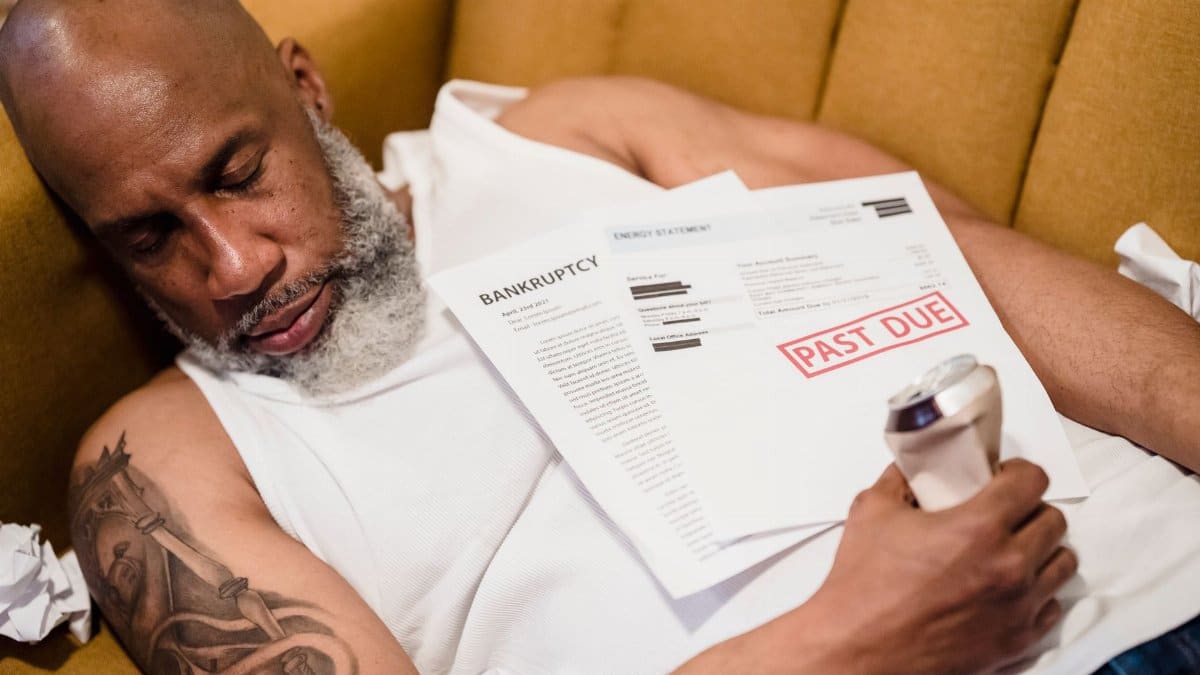
The June notice did not appear in a vacuum. Neiman Marcus had already passed through bankruptcy, a restructuring that reordered debts, ownership, and priorities. Chapter 11 can save a brand and still sacrifice a building. Lenders and new owners look at sales per square foot, at the cost of an aging downtown plant, at the easier math of suburban stores and online orders. Sentiment does not appear on those spreadsheets.
Bankruptcy is often described as a fresh start. For a flagship it can be the opposite: a moment when history becomes an expense. The downtown store carried prestige that was hard to price and costs that were easy to see. Maintenance, staffing, security, the sheer scale of a building designed for a different era of shopping, all of it weighed against a luxury market that had already shifted toward fewer, more productive locations. The brand survived in other places. The original room did not.
The last hours inside
September 30 was the shut date. People who were there describe a strange mix of commerce and farewell. Some racks were thin. Some counters were still staffed with the old care. Shoppers took photographs of stairwells and elevator doors, objects that had never seemed worth a picture until they were about to vanish. Employees hugged regulars they had dressed for weddings and funerals. A store that had sold glamour spent its final hours selling memory at a discount.
Last days of famous stores follow a pattern, and this one fit it. The lights stay on. The music plays. The transaction feels smaller than the occasion. What people remember later is rarely the bargain. It is the moment they realized the building would no longer be theirs to enter. The Neiman Marcus downtown closing compressed a century of ordinary afternoons into a single public ending.
Workers who knew the regulars by name
A flagship of that age employs people who are themselves a kind of archive. Alterations specialists, beauty advisers, sales associates with decades on the floor: they held relationships no algorithm can copy. They knew which client hated synthetic lining, which executive always took the same table, which mother returned every spring for a smaller size and a longer conversation. When a store closes, those workers do not simply change employers. They lose a craft practiced in a specific room.
Some will land at other Neiman Marcus locations or at rival luxury floors. Others will leave retail. The city rarely counts that loss in its economic summaries. It should. Institutional knowledge walks out with the staff. A new tenant, if one comes, can lease the square footage. It cannot lease the person who remembered a customer’s late husband and set aside a tie he would have liked.
The ritual of the downtown trip
For many Dallas families the store was not a weekly errand. It was an occasion. You dressed a little better. You parked with a plan. You ate. You looked at things you might not buy. Children learned how to move through a formal room without running. Out of town relatives were taken there the way other cities take relatives to a museum. The purchase, when it happened, was almost secondary to the pilgrimage.
That ritual had already thinned before the final season. Online luxury, trunk shows in the suburbs, and the simple fatigue of downtown traffic pulled people away. Still, rituals do not need daily use to matter. A church can be half empty and still hold a wedding that defines a family. A store can be quieter than it was in 1985 and still be the place a city goes when it wants to mark something. Losing the place is different from losing a habit you had already neglected. One can be repaired. The other cannot.
A thinner center of town
Downtown Dallas has spent years trying to become a neighborhood again, with apartments, parks, and restaurants filling blocks that once went dark after office hours. A landmark retailer was part of that argument, proof that people might come downtown for pleasure and not only for work. Its departure does not erase the apartments or the parks. It does remove a reason that cut across age and income, a reason that was legible from the sidewalk.
Empty flagship space has a way of making a district feel unfinished. Pedestrians read vacancy even when they cannot read a lease. The Neiman Marcus downtown closing arrives in a broader American pattern: the great urban department store, once the anchor of Main Street, has been retreating for decades. Macy’s, Lord and Taylor, and countless local names have already left their original halls. Dallas is not unique. It is simply late to a loss other cities have already absorbed, and lateness does not make the absence softer.
Luxury after the flagship era

The business of luxury has not disappeared. It has relocated and concentrated. Brands open their own boutiques. Shoppers compare prices on their phones between the fitting room and the parking garage. Suburban centers offer easier access and newer buildings. A historic downtown box, however beloved, competes with formats designed for a customer who values convenience as much as ceremony.
None of that makes the old model foolish. It makes it fragile. Prestige still needs a physical home, but that home is now as likely to be a small branded salon as a palace of many departments. The economics favor control by the designer, not by the local merchant who once edited the world’s goods for a city. When the editor leaves, the city does not stop buying beautiful things. It stops having one room where those things were gathered under a local eye.
What the building may yet hold
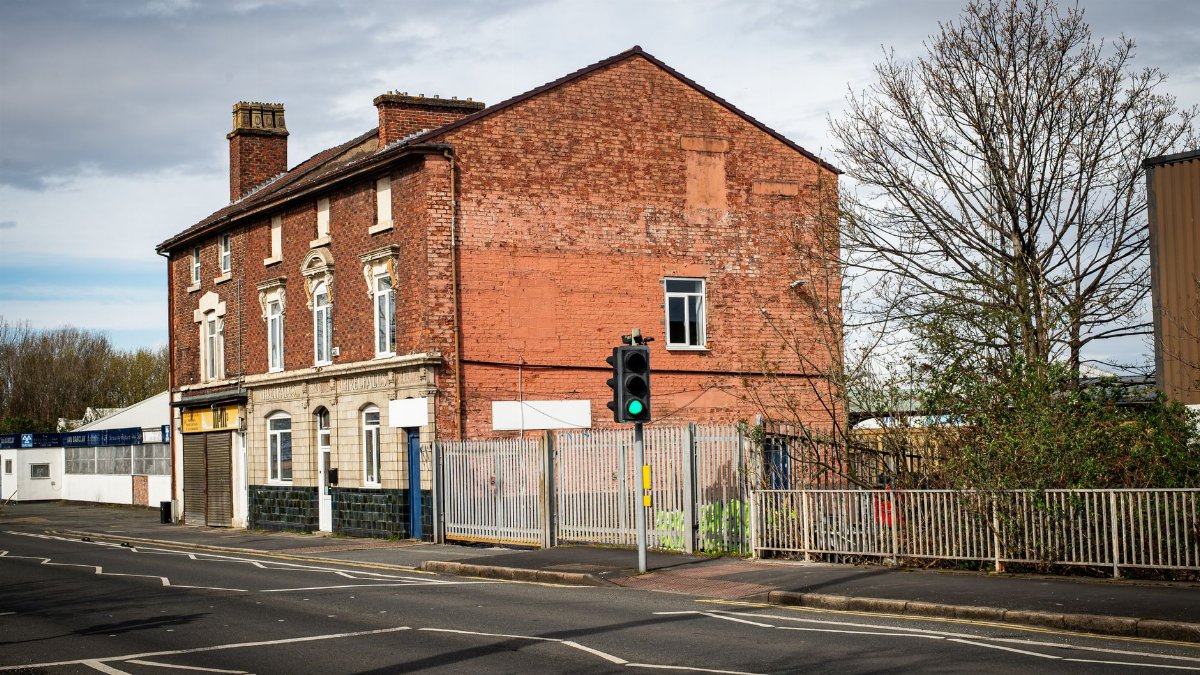
A closed store is not always a dead building. Dallas has reused warehouses, banks, and hotels that once looked finished. The Neiman Marcus block sits on land that developers understand. Offices, residences, a hotel, a smaller retail concept: all have been floated in conversations of this kind, and any of them could yet appear. What cannot be promised is continuity of feeling. A lobby with a plaque is not a sales floor with a memory.
Preservation, if it comes, will be a civic choice as much as a market one. Landmark rules, incentives, and public patience all play a part. The worst outcome is a long vacancy, plywood in the windows, a corner that teaches people to look away. The better ones require someone to decide that the shell of the place is worth the trouble. Worth, in this case, is not only rent. It is the cost of letting a city’s best known retail room go anonymous.
Memory is not a balance sheet

It is tempting to treat the ending as a simple business story, and in one sense it is. Sales, debt, and a June notice produced a September shutdown. The books closed. The brand continues elsewhere. That account is accurate and incomplete. People do not mourn a spreadsheet. They mourn a room where they became someone for an afternoon: better dressed, more hopeful, briefly certain that their city could match any other.
I have walked enough shuttered main streets to know the feeling that follows. The map still shows the address. The habit still turns the wheel toward that block, and then the driver remembers. Grief of this sort is mild, and it is real. It belongs to customers, to workers, and to anyone who believed a downtown should contain at least one place that aimed higher than convenience.
The Neiman Marcus downtown closing will fade from headlines. The corner will not. Whatever rises there will be judged against a century of windows, lunches, and small private victories. Dallas can build something new. It cannot pretend the old room never taught the city how to see itself.