
Before dawn, water sat in the low streets of Hollywood and would not drain. Parents stood at darkened windows, refreshing district pages, listening for the ping that would spare a child a soaked walk to a bus stop that might not exist. By the time kitchens filled with cereal bowls and unanswered questions, the message was plain. Miami-Dade Broward school closures had wiped Thursday off the calendar after a rain bomb left more than 15 inches on West Hollywood and turned ordinary routes into ponds. For two huge districts, the safest classroom was an empty one.
A Thursday that never started

The cancellations covered Miami Dade County Public Schools and Broward County Public Schools, the two largest systems in Florida and among the largest in the country. Together they educate hundreds of thousands of children, from the earliest grades through high school, across neighborhoods that do not flood in the same way or at the same hour. A closure on that scale is not a single announcement. It is a chain of calls to bus yards, cafeteria vendors, after school programs, and families who had already packed lunches.
WLRN reported that the districts canceled Thursday classes because the downpour made bus routes unsafe. The story, published at wlrn.org, framed the decision as a response to standing water rather than to a named hurricane. That distinction matters. Families know the ritual of a tropical storm. A rain bomb on an ordinary week arrives without the same runway of warnings, and it still shuts the doors.
What more than 15 inches does to a street
Fifteen inches is not a drizzle that beads on a windshield. On flat ground, with drains already full, it becomes a sheet that hides curbs, swales, and the difference between a lane and a canal. West Hollywood took the worst of it, according to the account that accompanied the closure news. Cars that left driveways at dawn met water high enough to stall engines. Side streets that look harmless on a sunny Tuesday became places where a bus cannot judge depth.
South Florida is built on limestone and filled land. Water has few places to go once the canals and pumps fall behind. A single neighborhood can be passable while the next intersection is not. District transportation offices do not get to gamble on the hopeful block. If a route cannot be run safely from the first stop to the last, the route does not run. When enough routes fail that test, the school day fails with them.
Why the bus is the real threshold
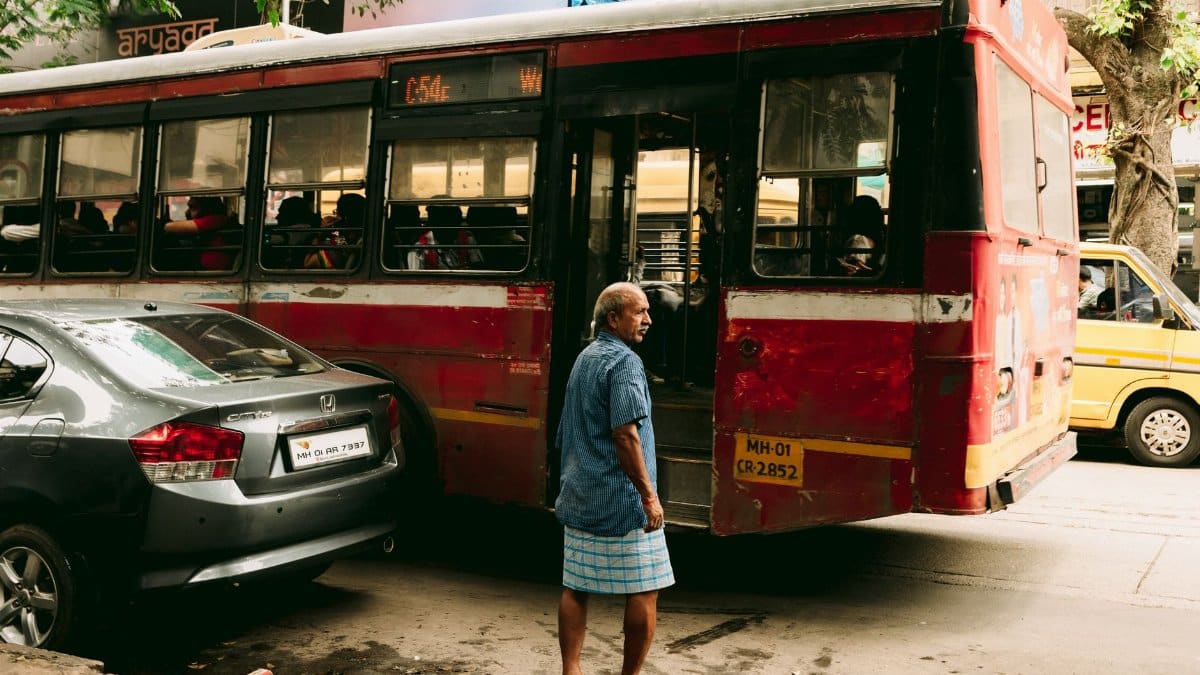
Buildings can be dry while the way to those buildings is not. That is the quiet logic behind Miami-Dade Broward school closures in a flood: the campus is only half the promise. The other half is a driver, a vehicle, and a child who can board without walking through water that reaches a knee or hides an open drain. Districts weigh that promise against liability, against the memory of past storms, and against the simple fact that a stuck bus is a crisis of its own.
Parents who drive still face the same roads. A closure does not only protect students who ride yellow buses. It tells every household that officials no longer trust the morning network of streets. Some families would have tried anyway. The cancellation removes that choice, which is frustrating and, in this kind of water, often correct.
The household arithmetic of a sudden day off

A canceled Thursday is not a holiday. It is a logistics problem with no notice. Hourly workers cannot always call out. Office workers may have no backup for a child who is suddenly home. Older siblings become the plan. Neighbors trade hours. Grandparents get a text before coffee. None of that appears in a district press note, yet it is where the closure actually lands.
Food is part of the arithmetic. For many students, breakfast and lunch at school are not extras. A rain day can mean a thinner meal, or a meal that depends on what is already in the cabinet. Districts sometimes stage pickup sites after a closure. Whether those sites opened after this downpour is a question families had to answer in real time, street by street, as water kept them from traveling even to help.
Teachers, kitchens, and buildings left in pause
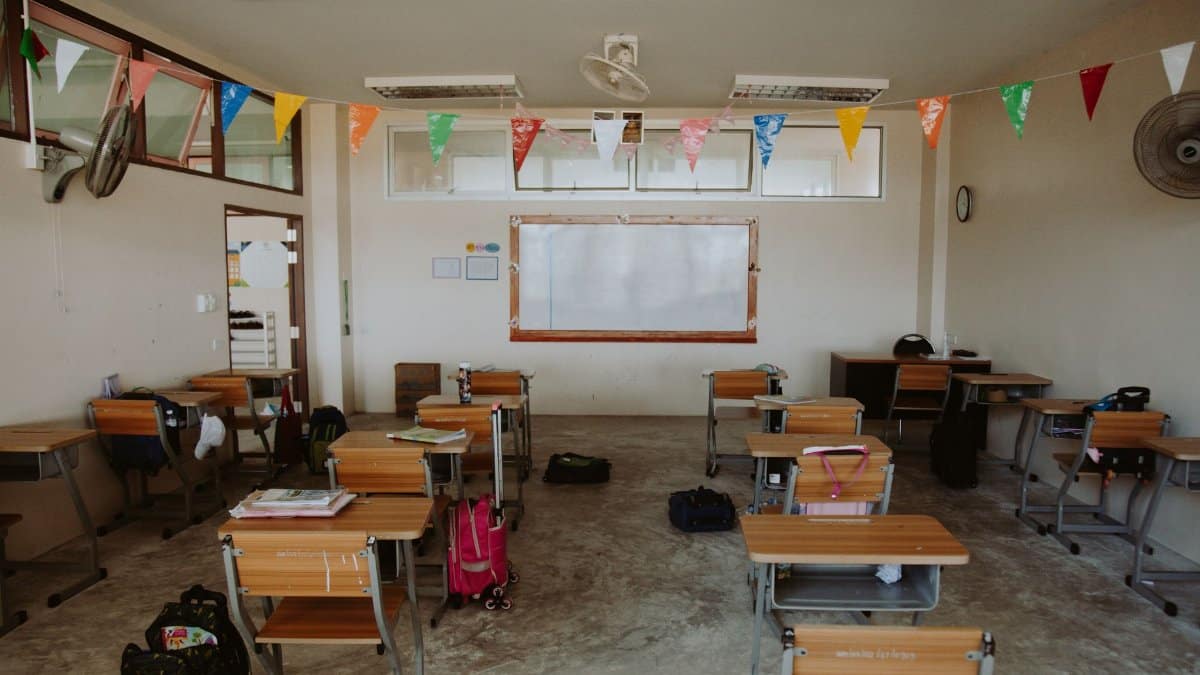
Staff do not vanish when students stay home. Some cannot reach their own campuses. Others spend the day checking rooms for leaks, moving books off floors, and answering messages from families who want to know if Friday is real. Cafeteria workers may lose a shift. Substitute teachers lose a day of pay. The public sees an empty parking lot. Inside the system, a closure is a payroll event and a maintenance event as much as it is a safety call.
Buildings in both counties have flooded before. A dry classroom on Thursday does not guarantee a dry classroom on Friday if the roof took on water or if a ground floor still smells of damp concrete. Facilities crews become the second shift of the storm, working while the rest of the county tries to pump streets clear. Their report, more than the radar, often decides whether the next bell rings.
A wetter season that no longer feels rare
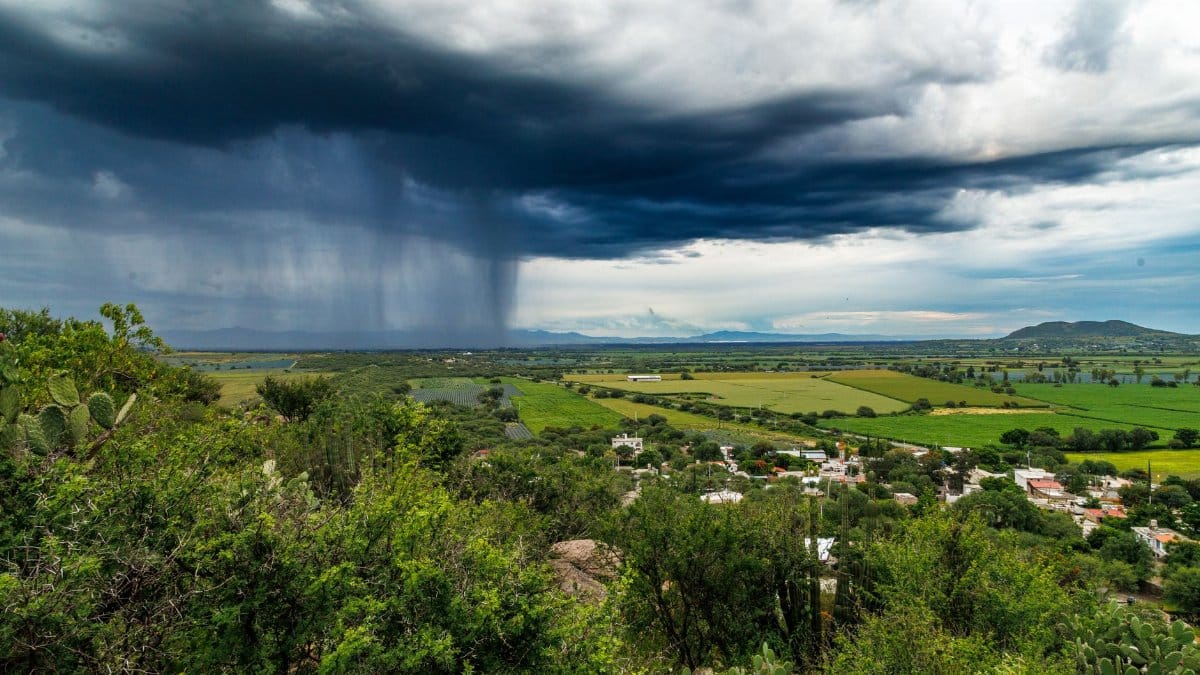
One closure can be filed as weather. A run of them starts to look like climate. South Florida has always lived with summer rain. What has changed, in the experience of people who drive these roads, is how fast a cell can unload and how long the water sits. Scientists describe heavier downpours as a signature of a warmer atmosphere that holds more moisture. Residents describe it as the afternoon that used to pass and now stops the county.
Schools sit inside that shift. They are not engineered as flood infrastructure, yet they are asked to function as if the old rain calendar still holds. When it does not, Miami-Dade Broward school closures become a recurring civic signal: the region can move people, goods, and lessons only as far as the water allows. That is a planning problem for superintendents, and it is also a planning problem for mayors, water managers, and anyone who thinks a school calendar is only about instruction.
Where congregations quietly fill the gap
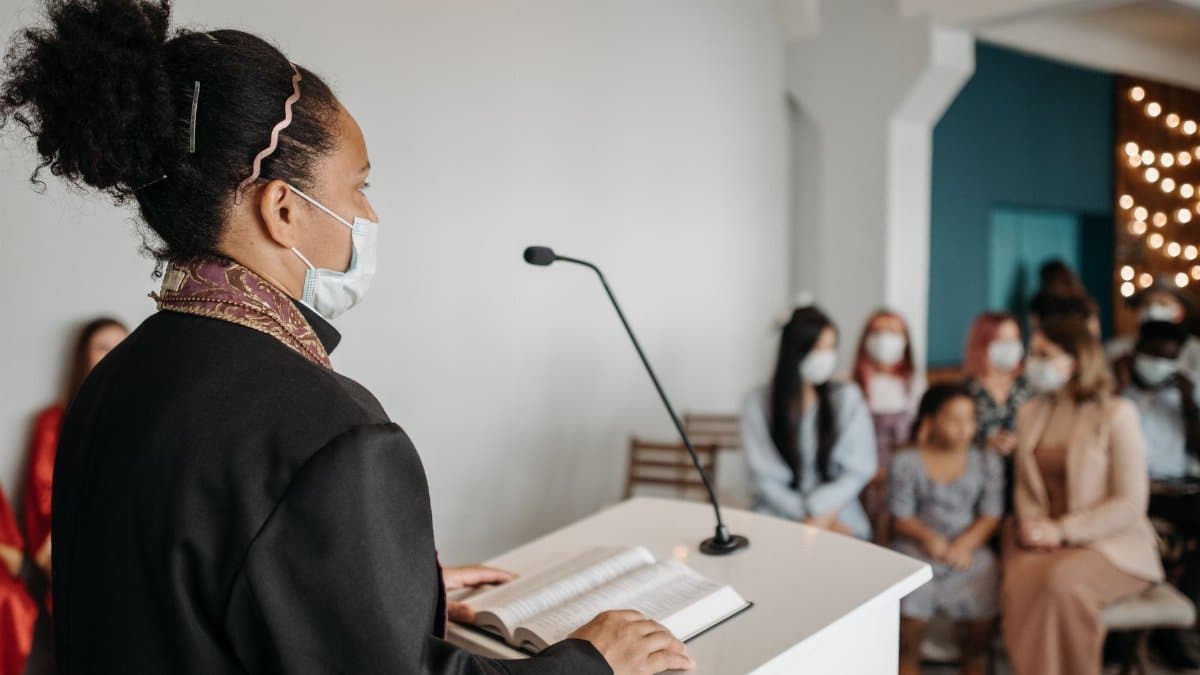
On days like this, some of the steadiest rooms in a neighborhood are not public buildings. Churches, mosques, and synagogues already know the families. They have halls, kitchens, and people who answer a phone. After a sudden closure, those rooms sometimes become the informal day care, the place a meal appears, or simply the dry floor where a child can sit while a parent finishes a shift. Faith, in that hour, looks less like a sermon and more like a key to a side door.
That role is uneven. Not every congregation has space or staff. Not every family wants it. Still, in a county where official sites may be unreachable, the house of worship down the block can be the difference between a child alone and a child watched. Spiritual communities have long treated disaster as a duty. A rain bomb asks the same duty on a smaller, wetter scale, without the television trucks.
What families still needed to hear

The first alert answers the only question that matters at 6 a.m.: do we go. The questions that follow take longer. Will Thursday be made up. Are athletic events off. Is the building open for staff. Can a student still submit work online, or is the day simply gone. Districts that communicate in plain language, on the channels parents actually check, reduce a second wave of confusion. Districts that update once and go quiet leave group chats to invent the rest.
Language access belongs in that duty. Miami Dade and Broward are home to households that read Spanish, Haitian Creole, Portuguese, and other languages before they read English. A closure note that travels in only one language is an incomplete note. Water does not sort families by fluency. Neither should the message that keeps them off the road.
Friday, and the roads that have to prove themselves

Reopening is not the reverse of a text message. Someone has to drive the routes, look at the standing water, and decide that a bus can pass. Pumps have to catch up. Debris has to be moved. A street that looked closed at dusk can look open at dawn and still hide a soft shoulder. Caution on Friday is not stubbornness. It is the same standard that justified Miami-Dade Broward school closures on Thursday, applied after the sky has cleared and the ground has not.
Parents will judge the call by what they see on their own block, which is human and incomplete. A dry suburb can resent a closure that was forced by a drowned corridor miles away. A flooded block can resent a reopening that assumes every child has a car. The fairest standard is the most vulnerable route, not the average one. That is a hard sentence to put in a push alert. It is still the right one.
An empty school as a kind of care
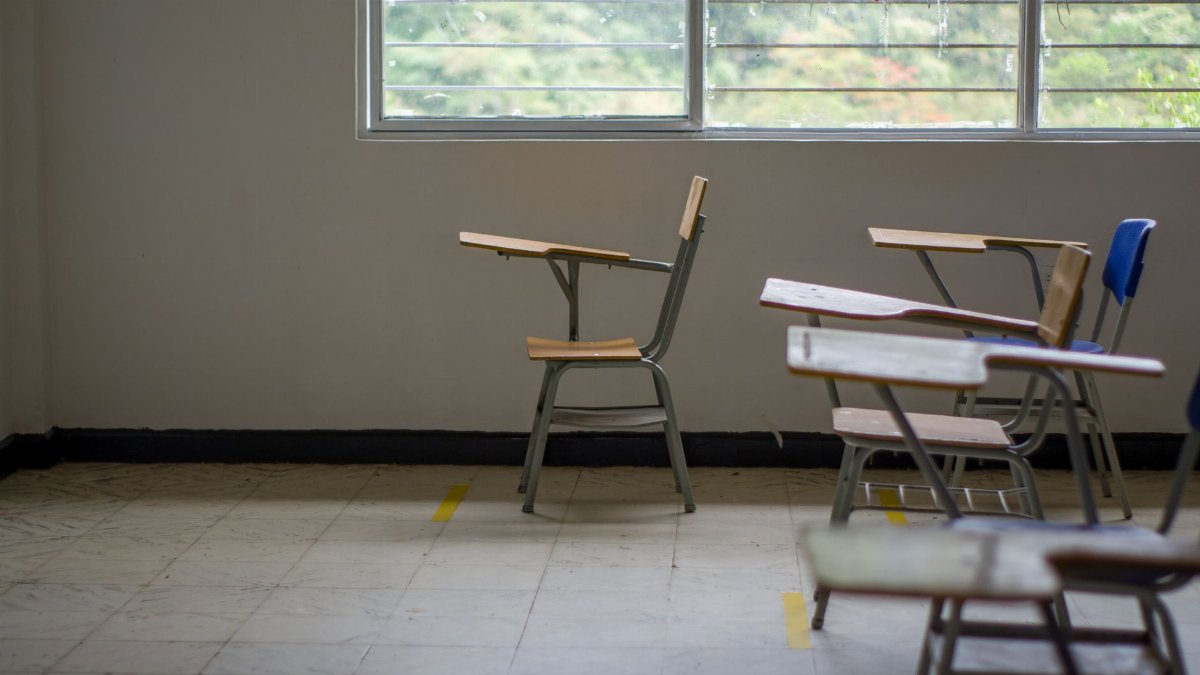
There is a temptation to treat a washed out Thursday as lost time, a mark against instructional hours and test calendars. Those hours matter. They are not the only measure of a district that is doing its job. Keeping children out of water they cannot see through is instruction of another kind: a public promise that attendance is not worth a rescue.
The downpour will recede. West Hollywood will pump and dry. Buses will roll again, and the argument over makeup days will start. What should linger is the picture from before dawn, of parents at the window and a decision that chose an empty classroom over a risky road. Miami-Dade Broward school closures are clumsy, costly, and, in more than 15 inches of rain, a form of care the region cannot afford to treat as rare.