
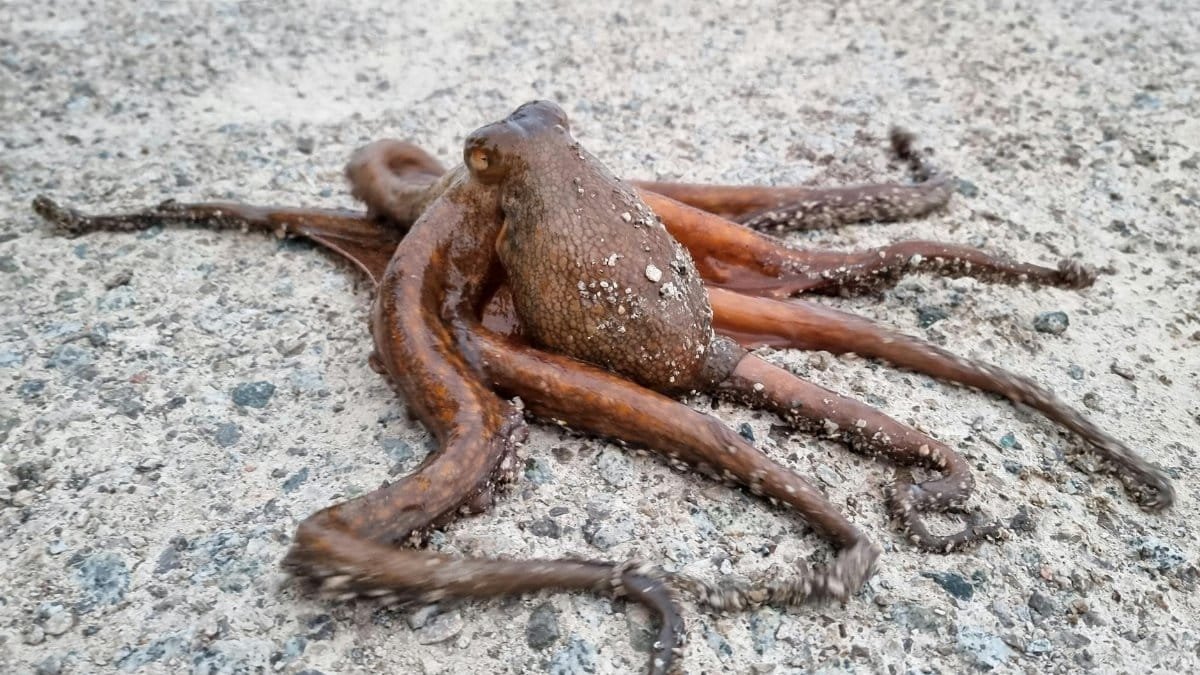
In the tranquil waters off the coast of Greece divers often encounter creatures that seem to watch them with knowing eyes. One particular octopus appeared to follow a divers movements with curiosity before retreating into a crevice only to return moments later with a shiny object it had retrieved from the seafloor. Such interactions hint at a mind operating on principles entirely alien to our own. Scientists have become increasingly captivated by what they term octopus brain intelligence a form of cognition that evolved separately from our lineage over hundreds of millions of years. This inquiry challenges long held beliefs about how brains generate awareness and adaptive behavior. By examining these marine invertebrates researchers hope to discover whether there exists more than one fundamental way to construct a thinking being. The quest reveals not just biological curiosities but deeper truths about the varied paths life takes toward complexity and awareness.
The Unique Structure That Defies Convention

The octopus nervous system bears little resemblance to the compact centralized organ housed inside the human skull. Instead it features a distributed network where roughly two thirds of its five hundred million neurons reside outside the main brain entirely within the arms themselves. This arrangement creates a biological marvel that operates with remarkable independence while still achieving seamless coordination across the whole creature.
Neuroscientists examining this layout have come to view it as a masterclass in decentralized control. Unlike vertebrates that rely on a dominant command center the octopus maintains constant dialogue between its central lobes and its peripheral neural clusters. A recent article in Scientific American details how this architecture supports rapid decision making during hunting or escape without requiring every signal to travel back to headquarters first.
Such findings suggest that intelligence can flourish through alternative designs. The octopus processes visual information through its skin in limited ways and tastes with its suckers all while maintaining sophisticated awareness of its surroundings. This challenges assumptions that advanced cognition demands a large centralized brain.
Autonomy In Every Limb

Each octopus arm functions with striking self sufficiency. When researchers sever an arm for study purposes it continues to explore its environment responding to touch and chemical cues for nearly an hour. This capability stems from the dense nerve cords running through every limb creating what some scientists describe as miniature brains along the length of each appendage.
Observations in laboratory settings show arms solving mechanical puzzles even when disconnected from the central brain. One experiment involved placing food inside a clear box accessible only through a maze like opening. Individual arms worked persistently showing apparent memory of previous attempts. These behaviors illuminate how octopus brain intelligence operates across multiple semi independent units rather than depending solely on top down instruction.
The creature appears to negotiate between its various neural outposts. When conflict arises such as one arm wanting to grab an object while another detects danger the animal resolves the tension with fluid grace that reveals deep integration beneath the apparent independence.
Mastering Challenges Without Familiar Tools

Octopuses demonstrate problem solving abilities that rival those of many mammals yet they do so without the brain structures humans typically associate with higher cognition. They open jars twist latches and navigate elaborate obstacle courses designed by human experimenters. In the wild they construct shelters from rocks and shells displaying foresight and planning.
Studies conducted at the Marine Biological Laboratory in Woods Hole have documented instances where octopuses use tools such as coconut shells for protection. These behaviors require not just physical dexterity but cognitive flexibility and the capacity to learn from observation. What makes these achievements particularly striking is their evolutionary distance from human intelligence. Our last common ancestor was a simple worm like creature living more than six hundred million years ago.
This radical divergence proves that sophisticated problem solving can emerge through entirely different neural pathways. The absence of a prefrontal cortex does not prevent these animals from exhibiting what looks very much like strategic thinking.
Evolutionary Journeys To Sophistication

The intelligence of octopuses represents a striking case of convergent evolution. While humans developed large neocortices within social primate lineages these cephalopods followed their own trajectory in the ocean depths. Both paths led to complex behavior but through markedly different means.
Fossil records and genetic analysis indicate that cephalopod brains expanded dramatically during periods of intense competition in ancient seas. As fish and other predators grew more sophisticated octopuses responded by developing better camouflage better escape tactics and better learning abilities. This arms race produced cognitive capacities that continue to astonish biologists today.
Unlike many intelligent animals octopuses are largely solitary and have short lifespans of just one to two years in most species. This limits opportunities for cultural transmission of knowledge. Their intelligence must therefore be largely hardwired yet flexible enough to handle novel situations. This combination makes them ideal subjects for exploring the biological foundations of cognition.
How These Creatures Remember And Adapt
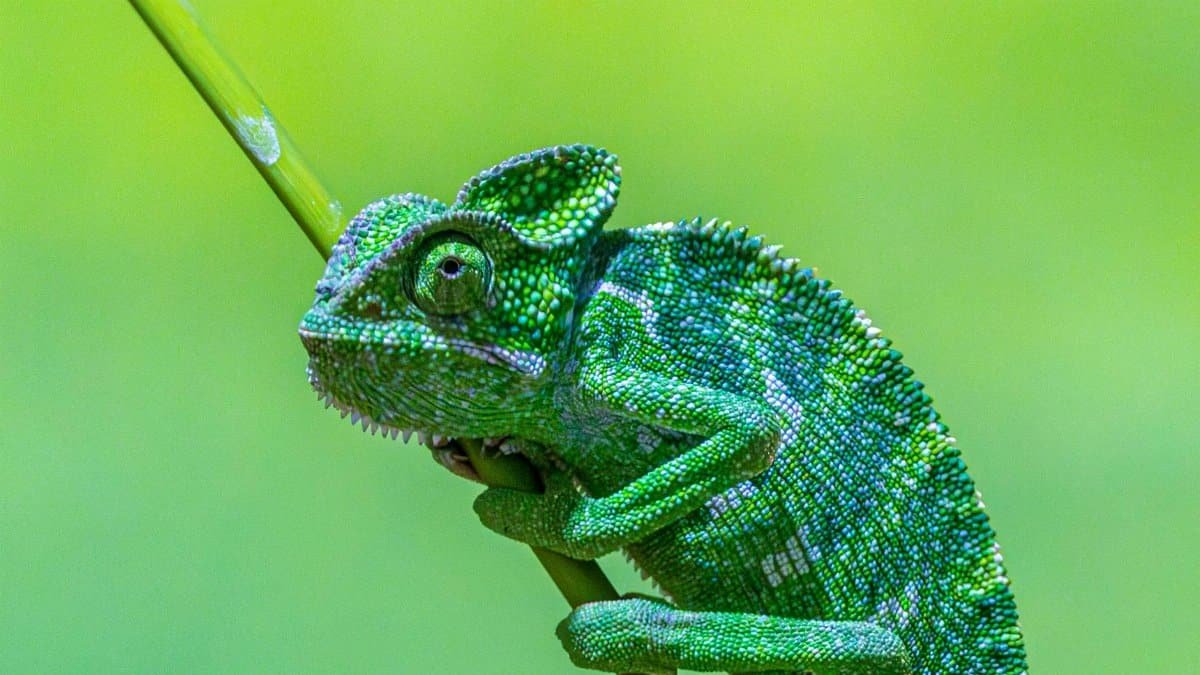
Memory in octopuses operates through mechanisms that differ from our own yet produce comparable results. They can remember solutions to problems for weeks and distinguish between individual human caretakers in laboratory environments. Some appear to hold grudges against researchers who have handled them roughly.
Investigations into octopus brain intelligence have revealed specialized cells called amacrine cells that may play important roles in learning and memory formation. These cells proliferate dramatically during critical developmental periods much like certain neural populations in young mammals.
Adaptation happens at astonishing speed. An octopus encountering a new predator can alter its hunting strategies within a single encounter. This behavioral plasticity suggests a level of situational awareness that transcends simple instinct. Their ability to integrate sensory information from sight touch and taste creates a rich perceptual world that informs rapid decision making.
Camouflage As A Window Into Awareness
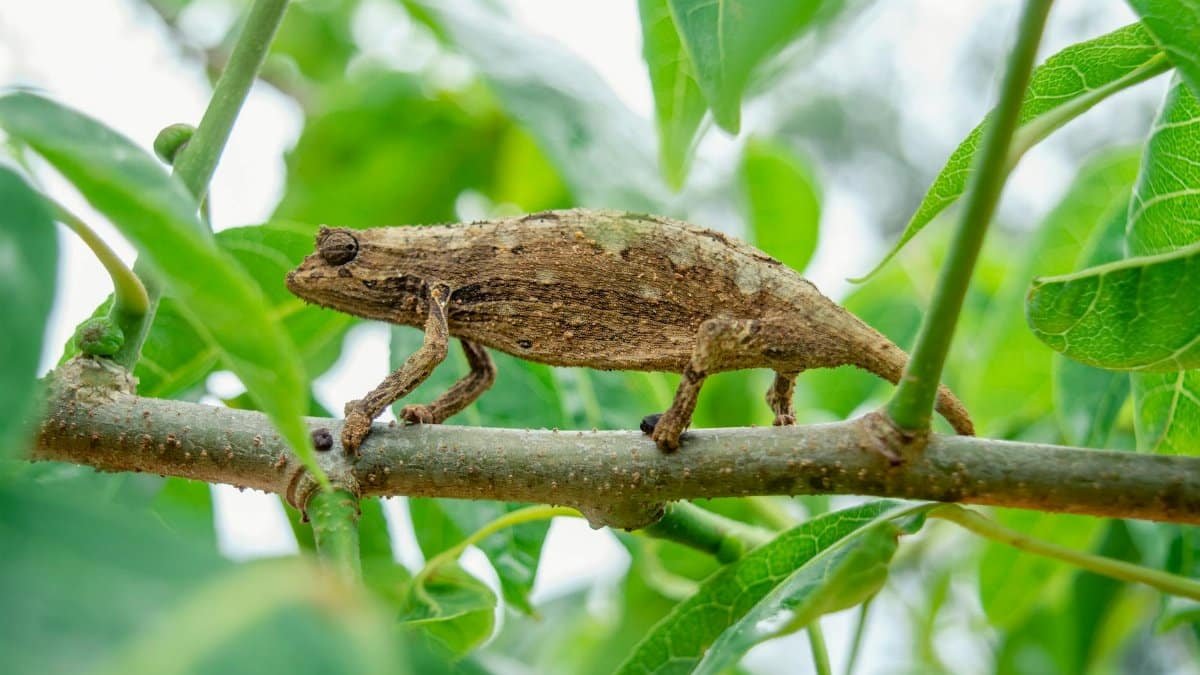
The famous color changing abilities of octopuses require extraordinary neural coordination. Specialized cells called chromatophores expand and contract under direct control of the nervous system allowing the animal to match its surroundings with remarkable precision. This process happens faster than the human eye can track.
What fascinates researchers is how these changes often reflect apparent decision making. An octopus may choose different patterns depending on whether it wants to hide hunt or communicate. The sophistication of these choices implies a level of environmental modeling that approaches conscious awareness.
Roger Hanlon a senior scientist at the Marine Biological Laboratory has spent decades documenting these displays. His work available through various academic publications shows that camouflage involves not just visual matching but textural changes and behavioral adjustments that together create convincing illusions.
Connections To Broader Questions Of Mind

The study of octopus cognition touches on philosophical questions about the nature of consciousness itself. If these animals with their utterly alien nervous systems can solve problems learn from experience and possibly experience something like emotions then our definitions of mind may need expansion.
Some researchers draw parallels between octopus intelligence and emerging ideas in artificial intelligence particularly distributed systems and swarm intelligence. The way an octopus coordinates its eight arms offers potential insights for robotics and computing architectures that move beyond traditional centralized processing.
This research also carries subtle spiritual implications. It suggests that the universe may contain multiple valid expressions of awareness each beautifully adapted to its environment. The octopus reminds us that human style intelligence represents just one solution among many possibilities that evolution has explored.
What This Means For Technology And Robotics
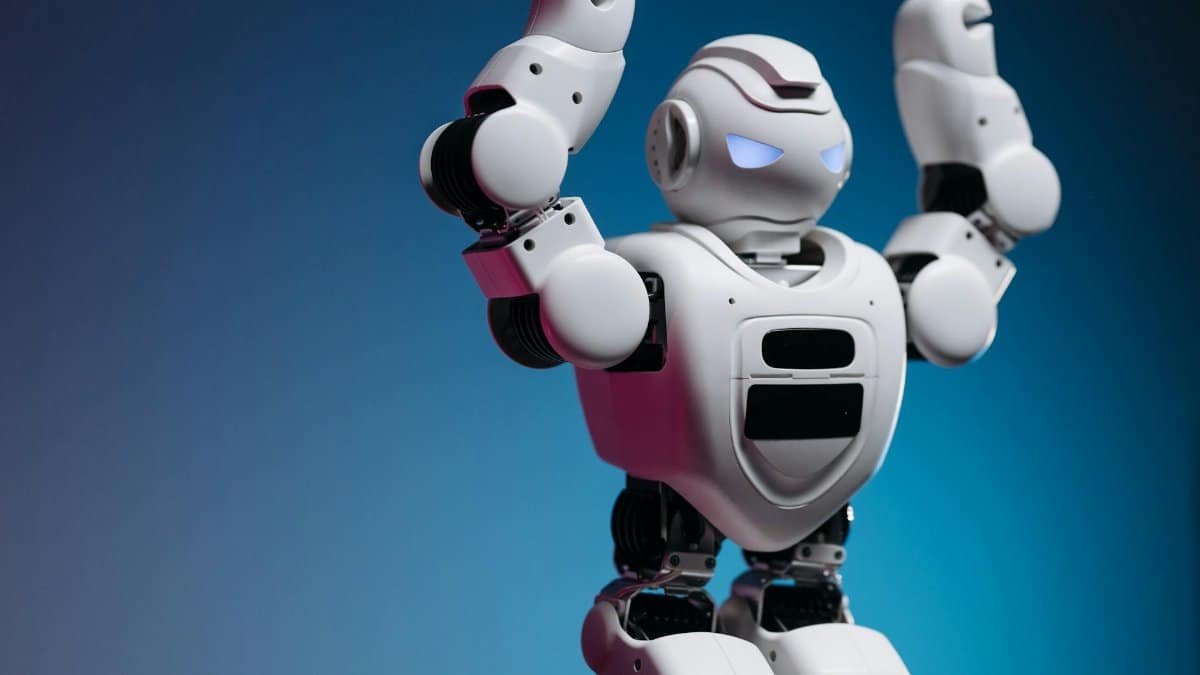
Engineers have begun looking to octopus anatomy for inspiration in soft robotics. Traditional robots with rigid components struggle in unpredictable environments whereas soft flexible designs modeled after cephalopods show greater adaptability. Projects at institutions like Harvard and Cornell have produced robotic arms that mimic the dexterity and autonomy observed in living octopuses.
These bioinspired machines could revolutionize underwater exploration medical procedures and search and rescue operations. The distributed control systems drawn from octopus neurobiology allow robots to respond locally to obstacles without waiting for instructions from a central processor.
Such applications demonstrate how pure scientific curiosity about marine life can yield practical benefits. Understanding octopus brain intelligence opens pathways toward technologies that operate more harmoniously with complex unpredictable environments.
Moral Considerations In Research

As evidence of octopus sophistication accumulates scientists face growing ethical questions about their treatment in laboratories. Several countries including the European Union have extended legal protections to cephalopods similar to those afforded vertebrates. These regulations recognize their capacity for experiencing distress and their advanced cognitive abilities.
Researchers must now justify their methods with greater care. Some have shifted toward observational studies in natural habitats while others develop non invasive techniques for laboratory work. The debate reflects a broader societal reckoning with how we value different forms of intelligence.
Conservation efforts have gained momentum as well. Many octopus species face threats from overfishing and climate change. Protecting these remarkable animals preserves not just biodiversity but living examples of alternative paths to cognitive complexity.
Embracing Multiple Forms Of Brilliance

The more we learn about these remarkable creatures the more our definition of intelligence expands. Octopus brain intelligence demonstrates that awareness and adaptability can arise through biological arrangements that look nothing like our own. This discovery carries profound implications for how we understand ourselves and our place in the natural world.
Rather than measuring all minds against a human standard we might celebrate the diverse expressions of cognition that evolution has produced. The octopus teaches humility. It shows that our way of being smart represents one possibility among many and that the universe likely holds other forms of brilliance we have yet to recognize or comprehend.
In contemplating these eight limbed marvels we glimpse the creative potential inherent in life itself. Their existence enriches our understanding of what it means to be aware and invites continued wonder at the myriad ways consciousness might manifest across the living world.