

In recent months, drivers across California have faced an unexpected summons back to testing centers, triggered by evidence of irregularities that point to California DMV Fraud on a notable scale. The situation unfolded quietly at first, with routine audits revealing patterns in written exam results that raised alarms inside the agency. Officials responded by ordering fresh tests for thousands, leaving many middle aged commuters puzzled and inconvenienced as they rearranged work schedules and family obligations to comply. The episode underscores how vulnerabilities in administrative systems can ripple outward, affecting everyday routines in ways that feel both sudden and deeply personal. Public records show the review began after internal data flagged clusters of near perfect scores from certain testing sites, prompting a broader inquiry that continues to unfold.
Origins of the Testing Irregularities

The inquiry traces back to routine data monitoring that spotted unusual answer patterns on written exams. Examiners noticed groups of applicants submitting identical responses on questions about traffic laws and safety protocols. This discovery led to a wider audit covering multiple offices in urban and suburban areas alike.
How Drivers Learned of the Retake Orders
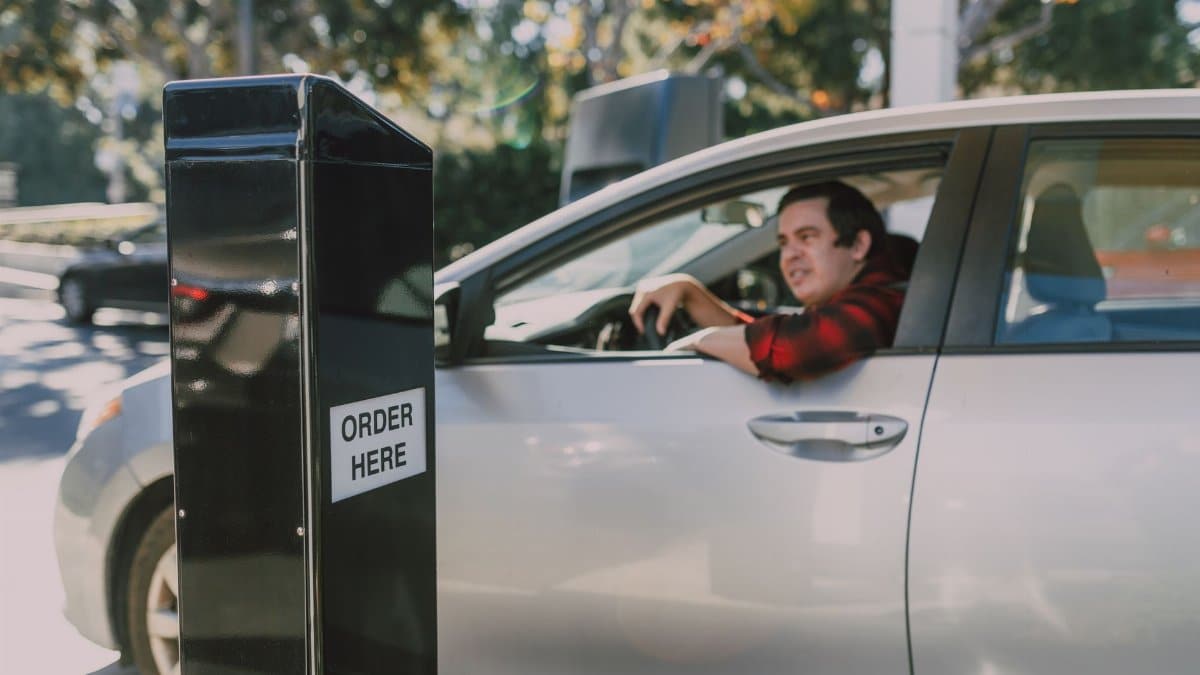
Letters arrived in mailboxes without warning, directing recipients to schedule new appointments within a set period. Many recipients described the notices as abrupt, with little explanation beyond a reference to possible exam compromises. Phone lines at local offices quickly became overloaded as people sought clarification on next steps.
Daily Disruptions for Working Families

Commuters who rely on valid licenses for jobs in delivery, sales, and healthcare found themselves navigating extra days off or alternative transportation. Parents adjusted school drop off routines while retirees postponed medical appointments. The added travel to testing sites compounded costs for fuel and parking in already busy regions.
Agency Efforts to Restore Integrity

Officials introduced revised exam protocols and increased monitoring at high volume locations. Staff received additional training on spotting suspicious behavior during testing sessions. These steps aim to prevent future lapses while processing the large volume of required reexaminations.
Public Response and Growing Frustration

Community forums and local radio programs filled with accounts from affected drivers who questioned the fairness of blanket retake policies. Some expressed doubt that their own exams had been compromised, while others called for more targeted investigations rather than broad measures. Petitions circulated in several counties urging clearer communication from state offices.
Legal Questions Surrounding the Reviews

Attorneys began examining whether the mass notifications comply with administrative procedures. Court filings in a handful of cases argue that individuals deserve specific evidence linking them to any misconduct before facing new requirements. These challenges could shape how similar reviews proceed in coming months.
Comparisons With Practices in Other States

Neighboring states have faced isolated incidents of test misconduct yet handled them through narrower investigations. California approach stands out for its volume and speed, reflecting the size of its driver population and the complexity of its licensing network. Observers note that technology upgrades elsewhere have helped reduce opportunities for coordinated cheating.
Role of Technology in Prevention

New software now scans for duplicate answer sheets across testing sessions. Cameras and seating rearrangements aim to limit opportunities for collaboration during exams. Agency leaders continue to evaluate biometric options, though privacy concerns have slowed adoption in some districts.
Economic Costs of Expanded Testing

The surge in appointments has required temporary staffing increases and extended operating hours at offices statewide. Budget documents indicate added expenses for overtime and facility maintenance, costs ultimately borne by taxpayers and fee payers alike. Long term savings may emerge if the measures reduce repeat fraud attempts.
Outlook for Licensing Procedures

Reforms under discussion include randomized question banks and shorter validity windows for written test results. Lawmakers have held preliminary hearings on funding for system upgrades. The episode serves as a reminder that public agencies must balance efficiency with safeguards to maintain trust in essential services.