
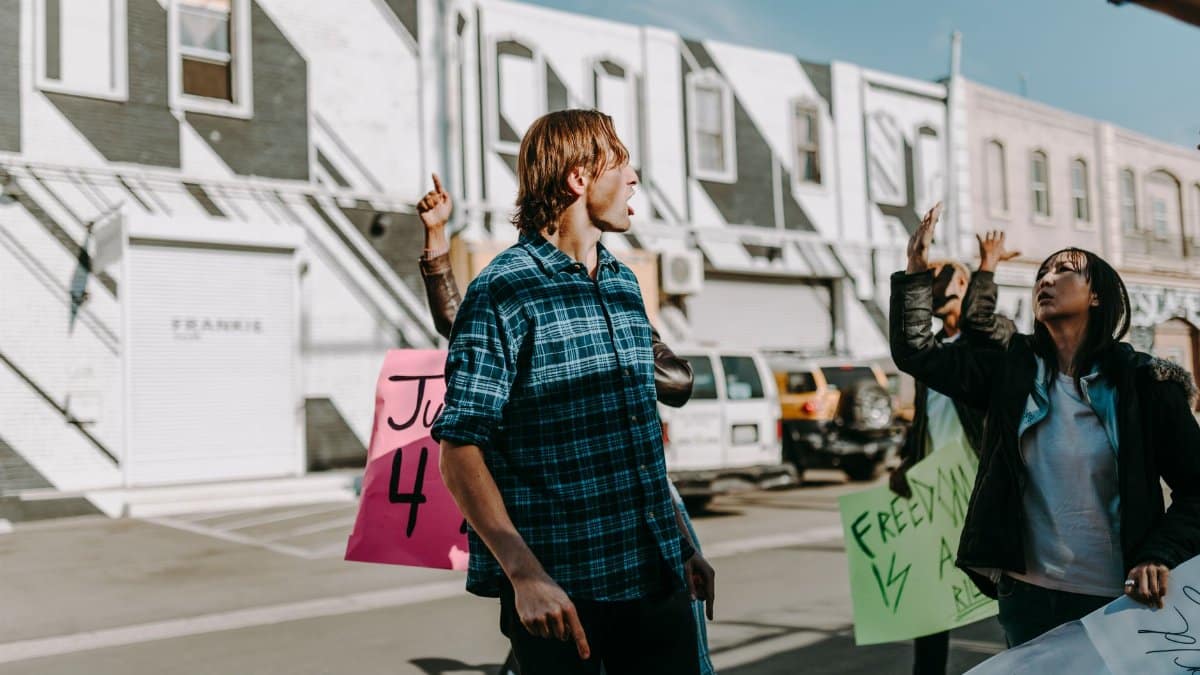
In neighborhoods across southeast Michigan, young voices have risen with unusual clarity against pollution that darkens their skies and threatens their health. These residents, many still in high school or early college, have turned personal stories of asthma and missed school days into organized calls for change. Their efforts place Metro Detroit air quality at the center of a broader push for fairness in communities long overlooked by regulators. The movement blends street protests with data reviews and meetings with officials, showing how environmental worries can spark civic action among a generation that sees its future at stake.
Young Residents Link Pollution to Daily Health Struggles
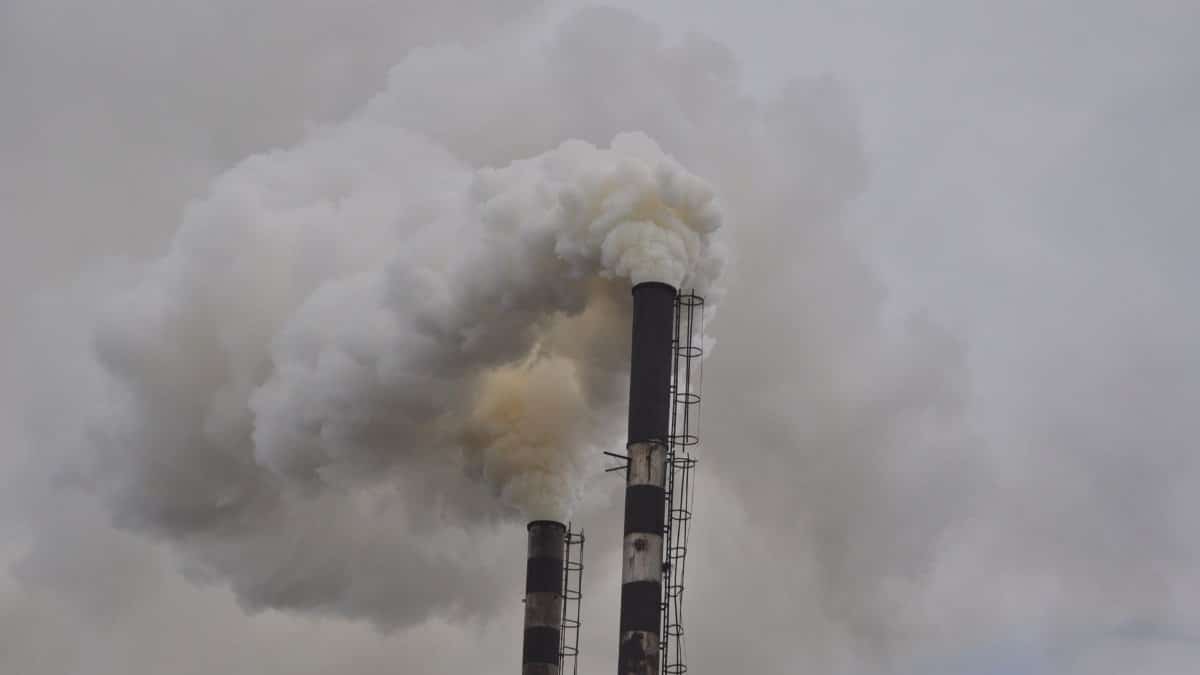
Reports from local clinics show elevated rates of respiratory issues among children living near industrial zones and busy highways. Families describe nights interrupted by coughing fits and mornings when outdoor play must be canceled. These patterns have prompted teenagers to collect their own air samples using low cost monitors, then compare results with official readings that sometimes appear less alarming. The gap between lived experience and published numbers has fueled distrust and a determination to demand better monitoring stations in the most affected blocks.
Community Meetings Turn Personal Concerns Into Shared Goals
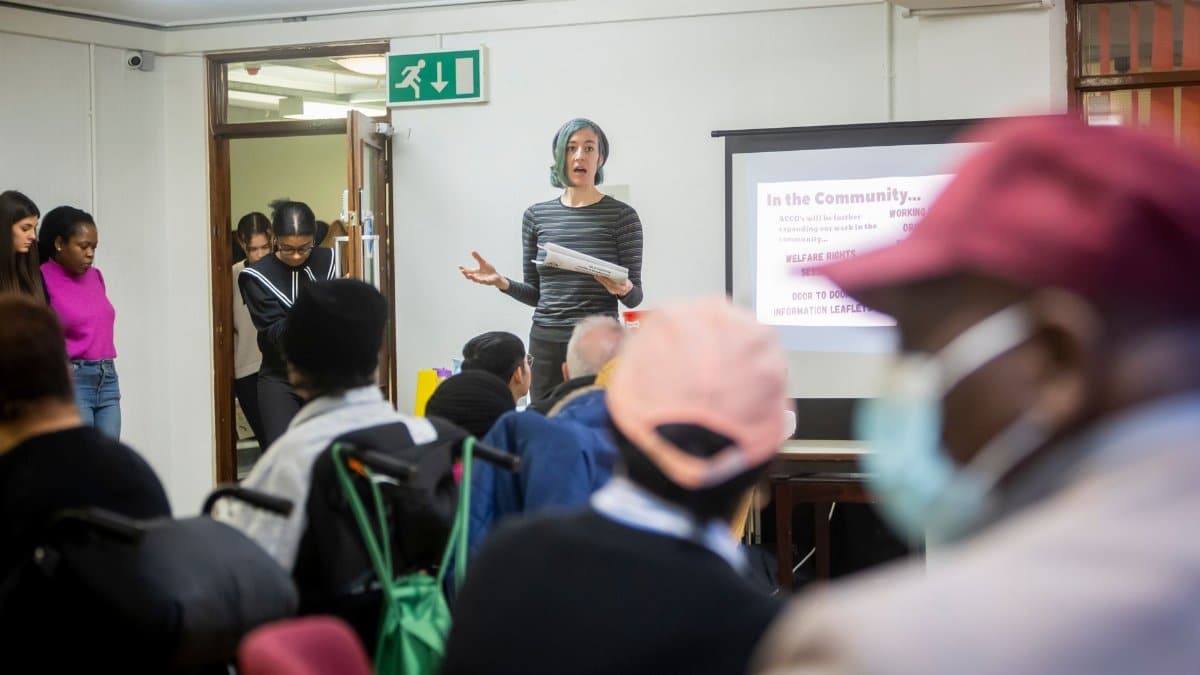
Weekly gatherings in church basements and library rooms have become regular stops for parents and students alike. Speakers present maps that highlight pockets of higher pollution, then invite attendees to add their own observations from walks to school or commutes to work. Over time these sessions have produced joint letters to state agencies and invitations for regulators to visit specific streets. The tone stays practical, focused on measurable steps rather than abstract debate.
Schools Add Environmental Lessons to Standard Curriculum
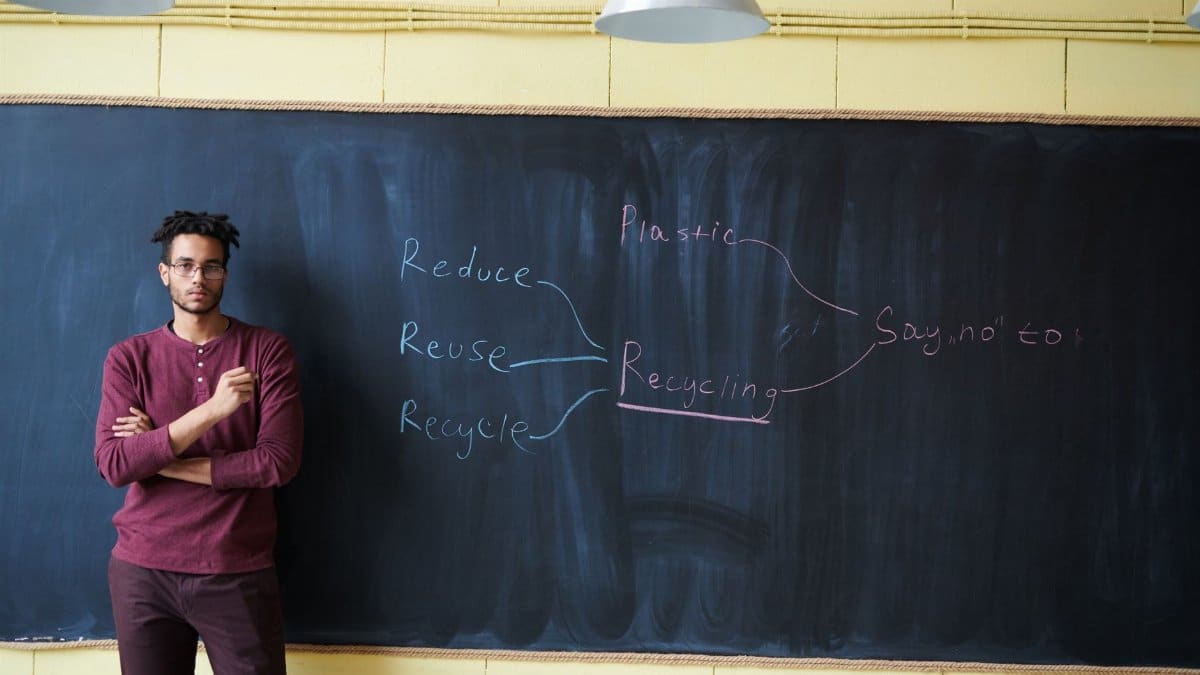
Teachers in several districts now weave air quality topics into science and civics classes. Students learn to read emission reports, interview local experts, and build simple models that show how weather patterns move pollutants across the region. One class project sent participants to interview grandparents about changes in the sky over decades, creating oral histories that sit alongside current sensor data. The approach gives young people tools to discuss Metro Detroit air quality without waiting for outside permission.
Partnerships With Health Groups Strengthen the Message
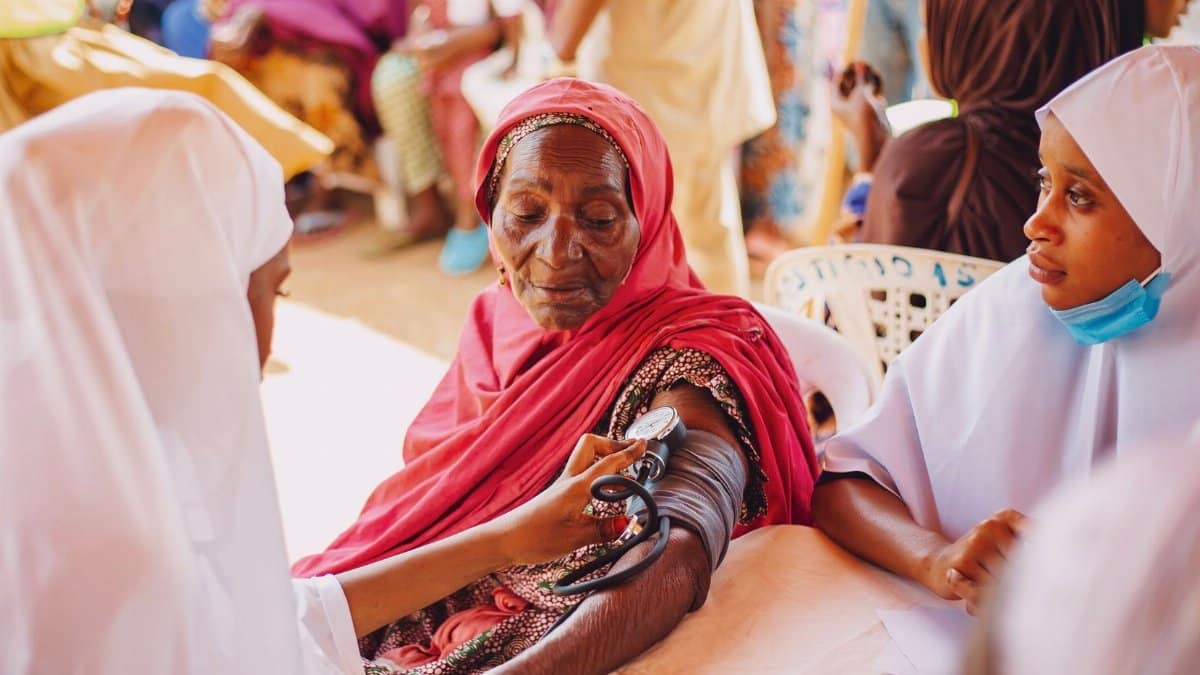
Medical professionals have joined rallies and supplied statistics that connect breathing difficulties to nearby factories and traffic corridors. These alliances lend weight to claims that might otherwise be dismissed as youthful enthusiasm. Doctors note that repeated exposure can lead to chronic conditions that follow patients into adulthood, raising long term costs for families and public systems. Their presence at events signals that the issue extends beyond any single neighborhood.
Local Officials Face Growing Pressure for Stronger Rules

City councils and county boards have received stacks of petitions and invitations to neighborhood walks where residents point out visible haze or unusual odors. Some elected leaders have responded with promises to review permitting processes for new industrial sites. Others have scheduled public hearings that allow direct testimony from students who track daily readings on their phones. Progress remains uneven, yet the volume of input has shifted the tone of discussions.
Data Sharing Tools Help Residents Track Conditions Themselves

Online dashboards created by university volunteers now display real time readings from sensors placed in backyards and school rooftops. Users can zoom to their own streets and see how levels change with wind direction or time of day. The platforms also include plain language explanations of what different readings mean for outdoor activities. Such access reduces reliance on distant summaries and lets families plan around actual conditions in their immediate area.
Events Celebrate Progress While Keeping Focus on Remaining Gaps
Annual clean air festivals feature music, food trucks, and booths where groups explain how to read pollution reports or plant trees that help filter particulates. Organizers use the gatherings to release updated maps and celebrate small victories such as new monitoring equipment or delayed permits for high emission projects. At the same time speakers remind crowds that Metro Detroit air quality still lags behind many peer regions, keeping motivation high for continued work.