
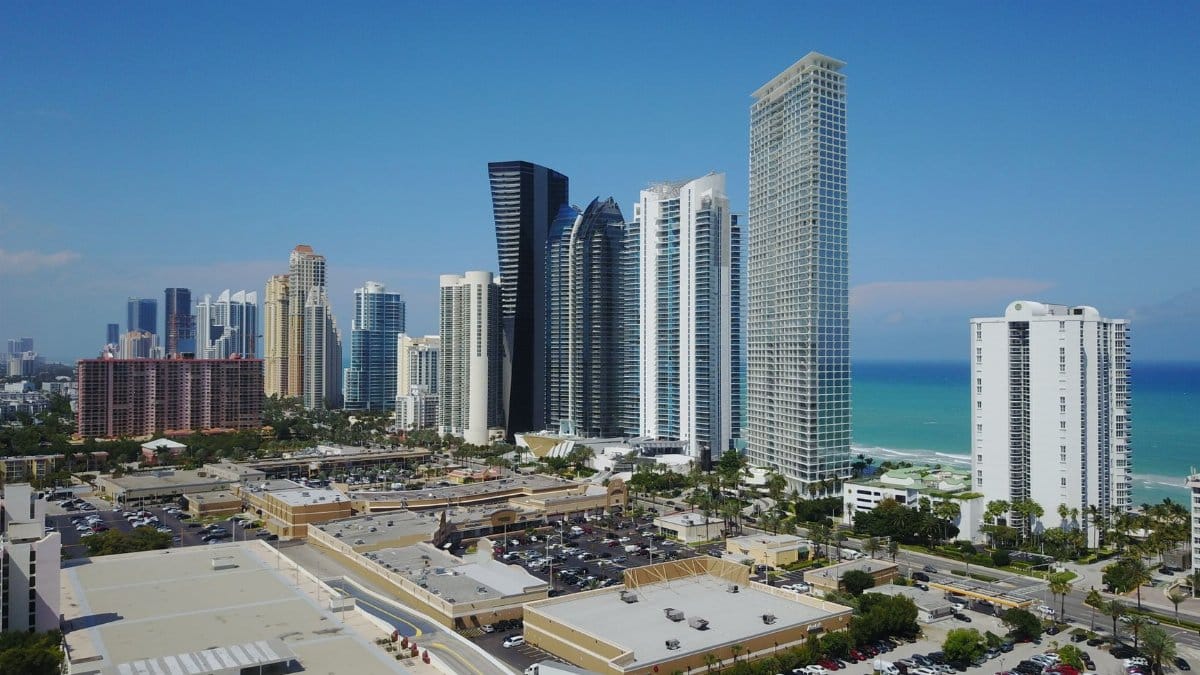
On a bright weekday morning along the Atlantic, the cranes that residents had begun to imagine never appeared. A developer withdrew three proposed towers tied to Miami Beach Live Local rules after neighbors, preservation advocates, and city officials objected to the height and density those plans would have brought to already crowded blocks. The retreat did not repeal a state statute, and it did not settle the argument over who gets to shape the barrier island. It did show that paperwork and political will can still slow a building boom that many Floridians experience as something done to them rather than with them.
A withdrawal that landed louder than a groundbreaking

Withdrawals rarely make the same noise as ribbon cuttings. This one did, because the projects had become symbols. Residents who pack city meetings saw three files leave the table at once, a cluster rather than a single disputed lot. Officials who had warned that state housing law was outrunning local plans treated the moment as evidence that pushback still matters. Developers watching from other parcels read a different lesson: entitlement risk in Miami Beach is not theoretical.
The Miami Herald reported the decision as a response to community and official opposition over density and height. That framing matters. The fight was not only about architecture. It was about whether a state incentive meant to produce housing could be used to leap over rules that a tourist city spent decades writing for light, traffic, and the look of its skyline.
What the Live Local framework actually invites

Florida’s Live Local Act, passed in 2023 and later revised, tells cities they must allow certain multifamily projects in commercial and industrial zones when a share of units is set aside at defined affordability levels. In exchange, developers can seek heights and densities that local zoning might otherwise forbid, often tied to the tallest building allowed nearby. Supporters call it a necessary override in a state where housing costs have raced ahead of wages. Critics call it a blunt instrument that confuses market rate towers with a serious affordability strategy.
Miami Beach sits at the sharp end of that debate. Land is scarce, tourism is the economic engine, and many lots already carry strict limits born of flooding risk, historic districts, and a political culture that treats tall buildings as a public question, not a private one. When a statute written in Tallahassee meets a grid drawn for visitors and year round residents, the collision is visible from the sand.
Three projects, one political weather system

The three proposals did not need to be identical to travel together in the public mind. Each promised height that neighbors said the surrounding streets could not absorb. Each leaned on the state pathway rather than a conventional rezoning that would have required a fuller local bargain. Grouped, they looked less like scattered infill and more like a test of how far the new law could be pushed on an island that already feels full in season.
Withdrawal is a legal choice, not a confession. A developer can pull an application to regroup, to wait for a friendlier commission, or to avoid a hearing that would create a damaging record. Residents nonetheless heard a verdict. Organizing, letters, and official skepticism had raised the cost of proceeding. In local politics, that perception can be as consequential as a formal denial.
Neighbors who treated height as a civic injury

Opposition in Miami Beach is rarely abstract. People talk about shadow on a pool deck, a garage entrance on a narrow street, weekend gridlock that turns a ten minute errand into an ordeal, and the fear that workforce housing language will fade once the concrete is poured. They also talk about character, a word planners distrust and residents refuse to surrender. On an island marketed as leisure, the everyday city is still a place where people raise children, age in place, and watch insurance bills climb with the sea.
Those voices are not monolithic. Some residents want more apartments so teachers, hotel workers, and nurses can live closer to their jobs. Others believe any additional tower, however it is branded, accelerates a luxury market that already prices out the middle. The withdrawn projects became a stage for that split. What united many opponents was process: a sense that state preemption had shortened the conversation before it began.
Officials caught between statute and shoreline

City leaders do not get to ignore state law because a room is angry. They do get to scrutinize site plans, stormwater, traffic studies, and whether a proposal actually meets the affordability tests the statute requires. In this case, official resistance joined neighborhood pressure. That combination is what developers calculate when they decide whether a file is worth the legal fees.
Home rule in Florida has been thinning for years on taxes, rent rules, and land use. Miami Beach officials have argued that a barrier island with evacuation constraints and historic fabric is a poor laboratory for one size rules. The withdrawal gives them a pause, not a victory lap. Another applicant can return with a cleaner plan, a different parcel, or a revised reading of the same statute.
Affordability claims under a hard light

The moral claim behind the law is straightforward. Florida needs more homes, and cities have used zoning to keep them out. Set aside a portion of units at restricted rents, the theory goes, and the public should tolerate extra height. The practice is harder. Restricted units can be few relative to the bulk of a tower. Income bands can still sit above what service workers earn. Monitoring over decades depends on administration that cities say they were not built to staff.
Skeptics in Miami Beach asked a blunt question. If the public is asked to accept a skyline change, what exact number of genuinely attainable homes arrives in return, and for how long? When that arithmetic feels thin, the politics curdle. A project can be lawful and still look, to the people who will live in its shadow, like a market tower wearing a housing costume.
Density, water, and the island’s physical limits

Height debates often hide infrastructure debates. More units mean more cars unless transit and walking actually absorb the trips. They mean more demand on drainage in a city that already spends heavily to live with king tides. They mean more pressure on beaches, parks, and emergency routes that must function when storms push people west.
None of that proves that every tall building is reckless. Miami Beach has high rises already, and some of its most valued streets mix intensity with design discipline. The objection to these three files was cumulative. Residents did not evaluate a single elegant tower in isolation. They evaluated a pathway that could repeat, parcel after parcel, wherever a commercial zoning label and a nearby height precedent could be stitched together.
Developers reading the room, and the statute

Capital is patient until it is not. Carrying costs, lender nerves, and the chance of litigation all rise when a city signals hostility and neighbors hire lawyers. Pulling three applications at once can be a tactical reset. It can also be a message to investors that Miami Beach Live Local plays will face a longer road than slides in a pitch deck suggested.
Other builders will not all draw the same conclusion. Some will design shorter, negotiate harder, and treat affordability as a real product rather than a threshold to clear. Some will look to mainland cities where political resistance is softer and sites are larger. The statute remains an invitation. Local reception decides whether the invitation is accepted.
A pause that other coastal cities will study

Barrier islands and older downtowns across Florida are watching. If organized opposition plus official scrutiny can induce a withdrawal, cities that felt powerless under preemption may invest more in technical review and public explanation. If the next applicant wins easily in court or at a revised hearing, the lesson flips. Local resistance will look theatrical, and the statute will look even stronger than its sponsors claimed.
Journalists should resist turning one week’s filing decision into destiny. Land use is slow, and withdrawn plans have a habit of returning with new architects and softer renderings. Still, the episode is a useful measure of democratic friction. A state can preempt a zoning map. It cannot preempt the experience of living beside the result.
What residents can reasonably ask next
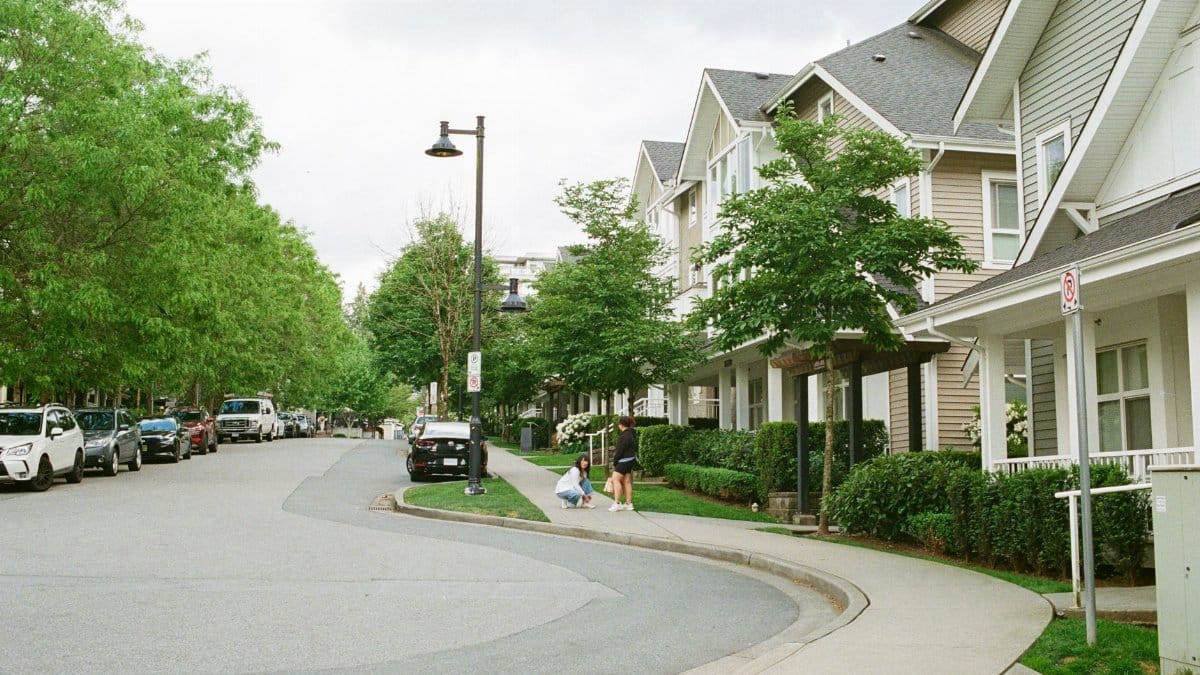
The useful demand is specificity. How many income restricted homes, at what rents, for which households, enforced by whom? What traffic is assumed, and what happens if those assumptions fail? How does the building meet flood standards without pushing water onto someone else’s stoop? Those questions are not obstruction for its own sake. They are the minimum a serious city asks before it accepts a skyline it will inhabit for fifty years.
Supporters of more housing should ask their own hard questions of the opposition. Which sites would be acceptable? What scale of building would they defend if the affordability were deeper and longer? A pure no, repeated everywhere, will not house the workers who keep a resort city running. A pure yes, granted by statute, will not produce trust.
The skyline as a record of unresolved argument

Miami Beach has always sold an image of ease. Its politics are anything but easy. The withdrawal of three high rise proposals under a state housing law leaves the shoreline visually unchanged and the argument structurally intact. Miami Beach Live Local remains a phrase that means opportunity to one camp and overreach to another. Until the state and the city agree on what counts as a fair trade of height for homes, files will open, crowds will gather, and some developers will decide that the quieter choice is to step back.
That step back is not the end of construction, and it is not a solution to Florida’s housing shortage. It is a reminder that laws land in particular streets, among particular neighbors, under a particular sun. The next proposal will be judged there, not in the abstract language of a legislative summary.