
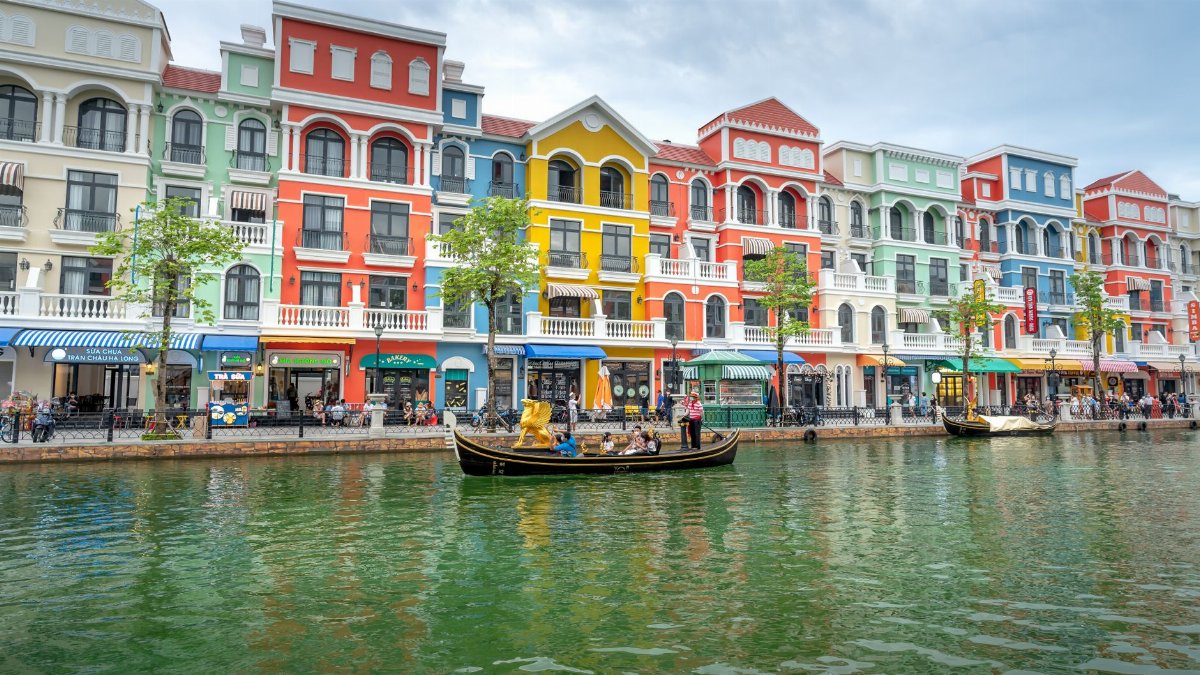
On a windy rise north of Dallas, the grass still bends the way prairie grass always has, and the nearest canal is a drainage ditch after a hard rain. Into that ordinary landscape a developer has placed an extraordinary name. The Marco Prosper Venice is Jeff Blackard’s proposal for a 143 acre district beside the Dallas North Tollway and U.S. 380, a place he wants shaped by water, hotels, and offices rather than by another familiar grid of pads and parking lots.
A name that asks a town to picture water
Names do a kind of work that site plans cannot. Venice summons stone bridges, slow boats, and evenings when a city seems to float. Prosper summons the opposite: a Collin County town that grew up on ranch land, school bonds, and the steady arrival of families who wanted yards and shorter commutes than the older suburbs offered. Putting those words together is a marketing choice and a civic dare. It tells residents that the edge of their map might become a destination, not merely a place people pass on the way to something else.
Blackard has spent years arguing that North Texas can borrow the walkable feel of older European towns without pretending to be Europe. The pitch in Prosper extends that argument into open water. A 15 acre lagoon would sit at the center of the idea, with canals threading commercial blocks, hotel rooms, and office space. The point, as such projects are usually described, is not a theme park replica. It is a district where water is the organizing fact, the thing that slows traffic, frames restaurants, and gives hotel guests a reason to stay the night instead of driving back to Dallas or Frisco.
What the drawings actually contain

The public outline is large and still incomplete in the way early visions always are. One hundred forty three acres is enough land for a small downtown, not a single building. Hotels would give the site overnight visitors. Offices would give it weekday workers. Canals and the lagoon would give it a picture that no strip center can match. Retail, presumably, would fill the edges, because a waterfront without somewhere to eat is only a view.
What is not yet public in any settled form is the harder arithmetic. How many rooms. How many square feet of office space. How the canals would be lined, filled, and kept clear. How emergency access would work if a street becomes a waterway. Those blanks matter more than the romance. A town can fall in love with a rendering and still be right to withhold a vote until the rendering becomes a set of engineered answers.
The man behind the pitch

Jeff Blackard is not a newcomer to the idea that North Texas suburbs can be built to feel older than they are. His earlier districts, including the Italianate village known as Adriatica in McKinney, trained a regional audience to accept plazas, narrow walks, and borrowed architecture as serious real estate rather than costume. Supporters see a developer with a recognizable hand. Skeptics see a formula that photographs well and still has to survive Texas heat, Texas insurance, and Texas traffic.
Either reading can be fair. A track record is not a guarantee, and novelty is not a sin. What Prosper is being asked to judge is whether this particular hand, on this particular corner, fits the town that exists now. The Marco Prosper Venice will be debated less as art than as land use, which is how these arguments always end once the renderings leave the conference room.
Why this corner of Prosper

The Tollway and U.S. 380 are not poetic, but they are the reason the site makes commercial sense. One road feeds the job centers to the south. The other is the east west spine of the northern suburbs, a corridor that state and local planners have spent years trying to widen, reroute, and argue over. A hotel and office district wants visibility, freeway access, and a population that keeps growing. Prosper has all three, along with the rising land prices that make a plain subdivision less interesting to a developer who believes spectacle can command higher rents.
Location also creates the objection. A landmark at a major crossing is a landmark in everyone’s windshield. Residents who moved for quiet will notice lights, event crowds, and the slow crawl that follows any successful destination. The same interchange that makes the project financeable makes its impacts impossible to hide.
Water in a region that counts every gallon
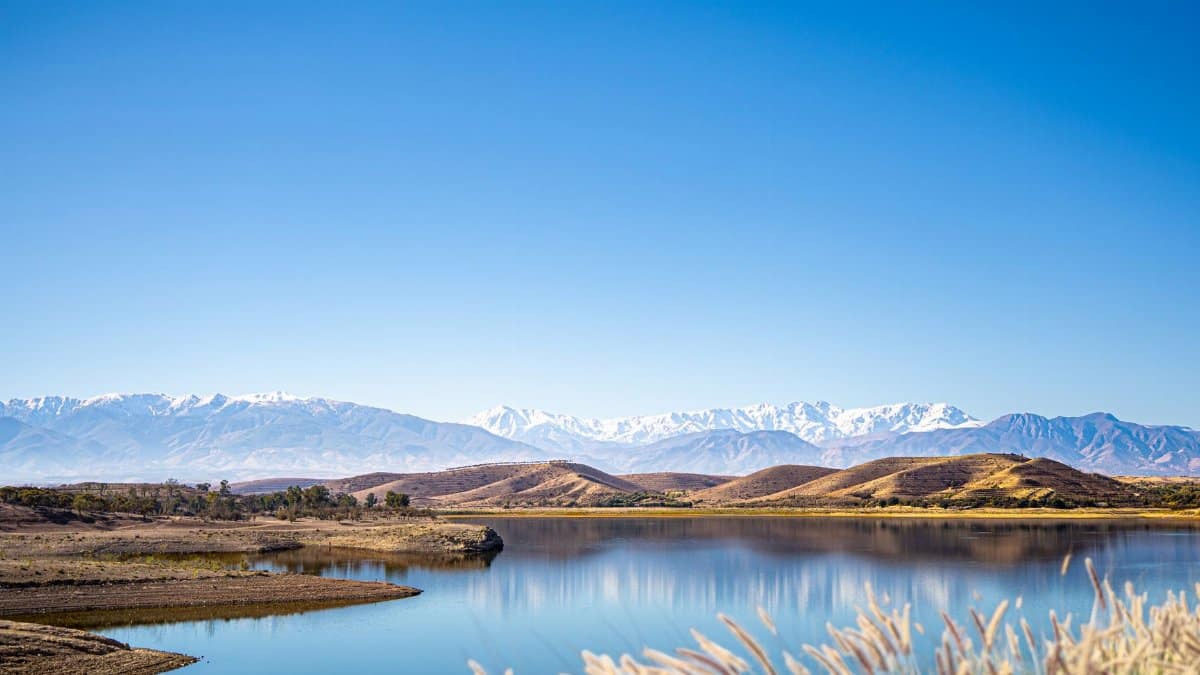
A lagoon is a beautiful sentence in a brochure and a complicated paragraph in a water plan. North Texas is not a desert, but it is a place where summer can punish a shallow lake, where drought restrictions arrive with grim regularity, and where cities already negotiate with reservoirs, pipelines, and neighboring utilities. Fifteen acres of open water will prompt an obvious question from anyone who has watched a neighborhood pond drop in August: where does the water come from, and who keeps it there.
Engineers can answer that with wells, municipal supply, recycled water, liners, and circulation systems that keep a lagoon from turning green. Each answer has a cost, a permit path, and a public meaning. A town that tells homeowners to ease off their sprinklers will have to explain why a commercial lagoon deserves a different standard, or show that the standard is in fact the same. Beauty does not exempt a project from the hydrology of the place it wants to join.
Canals are infrastructure, not scenery
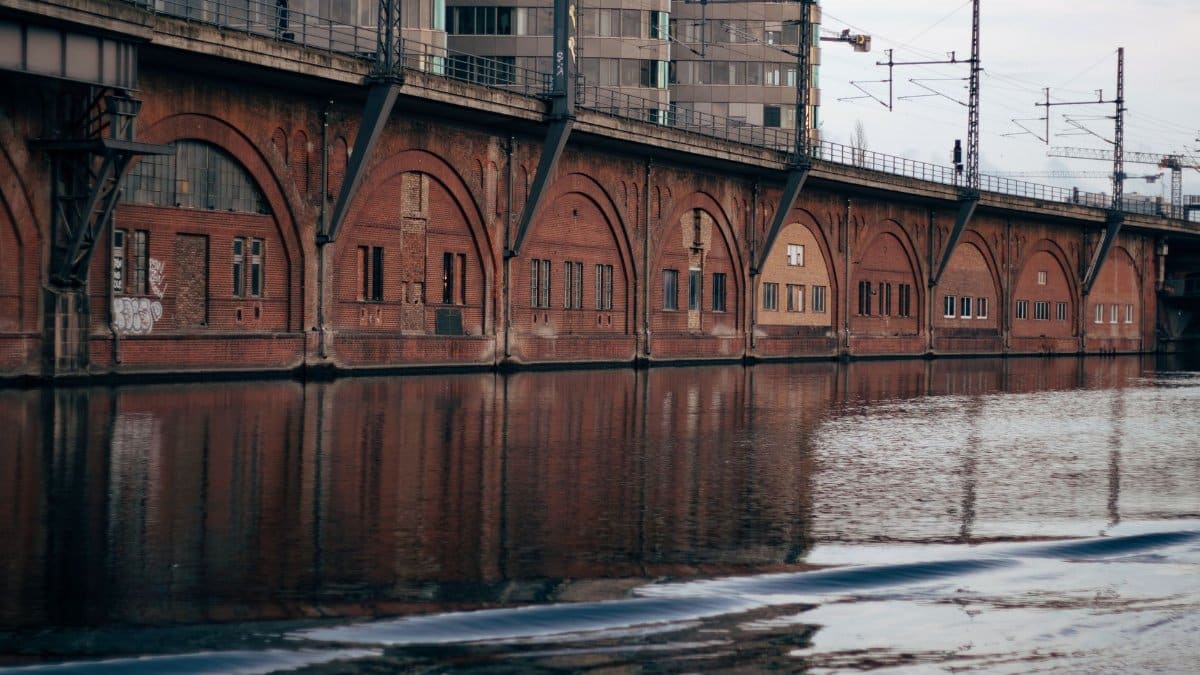
It is easy to treat canals as decoration. They are not. They are edges that change how fire trucks turn, how deliveries arrive, how stormwater moves, and how a person in a wheelchair crosses from a hotel to a restaurant. They require bridges, bulkheads, pumps, and a maintenance budget that does not end when the ribbon is cut. In a freeze, which North Texas still gets, water and walking surfaces become a safety problem. In a flood, they become part of the drainage system whether or not the designer intended that.
Prosper’s reviewers will be right to ask who owns the waterways after the developer sells the buildings, and what happens if that owner decides the romance is too expensive to keep blue. A canal that fails is not a quaint inconvenience. It is a liability sitting in the middle of a commercial district.
The regional race to be a place
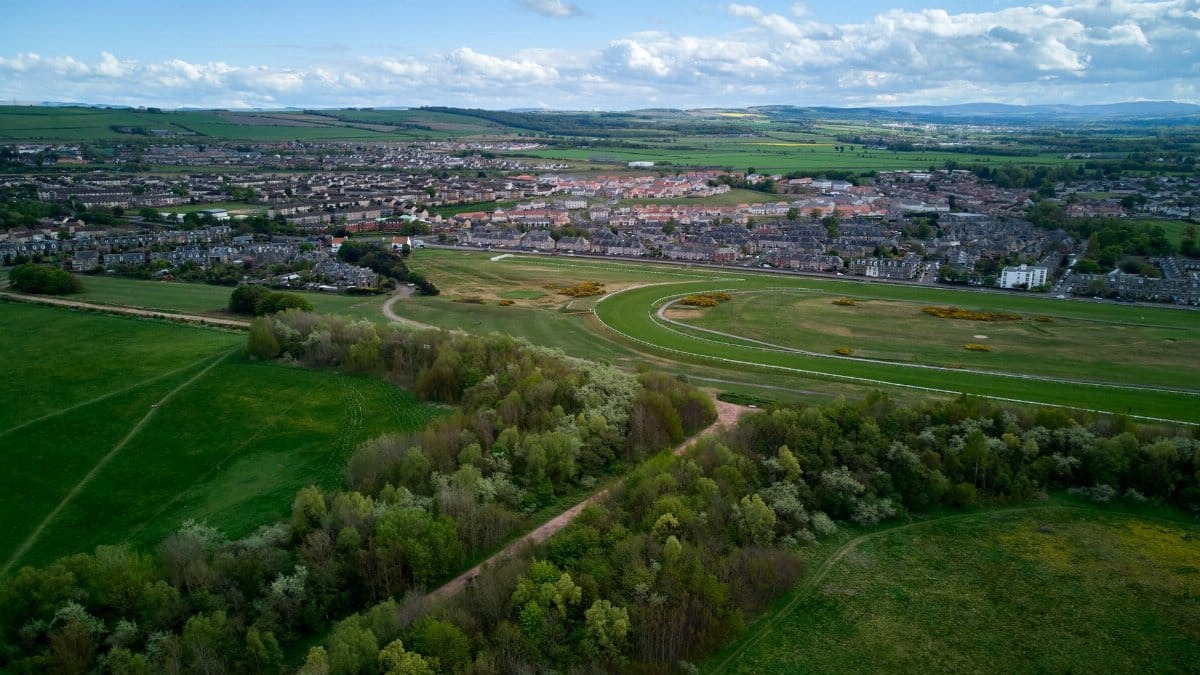
Every growing suburb eventually wants more than rooftops. Frisco built a sports and office identity. Plano spent decades turning legacy parks and corporate campuses into a second downtown. McKinney leaned on its old square. Prosper, younger in its boom, is still deciding which of those paths it wants, or whether it wants a path of its own. A water district at the tollway would be a vote for destination over pure bedroom community.
That vote has economic logic. Hotel taxes, office leases, and restaurant sales can broaden a tax base that leans heavily on houses. They can also bring service jobs, night noise, and a skyline that some residents will call progress and others will call a loss. The Marco Prosper Venice sits inside that older American argument about what a town is for. Is it a refuge from the city, or a city in the making.
Traffic is the unglamorous test
Renderings rarely include the queue at the turn lane. U.S. 380 already carries more ambition than asphalt on many afternoons, and the Tollway’s ramps are only as calm as the roads they feed. Adding hotels and offices means adding shifts of workers, guest arrivals, and weekend visitors who are not going home to a garage on the same block. If the district succeeds, it will succeed by attracting people who do not live there. That is the business model, and it is also the congestion model.
A serious review would look at driveway spacing, signal timing, and whether internal streets can absorb drop offs without spilling onto the highway. It would also ask what happens on a Friday when a convention, a holiday weekend, and a high school football night occupy the same map. Projects fail in public not only when they look wrong, but when they make an ordinary errand take twenty extra minutes.
What neighbors are entitled to ask
Opposition to a flashy project is often caricatured as fear of change. Sometimes it is. Often it is a list of practical questions that have not been answered in public. How tall are the hotels relative to nearby houses. What are the hours of outdoor music. Where does event parking go when the garage is full. Will canals attract private boats, rentals, or neither. Who pays if a liner fails in year twelve.
Those questions are not hostility to investment. They are the price of building something unusual next to people who already live with the ordinary version of the town. A developer who treats them as public relations problems rather than design problems will lose time, and may lose the vote. A town that treats every question as a veto will struggle to shape growth instead of merely receiving it.
Money, risk, and the long middle of a project

Grand districts are rarely built in the order of the brochure. Offices lease when companies are expanding. Hotels pencil when travel is strong and financing is patient. Canals have to be built early if they are meant to sell the later phases, which means spending on spectacle before the rents arrive. That sequence is where ambitious projects get stuck: a lagoon without enough surrounding life, or buildings without the water that justified their rents.
Prosper’s leverage is greatest before the first permit. Incentives, if any are sought, should be traded for public benefits that can be measured, such as trail connections, workforce targets, or infrastructure the town would otherwise build alone. Open ended faith is a weak bargaining position. So is a reflexive no that sends the next employer to a city that already said yes to something plainer.
A standard for saying yes

The useful standard is not whether the idea is charming. It is whether the town can live with the project on a hot Tuesday in its tenth year, when the rendering is gone and the pumps, the traffic, and the tax bills remain. That standard asks for water accounting that survives a drought, a maintenance covenant that survives a sale, and a street design that survives success. It also asks for honesty about scale. One hundred forty three acres will change the feel of a gateway. Pretending otherwise insults the people who will drive past it every day.
If those conditions can be met, the proposal is a legitimate bid to give Prosper a center of gravity it does not yet have. If they cannot, the name should stay on a prospectus. North Texas has room for ambition. It does not have room for water features that work only in a drawing.
What the decision will say

Towns reveal themselves in the projects they approve and the ones they send back. Approving a canal district would say Prosper wants to be seen from the highway, not only from its cul de sacs. Rejecting it, or shrinking it, would say the town prefers growth that looks like the growth it already knows. Neither answer is automatically wise. Both are available, which is the advantage of being asked before the concrete is poured.
For now the prairie is still prairie, and the proposal is still a proposal. The Marco Prosper Venice will become either a place people can walk or a story people tell about a drawing that did not hold. The difference will be made in hearings, engineering, and the unromantic work of matching a beautiful name to a working town.