
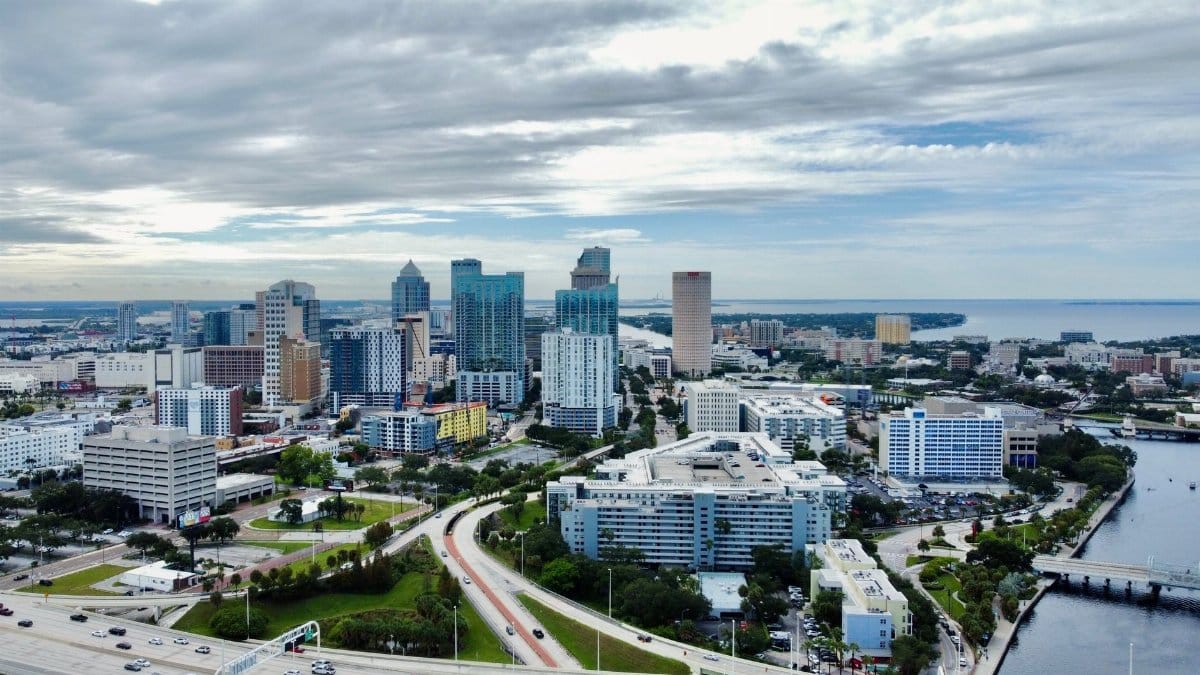
In the gentle lapping of waves along Florida shores, where tides shape the daily rhythm of life for countless species, state budget choices often ripple outward in unexpected ways. A decision by Governor Ron DeSantis to reject a specific allocation has drawn attention from those who track coastal changes. The Tampa Bay Coastal Habitat Veto DeSantis $750000 highlights tensions between fiscal restraint and environmental needs in a region known for its vibrant waterways.
The Coastal Ecosystem at Stake
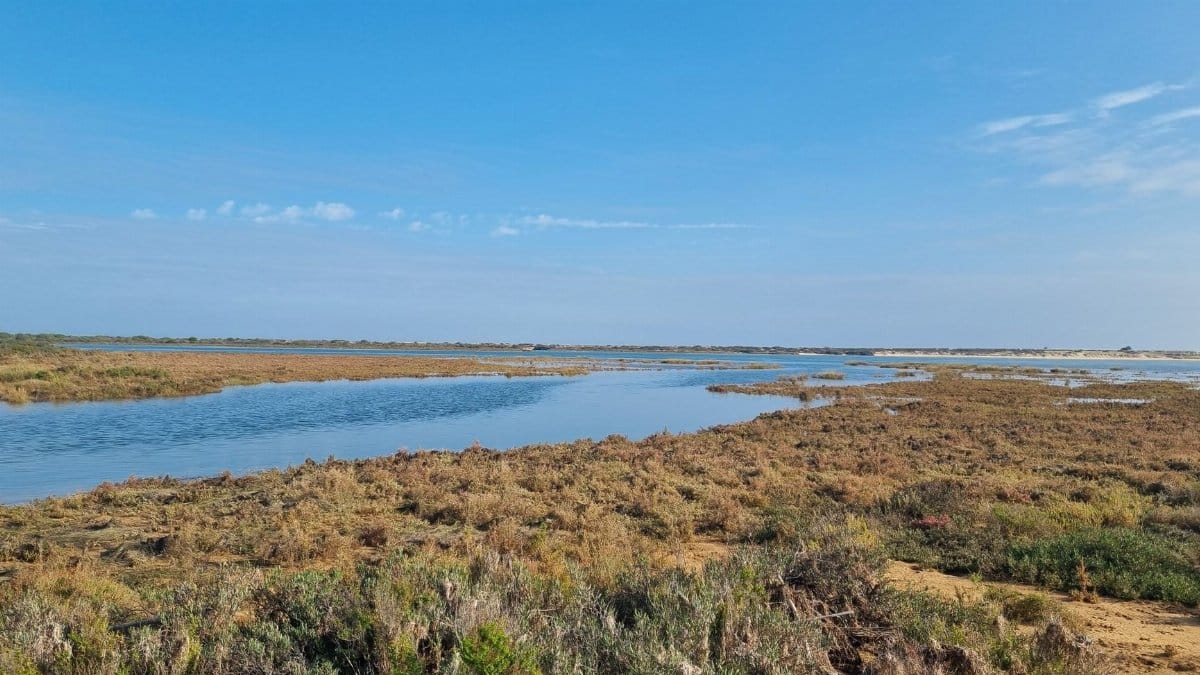
Tampa Bay supports a web of mangroves, oyster bars and seagrass beds that serve as nurseries for fish and buffers against storms. These areas face pressure from urban growth and shifting weather patterns. Funding for living shorelines would have helped stabilize banks and encourage native plant growth. Without it, projects planned for Pinellas County sites now sit on hold, leaving gaps in ongoing work to maintain water quality.
History of Restoration Efforts in the Region
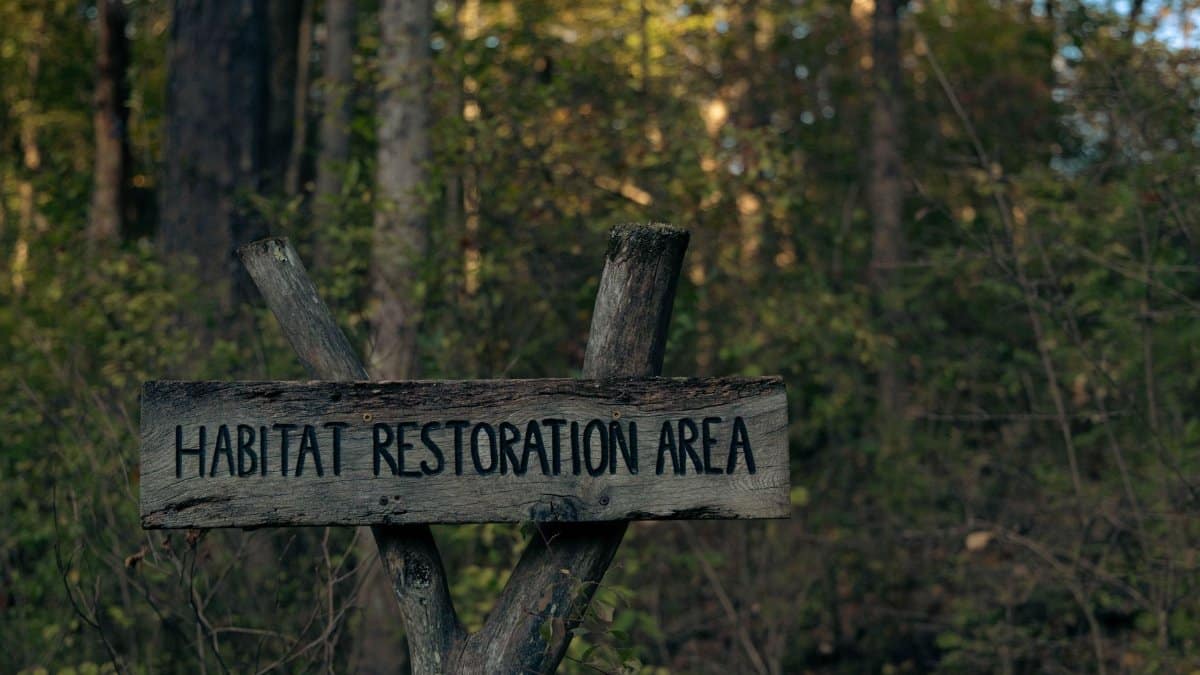
Over the past decade groups have planted thousands of seedlings and built structures to reduce erosion. Earlier state support helped expand protected zones near the Pinellas Wildlife Refuge. Progress came through partnerships that combined public money with volunteer hours. Such steps improved habitats for shorebirds and reduced sediment flow into open water.
Governor’s Budgetary Choices Examined

The veto formed part of wider cuts totaling around eight hundred million dollars. Officials cited the need to balance accounts and avoid new taxes. The specific amount of seven hundred fifty thousand dollars represented a modest slice yet carried weight for small scale initiatives. State records show the line item aimed at design and permitting phases rather than large construction.
Local Community Reactions and Concerns

Residents and business owners who rely on clean bay waters expressed disappointment. Fishing guides noted that healthier shorelines often mean steadier catches over time. Environmental organizations pointed to lost opportunities for matching federal grants that could have multiplied the impact. Public meetings drew crowds eager to discuss alternatives.
Potential Environmental Consequences
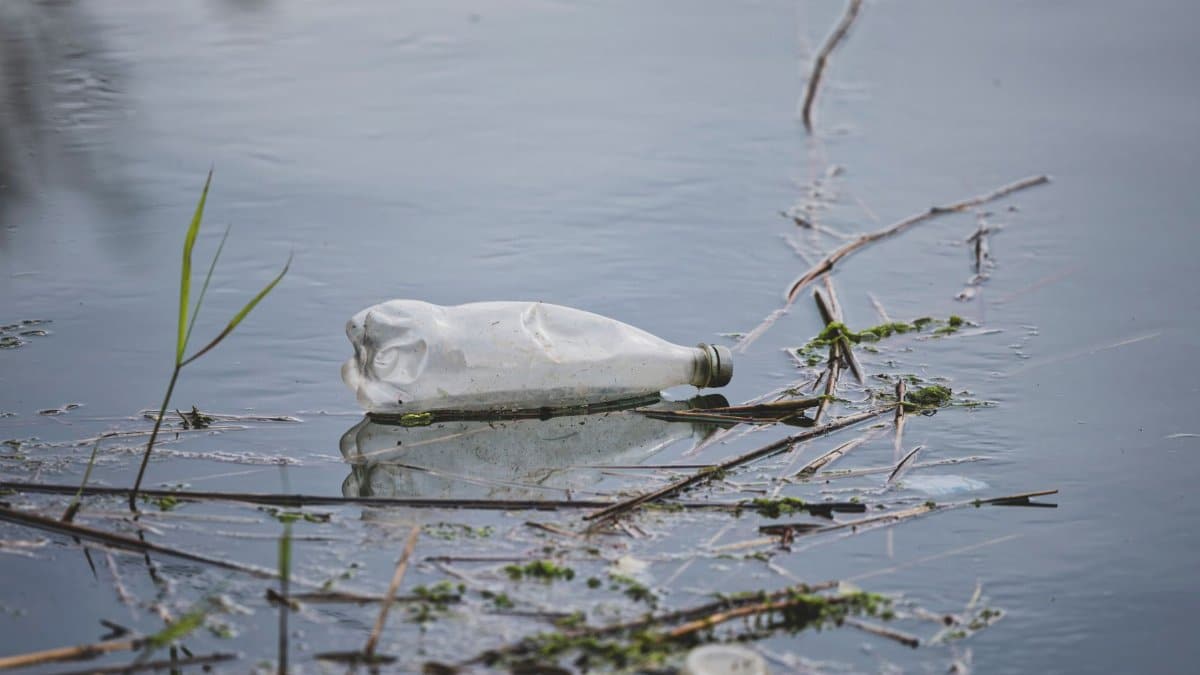
Without the planned work, erosion may accelerate in spots already showing wear. This could lead to further loss of shallow areas that filter pollutants. Scientists track similar patterns elsewhere along the Gulf, where delayed action raised cleanup costs later. The Tampa Bay Coastal Habitat Veto DeSantis $750000 thus serves as a case study in how timing affects long term outcomes.
Comparisons with Previous Funding Decisions

In prior years similar requests received approval and led to visible gains in habitat coverage. Those efforts often paired with monitoring programs that measured success through water tests and species counts. The current approach signals a shift toward stricter review of every dollar. Observers note that other coastal states continue to invest steadily in parallel projects.
Role of Advocacy Groups in the Process

Organizations such as Tampa Bay Watch had prepared detailed proposals showing expected benefits. Their data included maps of priority zones and estimates of acres that could be improved. After the veto they turned to private donors and possible local bonds. These groups continue to press for renewed consideration in future cycles.
Looking Ahead for Bay Protection Measures
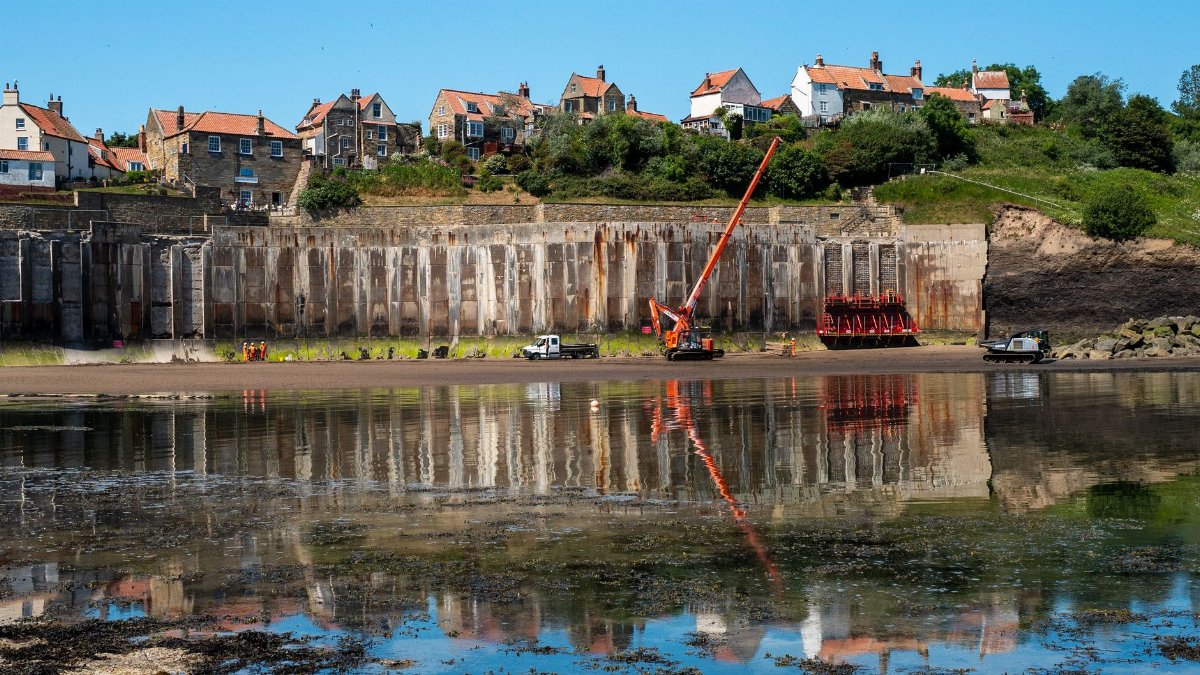
Future budgets may revisit the issue as conditions evolve. Lawmakers could explore smaller pilot efforts or seek outside partnerships. The Tampa Bay Coastal Habitat Veto DeSantis $750000 has already prompted conversations about balancing growth with preservation across the state. Residents remain engaged, watching how policy unfolds in coming sessions.
Economic Ties to a Healthy Shoreline
Tourism and real estate values often connect to clear waters and accessible nature spots. A stable coastline supports jobs in recreation and seafood industries. Studies from regional universities link habitat quality to visitor spending patterns. Losing ground here might affect those sectors gradually rather than all at once.
Broader Context of State Environmental Policy
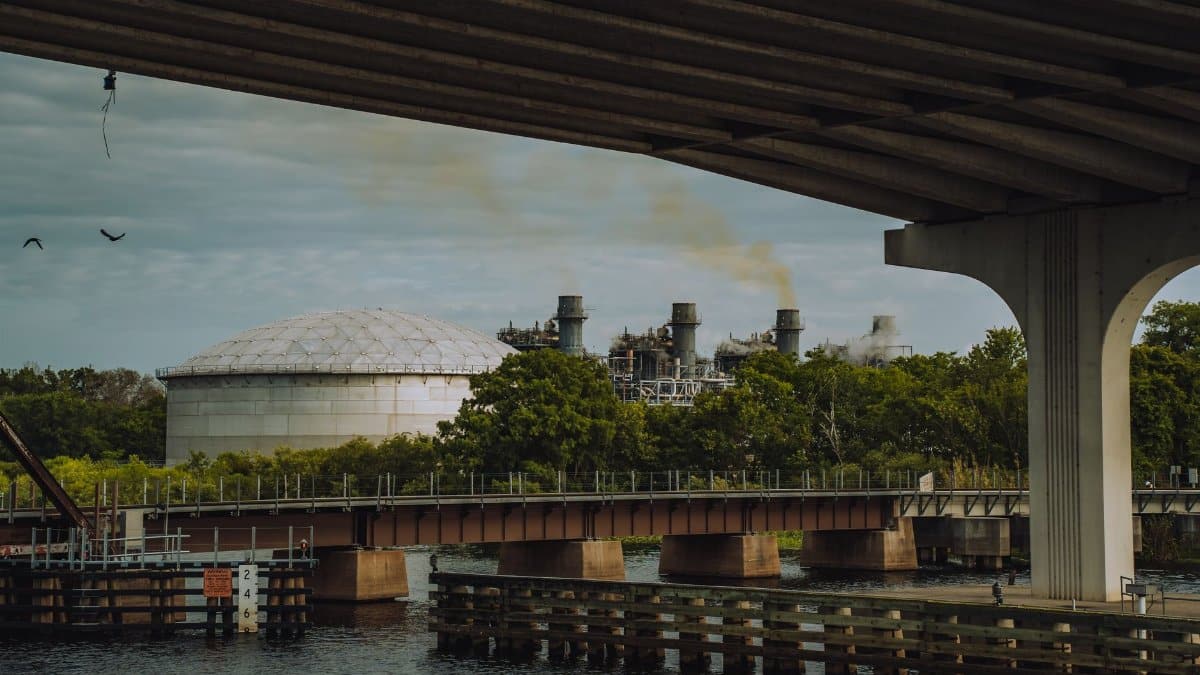
Florida manages many competing demands on its resources, from inland development to hurricane preparedness. The veto reflects one choice among many in a large ledger. Advocates argue that modest investments now can prevent larger expenses from storm damage or water treatment. The Tampa Bay Coastal Habitat Veto DeSantis $750000 fits into ongoing debates about priorities.
Scientific Perspectives on Habitat Value
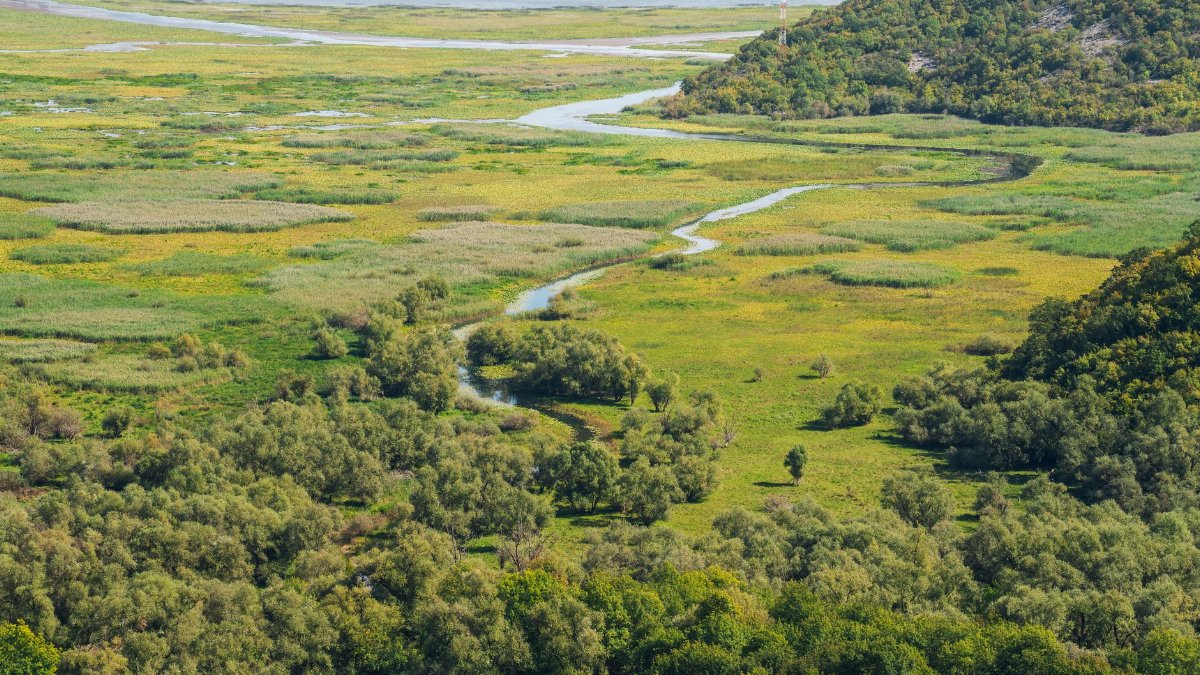
Researchers emphasize that coastal zones act as natural filters and carbon stores. Data from the original source at tampabay.com details how similar projects elsewhere yielded measurable improvements in clarity and fish populations. Continued observation will show whether current gaps lead to measurable setbacks. The Tampa Bay Coastal Habitat Veto DeSantis $750000 offers a reference point for such analysis.
Public Awareness and Future Engagement

Community forums and online updates keep the topic visible. Citizens can review budget documents and contact representatives about upcoming allocations. Awareness helps shape what gets funded next. The Tampa Bay Coastal Habitat Veto DeSantis $750000 underscores how individual line items matter in the larger picture of regional care.