

Governor Ron DeSantis recently turned to a trusted cabinet member to take charge of Florida emergency management after parting ways with the previous director. The decision places Transportation Secretary Jared Perdue in a role that demands steady coordination during storms and other crises that frequently affect the peninsula. Observers note that this shift arrives at a moment when residents continue to recover from past weather events and prepare for whatever lies ahead in an era of changing climate patterns. Perdue brings experience from his current post overseeing roads and infrastructure which could prove useful when quick access to affected areas becomes essential.
Background on the Leadership Change
The governor described Perdue as someone who will bring fresh eyes to the position. This phrasing suggests an intent to review existing procedures and perhaps introduce adjustments that reflect lessons learned from recent seasons. State officials have not detailed specific plans yet yet the emphasis on new perspective indicates a willingness to adapt established routines.
Role of Infrastructure Knowledge in Crisis Response
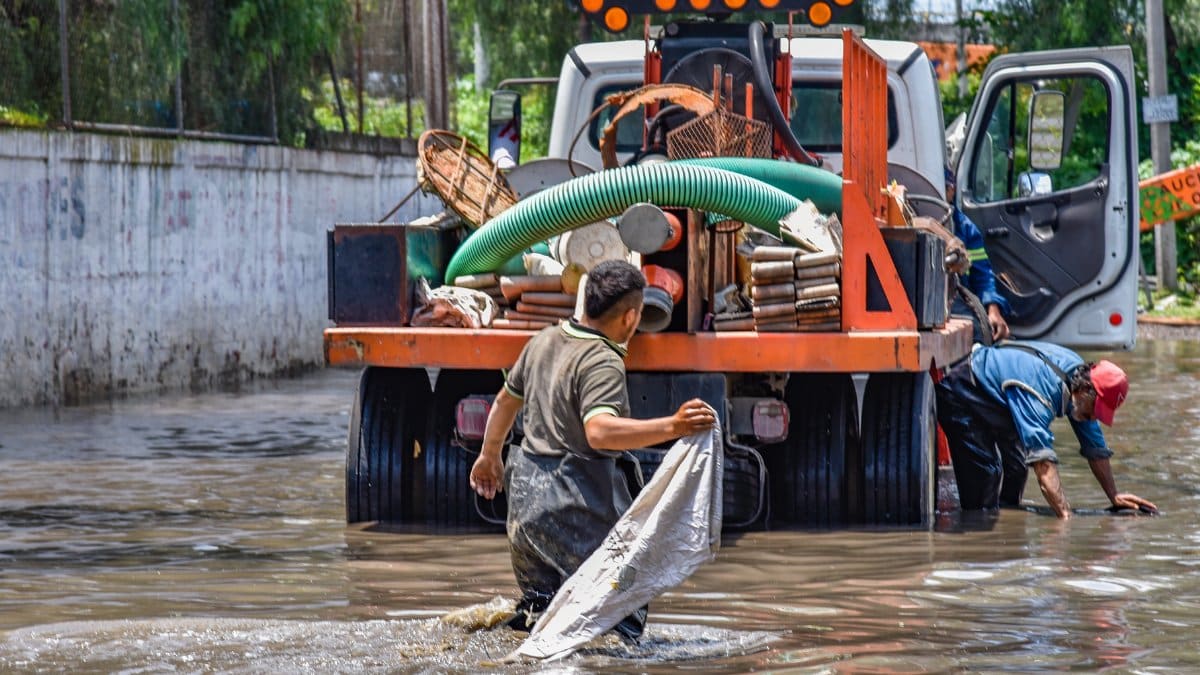
Perdue currently manages transportation policy across Florida. That portfolio includes oversight of highways bridges and public transit systems all of which play direct parts in moving supplies and personnel when disasters strike. His familiarity with these networks may allow faster decisions about route clearance and temporary detours during recovery phases.
Public Reaction Across Different Regions

Residents in coastal counties have voiced mixed feelings about the transition. Some express hope that renewed attention will lead to better communication channels while others remain cautious until concrete improvements appear. Community forums have begun discussing how local input might shape future strategies under the new appointee.
Coordination With Federal Agencies
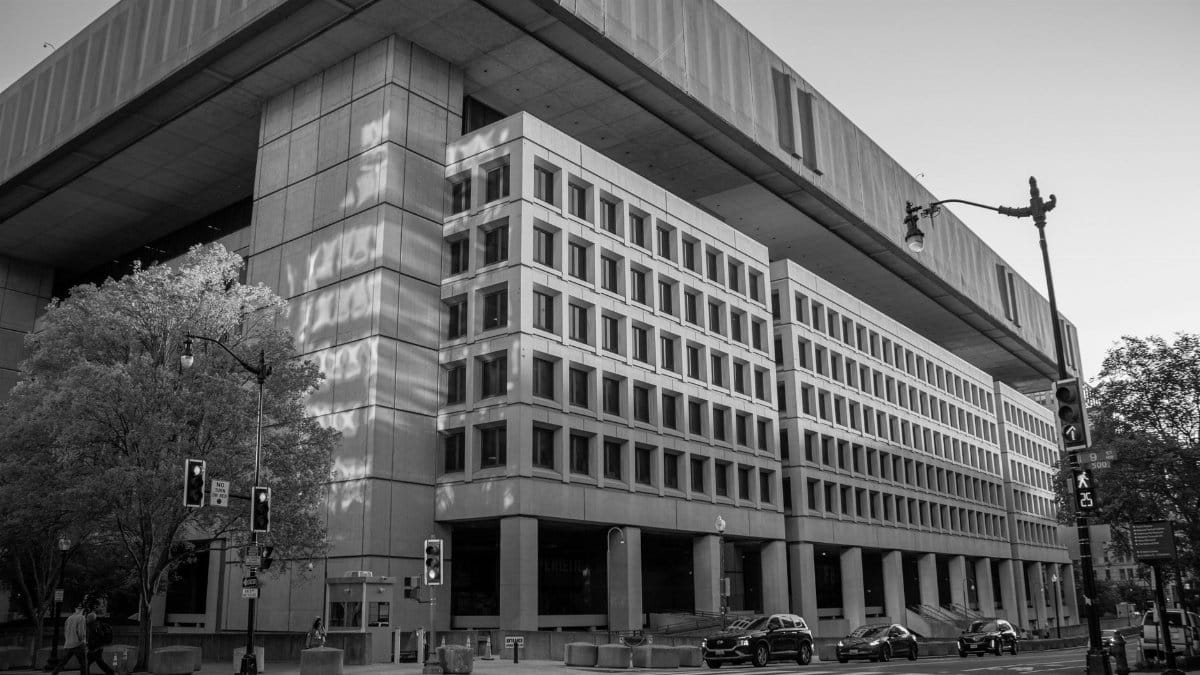
Florida emergency management often requires close work with national bodies such as the Federal Emergency Management Agency. Perdue will need to maintain those relationships while also navigating state level priorities. Effective partnerships can speed up funding approvals and resource deliveries that prove critical in the days following major events.
Potential Adjustments to Training Programs

One area likely to receive scrutiny involves preparation exercises for state and local teams. Perdue could examine whether current drills adequately cover scenarios involving widespread power outages or supply chain interruptions. Updates in this domain might involve greater emphasis on interagency communication and real time data sharing.
Impact on Local Government Partnerships
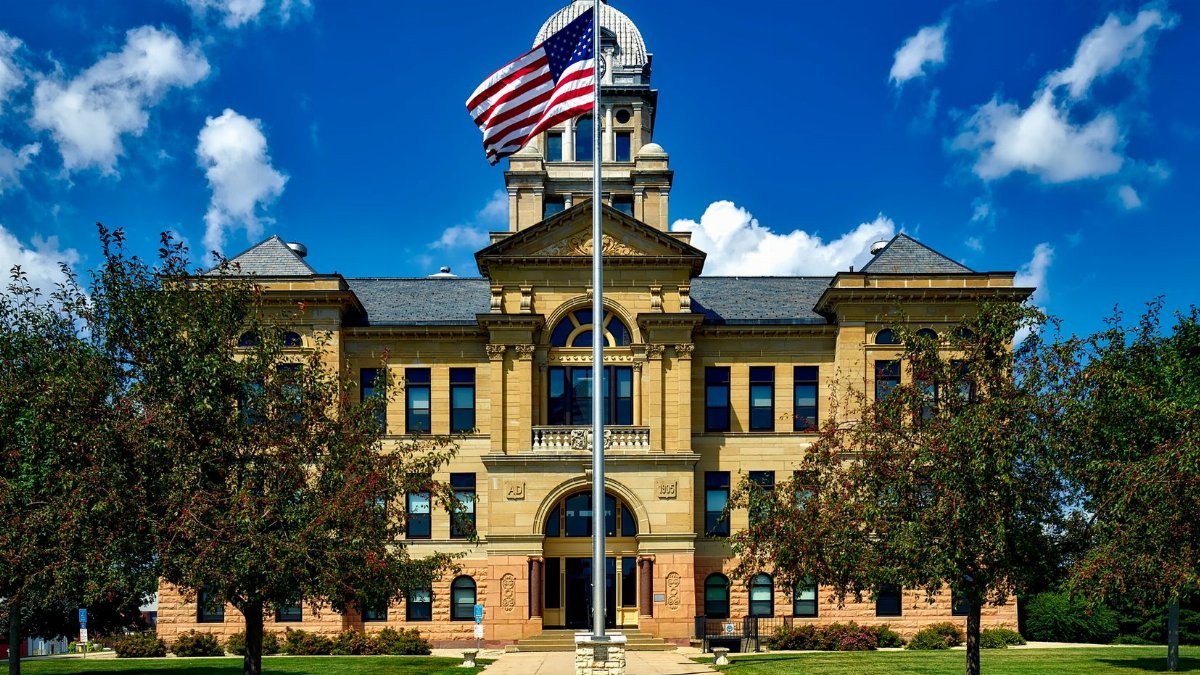
County emergency offices depend on clear guidance from the state capital. A change at the top offers an opportunity to strengthen those ties through regular meetings and shared planning sessions. Success here could translate into more uniform responses when multiple jurisdictions face simultaneous challenges.
Looking Ahead to Future Seasons

With hurricane season approaching each year officials across the state will watch how the new leadership settles into the role. Perdue has stated a commitment to thorough reviews of past operations which may yield recommendations for equipment upgrades or revised evacuation protocols. The coming months will reveal whether these efforts produce measurable gains in readiness.