

In the heart of Michigan a political shift unfolded that caught many observers off guard and set the stage for fresh alliances within the Democratic Party. The Abdul El Sayed primary win opened doors for progressives seeking a stronger voice in the upcoming Senate contest while prompting established figures to reconsider their strategies for the fall campaign. Observers note that voter turnout in key urban areas played a decisive role in tipping the scales toward this outcome. Party officials have since emphasized the need for cohesion to challenge Republican incumbents effectively. This development reflects broader trends in state politics where economic concerns and healthcare access have risen to the forefront of voter priorities. Community organizers report increased engagement from younger demographics who see this result as validation for their advocacy efforts.
Early Reactions from Party Leadership
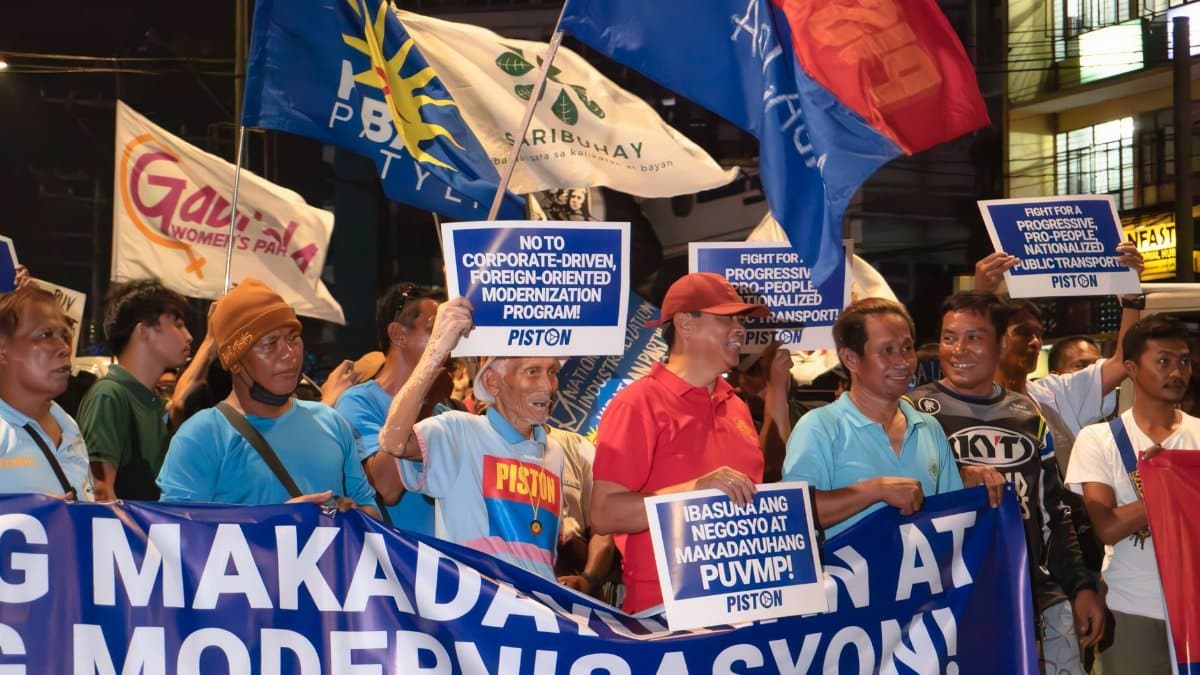
State and national Democratic figures issued statements praising the primary result as a sign of renewed energy. They highlighted how the campaign focused on practical issues like job growth and infrastructure improvements that resonate across diverse regions. Meetings followed quickly to map out joint appearances and shared messaging ahead of November.
Voter Demographics Behind the Result
Analysis of precinct data shows strong support from working families in manufacturing hubs alongside gains in suburban pockets traditionally aligned with moderates. Participation rates among first time voters exceeded expectations in several counties. This pattern suggests shifting priorities that favor candidates addressing long term economic security.
Campaign Themes That Connected
The winning platform centered on expanding access to affordable care and protecting public education funding. These points drew consistent applause at town halls throughout the spring and summer months.
Challenges Ahead in the General Election
Republican opponents have already begun framing the contest around experience and stability. Democratic strategists acknowledge the need to broaden outreach in rural districts where margins remain tight. Fundraising efforts are accelerating with events scheduled in major cities.
Role of Grassroots Organizations

Local groups that mobilized volunteers played a pivotal part in boosting turnout. Their networks focused on door to door conversations that emphasized shared community values over partisan divides.
Media Coverage and Public Perception
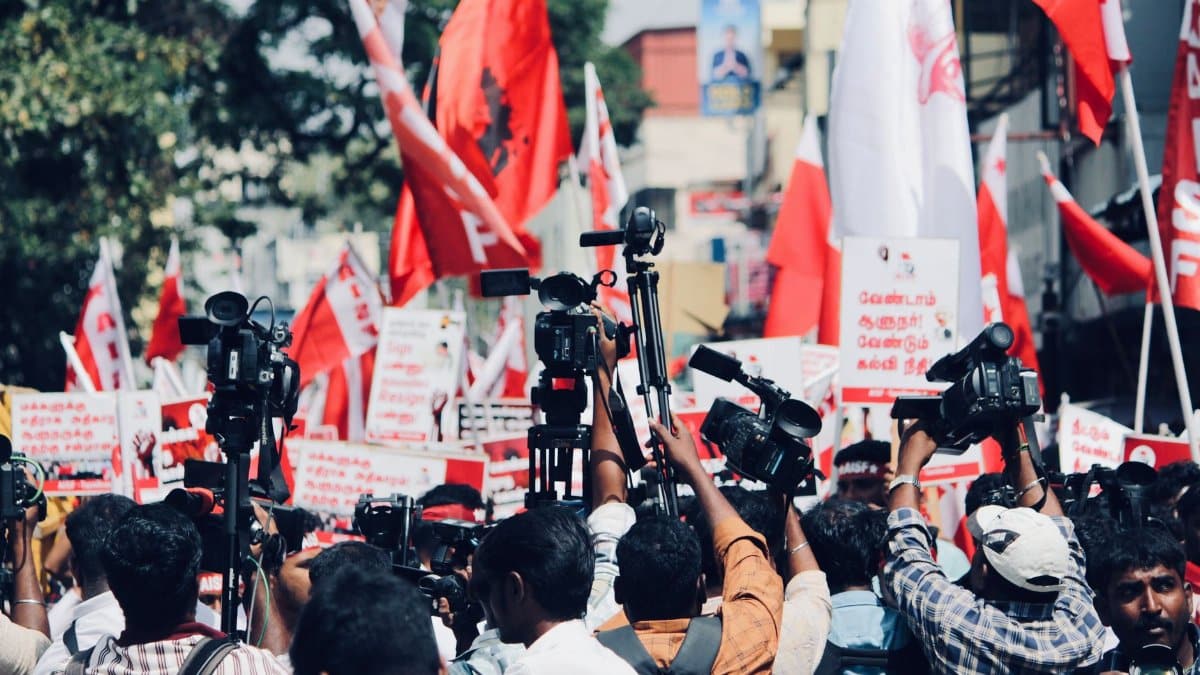
News outlets across the state devoted extensive segments to the primary aftermath. Polls conducted in the days after show favorable views among independent voters who cite the candidates direct style as appealing.
Historical Context for Michigan Senate Races
Past contests have often hinged on economic swings tied to the auto industry. This cycle introduces new dynamics centered on healthcare policy and workforce training programs.
Potential Impact on National Party Direction

The outcome adds momentum to voices advocating bolder domestic agendas within the broader coalition. Observers suggest it could influence primary battles in neighboring states during the next cycle.
Unity Efforts in the Weeks Following

Joint statements and collaborative events aim to present a united front. These steps seek to minimize any lingering internal divisions from the primary contest itself.
Looking Toward Policy Priorities

If successful in November the incoming senator would likely focus legislative attention on federal support for state level initiatives in education and transportation.