

In the evolving landscape of urban redevelopment a Virginia based company has reached an agreement to acquire the former Star Tribune printing facility located in the North Loop area of Minneapolis. This transaction brings attention to data center Minneapolis and its potential role in reshaping local economies and infrastructure needs across the region. Observers note that such moves reflect broader shifts in how cities balance industrial legacies with emerging technology demands while addressing vacancy issues in downtown zones.
Acquisition Background

The deal involves a Virginia developer purchasing the shuttered facility that once handled newspaper production for the Star Tribune. Local records indicate the site sat unused for several years after operations ceased amid industry changes. The agreement signals renewed interest in repurposing large industrial spaces for data related activities that support digital services nationwide.
Local Economic Effects

Proponents argue the project could generate construction jobs and long term employment in technical fields. Minneapolis has seen gradual recovery in commercial sectors yet many properties remain vacant. Integration of data center Minneapolis facilities might attract related businesses and boost property values in surrounding blocks over time.
Infrastructure Requirements
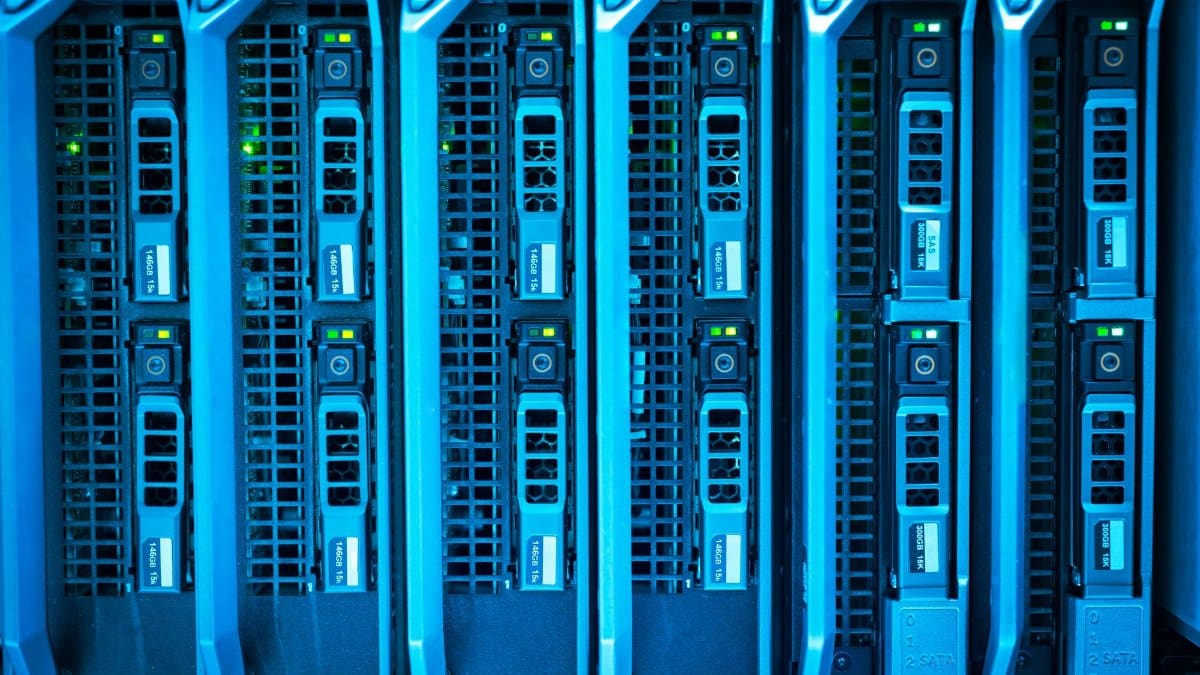
Data operations of this scale typically demand substantial power supplies and cooling systems. City planners will need to evaluate grid capacity and water usage to avoid straining existing resources. Upgrades to roads and fiber networks may also become necessary to support daily operations without disrupting nearby residents.
Environmental Considerations

Modern data facilities often incorporate energy efficient designs yet concerns persist about overall consumption levels. Discussions in Minneapolis have touched on sustainable practices that align with regional climate goals. Developers may face requirements to offset impacts through green energy commitments or site specific mitigation measures.
Community Responses

Residents and business owners express mixed views with some welcoming economic activity while others worry about increased traffic and utility costs. Public meetings have highlighted the need for transparent planning processes. Engagement with neighborhood groups could help address specific issues before construction advances.
Future Development Prospects

Success here might encourage similar conversions of underused industrial sites throughout the metro area. Data center Minneapolis projects could become more common as demand for cloud computing grows steadily. Officials may study zoning adjustments to guide future placements in appropriate zones.
Comparison With Other Projects

Similar efforts in nearby states show varied outcomes depending on local regulations and resource availability. Minneapolis benefits from its central location and existing connectivity yet must navigate unique urban constraints. Lessons from those cases could inform decisions to minimize conflicts with residential areas.
Policy Implications

City leaders may revisit incentive structures and permitting timelines for large scale technology investments. Balancing growth with livability remains a priority amid ongoing debates over downtown vitality. Data center Minneapolis initiatives will likely influence broader strategies for economic diversification in coming years.