
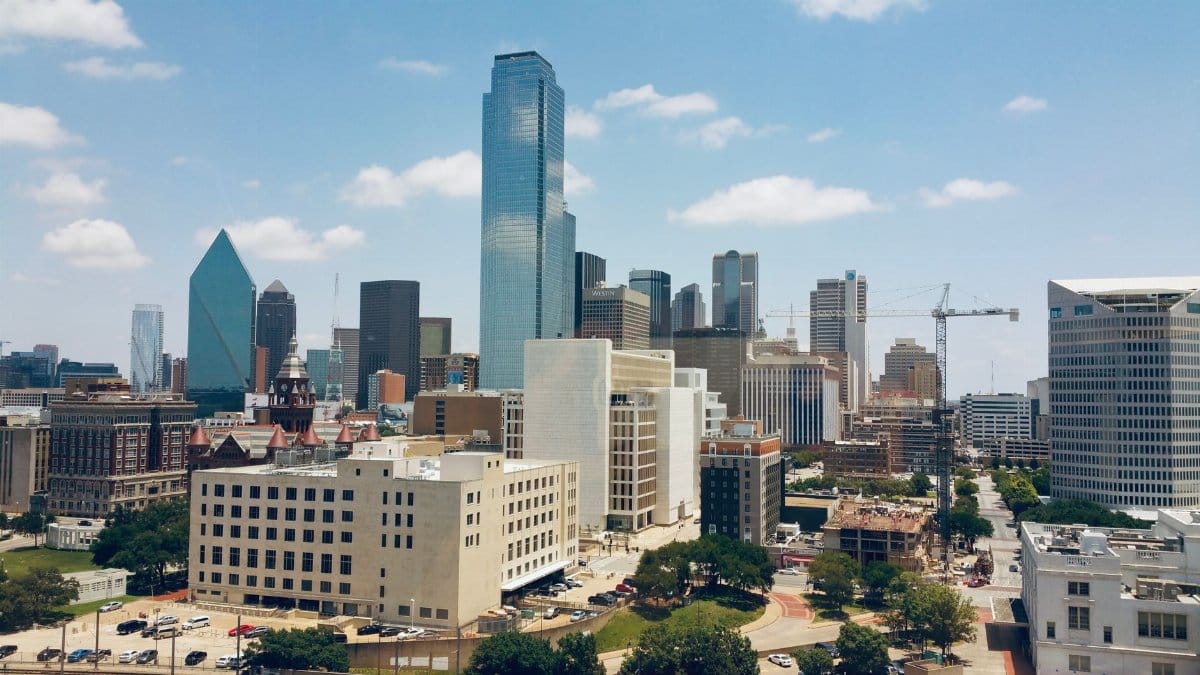
In the early hours of a crisis, seconds count as calls flood into emergency lines across a sprawling metropolis. Dallas leaders now see an opportunity in repurposing an existing structure to strengthen response capabilities. The chosen site, a former IBM building, offers the space needed for a modern Dallas 911 center that can serve the city better in years ahead. This move reflects careful planning amid population growth and rising call volumes that strain older setups.
Current Facilities and Their Limits
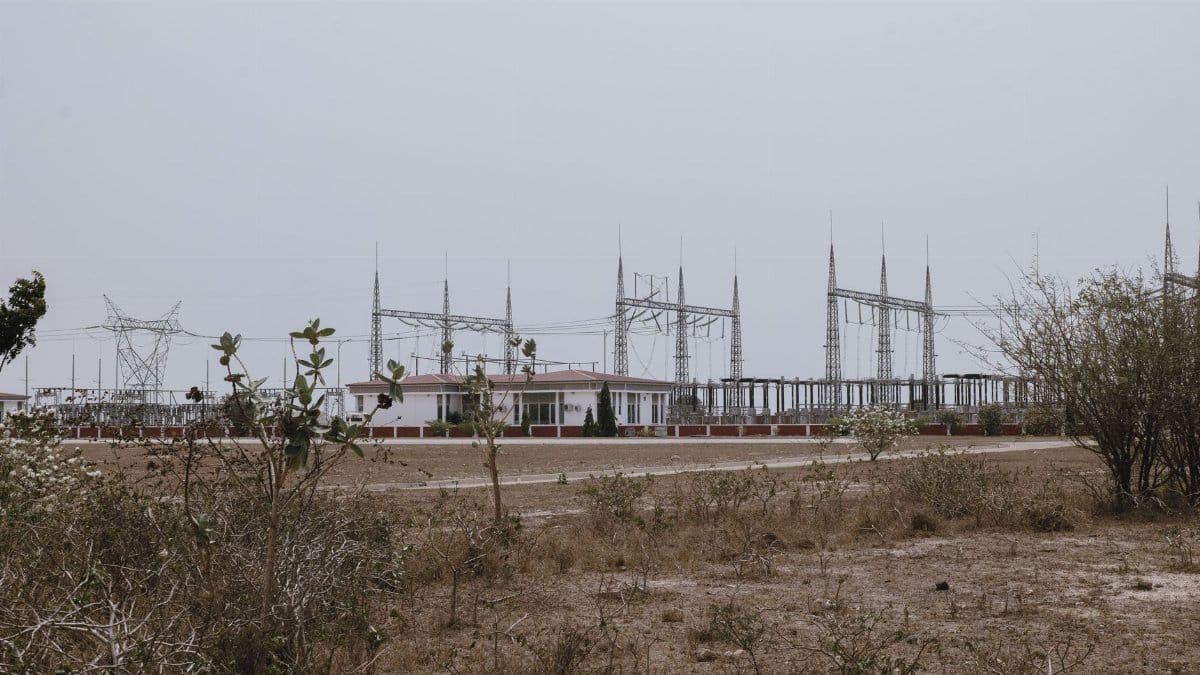
Dallas has operated its emergency communications from locations that date back decades. These spaces were designed for smaller populations and fewer daily incidents. Over time staff have adapted with added technology yet face constraints in room for equipment and training areas. The result shows in longer processing times during peak events when multiple agencies must coordinate.
Selection of the Former IBM Site
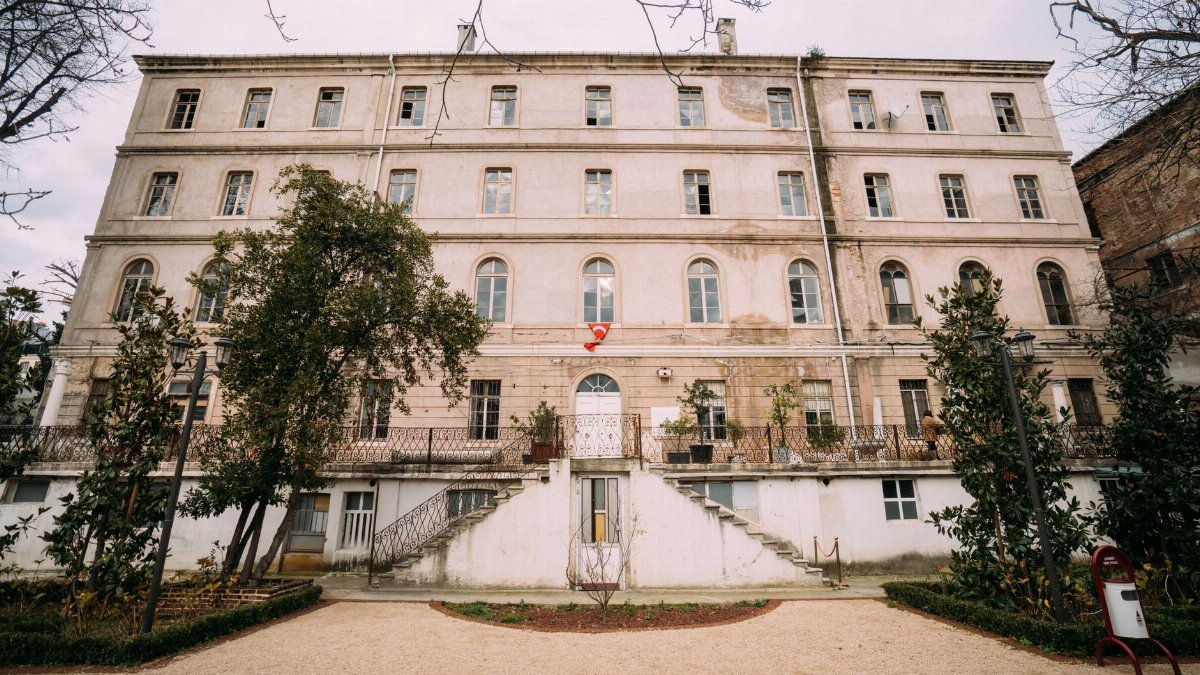
City analysts reviewed several properties before settling on the former IBM building. Its size allows for separate zones dedicated to call taking, dispatch, and emergency operations all under one roof. Location advantages include access to major roads for quick staff arrival and proximity to other municipal offices. This choice avoids the expense of building entirely new while meeting technical requirements for upgraded systems.
Benefits for Emergency Response
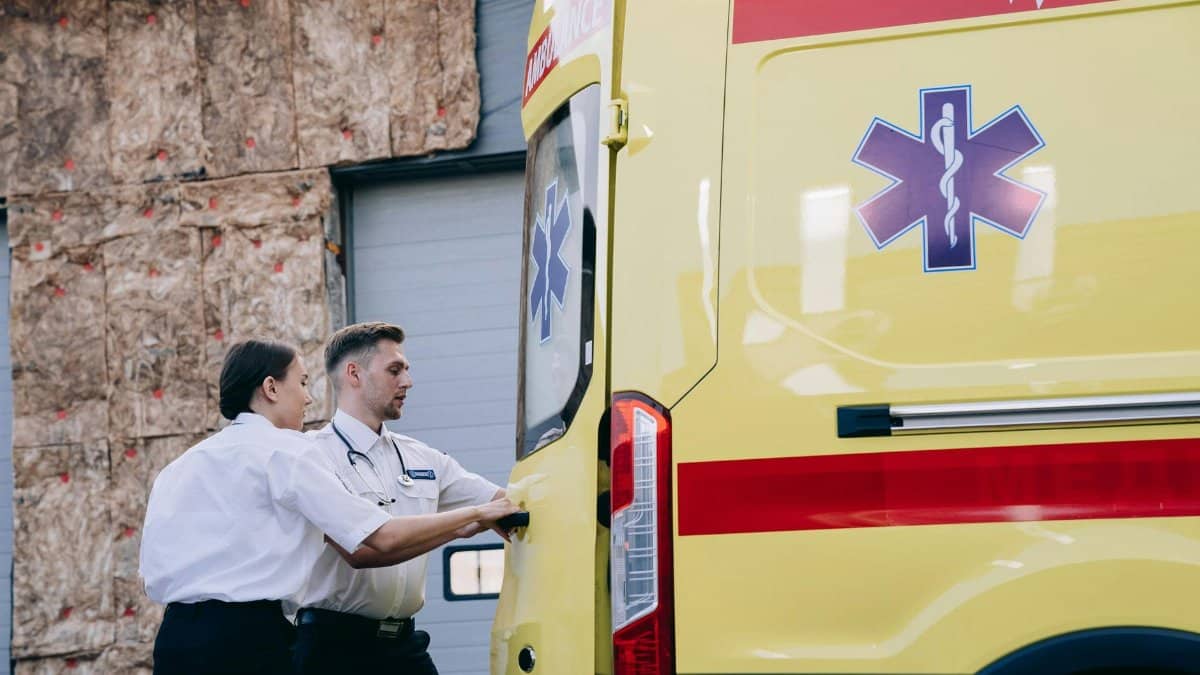
A consolidated Dallas 911 center promises faster information sharing among police, fire, and medical teams. Larger floor plans support advanced mapping tools and redundant power sources that reduce downtime risks. Staff will gain dedicated areas for debriefing after major events which supports better mental health practices in a high stress field.
Integration with City Operations

The new center will sit alongside broader emergency management functions. This setup enables real time updates during storms or large public gatherings when decisions must flow quickly between leaders and field responders. Shared resources such as data servers and conference rooms cut duplication and improve overall readiness.
Cost Considerations and Funding

Repurposing the building carries lower price tags than ground up construction. Budget documents outline expenses for renovations, new furniture, and technology installations spread over several fiscal years. Grants from state and federal sources may cover portions focused on public safety enhancements while local bonds handle remaining needs.
Community Input and Reactions

Public meetings allowed residents to ask questions about traffic changes and noise during construction phases. Some voiced support for improved services while others raised concerns over the shift in building use from commercial to government. Officials responded with details on security measures and landscaping plans meant to blend with surrounding areas.
Timeline for Construction and Move
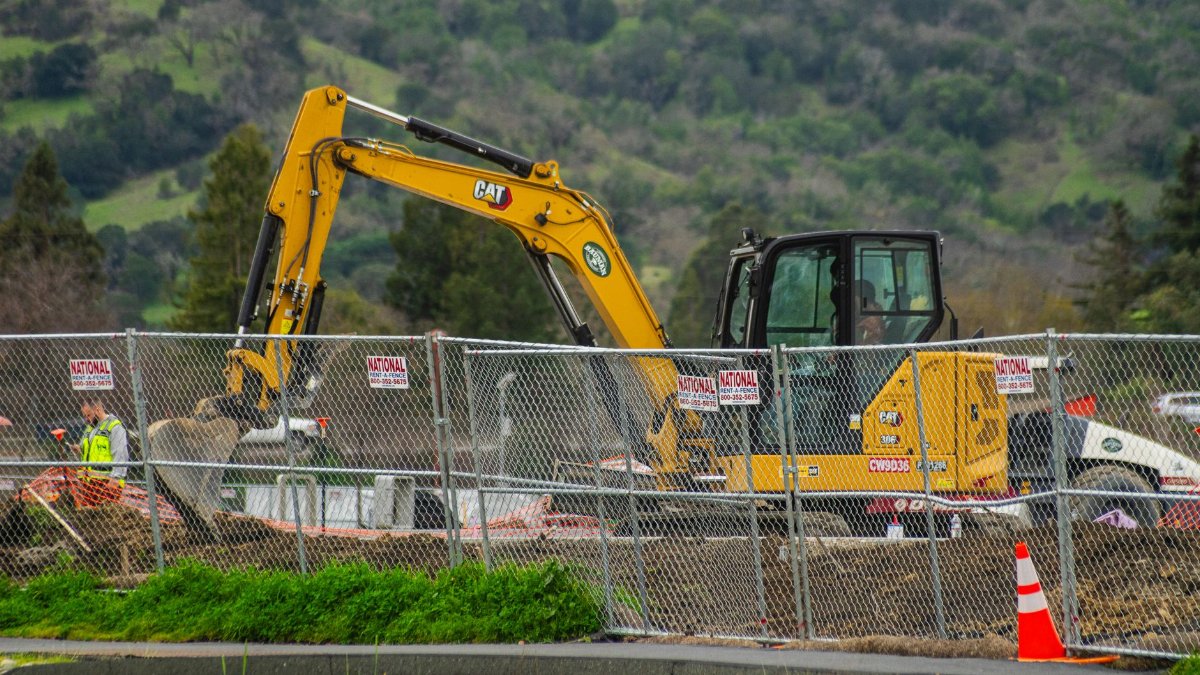
Work is slated to begin after final approvals with completion targeted within two years. Phased moves will keep the existing Dallas 911 center running without interruption. Testing periods will verify all systems before full activation to avoid any gaps in service.
Future Proofing Against Growing Demands

Designs incorporate flexible spaces that can expand if call volumes rise further. Provisions for new communication standards ensure the facility remains relevant as technology evolves. This forward view aligns with projections of continued urban expansion in the region.
Comparisons with Other Cities
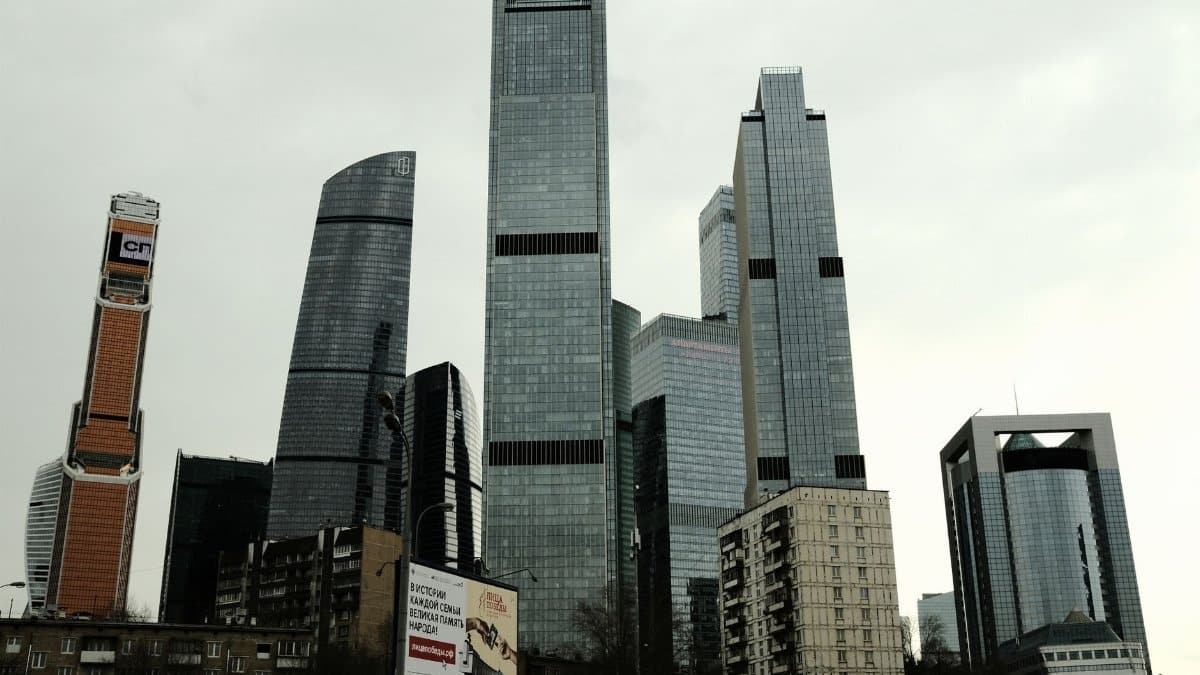
Similar projects in places like Austin and Houston show gains in response metrics after consolidation. Those centers report better staff retention due to improved working environments. Dallas aims to match those outcomes with its own adaptations suited to local needs.
Impact on Public Safety Outcomes
Ultimately the upgraded Dallas 911 center stands to influence how quickly help reaches those in need. By addressing space and coordination shortfalls the city positions itself for more resilient operations. Ongoing evaluations will track progress and guide adjustments as the facility begins its role.