

In the midst of another scorching summer Dallas County has confirmed its initial case of a death attributed to extreme temperatures this year. This development highlights the growing risks posed by rising heat levels in urban areas across North Texas. The incident known as the Dallas heat death serves as a stark reminder of how vulnerable populations can suffer when temperatures soar beyond normal limits. Officials are urging residents to take precautions as forecasts predict continued high readings through the coming weeks. Local health departments have stepped up outreach efforts to ensure that elderly citizens and outdoor workers receive timely warnings and access to cooling resources.
Public Health Response in North Texas

Authorities have mobilized additional resources to address the surge in heat related illnesses. Emergency services report an increase in calls from residents experiencing symptoms of heat exhaustion. Community centers have extended hours to provide shelter during peak afternoon periods when the sun is strongest.
Effects on Vulnerable Populations
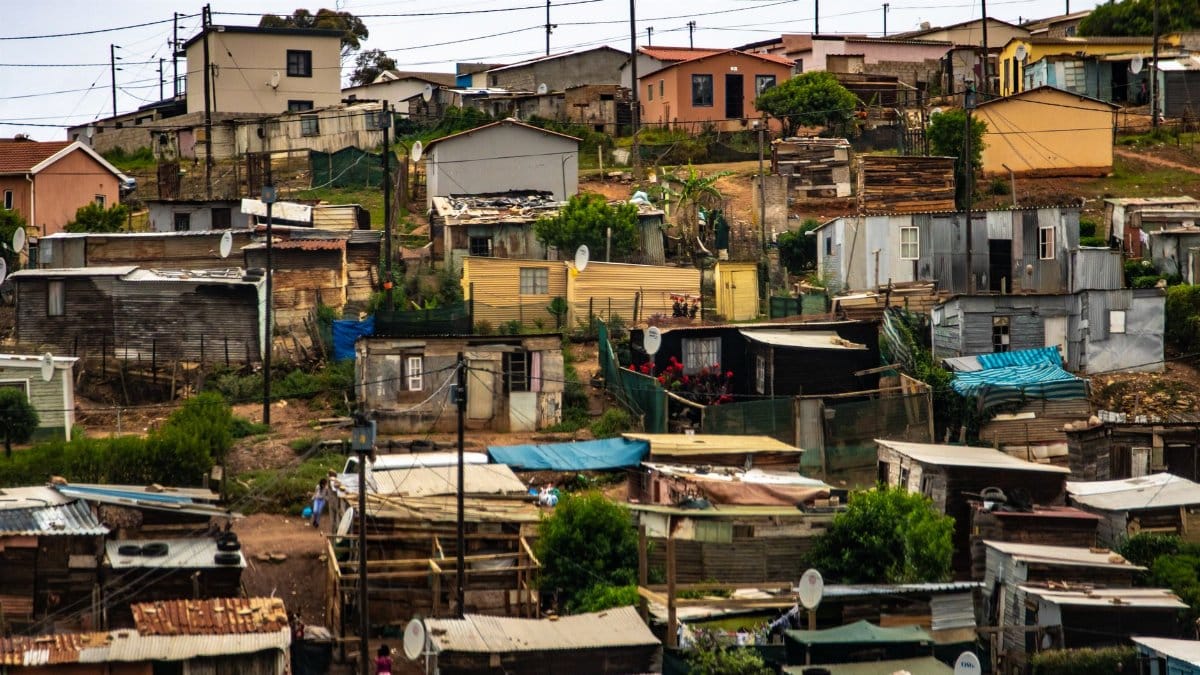
Elderly individuals living alone face heightened dangers during prolonged hot spells. Social service agencies are checking on isolated seniors through daily phone calls and home visits. Families are encouraged to monitor relatives who may not recognize the signs of overheating until it is too late.
Urban Planning Challenges

City planners are examining ways to reduce heat buildup in densely populated neighborhoods. Strategies include expanding tree coverage along streets and installing reflective materials on rooftops. These measures aim to lower surface temperatures and improve air quality over time.
Workplace Safety Measures

Employers in construction and agriculture are adjusting schedules to avoid the hottest parts of the day. Mandatory breaks for hydration have become standard practice on job sites. Training programs now emphasize early recognition of heat stress symptoms among crew members.
Climate Patterns and Future Outlook

Meteorologists note that recent temperature records reflect broader shifts in weather trends. Long term data shows an increase in the number of days exceeding ninety five degrees. Preparations for future seasons will require coordinated efforts between government agencies and community groups.
Community Awareness Campaigns

Local media outlets are running public service announcements about staying safe during heat waves. Schools are teaching children basic steps such as drinking water regularly and seeking shade. These initiatives seek to build a culture of proactive protection against extreme conditions.