

On a Tuesday evening in downtown Dallas, the council chamber filled before the microphones opened. Residents spoke about tents under highway bridges, about relatives cycling through emergency rooms, about rents that outrun wages. When the members answered, they returned to a phrase that has become a kind of civic shorthand: Dallas local control. The argument is not new. What feels new is the belief, voiced across several districts, that a friendlier Legislature might finally let the city try remedies Austin has spent years taking off the table.
A city that has lived under Austin’s shadow

Dallas is a home rule city, which in Texas theory means it may govern local affairs unless the state says otherwise. In practice the otherwise has grown large. Over the past decade lawmakers in Austin have preempted city rules on everything from rides for hire to plastic bags to where people may sleep outdoors. Dallas officials have often discovered the limit of their power only after a bill passed, a lawsuit landed, or a state agency declined to cooperate.
That pattern explains why local control is less a slogan here than a budget and operations problem. A council can vote for a program and still lack the legal room to run it. Staff then spend months redesigning around a statute written for the whole state, not for a county of more than two million people with a downtown that does not look like a rural courthouse square.
What council members mean by authority

When members talk about Dallas local control, they are usually not asking to secede from state law. They want discretion on issues where the city’s density, poverty, and hospital load differ from the rest of Texas. Homelessness response, mental health crisis care, and land use sit at the top of that list because those are the files that consume council time and still produce visible failure on the street.
The request is also political insurance. A city that can set its own rules can be judged by its own voters. A city that must follow a statewide script can only explain why the script failed. Several members have said, in public meetings over multiple sessions, that they would rather own a controversial local choice than administer a mandate they did not write.
Homelessness and the limits of city hall
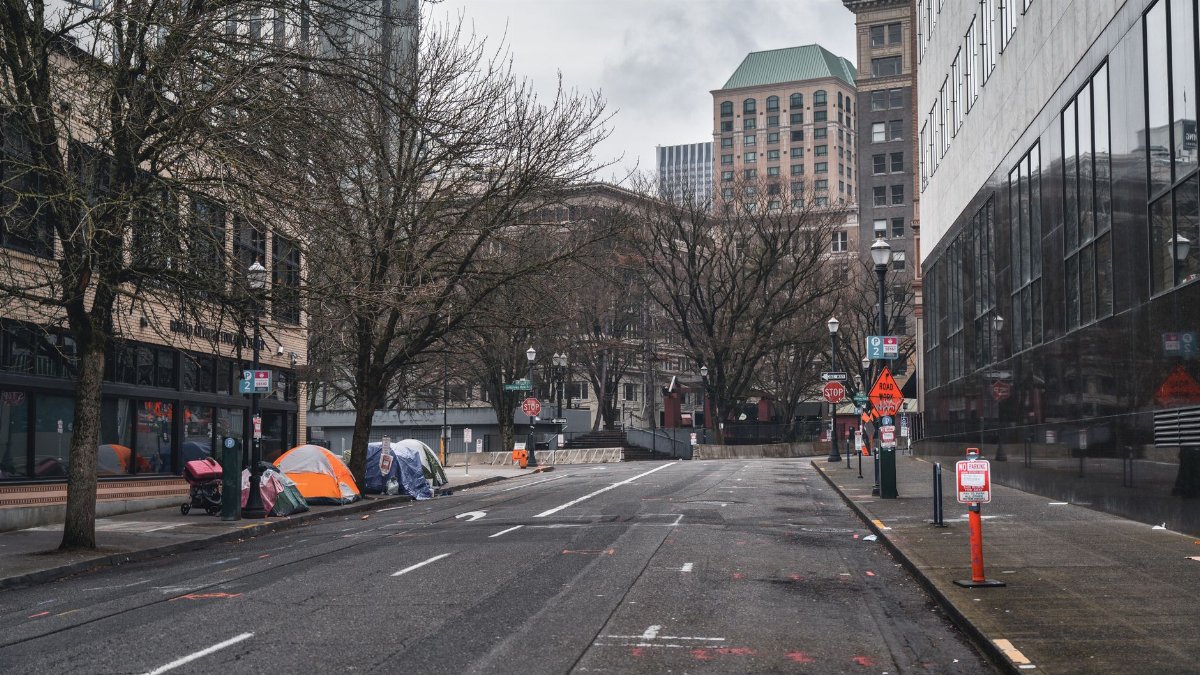
Nowhere is the tension clearer than in homelessness policy. Dallas has invested in housing navigation, shelter partnerships, and outreach teams. It has also lived under a state camping ban that restricts how cities may tolerate encampments on public land. Supporters of the ban argue it protects parks and sidewalks and pushes people toward services. Critics inside city government argue it removed a pressure valve without funding the housing that would replace it.
The council cannot, by resolution, repeal a state statute. It can ask the Legislature for exemptions, pilot authority, or money tied to local plans. That is the practical content of the local control pitch on this issue: permission to match enforcement with beds, treatment slots, and landlord incentives that actually exist in Dallas County, rather than a single rule applied from El Paso to Beaumont.
Mental health care that stops at the county line

Mental health is the quiet twin of the homelessness debate. Police and fire crews remain the default response to many psychiatric crises because clinical alternatives are thin at night and on weekends. State hospitals have wait lists. Local mental health authorities depend on formulas set in Austin. Cities can add clinicians to 911 call centers, but they cannot invent inpatient capacity the state has not funded or licensed.
Council members who press for Dallas local control on this front are really pressing for two things at once. One is flexibility to contract, site facilities, and share data with hospitals without waiting on a statewide template. The other is a funding match that recognizes urban call volume. A rural county and a central city do not generate the same midnight workload, and pretending they do produces both wasted money and unmet need.
Housing rules written far from Oak Cliff
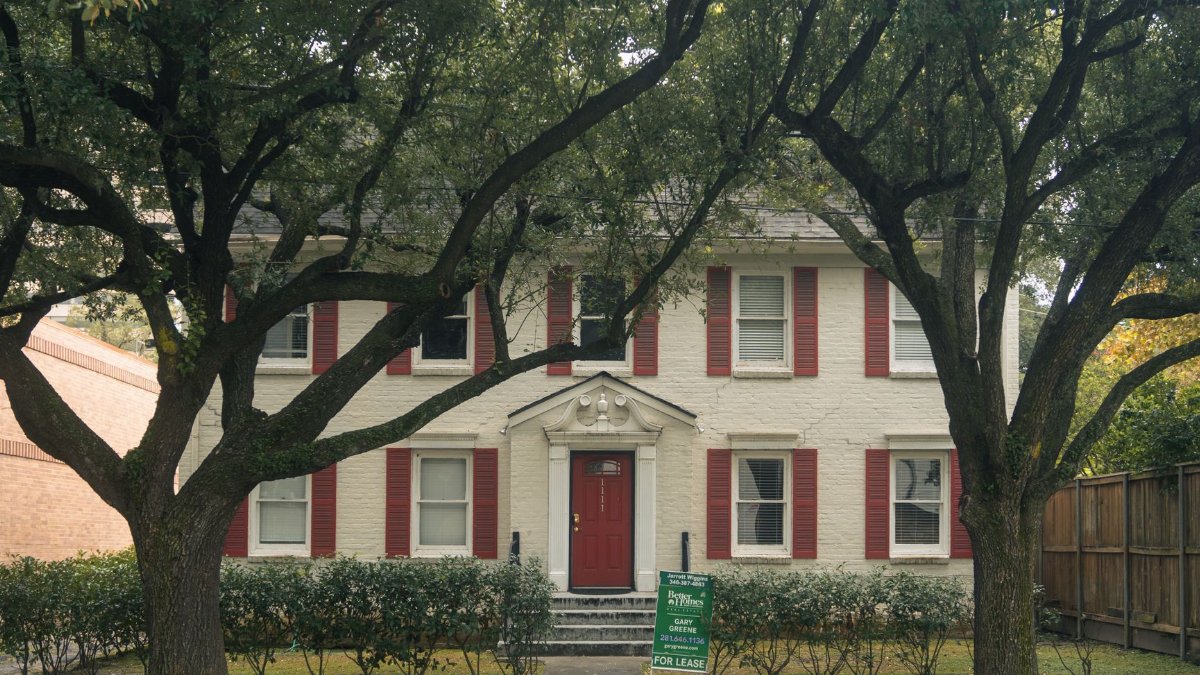
Housing is where legal preemption meets kitchen table economics. Dallas has debated accessory dwellings, minimum lot sizes, and where apartments may rise near transit. Each local experiment collides with a state political culture that treats zoning changes as a threat to neighborhood character or, from another faction, as an obstacle to building more homes. The council sits between those poles with less room than voters assume.
A durable version of local control would let Dallas test rules in a few corridors, measure rents and displacement, and adjust. A brittle version freezes the map and then blames city hall for prices set by interest rates, migration, and a regional shortage of units. Members who want authority are, in effect, volunteering to be accountable for results they cannot currently produce alone.
Police, prosecutors, and the fight over discretion

Public safety is the third rail, and it belongs in any honest account. State leaders have punished cities they view as soft on crime, including through threats to local budgets and limits on civilian oversight. Dallas has not been the main target in every fight, but the message travels. Chiefs and council members calibrate policy with an eye on whether Austin will treat a local reform as defiance.
Here the case for local control is narrower and more careful. Residents want both safer streets and policing they trust. Those goals are not served by a city that cannot set priorities for low level offenses, nor by a state that treats every local experiment as ideological betrayal. The useful ask is bounded discretion, reported in public, with crime data anyone can read.
The budget math behind local ambition

Authority without money is a press release. Dallas already carries pensions, public safety, streets, and libraries on a property tax base that voters watch closely. If the state loosened rules on homelessness or mental health and sent no dollars with the freedom, the council would face a choice between raising revenue and cutting something else. Members know this. The serious speeches pair legal flexibility with dedicated streams, not with vague hopes.
There is a second budget fact. Lawsuits are expensive. When Dallas and other cities challenge preemption, or defend local ordinances, outside counsel and staff time drain funds that could have gone to shelters or clinics. A clearer statute that defines what cities may do would be cheaper than another cycle of bills, veto threats, and court dates.
Neighbors who want the same freedom
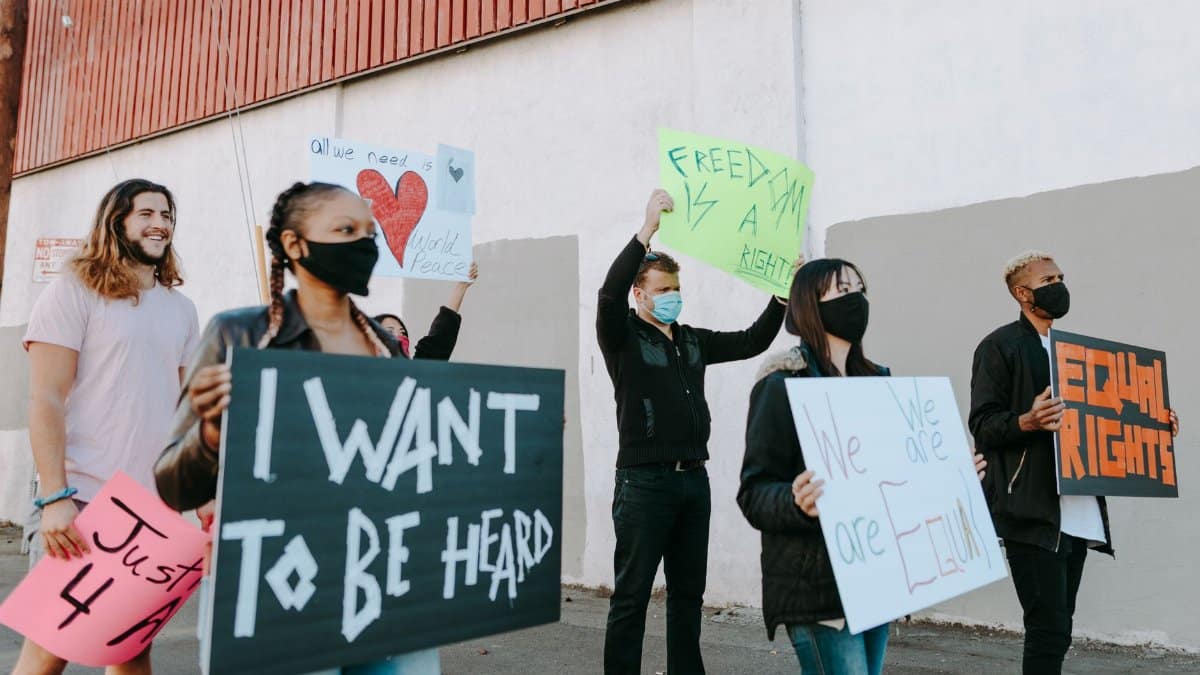
Dallas is not alone. Houston, Austin, San Antonio, and smaller suburbs have each lost a local ordinance to a statewide rule. Some of those cities vote differently from Dallas. The coalition for municipal discretion is therefore awkward and useful. A suburb that wants control of short term rentals and a central city that wants control of encampment policy are asking for the same structural thing: a presumption that the nearest government should try first.
Regional bodies complicate the picture. Homelessness and behavioral health do not stop at the Dallas city limit. Collin, Denton, and Tarrant counties are part of the housing market whether or not they share a council agenda. Local control that ignores neighbors can export problems. Local control that includes them can share shelters, data, and bus routes. The council’s best version of the argument is regional, not provincial.
What voters in Dallas actually asked for

Election results inside the city are not a blank check. Dallas voters have backed bonds for housing and infrastructure and have also punished officials they see as inattentive to crime and basic services. Any push branded as Dallas local control will be judged by whether streets feel safer and whether people in crisis find a bed, not by whether a legal theory prevailed in a committee hearing.
That standard should discipline the rhetoric. It is easy to blame Austin for every unsolved problem. It is harder to publish a plan with numbers: units to be financed, clinic hours to be staffed, encampments to be closed only when an alternative exists. Voters can tell the difference. So can legislators, who have heard cities promise transformation before.
The risk of promising more than a city can deliver

There is a real hazard in the current optimism. If members tell residents that a shift in statewide politics will unlock local solutions, they owe those residents a list of bills, not a mood. Party labels in Austin do not automatically repeal preemption. New majorities inherit old donors, rural seats, and a constitution that still centers the Legislature. A Democratic House or a friendlier governor, if either arrives, may still decide that uniform rules are simpler than fifty experiments.
Cities can also misuse freedom. Local control has been used in American history to exclude as well as to include. Dallas should say plainly which powers it wants and which abuses it will not repeat. Transparency, sunset dates on pilot programs, and independent evaluation are the price of asking the state to step back.
A practical agenda for the next session

A credible agenda fits on a few pages. First, a homelessness pilot that ties any relaxation of camping rules to a counted inventory of shelter and housing placements, reported monthly. Second, authority to expand crisis response teams and to site small mental health facilities without a multiyear zoning war that state law currently prolongs or forbids. Third, a narrow housing experiment near transit, with displacement tracking. Fourth, a ban on using local control as cover for secrecy: contracts, outcomes, and complaints should be public.
None of that requires the council to win a culture war. It requires draft language, cost estimates, and allies in counties that do not share Dallas politics. It also requires the humility to drop a request if the evidence says the city cannot staff it. That is how Dallas local control becomes administration rather than branding.
Why the argument will not end in one election

State and city power in Texas has swung for generations. Annexation rules, school finance, and environmental permits have all been battlegrounds. The present fight over homelessness and mental health is another chapter, not a finale. Even if the partisan balance in Austin changes, lobbyists for landlords, hospitals, police associations, and business groups will still write competing bills. Dallas will still have to show up.
I have watched enough council meetings to know the phrase will outlast any single headline. Residents do not go home debating preemption doctrine. They go home hoping the person they saw on the sidewalk is indoors by winter, and hoping the tax bill still makes sense. If Dallas local control cannot be translated into those outcomes, it will join the long list of promises that sounded like self government and functioned like delay.
The council’s job, then, is specific. Name the statutes that block useful work. Price the alternatives. Invite suburbs into the design. Publish the results even when they disappoint. That is a harder politics than declaring victory because the Capitol changed hands. It is also the only version of Dallas local control that a skeptical public, and a wary Legislature, should be asked to trust.