
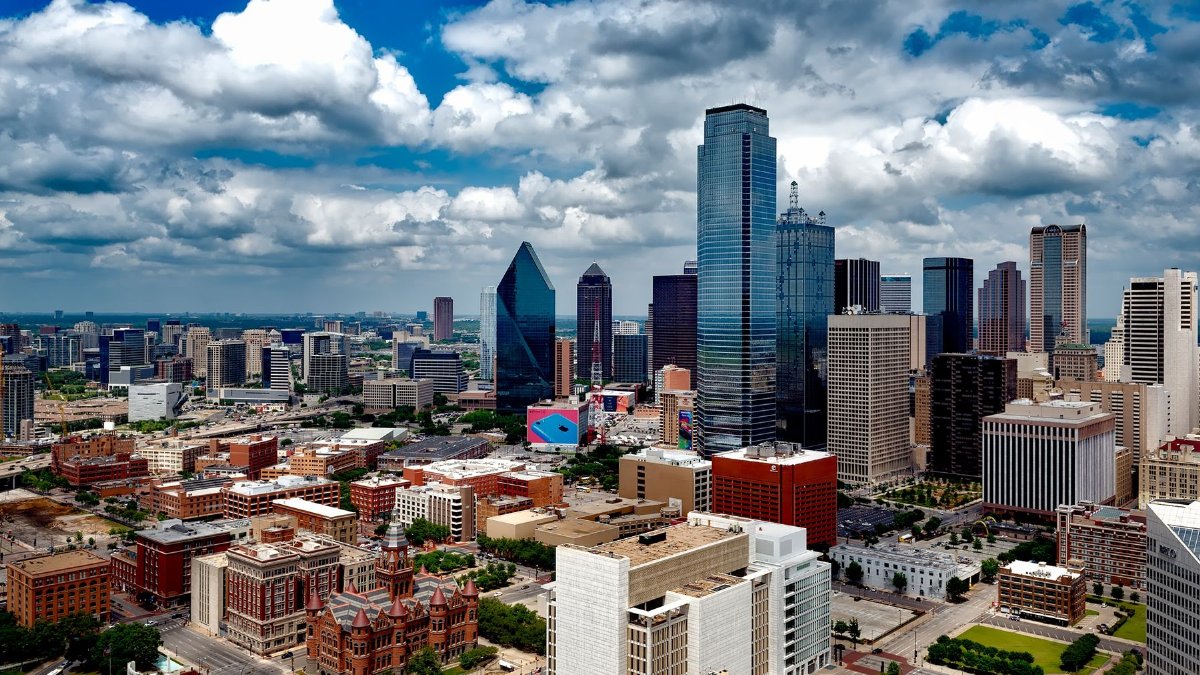
On a weeknight when most of Dallas is thinking about traffic, school pickup, and what is left in the refrigerator, the City Council is preparing to decide whether pieces of the machinery of local government should leave the building that has defined the civic skyline for nearly fifty years. The phrase Dallas City Hall relocation sounds like a plan to abandon a landmark. The question actually on the table is narrower, and in some ways more serious: whether 311, 911, and emergency operations should move out of the current City Hall while the rest of municipal life stays put, at least for now.
A landmark that still has to function as an office
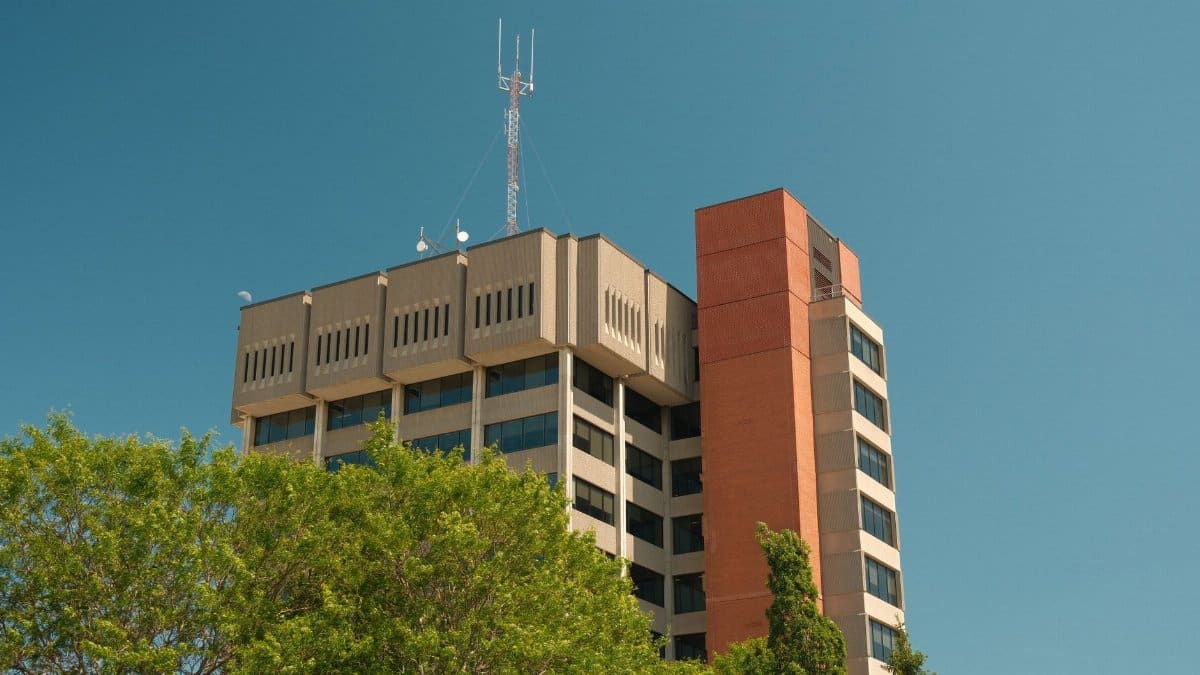
Dallas City Hall is not a neutral box. Designed by I. M. Pei and opened in the late 1970s, it was meant to announce that a growing city could house its government in a single, confident form. The inverted pyramid, the plaza, and the long approach from downtown still do that work. People pose for photographs. Protesters gather. Newly elected officials walk in and feel the weight of the place.
A building can be an icon and a poor workplace at the same time. Floors planned for an earlier era of paper files, large hearing rooms, and a different idea of security do not always fit round the clock call centers, redundant power, and the quiet concentration that emergency dispatch requires. The council is not being asked to settle the architectural reputation of the building. It is being asked whether certain functions have outgrown the rooms they occupy.
What the council is actually being asked to pursue
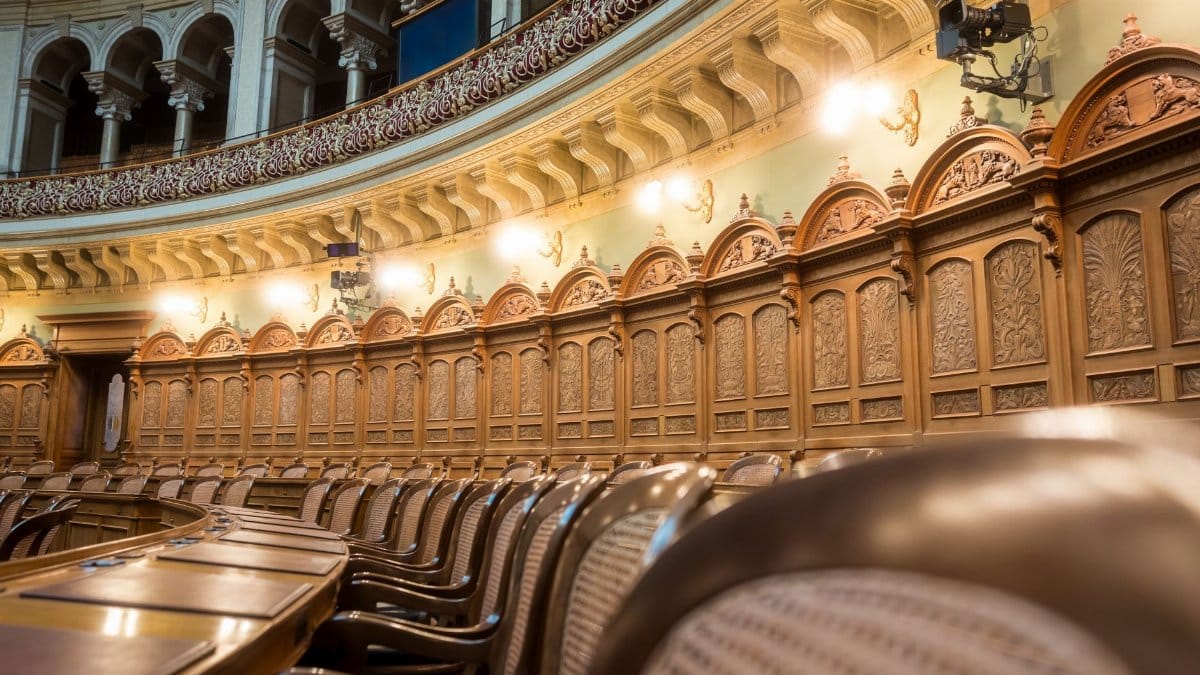
The vote under discussion is not a ribbon cutting and not a demolition order. It is a decision about whether to pursue a move of 311, 911, and emergency operations out of the current building. Pursuit is a word that matters. It opens studies, site searches, cost estimates, and negotiations. It does not, by itself, load a truck.
That distinction is easy to lose in a headline. Residents hear relocation and picture a hollowed out hall, a sold plaza, or a government that has slipped away from downtown. Council members, if they are doing the job, hear a sequence: define the need, test the options, price the disruption, and only then commit. A yes vote would start that sequence. A no vote would leave the departments where they are and force a different conversation about repairs, retrofits, and overcrowding.
Why the emergency desks sit at the center of the argument

311 is the number people call when a pothole, a missed bulk pickup, or a confusing bill needs a human. 911 is the number they call when someone is hurt, a house is on fire, or a crime is unfolding. Emergency operations is the room that has to keep working when the rest of the city is under strain, whether from a storm, a mass casualty event, or a failure in the power grid.
Those functions share a need that ordinary offices do not. They need redundancy. They need secure entry. They need space for technology that did not exist when the building was drawn. They need shifts that run through the night without treating the night as an afterthought. Putting them in a civic showpiece can be a point of pride. It can also be a constraint, if the showpiece cannot be altered without a fight over every wall, window, and loading dock.
Moving them is not a small facilities tweak. A failed handoff in a call center is not like a missed memo in a planning department. Any Dallas City Hall relocation that touches emergency communications has to be judged by whether the public would notice nothing at all on the day the phones switch, except perhaps a clearer line and a shorter wait.
The case for leaving, stated without drama
Supporters of a move tend to make a practical argument. The current building is aging. Retrofitting it for modern dispatch, backup power, and security can cost as much as a purpose built site, and can take longer, because work has to happen around people who cannot simply close for a season. A separate facility can be designed for the work rather than adapted to it. It can sit where fiber, flood risk, and highway access make more sense than a downtown address.
There is also a staffing argument that rarely makes the renderings. Call takers and dispatchers are hard to hire and harder to keep. A workplace with reliable climate control, quiet rooms, decent parking or transit, and equipment that does not fail on a holiday weekend is not a luxury. It is part of how a city holds onto people who carry other people’s worst days.
The case for staying, which is not only sentimental

Opponents, or at least the cautious, have a case that does not depend on loving concrete. Downtown proximity puts emergency managers near police leadership, fire leadership, the mayor, and the council when a crisis compresses decision time. Scattering those people across the map can be fixed with technology, but technology fails, and a short walk still matters when it does.
There is also the public face of government. City Hall is where residents already know to go. Moving 311, the service most people actually touch, can feel like moving the front door. If the new site is harder to reach by bus, harder to find, or placed in a part of the city that reads as closed off, the efficiency gain inside the building can become an access loss outside it. A Dallas City Hall relocation that improves operations and worsens the experience of ordinary callers has not solved the problem. It has relocated it.
Money, and the numbers the public should demand

Any honest briefing will have at least three price tags, not one. The first is the cost of making the current space adequate for another decade: structural work, electrical capacity, cooling, security, and the temporary swing space required while that work happens. The second is the cost of a new or leased site, including technology, furniture, and the overlap period when both locations must run so that no call is dropped. The third is the cost of doing nothing, which never appears as a single invoice but shows up as overtime, outages, turnover, and delayed response.
Council members should refuse a single glossy total. They should ask what is capital and what is operating, what is paid once and what returns every year, and which assumptions break if construction runs long. They should ask who bears the risk if a vendor misses a date. Residents do not need to become project managers. They do need to hear those questions asked in public, in plain language, before a pursuit becomes a contract.
The people who would pack the boxes

Plans like this are often written as if buildings move and workers simply appear in the new ones. The people who answer 311 and 911 have commutes, childcare, second jobs, and colleagues they trust. A site that adds forty minutes each way is a pay cut. A site with no safe late night exit is a retention problem waiting for a headline.
Training matters as much as geography. New consoles, new radio paths, and new backup procedures have to be learned before the old ones are unplugged. The overlap period is not waste. It is the only responsible way to move a service that cannot post a gone fishing sign. If the council pursues a Dallas City Hall relocation for these departments, the first design constraint should be the humans on the headset, not the rendering of the lobby.
Downtown identity and the fear of a hollow hall

Cities tell stories about themselves through where they put power. Dallas has spent years trying to thicken downtown life beyond the workday, with parks, housing, and events on the plaza. A City Hall that loses its most constantly staffed floors can start to feel ceremonial: busy on council days, quiet when the real work of answering the city has moved elsewhere.
That fear can be overstated. Many cities separate the symbolic seat of government from the technical rooms that keep sirens running. The separation is not a confession of decline. It becomes a problem only if the landmark is then neglected, or if the move is sold as revitalization while the old floors sit dark. The council owes the public a sentence about what remains in the building, who maintains it, and how the plaza stays a public room rather than a forecourt for an emptier office.
A vote that opens a process, not a farewell

If the council votes to pursue the move, the next months should look boring on purpose. Site criteria. Flood maps. Transit maps. Power studies. A public schedule. A clear statement of which employees are affected and which are not. Independent review of the emergency communications plan, not a vendor slideshow. If the council votes no, the same discipline applies in reverse: a dated plan to fix what is failing inside the current walls, with the same refusal to hide behind the word study.
Either path can be responsible. What cannot be responsible is treating the vote as a mood about architecture. The building will outlast this council. The calls will not wait for the next election.
What residents can watch for without becoming insiders
A useful public record would answer a short list. Will 911 stay operational without interruption, and who certifies that. Will 311 remain reachable by phone and in person for people who do not drive. Will emergency operations have a backup site that is truly separate, not a closet down the hall. What happens to the space left behind. How employees were consulted, and what changed because of what they said. When the council will vote again, on a real site and a real budget, rather than on the idea of pursuit.
Those are not technical niceties. They are the difference between a government that moves a function and a government that misplaces it. Dallas has argued about this building for decades, sometimes as art, sometimes as obstacle, sometimes as the photo on the postcard. The present argument is plainer. Can the rooms that answer the city at its most ordinary and its most frightened do that work where they sit. If they cannot, a careful Dallas City Hall relocation of those rooms is not a loss of civic pride. It is a test of whether pride includes competence.
The council’s job, on the night it votes, is to refuse the false choice between loving the landmark and caring about the call. Both can be true. Only one of them picks up when a stranger dials in the dark.