
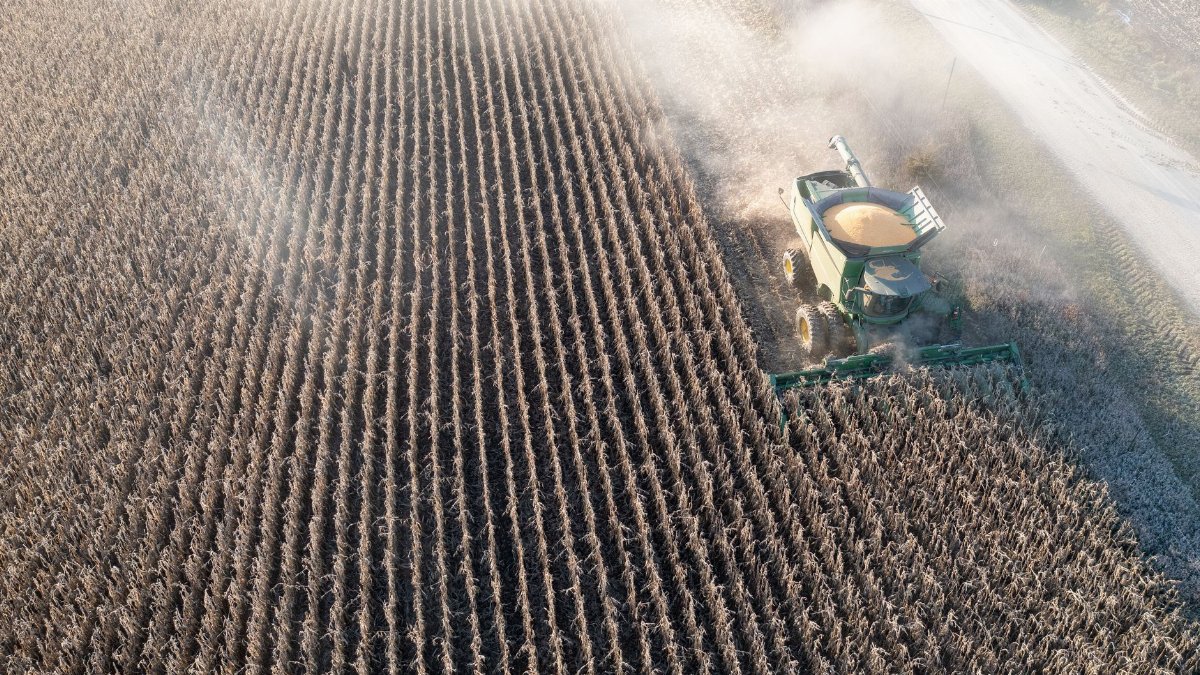
In the heart of Minnesota farm country where fields stretch toward the horizon and communities gather around local diners for morning coffee conversations about everything from weather patterns to market shifts one notices a growing silence. Congressional representatives from these rural districts have largely stepped back from engaging with journalists even as challenges mount for the people they serve. This pattern raises questions about accountability at a time when farmers grapple with unpredictable conditions and economic pressures. Rural Reps Press has become a focal point in discussions about how elected leaders communicate or choose not to with the public they represent.
Shifting Media Landscape in Rural Districts
Representatives once appeared regularly on local radio shows and in newspaper interviews to explain their positions on legislation affecting agriculture. Today many opt for controlled statements released through staff or social media posts that limit follow up questions. This change coincides with broader national trends where politicians from both parties limit unscripted interactions yet it stands out in areas where personal connections have long defined political life.
Impact of Rising Operational Costs on Farms
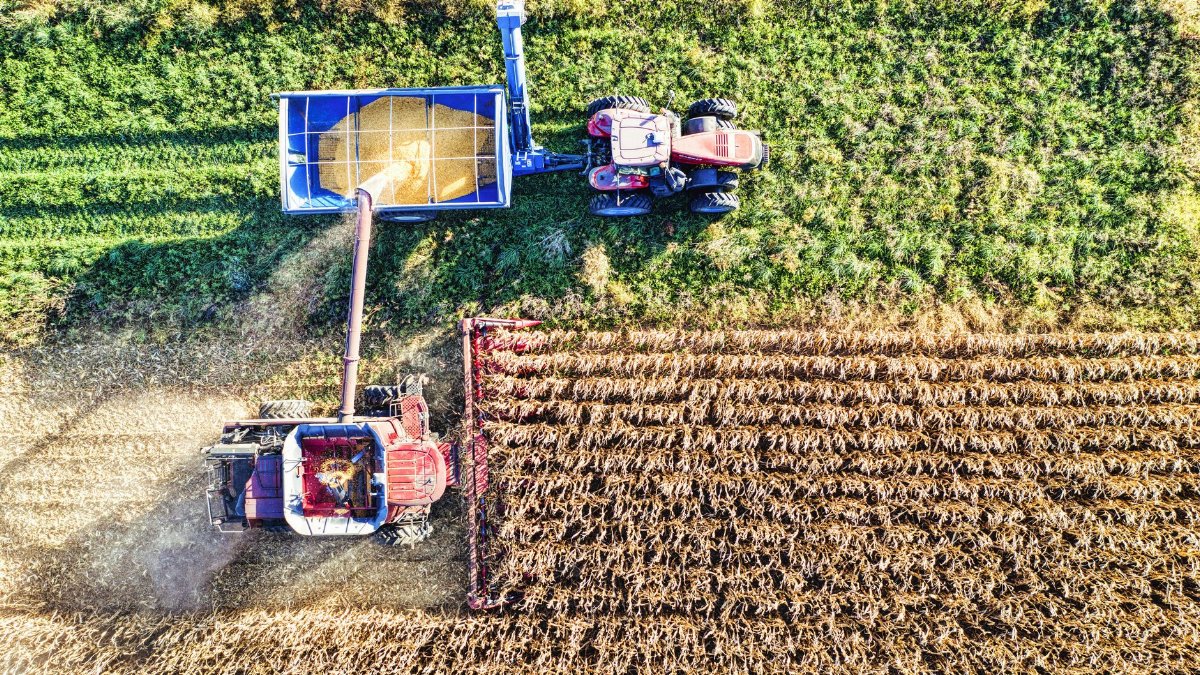
Farmers across the state report steep increases in expenses for fuel equipment and supplies that squeeze already narrow profit margins. Without direct dialogue from their representatives in Washington residents struggle to understand how federal policies might address these burdens. Local voices describe a sense of isolation when leaders avoid forums where such topics could be aired openly.
Climate Patterns and Agricultural Uncertainty

Unusual weather events including prolonged droughts followed by intense rainfall have disrupted planting and harvest cycles in recent seasons. Experts note that these shifts demand coordinated responses at the federal level yet rural members of Congress rarely appear to discuss adaptation strategies or support programs. The absence leaves communities seeking clarity on resources that could help stabilize operations.
Role of Local Journalism in Holding Leaders Accountable

Smaller news outlets in Minnesota have traditionally served as vital links between officials and constituents by covering town halls and policy announcements in detail. When representatives limit access these publications find it harder to provide balanced reporting on issues that matter most to readers. The result is a thinner flow of information that affects civic engagement over time.
Constituent Perspectives on Representation

Many residents in rural counties express frustration that their concerns about trade agreements and infrastructure needs go unaddressed in public settings. They recall earlier eras when elected officials hosted regular meetings to hear directly from voters and answer questions on the spot. Current practices of selective communication create distance that some say weakens trust in the political process.
Broader National Context for Press Engagement

Across the country a number of lawmakers have reduced media appearances citing busy schedules or polarized environments. In Minnesota this approach appears more pronounced among those representing agricultural regions where daily realities differ sharply from urban centers. Observers suggest the choice may reflect calculations about reelection rather than a desire to inform the public fully.
Potential Consequences for Policy Development

When dialogue between representatives and local media diminishes the details of proposed bills often reach communities only after decisions are made in distant capitals. This timing limits opportunities for input from those most affected by changes in farm subsidies or environmental regulations. Over repeated cycles the pattern can lead to policies that overlook practical considerations on the ground.
Efforts to Rebuild Connections With Voters

Some advocates propose regular virtual sessions or written updates that allow representatives to share insights without traditional press formats. Others argue that in person events remain essential for the kind of spontaneous exchange that builds understanding. Finding a workable balance could help restore a sense of shared purpose between leaders and the rural populations they serve.