
In a kitchen outside Phoenix, the air conditioner runs through what used to be called spring, and the monthly bill sits unopened beside a bowl of oranges that ripened weeks early. Scenes like this are no longer local curiosities. They are the weather of a planet warming faster than governments planned for, and they form the uneasy setting as the COP31 climate talks open in Antalya, Turkey. Delegates arrive in a year of disasters, energy price shocks connected to conflict involving Iran, and temperatures that are not waiting for the next communique.
A conference that cannot pretend the year was ordinary

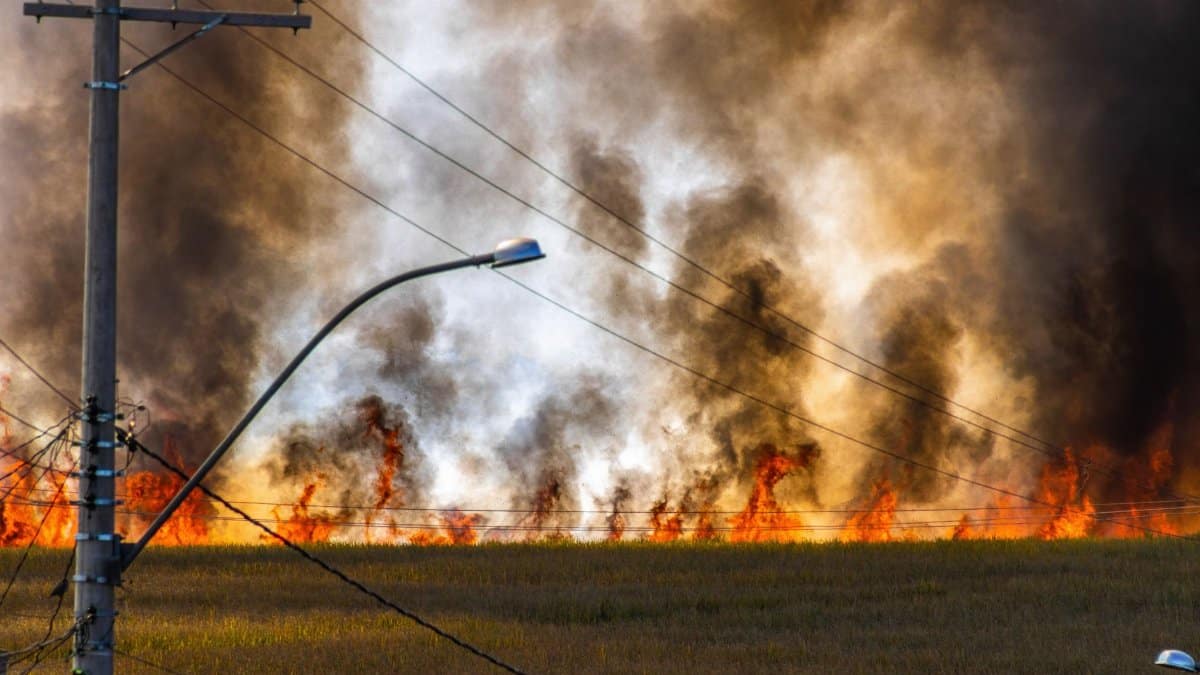
Antalya is a resort city built for sun and sea, which makes it an oddly precise host for a meeting about heat, water, and the cost of both. Hotels along the coast will fill with ministers, scientists, campaigners, and corporate envoys. The agenda will look familiar: national pledges, finance, adaptation, and the slow argument over who pays. What is different is the pile of evidence outside the conference halls. Floods, fires, crop losses, and insurance withdrawals have moved from the annex of climate reports into household budgets.
I have covered enough of these gatherings to know the choreography. There will be a opening flourish, a fight over brackets in a draft text, and a late night claim that the process itself was saved. Readers at home are entitled to ask a blunter question. Did anything change in the physical world, or only in the language used to describe it?
What the temperature record is already saying

The science is no longer a forecast whispered at the edge of politics. The Intergovernmental Panel on Climate Change has stated that human activity has unequivocally warmed the atmosphere, ocean, and land, and that every increment of additional warming brings more intense extremes. NASA and NOAA temperature analyses, summarized at NASA’s climate site and NOAA, have placed recent years among the warmest in the modern record. The precise ranking of any single year matters less than the direction, which has been upward for decades.
That direction shows up in ordinary places. Nights that once cooled a city now stay hot enough to stress older bodies. Mountain snowpacks shrink, then arrive as rain, then leave rivers thin by late summer. Farmers adjust planting dates and still lose yields when a heat spike hits at the wrong week. None of this requires a delegate badge to notice. It requires a memory longer than one season.
Disasters that refuse to stay local
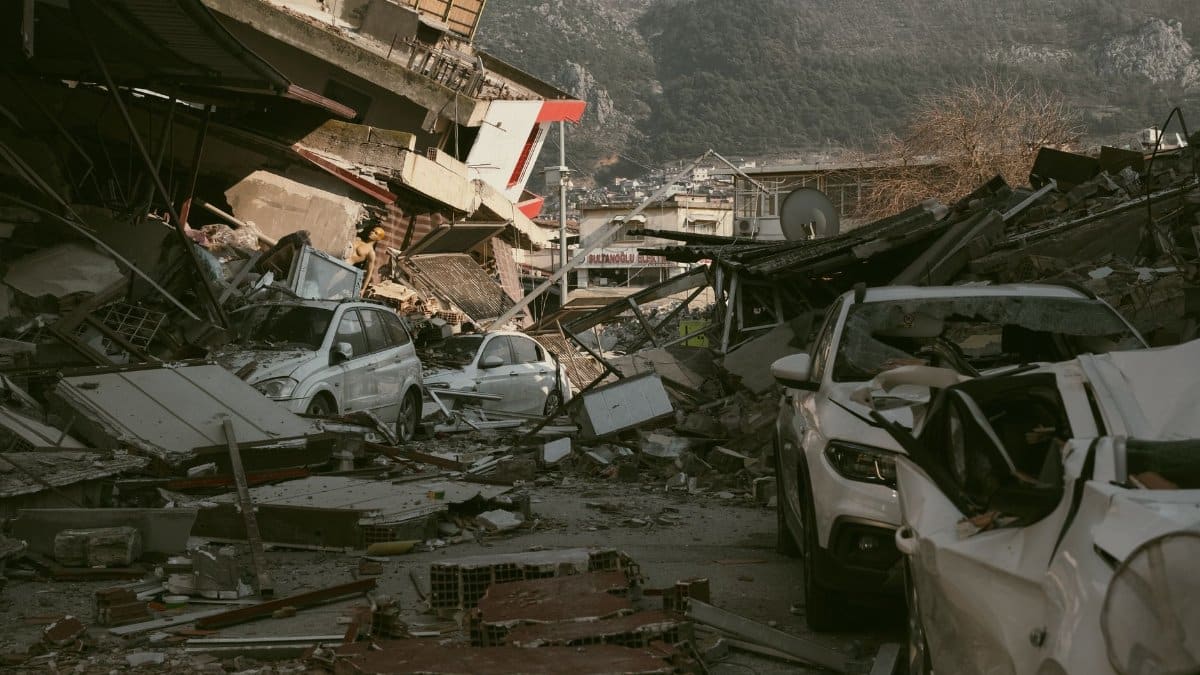
A wildfire in one watershed becomes smoke in another country’s lungs. A failed monsoon becomes a food price in a city that never saw the failed rain. Insurers, who are not sentimental, have begun to retreat from some coasts and some fire corridors, which is a market signal as loud as any speech. When coverage disappears, a mortgage becomes harder to hold, and a town begins to empty from the edges inward.
The moral geography of these losses is uneven. Countries that burned the least coal and oil over the last century are often the ones with the least money for sea walls, cooling centers, and crop insurance. That imbalance is not a new discovery at these talks. It is the reason finance fights consume so many hours, and the reason trust is thin before the first plenary even starts.
Energy prices and a conflict that reached the pump

Climate diplomacy never happens in a sealed room. This year it happens while conflict involving Iran has rattled energy markets and reminded governments how quickly a geopolitical shock becomes a household bill. Oil and gas are still the backbone of transport, industry, and, in many places, electricity. When supply fears rise, prices follow, and politicians hear from voters long before they hear from negotiators.
The International Energy Agency has spent years documenting both the persistence of fossil demand and the rapid growth of solar, wind, and batteries. Those two facts can be true together. A price shock can push some countries to accelerate clean power because it is now a security asset. The same shock can push others to subsidize gasoline, reopen old plants, or delay a coal retirement that was announced with ceremony and little follow through. Antalya will hear both arguments, often from the same government on different days.
What the COP31 climate talks are actually for
The COP31 climate talks are not a world government. They cannot order a refinery to close or a grid to be built. Under the United Nations climate convention, described at the UNFCCC, they are a place where nearly every country agrees, in public, to measure progress against shared goals and to argue over the means. That sounds modest until you remember the alternative, which is a patchwork of private deals with no common ledger.
The practical work sits in three piles. First, whether national plans add up to something close to the temperature limits governments already accepted. Second, whether money for adaptation and for loss reaches the places that need it, in forms that can be spent rather than admired. Third, whether rules on transparency are strong enough that a pledge can be checked by someone who was not in the room when it was made.
The distance between a pledge and a power plant

A target year is not a turbine. Many countries have promised steep cuts by midcentury while their near term policies still expand fossil infrastructure. That gap is where public cynicism grows, and it is not entirely unfair. A speech in Antalya does not lower a single ton of carbon dioxide. A permitting decision, a transmission line, a building code, and a bus route do.
Still, it would be a mistake to treat the talks as theater only. Language agreed here becomes the reference point for lawsuits, for development bank lending, for corporate disclosure rules, and for the next election debate in capitals far from the Turkish coast. Weak text makes later ambition harder. Strong text does not implement itself, but it removes the excuse that nobody agreed on the destination.
Money, trust, and who sits farthest from the microphones

Finance is where the COP31 climate talks usually become least poetic and most revealing. Wealthy countries have promised support. Developing countries have counted what arrived, what arrived late, and what arrived as loans rather than grants. The numbers never quite match, because the categories are disputed and because need keeps growing as impacts accumulate.
There is also a quieter cast. Island diplomats who measure success in meters of shoreline. Indigenous representatives who rarely draft the final paragraph but live with the land the paragraph concerns. City officials who will implement whatever national leaders announce, often with budgets already spoken for by pensions and schools. If the spiritual dimension of this story has a location, it is here: in the question of whether people outside the main camera shot are treated as neighbors or as scenery.
A moral question inside a technical meeting

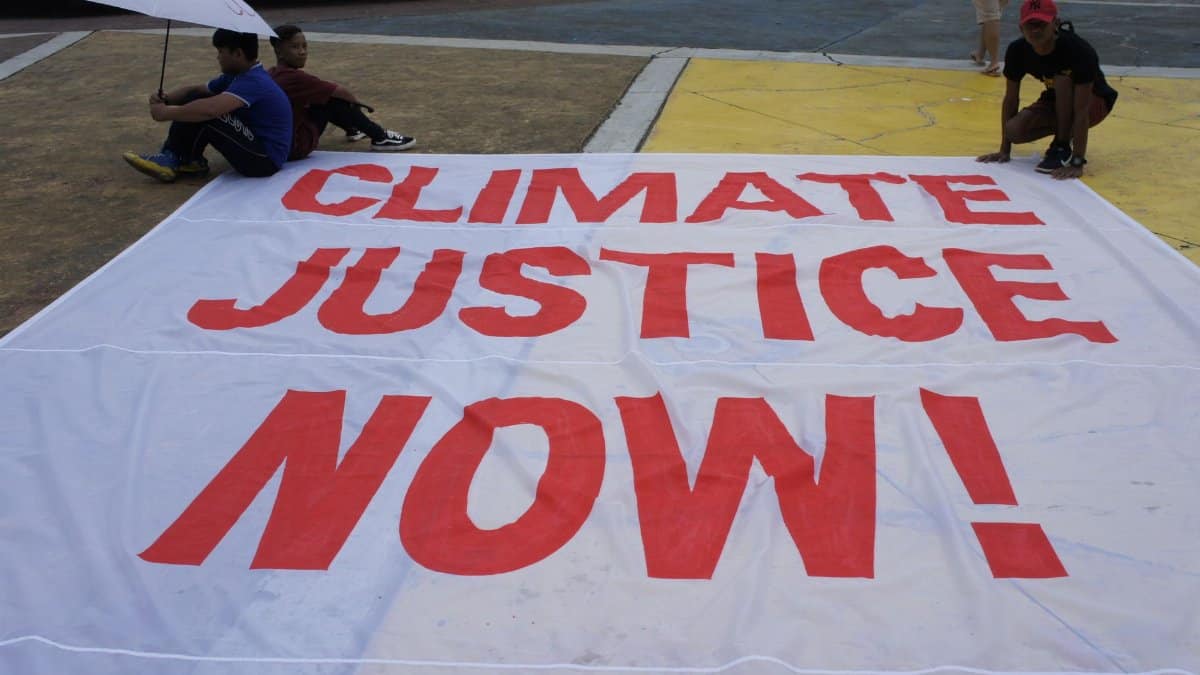
Climate policy is often filed under economics or engineering, and both belong there. It is also a question about obligation across time. The fuels burned for comfort and growth in one generation become heat, flood, and debt in another. Religious traditions differ on doctrine and are often clumsy when they enter technical debates. Many of them converge, though, on a plain claim: the vulnerable are not a rounding error.
That claim does not tell a minister which grid technology to choose. It does rule out indifference. It rules out treating a drowned harvest or an uninsured house as an acceptable side effect of a delayed transition. Readers who do not share a creed can still recognize the civic version of the same idea. A society that can see the damage and chooses not to count it has made a moral decision whether it admits that or not.
What would count as a serious outcome

Success in Antalya should be judged by tests a reader can apply without a glossary. Are major emitters bringing plans that cut pollution in this decade, not only in a distant decade? Is there a credible path for public and private money to reach adaptation, from flood protection to heat resilient clinics, without burying recipients in conditions they cannot meet? Are fossil subsidies treated as a choice rather than as weather? Is there language clear enough that civil society can track it next year?
Failure has a look as well. It looks like a text so vague that every capital can claim victory on the flight home. It looks like a finance announcement that double counts old aid. It looks like a silence on the energy shock, as if voters will forget the price of fuel because a closing statement used the word ambition. The COP31 climate talks will be praised or dismissed within days. The atmosphere will keep the longer score.
The politics waiting at home

American readers have a particular stake, even when the host city is on the Mediterranean. United States policy swings with elections, court rulings, and the price of gasoline, and other capitals watch those swings before they risk their own. A country that helped build the postwar institutions cannot treat the climate regime as someone else’s committee and expect the committee to hold.
That does not mean Washington must carry every cost, or that rivals get a pass. It means consistency matters. Allies and competitors alike have learned to discount speeches that the next administration may erase. The most persuasive thing a large economy can bring to Antalya is evidence: projects built, pollution falling, workers retrained, and a grid that stayed up during the last heat wave. Evidence travels better than adjectives.
After the delegations leave the coast

When the halls empty, Antalya will return to tourism, and the communiques will enter archives. The year that produced this meeting will not archive so neatly. Disasters will be rebuilt or abandoned. Energy prices will ease or spike again if conflict widens or shipping routes close. Temperatures will not consult the negotiating calendar.
The useful habit, for citizens as much as for envoys, is to keep two time scales in view at once. One is the week of the COP31 climate talks, with its drafts and its dramas. The other is the decade in which power plants, farms, and cities are either rebuilt for a hotter world or left to absorb the cost by surprise. I do not expect Antalya to settle that decade. I do expect it to show whether governments are still willing to be measured against it.