
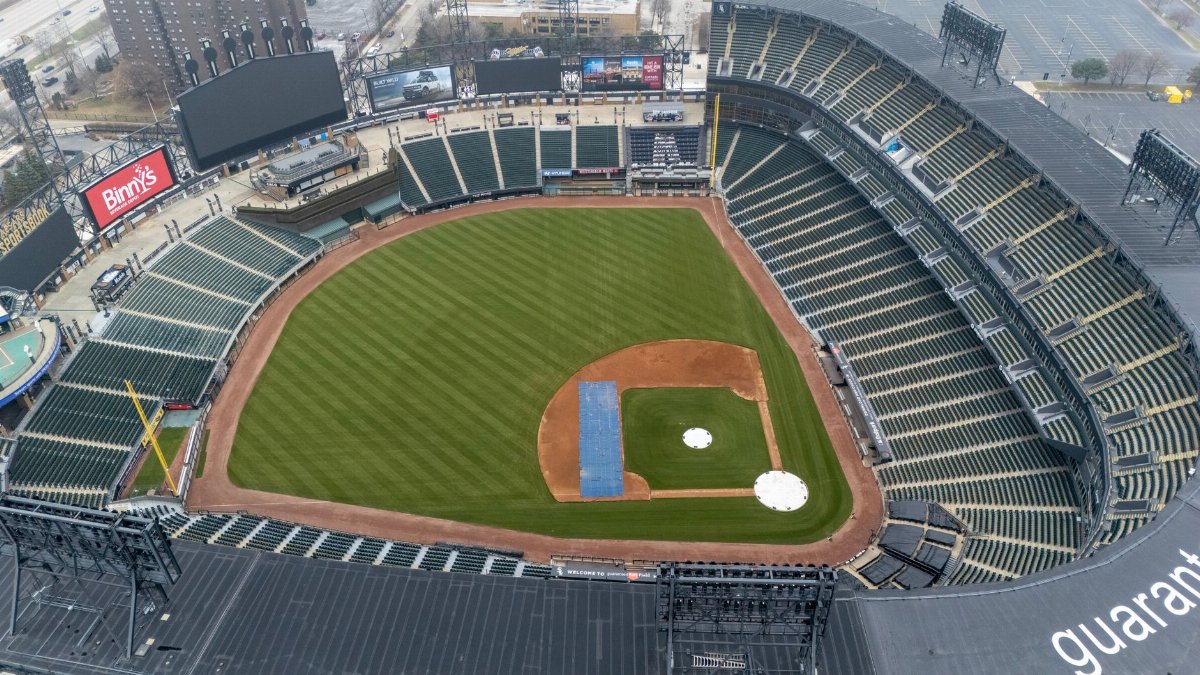
On the last weekend of the regular season, Chicago is doing something its sports bars have not been asked to host in a long while. One screen carries the Cubs. Another carries the White Sox. Between them, strangers argue about travel days and home dates as if the argument could move a decimal. The phrase Cubs Sox playoff seeds has become the city’s shorthand for a strange abundance: both clubs are already in the postseason, and the last games still decide who they will meet and where they will begin.
A city learning to watch two boards at once

Baseball usually forces Chicago to choose a loyalty and then defend it for six months. This weekend the choice is softer and stranger. North Side fans still wear blue. South Side fans still wear black. Yet the conversation in train cars and office kitchens has collapsed into one shared question. Where will each club land when the board stops moving?
That question is not a luxury. A seed is a schedule with consequences. It decides which opponent arrives first, which club hosts, and how much rest a pitching staff can steal before October begins in earnest. For a fan base that has spent years treating October as a rumor, the arithmetic feels almost indecent.
What a seed quietly decides

The modern postseason is a narrow corridor. Wild card rounds are short. A single poor matchup can end a season that took 162 games to earn. Seeding does not guarantee a deep run. It does change the shape of the risk. Home games bring a familiar crowd, a familiar wind, and a clubhouse that does not have to pack. Road games bring hostile noise and a clock that never quite belongs to you.
Managers speak about controlling what they can control. On a final weekend, that phrase is half true. A club can win its own games. It cannot win the games that rearrange the other line of the bracket. Radio voices spend innings explaining scenarios that expire by the seventh inning stretch. By Sunday night, some of those scenarios will look quaint.
The North Side and the last ordinary games
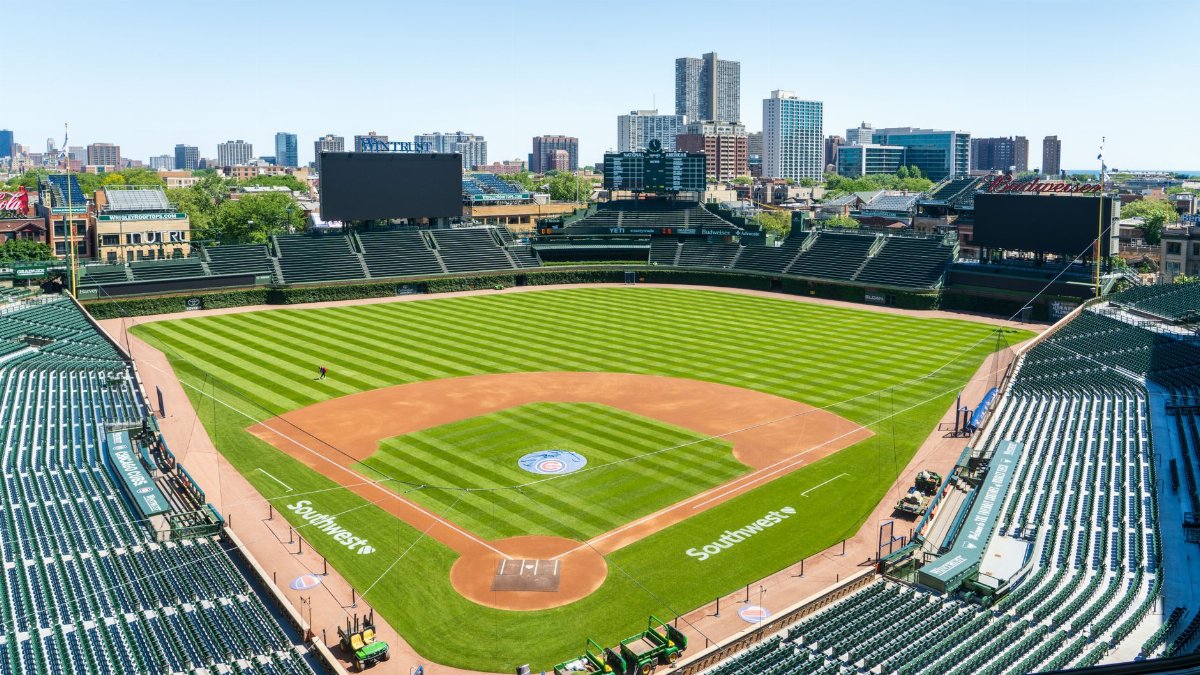
At Wrigley, the late September light still flatters the ivy, and the crowd still treats a routine fly ball as a civic event. The Cubs are no longer playing to sneak into a conversation. They are playing to improve their place inside it. That shift changes the mood without removing the nerves. A team that has already qualified can look relaxed from the cheap seats and still be grinding on every pitch that affects home field.
Veterans understand the difference between celebration and position. Younger players sometimes do not, and that is not a flaw so much as a stage of a career. The clubhouse task is to treat these games as ordinary baseball with extraordinary paperwork attached. Win the inning in front of you. Let the standings department do the rest.
The South Side refuses a victory lap

On the South Side the tone is proud and slightly suspicious, which is how that fan base prefers its hope. The White Sox have spent enough seasons explaining disappointment that a guaranteed October spot still feels like a story someone else might retract. Players talk about finishing, not about posing. A seed, in that telling, is not a trophy. It is a first assignment.
There is a practical reason for the restraint. A club that relaxes because the number beside its name is safe can still lose the number that matters more: the one that sets the opponent. Guardians, Twins, Royals, and whoever else is still alive in the tangle all carry different styles of trouble. Facing a contact heavy order is not the same week as facing a rotation that misses bats. Fans who reduce the weekend to a party are not wrong to feel joy. They are early.
How Cubs Sox playoff seeds rearrange October
Put the two races side by side and the phrase Cubs Sox playoff seeds stops sounding like a headline and starts sounding like a logistics problem. One club may want the longer rest. The other may want the matchup that shortens a dangerous left hander out of the series. Neither preference is selfish. Both are attempts to survive a format that punishes the first mistake.
Front offices have already built the binders. Travel secretaries know which cities are one flight and which are a connection that frays a bullpen. Training staffs know which arms can take an extra day and which arms need the work. None of that planning is visible from the bleachers. What the bleachers see is a scorebug that refreshes and a sudden cheer for a game no one in the building is watching in person.
The quiet faith of people who keep score

This is, oddly, a spiritual weekend in a city that does not usually admit the word. Not in the sense of doctrine. In the sense of ritual. People wear the same hat they wore in 2016 or in 2005. They sit in the same seat. They refuse to say a sentence they consider unlucky. Belief here is less a creed than a habit of attention. You show up. You keep the score. You do not look away when the other club, the one you have mocked for years, also has something to protect.
Churches and synagogues on the North Side and the South Side will still hold their ordinary services. Some congregants will check a phone during a hymn and feel only mildly ashamed. Baseball does not replace those rooms. It borrows their posture: a crowd facing the same direction, waiting for a word that has not arrived.
Managers, math, and the limits of a speech

A manager’s pregame remarks this weekend are a small art. Say the games matter and you sound like you are campaigning. Say they do not and you sound careless. The honest version is plainer. The club will set a lineup built to win today. If that lineup also serves a seeding scenario, so much the better. If it does not, the scenario was never theirs to command.
Players hear that and translate it into personal terms. A starter wants the ball because October usage is a rumor until the first series is set. A reliever wants clean innings because a short postseason can turn a forgotten arm into the person everyone remembers. A hitter wants the matchup he has been waiting for since June, then discovers the matchup may be a different club entirely by Monday.
Home dates, rest, and the cost of a long flight
Home field in a short series is not magic. It is a stack of small edges. Last ups. Familiar shadows in the outfield. A crowd that knows when to stand. Rest is a similar stack. An extra day can restore a closer or leave a starter a touch flat. No public chart settles that argument, which is why clubhouses keep having it in private.
Travel sits underneath both. A team that finishes in its own park and stays there has a different Monday from a team that ends on the road and turns around. Chicago’s geography is a gift in that respect. Both clubs can, in the right seeding, begin October without leaving town. Both can also be sent somewhere the wind does not behave. The Cubs Sox playoff seeds conversation is, at bottom, a conversation about whether the city gets to keep its own noise.
Rivals who suddenly share a calendar
Cubs fans and White Sox fans do not become allies because both clubs are alive. The jokes remain. The train still divides the map. What changes is the calendar. For a few days, mockery has to share space with recognition. The other club is not a punch line this weekend. It is a fellow tenant in a bracket that has very little room.
That recognition will not survive a cross town series, should one ever arrive. It does not need to. It only needs to last long enough for the city to notice that two organizations, with different colors and different grievances, are performing the same late duty: win enough to choose, or win enough to accept the choice someone else made.
What the last scorebug cannot promise
Seeds feel decisive because they are printed in a table. October has a habit of ignoring tables. A lower seed with a hot starter can end a favorite in an afternoon. A higher seed can look inevitable until the ninth. The honest journalistic claim is modest. Seeding changes the path. It does not write the ending.
Still, path matters to the people who have to walk it. A friendlier draw is not the same thing as a free pass. It is a week in which the margin for error is slightly wider, the crowd slightly kinder, the hotel slightly closer. Players who dismiss that margin are usually players who have not yet felt a short series snap shut.
How a fan should read Sunday night
When the last out is recorded, the useful habit is to read the bracket slowly. Note the opponent. Note the site. Note which arms are lined up and which arms are a day short. Ignore, for a moment, the national ranking of drama. Chicago’s drama is local and specific. Two clubs. One weekend. A set of Cubs Sox playoff seeds that will be argued in diners before they are tested on the field.
If you keep both loyalties, or if you keep one and merely tolerate the other, the assignment is the same. Learn the matchup. Accept that some of the games you needed were played in another city by people you do not cheer. Then let the postseason, which is shorter and crueler than the summer that produced it, begin its own accounting.
A rare overlap, and the duty it creates

Chicago has known long winters without either club in October. It has known years when one side celebrated and the other explained. An overlap is not a moral victory for the city. It is a scheduling fact with emotional weight. The duty it creates is attention. Watch the games that are left. Notice which seed each club actually earns, not the seed a group chat preferred on Friday morning.
By the time the ballparks empty, the regular season will have done the only thing it still can do. It will hand both clubs a number, an opponent, and a first pitch that will not wait for the argument to finish. The Cubs Sox playoff seeds will stop being a rumor exchanged between televisions. They will become the route October takes through a city that, for one weekend, had room for both.