

The pump house sits quiet in the early light, a small metal shed beside a windmill that has turned for decades. In the country outside Corpus Christi, that kind of well is not scenery. It is the difference between a working ranch and a dry pasture, between a household that can fill a glass and one that cannot. So when word spread that Corpus Christi groundwater permits for a battery of new city wells had moved through a local district at unusual speed, the worry traveled faster than the paperwork. Neighbors who had never thought of themselves as activists began asking a plain question: if the city drinks first, what is left for everyone else?
A coastal city running short of options
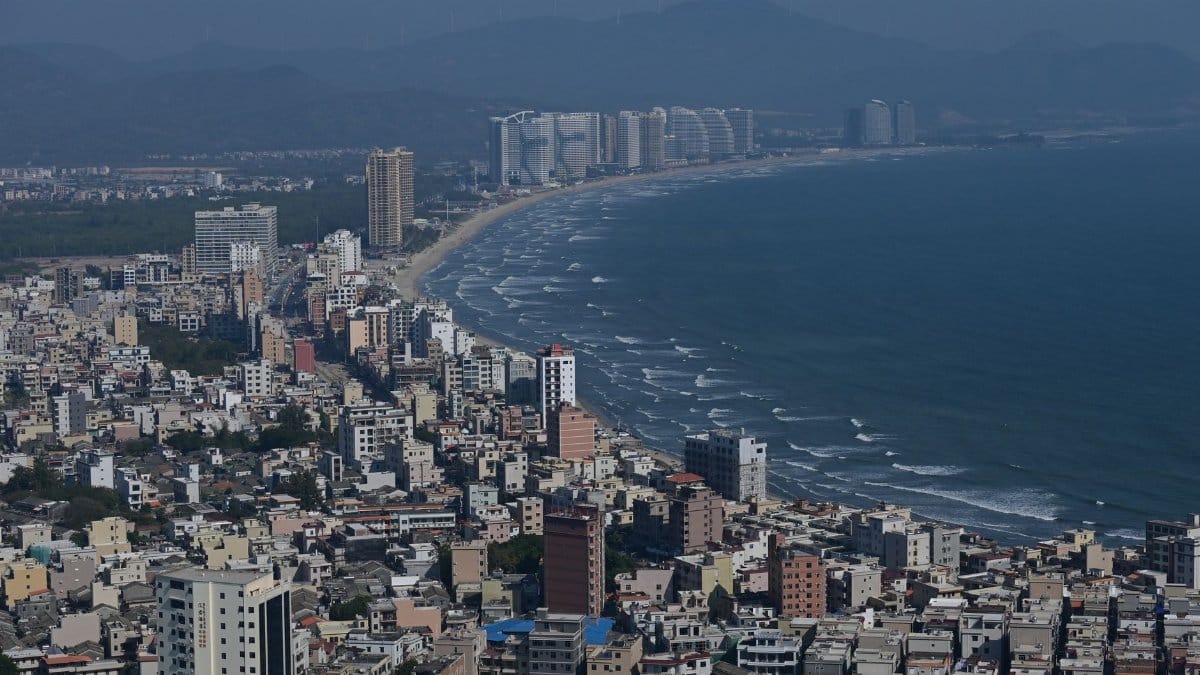
Corpus Christi has spent years staring at a shrinking water budget. Reservoirs that once looked ample have fallen under the combined weight of drought, growth, and heavy industrial demand along the ship channel. Refineries, chemical plants, and a rising population all draw from the same strained system. City leaders have chased desalination, conservation rules, and new contracts. Groundwater, long treated as a rural resource rather than a municipal lifeline, has moved to the center of the plan.
That shift is not abstract. According to reporting by the Texas Tribune, a district tied to the city approved permits for 20 wells capable of pumping as much as 40 million gallons a day. For a region already arguing over every acre foot, that volume is not a footnote. It is a new claim on an aquifer that ranchers, small towns, and households have treated as their own reserve.
The Tribune account is here: Corpus Christi water crisis and groundwater coverage.
What twenty wells can take

Forty million gallons a day is a figure that resists casual comparison. It is enough to supply a mid sized city, and it is large enough to change water levels in wells that sit miles from the new pumps. Groundwater does not respect fence lines. A cone of depression, the drop in the water table around a hard working well, can spread outward as pumping continues. Neighbors fear that their windmills will spin over a deeper, costlier, or simply empty hole.
The permits do not, by themselves, prove that every gallon will be taken every day. Cities often seek authority above their expected average use so they can cover peak demand and drought years. Still, a permit is a legal right to withdraw. Once it exists, rural residents have little practical way to claw it back if their own wells fail. That asymmetry is what has turned a technical approval into a political fight.
A district with the city at the table

In Texas, groundwater conservation districts are the main local referees for pumping. They issue permits, set rules, and are supposed to balance use against the long health of the aquifer. When the district doing that work is closely tied to the city that wants the water, rural residents hear a conflict rather than a referee. They ask who spoke for the people who will live with lower water levels after the city has secured its supply.
Speed is the other complaint. Approvals that neighbors describe as moving at lightning speed leave little room for independent hydrology, for contested hearings, or for the slow work of measuring what a new well field will do to existing ones. Process is not a luxury in water law. It is how people who lack lobbyists get a chance to put facts on the record before the pumps are in the ground.
The view from the ranch road
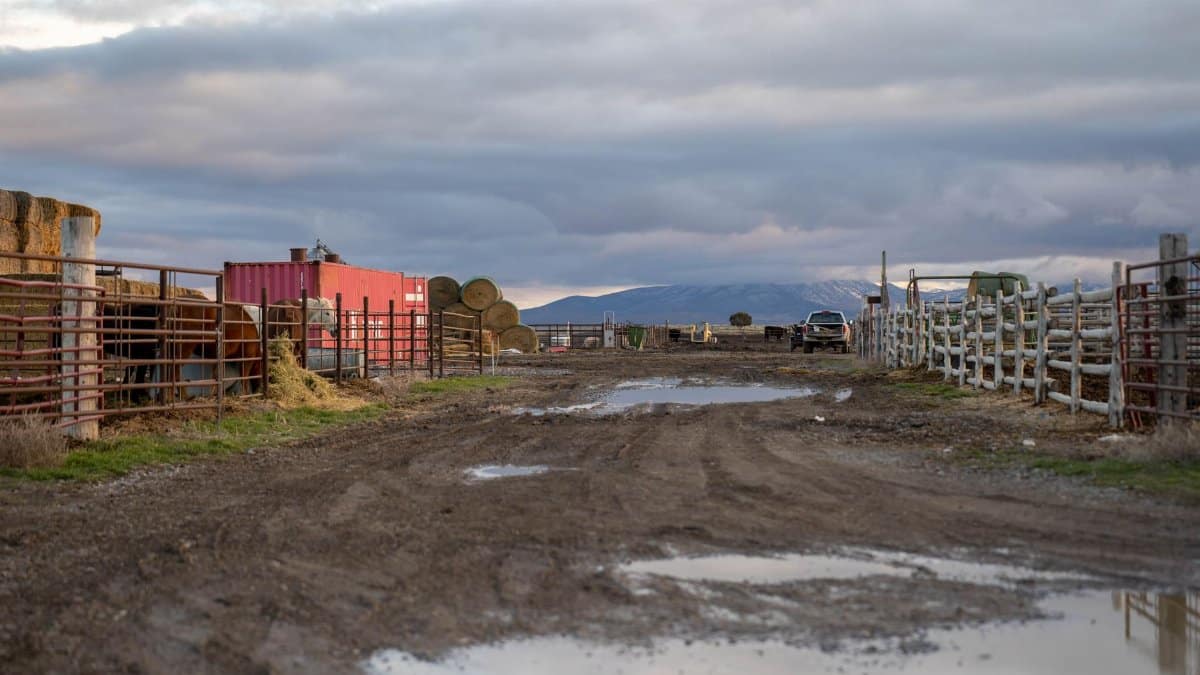
Rural neighbors are not opposing growth in the abstract. Many sell cattle, hay, or hunting leases that depend on stock tanks filled from wells. Others simply live where a municipal line has never reached. When their pumps suck air, there is no backup plant on the horizon. Drilling deeper is expensive. Hauling water is a daily tax on time and money. Selling out is the option nobody wanted to discuss at the kitchen table.
Their fear is specific. Corpus Christi groundwater withdrawals on this scale could lower the water table under land that has produced for generations. They want monitoring wells, enforceable triggers that slow city pumping if levels fall, and a public record that shows who benefits and who bears the cost. Those are ordinary demands. They sound radical only because the timetable did not leave much room for them.
Drought as the argument for haste

City officials can answer with a picture that is also true. Corpus Christi has faced emergency restrictions, anxious industry, and the prospect of taps that cannot meet demand. A coastal economy built on the port does not pause while hydrologists finish a decade of study. Leaders under that pressure treat new wells as insurance. Delay, in their telling, is not caution. It is a gamble with jobs and public health.
Both pictures can be accurate at once. A city can be genuinely short of water and still move too fast past the people who already depend on the same aquifer. Urgency explains the motive. It does not settle the science, and it does not settle the fairness question. The harder task is to say how much pumping the formation can sustain, and who must cut back first when the answer is less than everyone wants.
What an aquifer can and cannot forgive

South Texas aquifers are not underground lakes with a visible shoreline. They are layers of sand and gravel that release water slowly and recharge even more slowly, especially in dry years when rain never reaches the water table. Heavy pumping can pull in poorer quality water, increase the cost of lifting every gallon, and, near the coast, raise the risk that saltier water moves inland.
None of that is a reason to pretend cities should never drill. It is a reason to treat large new rights as experiments that need limits. Baseline measurements, a network of observation wells, and clear rules for curtailment are the minimum a cautious district would demand before steel goes into the ground. Neighbors say those safeguards were thin relative to the size of the ask. If levels drop, the damage will not announce itself with a single dramatic day. It will show up as a deeper pump setting, a higher electric bill, and a well that no longer recovers overnight.
Industry, households, and the same pipe dream
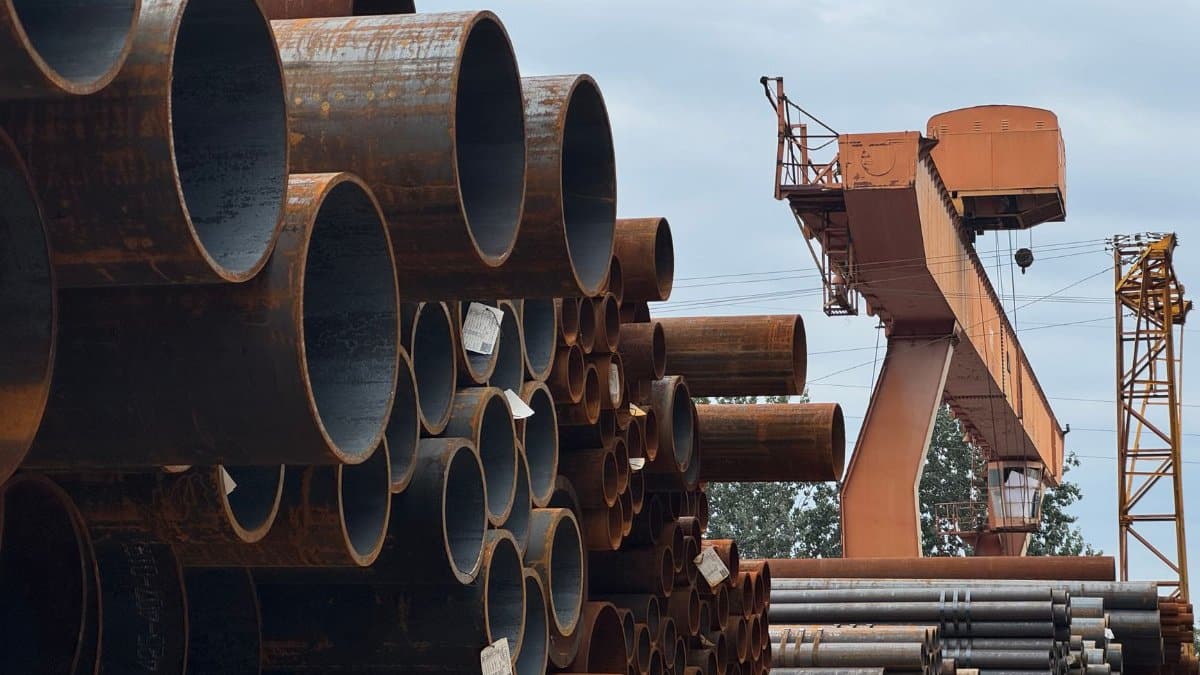
Corpus Christi water politics are never only about kitchen taps. The industrial complex along the bay is a major user and a major employer. When plants warn that shortages could idle units, city hall hears payrolls and tax rolls. Residents in the country hear a different translation: their aquifer is being asked to underwrite a coastal economy they do not control.
A fair accounting would separate essential household supply from discretionary industrial growth, and it would say so in public. Conservation inside the city, reuse of treated wastewater, and a desalination plan with an honest price tag all belong in that accounting. Groundwater should not be the silent subsidy that makes every other option look cheaper. If Corpus Christi groundwater is to serve the city, the city should show that it has already squeezed waste from its own system.
Law that favors capture

Texas groundwater law still carries the old rule of capture, modified but not erased by local districts. Landowners have broad rights to the water under their property, and districts vary widely in how strictly they limit pumping. That legal culture rewards the party that can drill first and pump hard. It is a poor fit for a shared aquifer under drought, where one large permit holder can shift costs onto hundreds of smaller ones.
Neighbors who want to challenge a permit face lawyers, engineers, and timelines they cannot match. Many will not sue. They will watch the static level in a well and hope the worst case stays on paper. That is not consent. It is exhaustion. A district that answers to the applicant more readily than to the people downstream in the aquifer has failed the purpose written into its name.
Speed without a public map

The phrase neighbors keep using is lightning speed. What they mean is not that drilling rigs appeared overnight, though some fear that is next. They mean that the decision to authorize a huge withdrawal arrived before a shared map of consequences. Where will drawdown be greatest? Which existing wells are inside that zone? What water quality changes are plausible within ten years? Who pays if a domestic well must be replaced?
Those questions are answerable. They are also inconvenient when the goal is to lock in supply before the next dry summer. A city that wants trust should publish the model, the assumptions, and the trigger points in language a landowner can read without a consultant. Silence, or a stack of permits released faster than people can respond, reads as a decision already made.
What a slower yes would look like

A slower approval is not the same as a permanent no. The city could phase the well field, bringing wells online only as measured levels allow. It could fund replacement wells for households inside a defined impact zone. It could accept seasonal limits that protect rural use during the months when stock water matters most. It could seat rural representatives with a real vote, not a listening session after the notice period has closed.
None of those steps is radical. They are the ordinary price of taking a shared resource at a scale that can harm neighbors. They also protect the city. A permit won in a rush and later undone in court, or discredited by failing domestic wells, is not water security. It is a headline waiting to happen.
The measure of a responsible city

Corpus Christi is not the first Texas city to look inland when coastal reservoirs fail, and it will not be the last. The test is whether growth and drought are allowed to erase the people who were already there. Lightning speed may feel like leadership inside a council chamber. On a ranch road, it feels like a decision made about you, not with you.
The wells, if they are drilled, will run for decades. The aquifer will answer on its own schedule, indifferent to press releases. Residents who depend on it are asking for something modest: time, measurement, and a rule that says the city does not get to empty the cupboard and call it planning. Corpus Christi groundwater can be part of a durable supply. It cannot be a blank check written at the expense of the neighbors who still have to live above it.